

Summary and Key Points: The United States Navy’s nuclear-powered attack submarines operate with crews of roughly 130 sailors submerged for months at a time, conducting intelligence, anti-submarine warfare, land-attack, and special-operations missions. Because the environment is so isolated and unforgiving, with no sunlight, limited communication, and no possibility of quick rescue, the Navy screens candidates for the “Silent Service” through demanding academic, medical, and psychological filters before training even begins. The academic bar is among the highest in the military, especially for the nuclear field. Medical standards are strict because evacuation may be impossible for days. Psychological screening looks for people who can tolerate confinement and stress in close quarters. Those who pass train at Groton, Connecticut, and eventually earn the Submarine Warfare insignia, the “Silver Dolphins.”
Becoming a U.S. Navy Submariner Isn’t Easy: An Introduction
America’s nuclear-powered attack submarines represent some of the most technologically sophisticated—and strategically important—military platforms in the world.
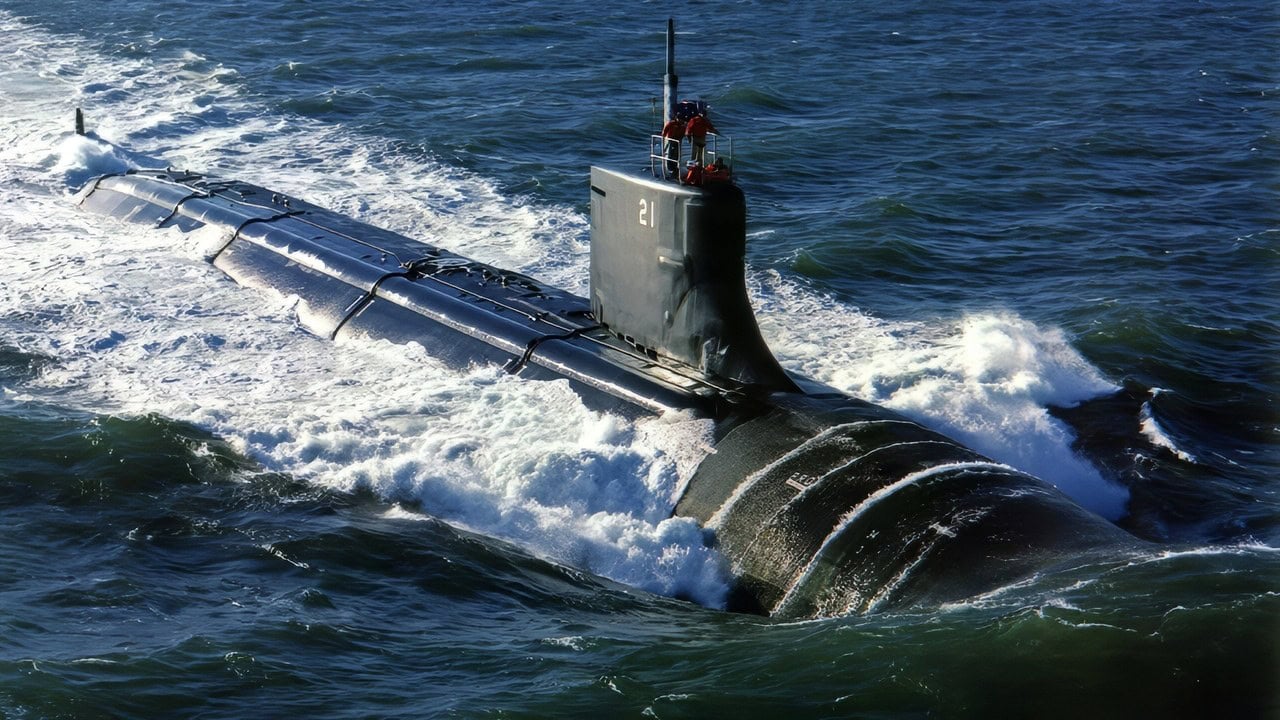
The nation’s newest and most advanced attack submarine Seawolf (SSN 21) puts to sea in the Narragansett Bay operating area for her first at-sea trial operations on July 3, 1996. Sea trials include various tests of the Seawolf propulsion systems and the first underway submergence of the submarine. The Seawolf represents the Navy’s most advanced quieting technology, weaponry, tactical capability and communications. Seawolf is scheduled to be delivered to the Navy and commissioned this fall. U.S. Navy photo courtesy of General Dynamics.
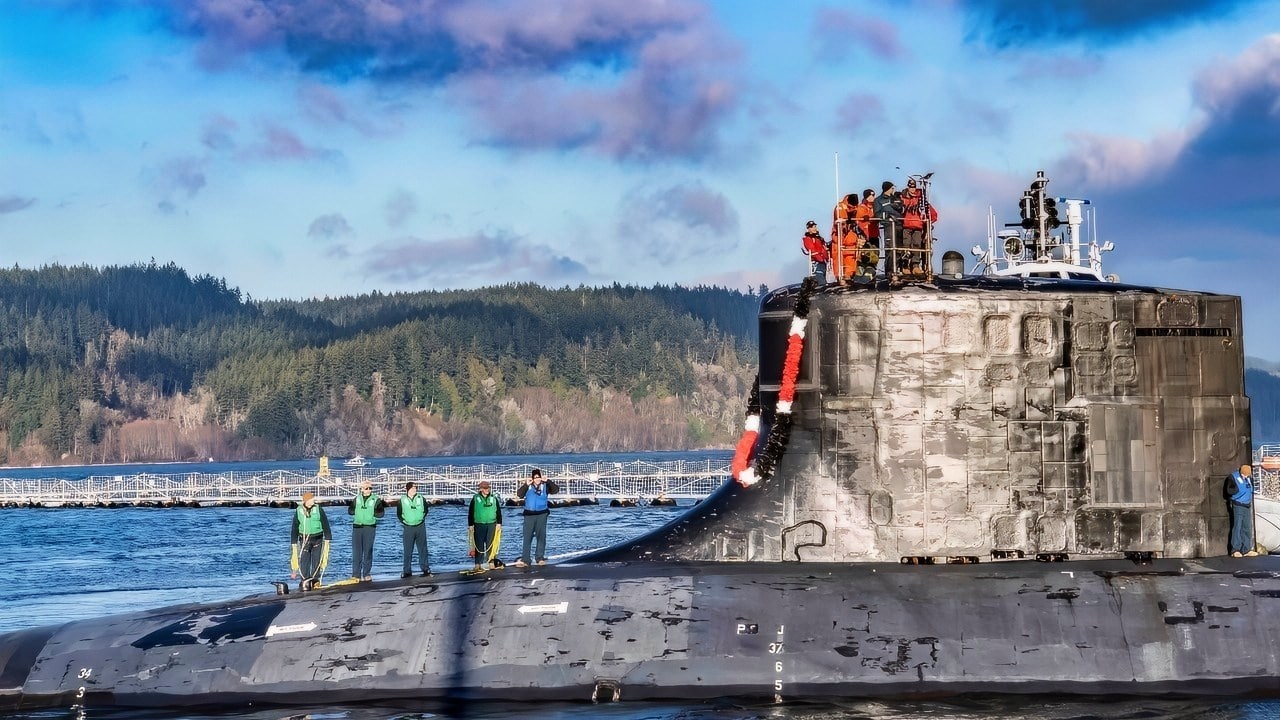
The Seawolf-class fast-attack submarine USS Seawolf (SSN 21) returns home to Naval Base Kitsap-Bangor, Washington, Dec. 14, 2022, following a seven-month deployment. Seawolf is the first of the Navy’s three Seawolf-class submarines, designed to be faster and quieter than its Los Angeles-class counterpart. (U.S. Navy photo by Mass Communication Specialist 2nd Class Gwendelyn L. Ohrazda)
Operating with a crew of roughly 130 sailors, beneath the ocean’s surface for months at a time, these vessels conduct intelligence-gathering, anti-submarine warfare, land attack, and special-operations missions.
Because a submarine crew operates in one of the most isolated and unforgiving environments imaginable, the US Navy applies rigorous academic, medical, psychological, and operational screening before allowing sailors to join the “Silent Service.”
Submarine Service is Different
Submariners are isolated.
They are confined within a narrow, windowless vessel beneath the ocean’s surface for several months at a time.
They can’t step outside or call for help. Communications are limited.
Sunlight is nonexistent.
And the living spaces are confined.
Every crew member must become part of a tightly integrated team, operating complex nuclear propulsion systems, where individual mistakes affect the culture and performance of the entire boat.
As a result, the Navy screens for reliability, technical competence, and teamwork throughout the selection process.
The Academic Filter
Applicants must qualify for submarine service through the ASVAB. High scores in Electronics Information (EI), General Science (GS), Mechanical Comprehension (MC), and Mathematics Knowledge are particularly important.
Many submarine ratings involve sonar, fire control, communications, navigation, nuclear propulsion, and advanced electronics. These jobs require strong technical aptitude before training even begins.
Sailors entering the nuclear field, including Machinist’s Mate (Nuclear), Electrician’s Mate (Nuclear), and Electronics Technician (Nuclear), must be selected separately, against even more demanding requirements.
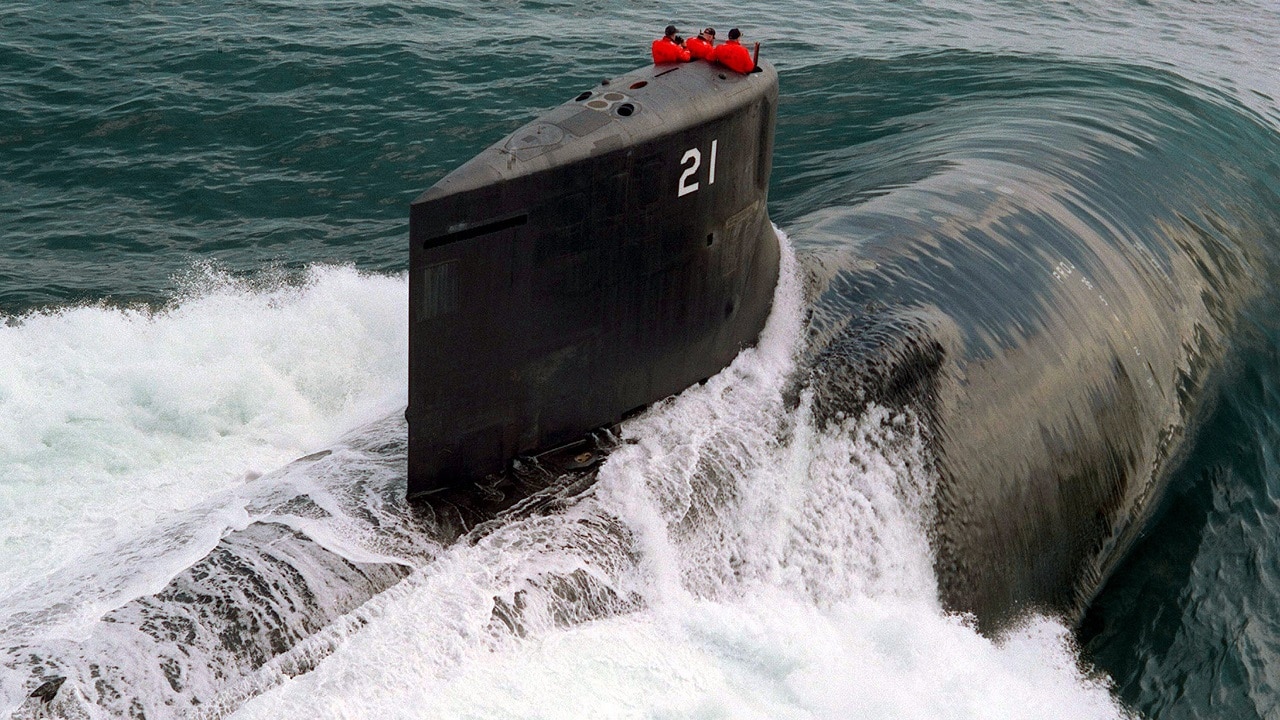
The U.S. Navy’s newest attack submarine, USS Seawolf (SSN 21), conducts Bravo sea trials off the coast of Connecticut in preparation for its scheduled commissioning in July 1997.
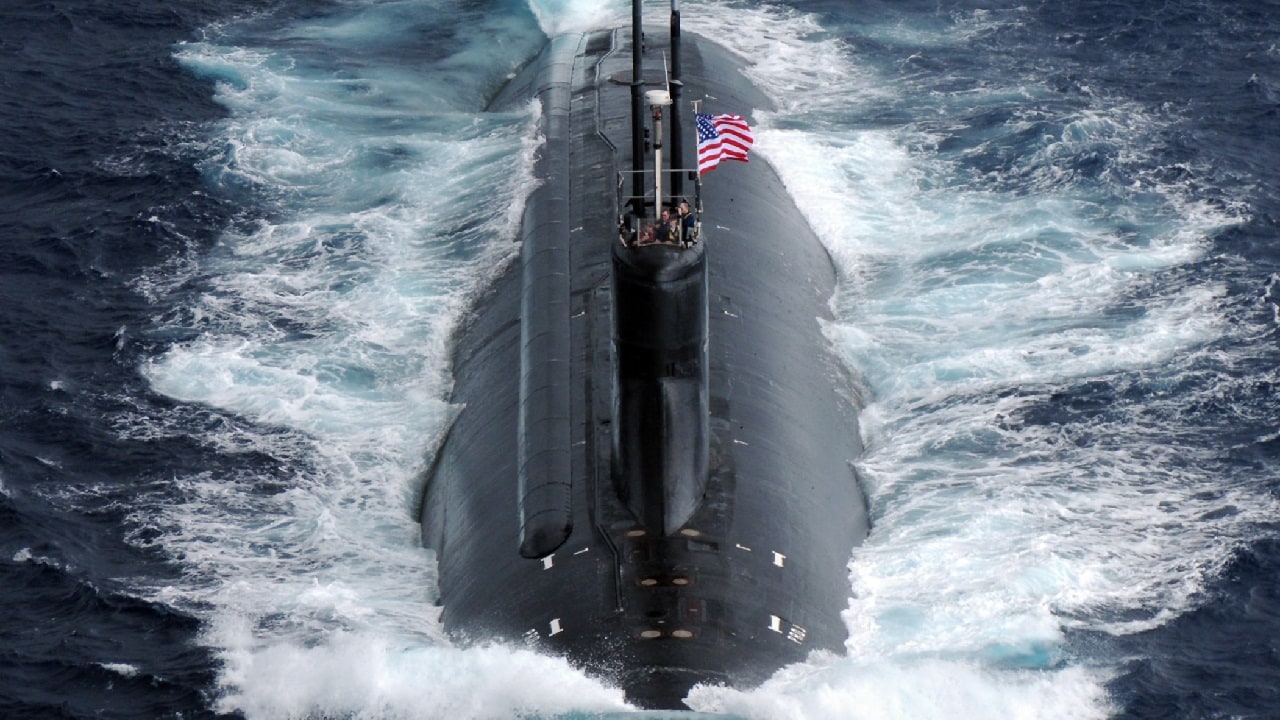
The Seawolf-class fast-attack submarine USS Connecticut transits the Pacific Ocean during the Annual Exercise. ANNUALEX is a yearly bilateral exercise with the U.S. Navy and the Japan Maritime Self-Defense Force.
Candidates must qualify for the Navy’s Nuclear Field program. Training includes Nuclear Power School, prototype reactor training, and extensive instruction in calculus, physics, thermodynamics, reactor operations, and electrical engineering.
Academic standards remain among the highest in the US military, and the program has historically experienced significant attrition due to its technical difficulty.
The Medical Filter
Submarines have unique medical demands. Because evacuation may be impossible for days or weeks, medical standards are strict.
Screening includes vision, hearing, cardiovascular health, respiratory health, and overall physical fitness. Medical conditions that could become dangerous in an isolated underwater environment receive particularly close scrutiny.
Healthy lungs are especially important because submarines operate with continuously recycled air.
Relatedly, submariners are expected to operate in extremely tight living quarters, including narrow passageways, compact workstations, stacked bunks (sometimes including “hot racking”), little personal privacy, constant machinery noise, and rotating watch schedules.
Comfort becomes secondary to mission effectiveness, so candidates must demonstrate that they can function effectively despite these uncomfortable circumstances.
The Psychological Filter
The Navy isn’t simply looking for intelligent and healthy sailors, though; the Navy also needs people who can tolerate confinement, isolation, disrupted sleep, prolonged separation from family, and high operational stress.
Successful submariners generally display emotional stability, patience, adaptability, calm decision-making, and the ability to work cooperatively in small teams.
Interpersonal conflict is particularly undesirable because crews live and work in extremely close quarters for extended periods.
Training the Selected
Once a candidate passes the academic, medical, and psychological filters, they attend Basic Enlisted Submarine School in Groton, Connecticut.
Training introduces submarine systems, emergency procedures, damage control, firefighting, escape procedures, and shipboard safety.
Students learn that every crew member is responsible not only for their own specialty but also for helping to keep the entire submarine operational during emergencies. Indeed, submarine crews prepare extensively for emergencies.
Training includes simulated flooding, pipe rupture, equipment casualties, and onboard fires.
Damage control is especially critical underwater because outside assistance may be unavailable, so rapid coordination and disciplined execution become essential.
Students also must complete submarine escape instruction, which prepares crews for the unlikely event of abandoning a disabled submarine.
After reporting aboard a submarine, sailors begin working toward their qualifications and must learn virtually every major system aboard the boat, including piping, electrical, propulsion, weapons, damage control, and emergency procedures.
Only after demonstrating broad knowledge and passing oral examinations do they earn the coveted Submarine Warfare insignia, commonly known as the “Silver Dolphins.”
MORE – The Eurofighter Typhoon Is Selling Like Hot Cakes
About the Author: Harrison Kass
Harrison Kass is a writer and attorney focused on national security, technology, and political culture. His work has appeared in Tablet, City Journal, The Hill, The Spectator, and The Cipher Brief. He holds a JD from the University of Oregon and a master’s in Global & Joint Program Studies from NYU. More at harrisonkass.com.