

It’s happening. After nearly 27 years, the United States government is looking for engineers to help restore a former NASA-operated Lockheed SR-71A Blackbird.
It’s like something out of a Clint Eastwood movie. NASA is calling on the handful of remaining SR-71 engineers to help restart the old girl.
Reacquiring the SR-71 Blackbird
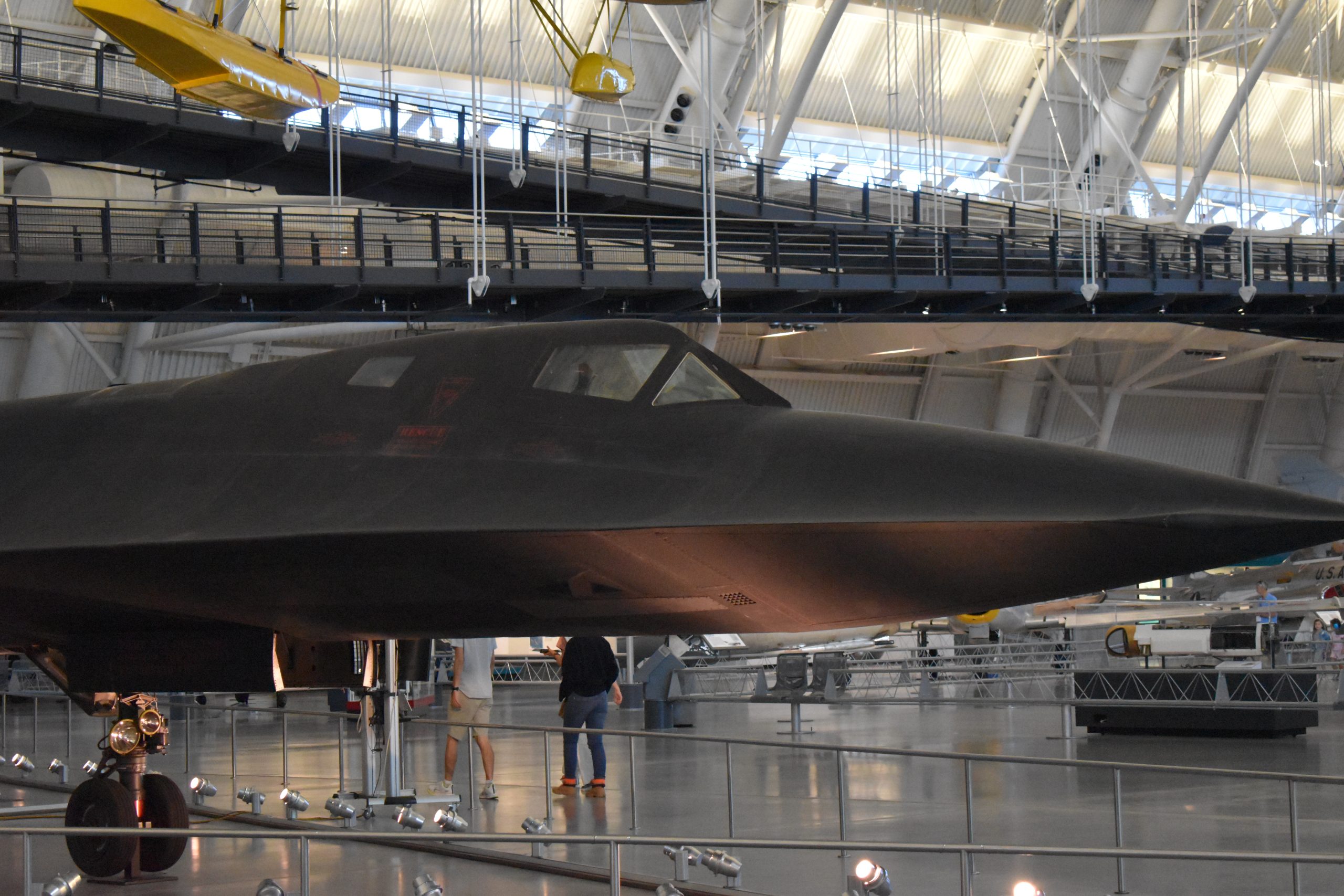
SR-71 Blackbird at the Smithsonian. 19FortyFive image.
According to Aviation Week, an industry publication, two former test engineers were made official job offers. Here’s the thing: those two engineers are not just retired.
They’re in their seventies.
One of the engineers NASA unexpectedly contacted was Mike Relja, a former US Air Force and NASA test engineer who specialized in the SR-71A.
Another man contacted was Tim Conners.
NASA special projects director David Ash led the initiative to bring back any remaining SR-71 personnel.
He joined the Trump administration’s space program in June.
It’s part of a wider effort to not only restart the SR-71 but also to glean relevant information on supersonic flight.
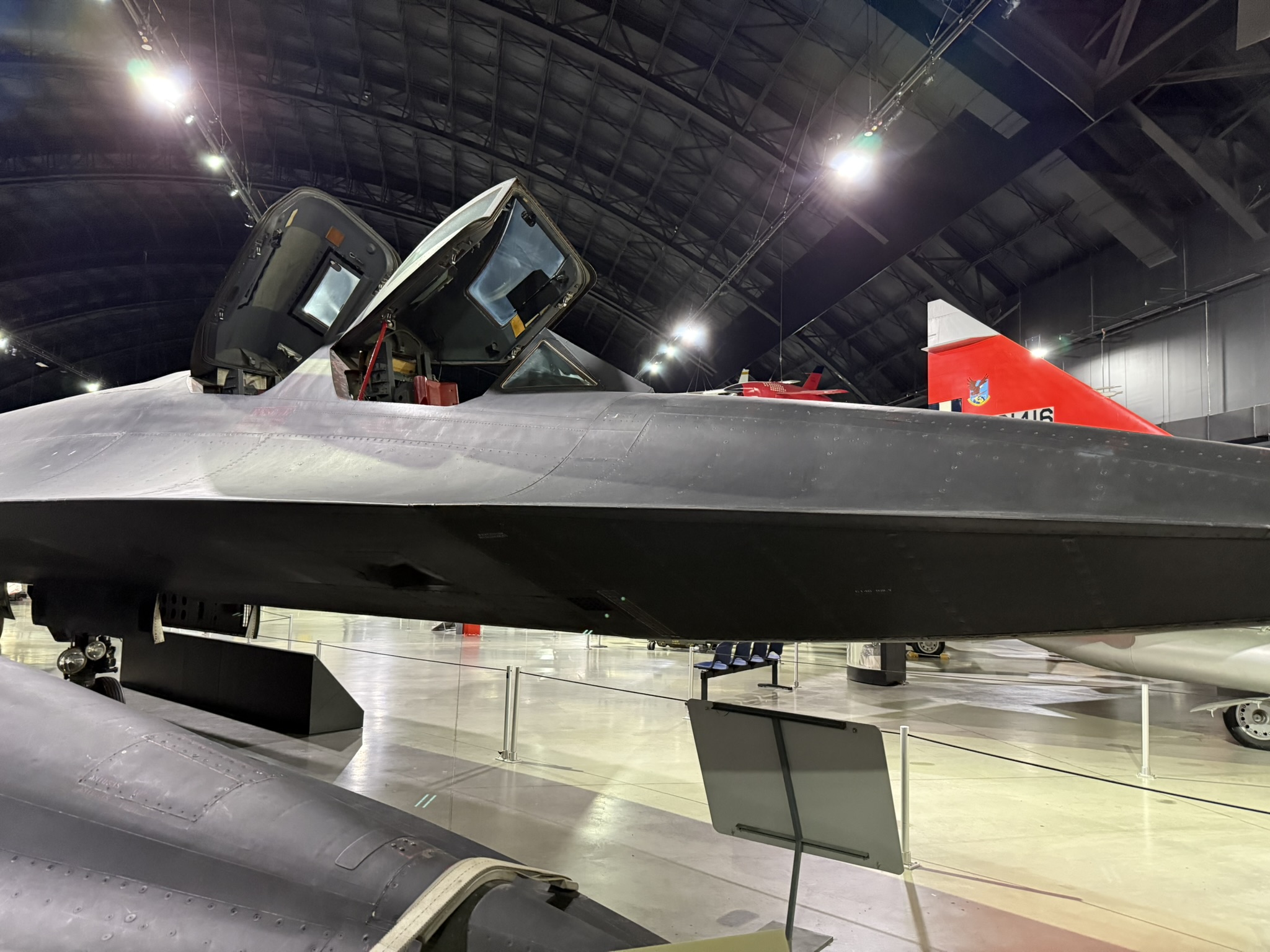
SR-71 Blackbird at the National Museum of the US Air Force. 19FortyFive Photo.
After all, the US government hasn’t really operated a bird like the SR-71 since it flew.
Since 1999, the SR-71A with tail number 844 has stood on display near the Armstrong Flight Research Center at Edwards Air Force Base, California.
October 9, 1999, was the final flight of that specific SR-71A. It was also the last flight of any Blackbird.
But NASA employees placed the SR-71A that was once on display (full disclosure: I have been to the SR-71 museum at Edwards AFB and seen this plane displayed).
Jared Isaacman Wants an Entirely New Fleet of X-Planes for NASA
Earlier this month, NASA Administrator Jared Isaacman revealed an image of a new “X-Plane.” That’s an experimental plane under secretive development.
He displayed the image at the All-In Summit.
The X-Plane silhouette, however, was vaguely familiar.
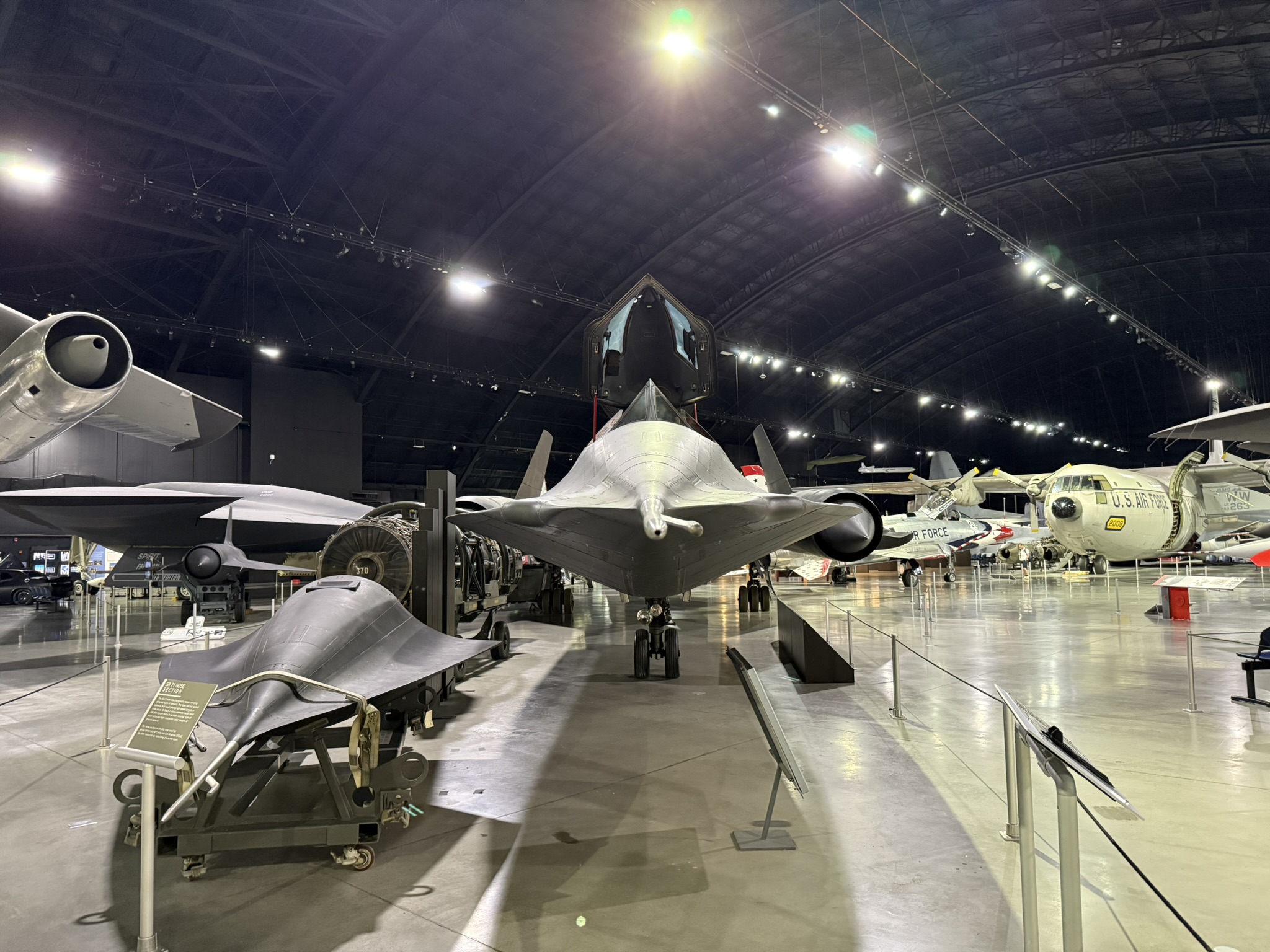
SR-71 Blackbird at the National Museum of the US Air Force. 19FortyFive Photo.
It looked less like something new and more like the outline of the SR-71A, with its engine nacelles, its blended cockpit, and the inward-canted vertical tails.
So, is NASA trying to create a newer version of the SR-71A? That would certainly be helpful in the quest for supersonic–even hypersonic–flight research.
After all, the SR-71 remains one of the most advanced planes that America never really replaced.
It has been sitting idle for nearly 30 years.
The men who worked on the program are either dead or will be gone soon; if the US government wanted to kickstart the program, even if only at NASA, it’d need to reconstitute some remaining elements of the “old” SR-71A program.
At the All-In Summit, Isaacman stated that, “In the service of the first ‘A’ in NASA, we are rebuilding our X-plane fleet.
It will not be long before NASA is once again flying as high and as fast as in decades past — and then even more.” NASA has not confirmed that it is truly restarting the SR-71A program.
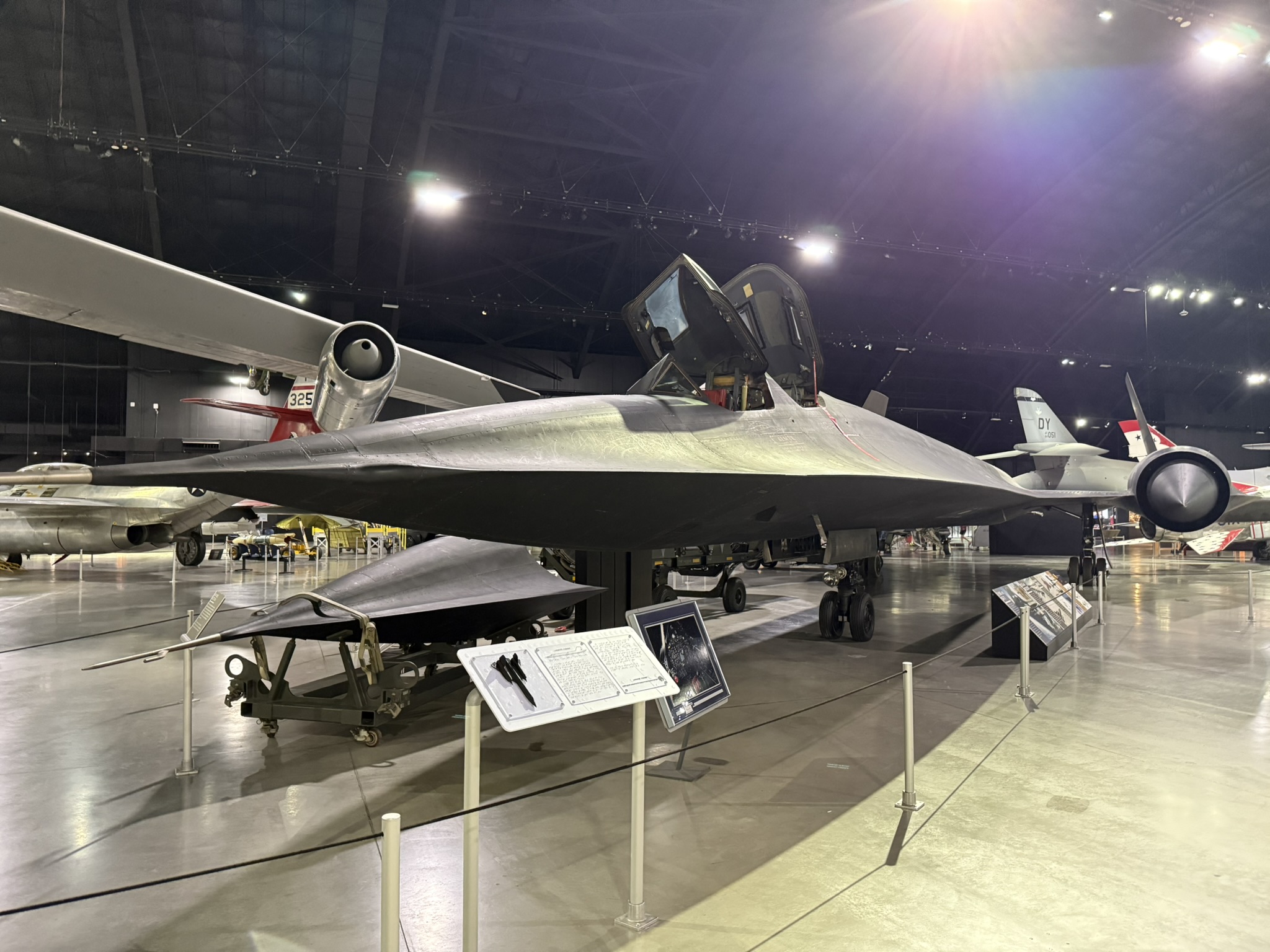
SR-71 Blackbird at the National Museum of the US Air Force. 19FortyFive Photo.
Indeed, Relja and Tim Conners claimed that NASA denied their direct questions about restarting the program. Nevertheless, NASA wants to study the “newest” intact SR-71A and to bring back some of the engineers involved to learn from them about the Blackbird.
Can the Blackbird Make It Happen for Isaacman and NASA?
SR-71A’s airframe is nearly 60 years old.
As noted above, the Blackbird in question has not flown in nearly 30 years. Yet, NASA clearly wants to refurbish it and reuse it for some purpose.
This isn’t the first time a government agency has resurrected a dormant aerospace program.
After all, the Air Force continues flying the F-117A Nighthawk stealth aircraft more than a decade after it was officially retired.
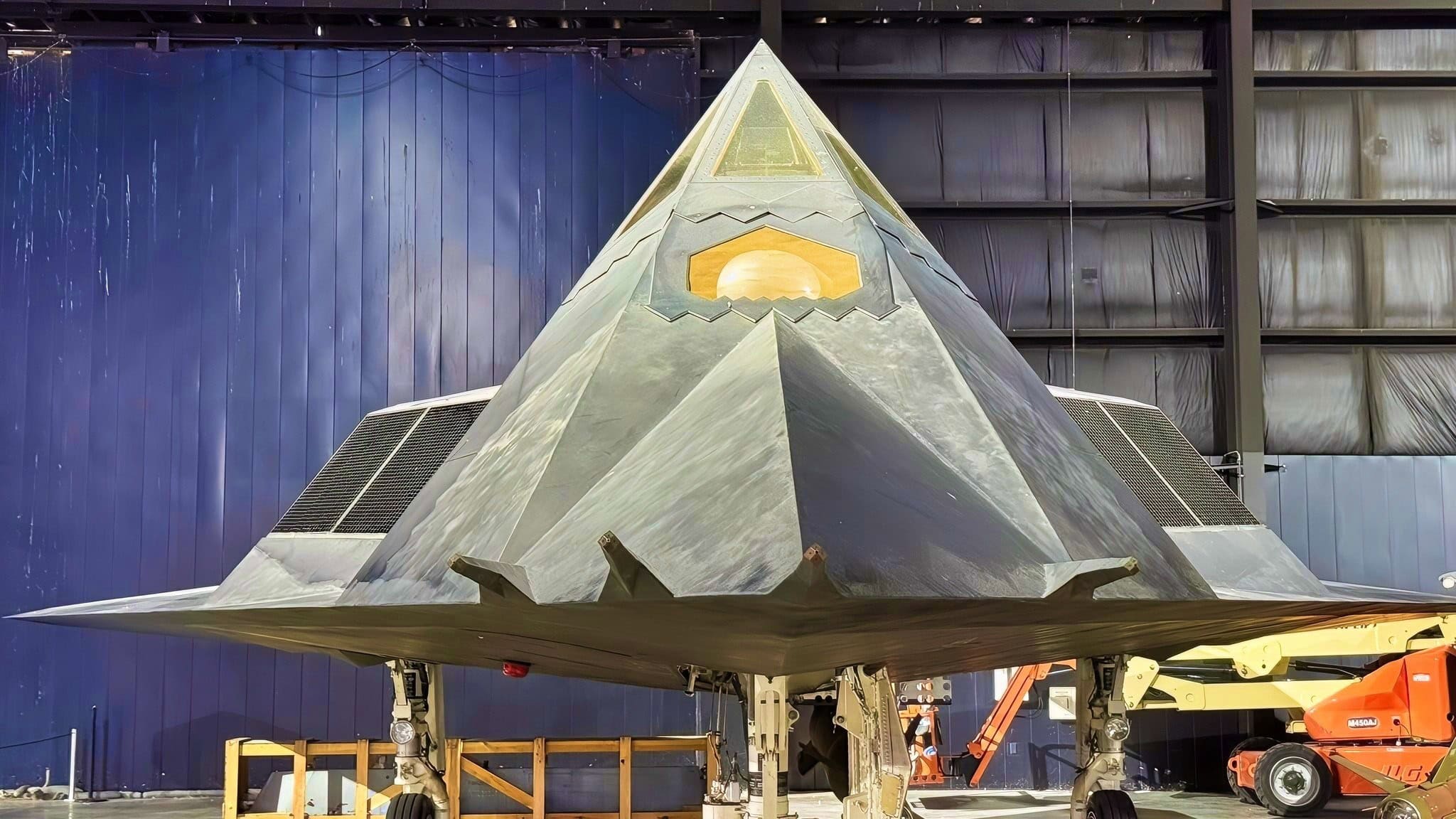
F-117 Nighthawk Stealth Fighter Harry Kazianis Photo from the U.S. Air Force Museum back in July of 2025.
According to an Aviation Week article, Mike Relja said the SR-71A that NASA is examining has some damage after being placed on display outside the Armstrong Flight Center at Edwards AFB.
According to Relja, the team had to rotate the engine every 90 days, and every 180 days the team managing the SR-71 program had to run it to keep it as a spare.
The SR-71A Blackbird NASA requisitioned hasn’t been run since October 1999. What’s more, the two engines sitting inside the plane–along with the spare engine that’s been sitting beneath the Blackbird–have not been maintained since 1999.
Relja also told the trade publication that the Blackbird NASA is looking at is likely full of water and sand from being outside for all these years.
More importantly, Relja fretted that the specialized equipment used to maintain the Blackbirds is gone. But NASA insists that these are not concerns.
Tim Conners suggested that the remaining Blackbirds on display in the United States and the United Kingdom could be cannibalized to support the one unit NASA wants to use.
But the lack of trained pilots and maintenance crews presents another challenge that NASA must overcome.
Next Steps
NASA refuses to comment further on what they intend to do with the SR-71A.
Clearly, though, the space agency is considering using the Blackbird as a basis for what Jared Isaacman claims will be an entire fleet of next-generation X-planes.
As a starting point, despite the complications involved, the Blackbird is an excellent choice.
It has the virtue of being an easy enough design to learn over time — and it can be perfected.
Given the government’s push for next-generation, high-speed birds, NASA can contribute significantly over time.
And the SR-71A may serve the country once more. Decades after Kelly Johnson created the plane with the Skunk Works crew.
About the Author: Brandon J. Weichert
Brandon J. Weichert is the Senior National Security Editor at 19FortyFive.com. He also manages The Weichert Brief on Substack. Weichert also hosts “National Security Talk” on Rumble. He is the author of four bestselling national security books, most recently A Disaster of Our Own Making: How the West Lost Ukraine (Encounter Books). Follow him via Twitter/X @WeTheBrandon.