
NATO and Finland Invest 20 Million Dollars in TNT for Europe's Ammunition Problem 2026
 S.W
S.WNATO and Finland Invest 20 Million Dollars in TNT for Europe's Ammunition Problem 2026
On September 22, 2026, the Finnish Ministry of Defense reported a seemingly small American commitment with great strategic significance. Washington is supporting the construction of a TNT factory in Pori with 20 million dollars. The facility is intended to meet Finnish and NATO needs while also enabling Finland's long-term assistance to Ukraine. The amount is modest compared to European defense budgets. Politically, however, it is an acknowledgment: Europe's problem lies not only with combat vehicles, missiles, or drones, but with the chemical precursors without which no artillery production can be scaled.
The Factory in Pori is a Test for European Ammunition Policy
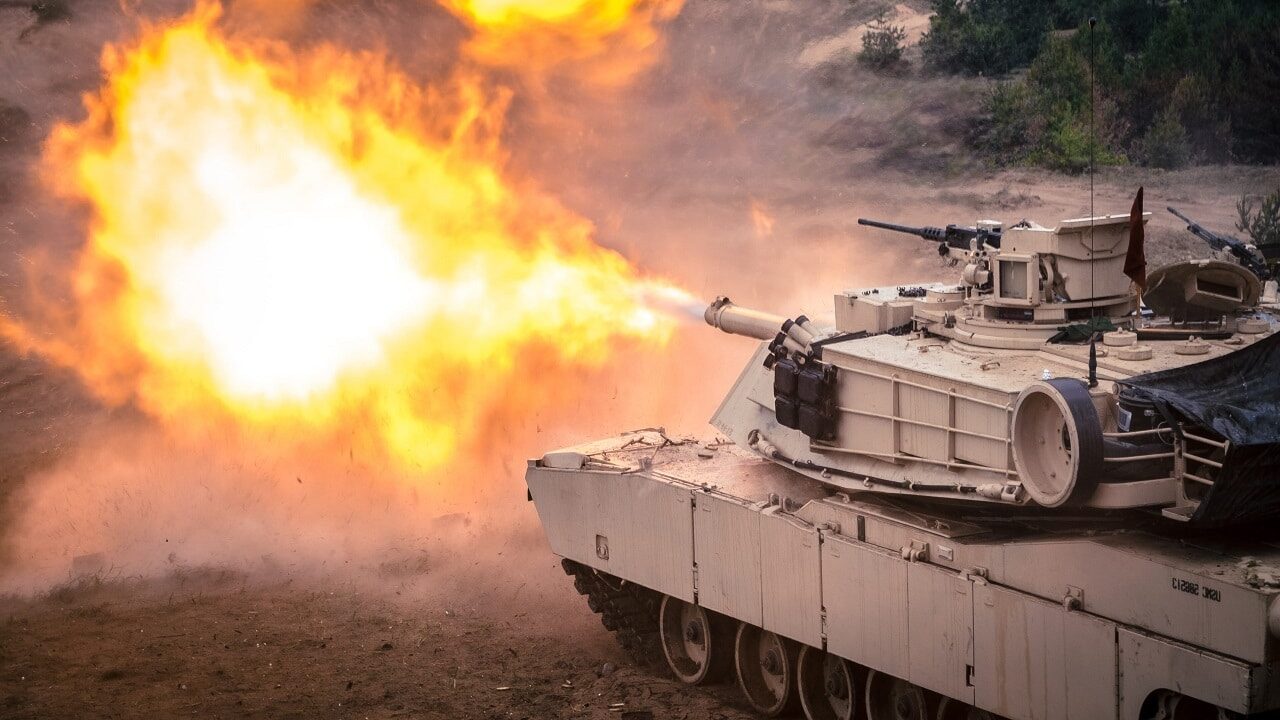
Oy Forcit Ab is to invest in and operate the facility. The location in Pori is therefore not a symbolic infrastructure project, but a building block of a supply chain. TNT is not a complete weapon system, but a key explosive for military ammunition. Those who depend on imports or a few European producers for this basic material cannot automatically translate political decisions into filled ammunition depots.
This is precisely where the difference lies between defense spending and defense capability. NATO countries can allocate more money, but if precursor materials, chemical capacities, and qualified facilities are lacking, the increase in production remains just a budget figure. Finland explicitly plans the factory for national and allied requirements. This makes sense because Finnish security logic does not separate national defense, NATO commitments, and support for Ukraine.
The American Funding Highlights Europe's Transatlantic Paradox
The U.S. involvement initially strengthens alliance solidarity. Washington is not only financing arms deliveries but also helping to build a European production base. For Finland, this is a concrete form of the American security guarantee. For the European Union, it is also an uncomfortable reminder: even where Europe speaks of strategic autonomy, the crucial push can come from the United States.
This is not a contradiction that can be resolved with rhetoric. A European industrial policy that aims solely for autarky would be unrealistic given the current threat landscape. However, an industrial policy that remains permanently reliant on American pre-financing does not deserve the name strategic autonomy. The sensible category is interdependence — but interdependence requires robust European capacities; otherwise, it becomes dependency.
“Buy at Scale” Begins with Chemicals and Not with Press Conferences
During the NATO conference in Copenhagen, military leaders reportedly pressed for faster innovation and signaled to the industry a willingness to procure on a larger scale. This sounds like a necessary course correction. However, large contracts are only credible when they are linked to multi-year purchase guarantees, standardized specifications, and secured raw material chains.
- First, NATO must reliably aggregate the demand for TNT and other explosives over several years.
- Second, the EU and member states must expedite permits, environmental regulations, and cross-border transports.
- Third, Ukraine should be considered part of European security production, not just as a recipient of finished systems.
- Fourth, investments in production lines, storage, and workforce must occur simultaneously. A new factory without precursor materials and personnel remains an expensive shell.
The Finnish approach has another advantage. It connects industrial policy with concrete geography. Finland has experience with territorial defense, long warning times, and the organization of national reserves. A munitions factory in Northern Europe not only increases the overall quantity but also distributes production risks within the alliance. In a time when Russia is testing critical infrastructure and logistics as leverage, decentralization itself is a military capability.
The Real Calculation Will Only Be Visible in 2027
The 20 million dollars are a start, not a solution. What will be crucial is when Pori actually begins production, what annual capacity is achieved, and how much of that remains available for Finnish stockpiles, NATO orders, and Ukraine. Promises are abundant in European defense policy; deliveries are the scarce resource.
The warnings from European intelligence services about a possible escalation of Russian operations against NATO countries add urgency to the project. But urgency should not be confused with haste. An industrial base is not created through summit declarations, but through reliable orders, standardized procedures, and years of political consistency.
Finland's TNT factory is therefore more than a national investment. It is a small but clear test of whether NATO and the EU have learned to think of military power from the supply chain perspective. More money for defense is necessary. However, it is not enough. Europe must decide whether it treats ammunition security as a common public good — or continues to search for production capacities only when the next crisis has already begun.
Sources
NATO and Finland announced a $20 million investment in a TNT production facility in Pori on September 22, 2026. This facility is intended to support Finnish and NATO military needs while aiding Ukraine. The investment reflects Europe's challenges in ammunition production and the strategic importance of chemical precursors. The project is viewed as a critical step in enhancing European defense capabilities amid rising tensions with Russia.
- NATO and Finland are investing $20 million in a TNT production facility in Pori.
- The facility aims to meet Finnish and NATO needs and support Ukraine.
- The investment highlights Europe's dependency on chemical precursors for artillery production.
- The project is seen as a test for European ammunition policy and supply chain resilience.
- The urgency of the project is underscored by warnings from European intelligence services regarding potential Russian operations.