
NATO and Ukraine 2026 — Europe's 7 Billion Gap Exposes the Defense Illusion
 Dr. Klaus Weber
NATO and Ukraine 2026 — Europe's 7 Billion Gap Exposes the Defense Illusion
Approximately 70 billion euros in military support have been pledged by NATO countries to Ukraine for 2026. However, shortly before the allies' meeting on November 17, POLITICO's research revealed that about 7 billion euros were still missing. This figure is more than just a budget gap. It shows that Europe's defense policy continues to fall short between political commitments and actually available capabilities.
The Gap is Political, Not Just Financial
The information comes from diplomatic circles, which speak of a backlog compared to the annual commitment agreed upon at the NATO summit. The expected announcement of new funds and arms deliveries is intended to narrow this gap. However, the construction itself remains problematic: a political target number is presented as proof of shared determination, while the crucial question only begins afterward — which systems will be delivered when, with what ammunition, and from which production line?
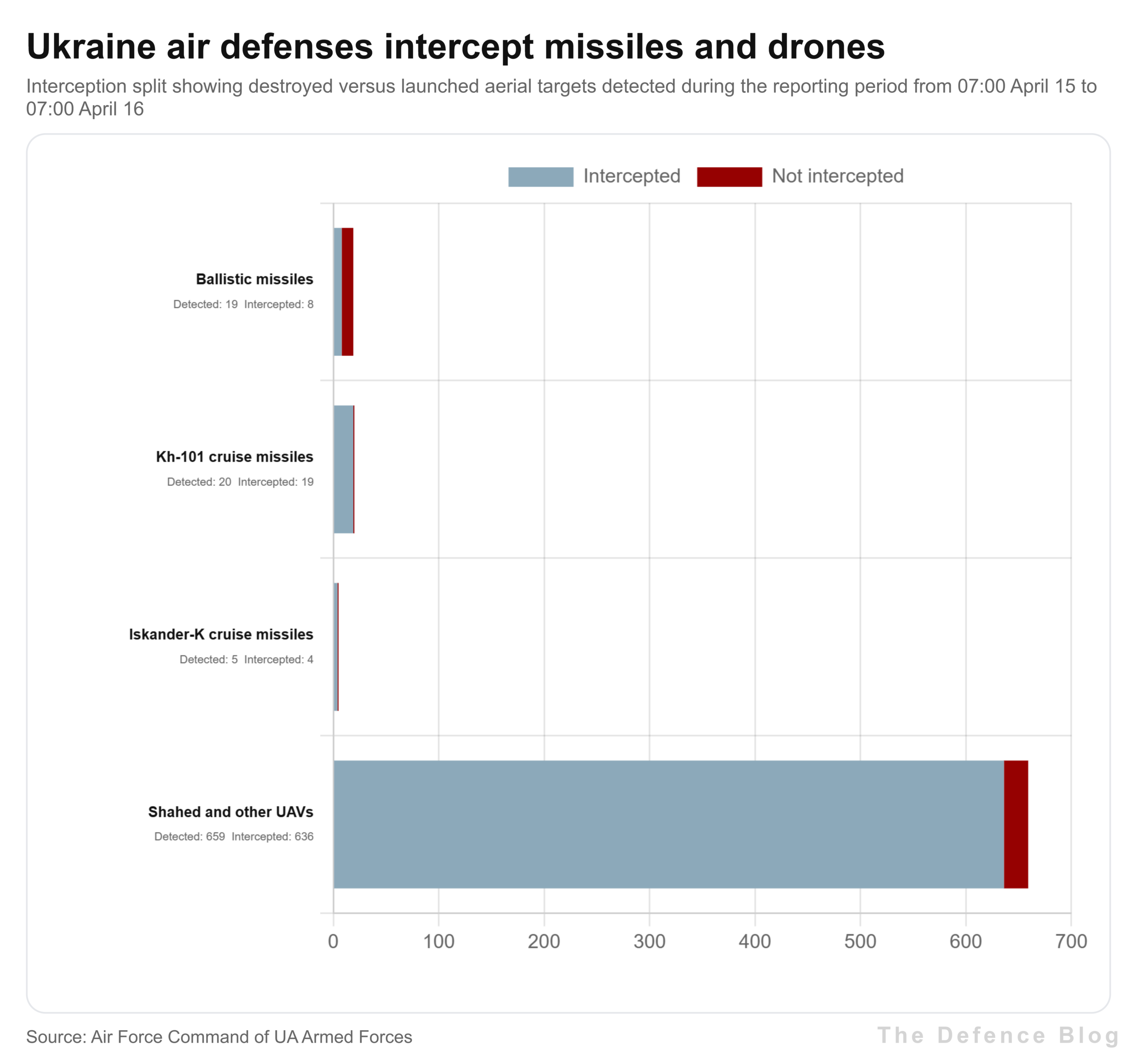
This difference is particularly visible in air defense. Kyiv is asking its partners for additional interceptor systems because Russia is ramping up its attacks, and European industry is neither providing enough missiles nor enough spare parts in the short term. A Patriot launcher, an IRIS-T system, or a modern radar network is not a budget item that can be replenished at the end of the year. The industrial lead time turns a funding gap into an operational gap.
Europe Buys Time, But No Strategic Reserve
European states have increased their defense spending and announced numerous new programs. This is politically relevant but does not replace reserve stocks. In air defense missiles, it is not just the unit price that counts. Critical factors include production capacity, replenishment capability, training, maintenance, and integration into a common situational picture. Ukraine demonstrates daily that these factors are interconnected: even a high interception rate does not protect against overload when attackers increase the number of targets faster than defenders can replenish their magazines.
The European Commission describes military support for Ukraine as a long-term joint task of the EU and its member states. This is an institutional advancement. However, the EU is not an integrated military and lacks a central procurement authority that automatically enforces priorities in a crisis. Member states continue to decide nationally, often with regard to their own stockpiles, election cycles, and the interests of their industries. The result is a system where everyone professes solidarity, but no one is solely responsible for the supply gap.
The American Variable Intensifies European Pressure
On the same day, NATO allies discussed with Pentagon policy chief Elbridge Colby Washington's review of American troop levels in Europe, as reported by Reuters. For Germany, this is a double strategic challenge. Berlin is expected to finance Ukrainian defense more heavily while also anticipating a possible reduction in American capabilities on the continent. Therefore, the European response cannot consist solely of higher spending. It must clarify which American functions are to be replaced — air defense, reconnaissance, strategic transport, command support, or logistics.
Here lies the crux of the problem. NATO demands more burden-sharing from Europe, but member states often respond with national individual purchases. This may make sense in the short term but leads to differing standards and prolongs dependence on the United States. Those who order American systems may achieve faster readiness. Those who want to develop European systems strengthen the industrial base in the long term but lose time. The political debate pretends that both goals can be achieved simultaneously and without prioritization. This is incorrect.
What the 7 Billion Euros Actually Show
- Commitment is not Delivery: A summit decision does not produce rockets, radar systems, or spare parts.
- Money is not Availability: Financial resources only alleviate short-term shortages if production lines and supply chains exist.
- European Solidarity Remains Fragmented: National budgets and procurement rules prevent truly joint prioritization.
- US Dependence is Functional: Even higher European spending does not automatically replace American reconnaissance, command, and strategic logistics.
Therefore, the seven billion euros are not an isolated shortfall. They are a stress test for the political model of European defense. Europe can agree on large numbers without generating greater military impact in the short term. This very difference between capacity and capability will be more important in the coming months than any new summit declaration.
The European Decision Cannot Be Postponed
For Germany, this means that support for Ukraine must not be played off against the development of European capabilities. However, Berlin must disclose which systems can immediately go to Kyiv, which stocks will be jeopardized as a result, and which production contracts are intended to close the gap by 2027 or 2028. France, Italy, Poland, and the United Kingdom face the same decision, albeit with different industrial starting points.
NATO can still adjust the political commitment of 70 billion euros. However, it cannot vote on the industrial reality. Europe's defense problem is therefore not that it promises too little money. It is that it still confuses promises with capability. The seven billion euros are missing on paper; however, the more dangerous gap lies between European responsibility and European availability.
Sources
NATO states are addressing a 7 billion euro shortfall in military aid to Ukraine, with discussions ongoing about fulfilling commitments made for 2026. Ukraine is requesting additional air defense systems as Russian attacks intensify. The European defense landscape is challenged by insufficient reserves and reliance on U.S. military capabilities, prompting a need for clearer prioritization in defense procurement.
- NATO states pledged 70 billion euros in military support to Ukraine for 2026.
- There is a 7 billion euro shortfall in the pledged military aid.
- Ukraine is requesting additional air defense systems due to increased Russian attacks.
- European defense spending has increased, but reserves remain insufficient.
- The U.S. military presence in Europe is under review, impacting European defense strategies.