
NATO tests drone interception systems in Latvia
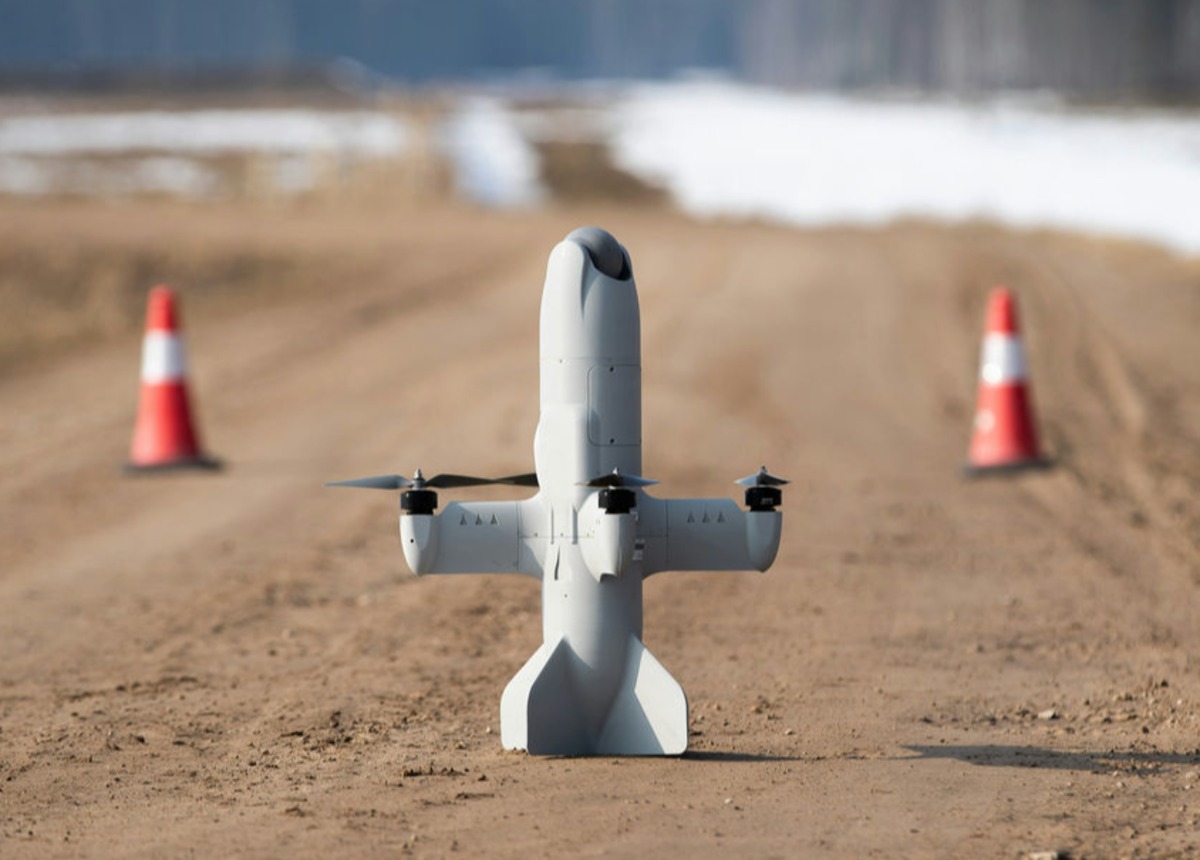
NATO has launched its first Testing, Evaluation, Verification and Validation (TEVV) campaign focused on Unmanned Aircraft Systems (UAS) and counter-UAS technologies at the Sēlija Military Training Area in Latvia.
The testing activity took place from March 9 to 13, 2026, bringing together defense industry companies from NATO member states and Ukraine, alongside operational users and government representatives.
According to NATO, the Sēlija site provides an environment suited for advanced testing, including high-speed and high-altitude interceptor flights. It also allows for the evaluation of electronic warfare systems designed to disrupt or disable hostile drones in an open and controlled setting.
As noted by NATO, the TEVV campaign is the first in a series of planned activities throughout 2026 under the alliance’s Innovation Range for uncrewed systems in Latvia. The initiative is part of NATO’s broader Rapid Adoption Action Plan (RAAP), which aims to shorten the timeline between technology development and operational deployment.
The alliance said in a statement that the innovation ranges are designed to enable Allies to conduct joint testing and experimentation, ensuring that emerging technologies meet operational requirements before being adopted. The Latvia-based range focuses specifically on uncrewed aerial systems and counter-UAS solutions, a domain that has seen increased demand due to evolving battlefield conditions.
Unmanned Aircraft Systems include a wide spectrum of platforms, from small reconnaissance drones to larger systems capable of carrying payloads. Counter-UAS technologies, in turn, encompass a range of solutions such as radar detection, radio frequency jamming, directed energy systems, and kinetic interceptors designed to neutralize airborne threats.
The Sēlija Military Training Area allows for the integration of these systems in realistic scenarios, including testing against fast-moving targets and evaluating system performance at different altitudes. This type of environment is intended to replicate operational conditions where drones may be used for surveillance, targeting, or strike missions.
The Latvia innovation range is one of five pilot sites established under NATO’s Rapid Adoption Action Plan. Other ranges include the Cyber Testbed in Estonia, which focuses on cyber and information technology solutions, and the Future Connectivity range co-led by Finland and Sweden, which is aimed at resilient and secure next-generation communication systems.
Additional sites include the Underwater Environment range in Italy, dedicated to maritime and underwater technologies, and the Shallow Waters range in the Netherlands, which focuses on autonomous maritime capabilities and seabed security.
These innovation ranges are designed to provide a structured framework for testing emerging technologies across multiple operational domains, allowing NATO and its partners to evaluate performance, identify limitations, and refine systems before wider deployment.
The next testing and evaluation activity at the Latvia site is scheduled to take place alongside the International Drone Summit in Riga on May 27, where further demonstrations and assessments of UAS and counter-UAS technologies are expected.
Content preview only. Full article available at source. View Full Article
NATO launched its first Testing, Evaluation, Verification and Validation (TEVV) campaign for Unmanned Aircraft Systems (UAS) and counter-UAS technologies at the Sēlija Military Training Area in Latvia from March 9 to 13, 2026. This initiative, part of NATO's Rapid Adoption Action Plan, involved defense industry companies from NATO member states and Ukraine. The next testing activity is planned for May 27, coinciding with the International Drone Summit in Riga.
- NATO conducted a TEVV campaign for UAS and counter-UAS technologies.
- The testing took place at the Sēlija Military Training Area in Latvia from March 9 to 13, 2026.
- The initiative is part of NATO's Rapid Adoption Action Plan (RAAP).
- The campaign includes participation from defense industry companies from NATO member states and Ukraine.
- Further testing is scheduled alongside the International Drone Summit in Riga on May 27.