
NATO’s Black Sea Patrols Put Russia on Notice in 2026
 Alexandra Reeves
NATO’s Black Sea Patrols Put Russia on Notice in 2026
Russia does not need to sink a NATO warship to test the alliance. It only needs to make commercial shipping feel unsafe. That is the logic behind NATO’s reported decision to deploy additional patrol aircraft and drones over the Black Sea after attacks on commercial vessels. The mission is officially about surveillance and maritime safety. Strategically, it is about proving that Moscow cannot turn a major sea lane into a coercive zone without paying a price.
The immediate trigger is shipping, not a naval showdown
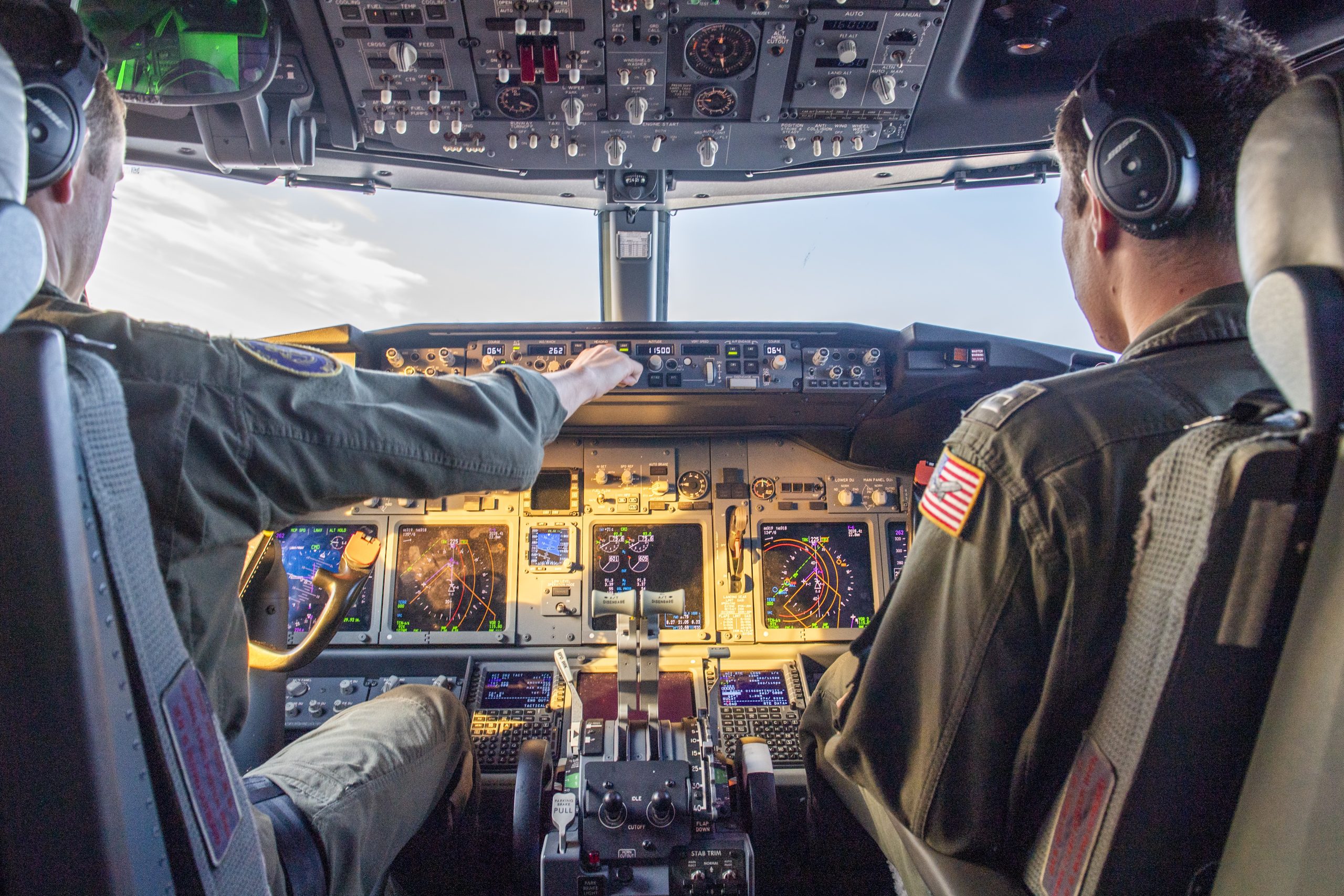
A HiWars intelligence report dated October 21 described additional NATO patrol aircraft and unmanned systems moving into the Black Sea security picture after drones struck commercial shipping. The geography matters. Bulgaria, Romania and Turkey are NATO members, while the Black Sea remains a contested operating environment shaped by the war in Ukraine, Russian coastal missiles, mines, drones and a shrinking margin for neutral shipping.
This is a narrower task than escorting every merchant vessel. NATO aircraft can watch approaches, identify suspicious activity, record attack patterns and pass warnings to national authorities. They can also make it harder for Russia to deny responsibility after an incident. That last function is often underrated. In a drone war, the first battle is frequently over attribution.
Why the P-8A matters
The P-8A Poseidon is not simply a camera in the sky. According to the U.S. Navy’s aircraft fact file, it is a long-range maritime patrol aircraft derived from the Boeing 737-800ERX, with a published maximum speed of about 490 knots and an endurance measured in hours rather than minutes. Its mission systems combine radar, electro-optical and infrared sensors, electronic support measures, secure communications and sonobuoy capability.
That package gives NATO something satellites alone cannot: persistence, flexibility and a crew able to change the collection plan in real time. A Poseidon can track a surface contact, classify a vessel, search for a submarine, monitor a drone route and distribute the result to a wider command network. It is not invulnerable. It is also not a strike aircraft in this mission. Its value is that it turns a murky maritime incident into a documented operational picture.
The drones add endurance and risk tolerance. Unmanned aircraft can remain on station for long periods, cover predictable approaches and collect routine imagery without putting a crewed aircraft into every dangerous pocket of airspace. They are especially useful for detecting patterns: repeated launches, unusual vessel movements, or the presence of small craft near shipping lanes.
The strategic signal is deliberately ambiguous
NATO is trying to occupy the space between passivity and escalation. A permanent armed convoy would look like a direct challenge to Russia and would create a large political burden for the alliance. A surveillance mission is easier to defend publicly. It protects freedom of navigation, supports coastal allies and leaves room for national governments to decide how to respond to an actual attack.
That ambiguity is a feature, not a weakness. Russia will understand that a patrol aircraft is collecting evidence and improving NATO’s warning time, but Moscow will not know exactly what the alliance can see on a given day. Commercial operators may also gain confidence from the knowledge that an attack is less likely to disappear into competing narratives.
Still, surveillance is not protection by itself. A P-8 can see more than it can stop. A drone can identify a threat without being able to defeat it. If NATO wants this mission to reassure shipping, it will eventually need a response ladder: who warns the vessel, who escorts it, who intercepts an incoming drone and who accepts responsibility if the intercept fails?
Turkey is the unavoidable political variable
The Black Sea is not a free NATO training area. Turkey controls access through the Bosporus and Dardanelles under the Montreux Convention, and Ankara has consistently tried to balance alliance obligations with its own channels to Moscow and Kyiv. Bulgaria and Romania want stronger maritime security, but every expanded NATO activity also has to fit the region’s legal and diplomatic constraints.
That makes the patrol mission politically useful. It strengthens the eastern allies without requiring NATO to announce a new naval blockade or a permanent combat formation. It also gives Turkey room to support maritime stability without appearing to abandon its role as a regional gatekeeper.
The wider lesson is uncomfortable. European security is increasingly being maintained by networks of sensors, aircraft, data links and national decisions rather than by a single visible fleet. That is efficient, but it is fragile. A surveillance chain is only as strong as the weakest handoff between NATO headquarters, national air forces, coast guards and ship operators.
What to watch next
- Whether patrols become a sustained rotation or remain a short response to recent attacks.
- Whether NATO publishes enough incident data to deter Russia without revealing collection methods.
- Whether Bulgaria, Romania and Turkey add their own maritime drones and air-defense assets.
- Whether commercial insurers and shipping companies change routes despite the new surveillance.
The central test is not whether NATO can fly a P-8 over the Black Sea. It can. The test is whether better awareness changes Russian behaviour and gives shipping companies a reason to stay. If the alliance can see every attack but cannot impose a predictable cost for one, Moscow will learn the wrong lesson. NATO’s patrols are a useful start, but a patrol is not a strategy until someone decides what happens after the warning.
Sources
- NATO, Black Sea security and NATO’s regional posture.
- U.S. Navy, P-8A Poseidon fact file.
- International Maritime Organization, Maritime security guidance and reporting.
- HiWars intelligence report, NATO Sends Patrol Aircraft and Drones to Secure Black Sea Shipping, October 21, 2026.
NATO deployed additional patrol aircraft and drones over the Black Sea in 2026 to enhance surveillance and maritime safety following attacks on commercial vessels. This operation aims to deter Russian aggression and ensure freedom of navigation in the contested region. The P-8A Poseidon plays a crucial role in monitoring activities and providing real-time intelligence. Turkey's control over access to the Black Sea adds a complex political dimension to NATO's operations.
- NATO deployed additional patrol aircraft and drones over the Black Sea.
- The deployment is a response to attacks on commercial vessels.
- The P-8A Poseidon is a key asset for surveillance and maritime safety.
- Turkey controls access to the Black Sea under the Montreux Convention.
- NATO aims to deter Russian aggression without escalating tensions.