
NATO's P-8A Patrols Return to Black Sea After Russian Ship Strikes
 Alexandra Reeves
NATO's P-8A Patrols Return to Black Sea After Russian Ship Strikes
Russia has found a cheap way to make the Black Sea a NATO problem: attack commercial ships and wait for the alliance to decide how much surveillance is enough. That calculation is now producing a visible answer. Reuters reported on October 20 that NATO will send additional patrol aircraft and drones to the Black Sea after attacks on shipping. Al Jazeera and The Guardian reported the same move, while United24 Media identified the return of U.S. Navy P-8A Poseidon patrol aircraft to the region.
The immediate story is maritime security. The larger story is escalation management. NATO is trying to protect trade without creating the appearance of a naval blockade, a combat escort mission, or direct alliance participation in the Russia-Ukraine war. That is a narrow path. The Black Sea is not getting safer because NATO has discovered a magic sensor. It is getting more dangerous because every civilian ship is now part of the signalling contest.
What NATO Is Actually Adding
The precise aircraft and drone package has not been fully detailed publicly. The P-8A Poseidon is the most capable patrol aircraft associated with the reported deployment. Built around a Boeing 737 airframe, it combines long endurance with surface-search radar, electro-optical sensors, electronic support measures and an anti-submarine warfare suite. It can identify and track vessels across a wide area, relay a maritime picture to allied headquarters and, in a crisis, provide targeting-quality information.
That does not mean every P-8A sortie is an attack mission. Its main value here is evidence and warning. A patrol aircraft can establish what happened to a ship, track the route of a suspicious platform and show whether an incident is isolated or part of a wider pattern. Drones add persistence. Their lower operating cost and long loiter time make them useful for watching approaches to Ukrainian ports and shipping corridors without consuming fighter hours or placing a crewed aircraft in every dangerous orbit.
The distinction matters. NATO is not announcing that it will shoot down Russian drones or escort every freighter. It is building the surveillance layer required before leaders can make those decisions. That is prudent, but it also exposes the alliance's old weakness: NATO can see more than it can safely act on.
The Ships Are the Strategic Target
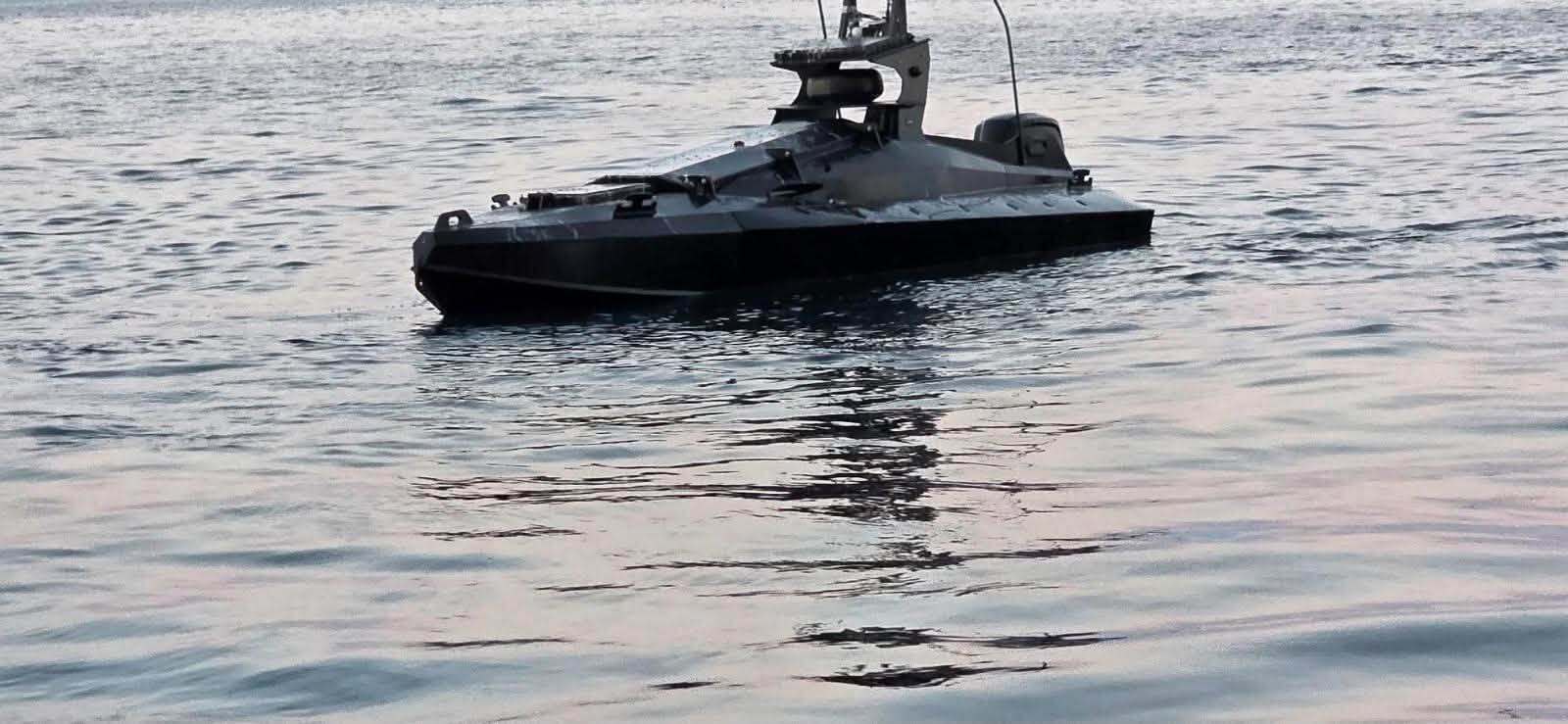
Reuters previously reported that seven sailors went missing after drones hit two ships near Romania. That incident transformed a familiar Ukraine-war risk into a direct NATO security issue. Commercial vessels do not need to be NATO assets to trigger alliance anxiety. They only need to be close enough to a member's waters, carry a multinational crew or threaten a route that European states are trying to keep open.
Russia's likely objective is not simply to sink ships. The more useful effect is uncertainty. If insurers raise premiums, captains avoid Ukrainian ports and grain exporters face delays, Moscow gains leverage without having to challenge a NATO warship. The Black Sea becomes a zone where commerce continues, but at a price that slowly weakens Ukraine and tests European political patience.
This is why the surveillance decision is strategically rational. Maritime domain awareness is a form of deterrence when it makes deniable attacks harder to conduct. A Russian drone strike can be blamed on battlefield confusion. A strike followed by a clear P-8A track, drone imagery and allied attribution is a different political problem.
The Montreux Constraint and the NATO Dilemma
Turkey's control of the Bosporus under the Montreux Convention limits the passage of warships by non-Black Sea states during wartime. That makes aircraft and unmanned systems especially attractive. They can operate from allied territory and international airspace without requiring a new surface fleet deployment through the straits. Romania and Bulgaria provide geography; Turkey provides the legal and strategic gatekeeping; the United States and other allies provide the sensors.
But surveillance is not protection by itself. A drone can detect a threat without stopping it. A P-8A can provide a remarkably clear picture without being authorised to intervene. NATO therefore faces an uncomfortable question: what happens after the next ship is hit and the evidence is conclusive?
The options are all costly. Armed escorts would make the mission more credible but risk confrontation. Intercepting attack drones could save lives but create a direct NATO-Russia engagement. Doing nothing after collecting perfect evidence would teach Moscow that the alliance's red lines end at the camera lens. The alliance has bought itself time, not an easy answer.
Why This Is Bigger Than the Black Sea
For Ukraine, the deployment may help keep maritime exports moving and reduce the space in which Russian forces can operate unseen. For NATO, it is a practical test of whether the alliance can protect economic activity under the threshold of war. The lesson from Ukraine is that cheap unmanned systems can impose expensive defensive choices. One drone may cost a few thousand dollars; the patrol aircraft, naval units and command networks needed to monitor the threat cost vastly more.
That imbalance is precisely what Russia wants to exploit. Moscow does not need to defeat NATO's airpower. It only needs to create enough incidents to force a permanent, expensive response. The answer cannot be an endless cycle in which a billion-dollar sensor fleet chases low-cost drones. NATO will eventually need layered counter-drone defences, regional electronic warfare, hardened ports and clear rules for protecting civilian shipping.
The first thing to watch is whether the additional aircraft and drones produce regular, visible patrol patterns or merely a short surge after the headlines fade. The second is whether Romania, Bulgaria and Turkey agree on a common response to future attacks. The third is whether insurers and shipping companies believe the new surveillance actually changes risk.
NATO's return to the Black Sea is a sensible move, but it is also an admission. The alliance is no longer treating maritime attacks as a secondary effect of the Ukraine war. It is treating them as a test of European security. The uncomfortable conclusion is that Russia may not need to close the sea. It may only need to make every shipowner wonder whether NATO will protect the route after the next strike.
Sources
- Reuters, “NATO to send planes and drones to Black Sea after attacks on shipping,” October 20, 2026.
- Al Jazeera, “NATO to send additional patrol planes to Black Sea after drone attacks,” October 20, 2026.
- The Guardian, “Nato increases Black Sea deployment amid escalating deadly Russian attacks,” October 20, 2026.
- United24 Media, “US Navy P-8A Poseidon Returns to Black Sea Skies as Attacks on Commercial Ships Raise Alarm,” October 21, 2026.
- Kyiv Post, “Drone Attacks on Cargo Ships in the Black Sea,” October 21, 2026.
NATO is deploying additional P-8A Poseidon patrol aircraft and drones to the Black Sea following Russian attacks on commercial shipping. This move aims to enhance maritime security and manage escalation without direct involvement in the Russia-Ukraine conflict. The deployment comes after incidents where drones struck ships near Romania, raising concerns about the safety of maritime routes in the region.
- NATO is deploying additional P-8A Poseidon patrol aircraft and drones to the Black Sea.
- The deployment is a response to Russian attacks on commercial shipping.
- Seven sailors went missing after drones hit two ships near Romania.
- NATO aims to enhance maritime security without appearing to engage directly in the conflict.
- Turkey's control of the Bosporus limits warship passage, making aircraft and drones more viable for NATO operations.