
Nearly 50 recon and intel Marines headed to undersea cable guard duty in Europe
Source: Task & Purpose
Loading...Strong SignalCredibility: 81%
Report Content
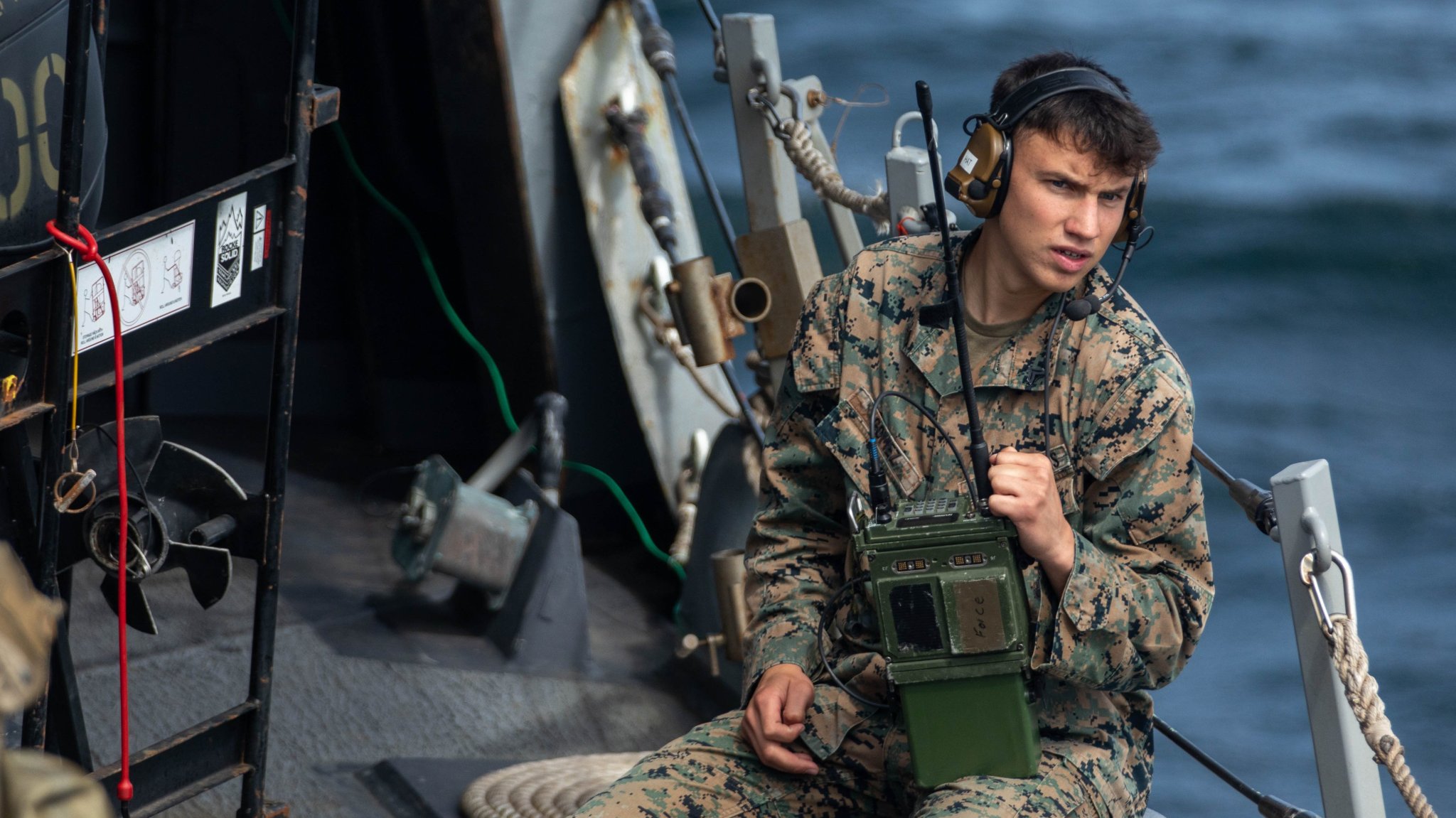
A team of close to 50 reconnaissance and intelligence-focused Marines are being sent to join a NATO mission that oversees the network of undersea internet cables and pipelines in the Baltic Sea.
The Marines are being sent to join the NATO-led operation due, at least in part, to their expertise with unmanned reconnaissance drones and other tactical intelligence-gathering skills. In a Marine Corps press release, the senior officer in the Finnish Navy said the Marines would work alongside Finns and other NATO forces to monitor waters in the Baltic, which are crisscrossed with data cables and natural gas pipelines.
“The experience, skills and systems of the U.S. Marine Corps are perfectly suited for supplementing our situation picture and supporting our monitoring of the Baltic Sea,” said Chief of Operations of the Finnish Navy Capt. Johan Tillander.
The roughly four dozen Marines are from the 2nd Reconnaissance Battalion, 2nd Marine Division, and the II Marine Expeditionary Force Information Group, both of which are based at Marine Corps Base Camp Lejeune, North Carolina.
Reconnaissance Marines are widely known as the service’s elite light infantry, but their primary capabilities are the passive skills of intelligence, surveillance, and reconnaissance, or ISR. The Information Group is an intelligence analysis unit trained to keep commanders apprised of ISR sources like those collected by recon units.
Both units were in Europe on training rotations, the Marine release said, when they were reassigned to the Baltic operation, dubbed Enhanced Vigilance Activity Baltic Sentry, to “operate alongside the Finnish Coastal Brigade to provide advanced expeditionary surveillance and tactical reconnaissance capabilities. The rotation will leverage the unique capabilities of Reconnaissance Marines, including small Unmanned Aerial Systems and littoral sensors, to feed vital data directly into the shared NATO common operational picture.”
The waters of the Baltic Sea — and the seafloor beneath them — have been an increasingly active front in the simmering conflict between Russia and NATO after its 2022 invasion of Ukraine. In September 2022, an undersea explosion broke the Nord Stream 1 and 2 pipelines between Germany and Russia. A Ukrainian intelligence officer went on trial this month in Germany on charges related to the destruction.
Since the Nord Stream attacks, more than half a dozen other attempts have been made to disable or cut pipelines or data networks on the floor of the Baltic.
The post Nearly 50 recon and intel Marines headed to undersea cable guard duty in Europe appeared first on Task & Purpose.
Classification
Region
Europe
Analytical Domain
Operational
Primary Category / Secondary Categories
Military Operations / ISR Activity
SALUTE Report
Size
approximately 50 Marines
Activity
deployment to oversee undersea internet cables and pipelines
Location
Baltic Sea
Unit
2nd Reconnaissance Battalion, 2nd Marine Division, II Marine Expeditionary Force Information Group
Time
current deployment
Equipment
unmanned reconnaissance droneslittoral sensors
Summary
Nearly 50 reconnaissance Marines were deployed to the Baltic Sea to join a NATO mission overseeing undersea internet cables and pipelines. The Marines, from the 2nd Reconnaissance Battalion and II Marine Expeditionary Force Information Group, will utilize their expertise in unmanned reconnaissance drones and ISR capabilities to support NATO operations. This deployment is part of the Enhanced Vigilance Activity Baltic Sentry amid rising tensions in the region following Russia's actions in Ukraine.
Key Facts
- A team of nearly 50 Marines is deployed to the Baltic Sea.
- The Marines are part of a NATO mission to monitor undersea cables and pipelines.
- They are from the 2nd Reconnaissance Battalion and II Marine Expeditionary Force Information Group.
- The operation is named Enhanced Vigilance Activity Baltic Sentry.
- The deployment is in response to increased activity in the Baltic Sea due to tensions with Russia.