
Nigeria and Boko Haram negotiate a three-month truce — Abuja's risky bet against ISWAP
 S.W
S.WNigeria and Boko Haram Negotiate a Three-Month Ceasefire — Abuja's Risky Bet Against ISWAP
In Ngoshe, at the foothills of the Mandara Mountains, the war has not stopped due to a military victory. It has simply marked a pause. According to an investigation by New Humanitarian published this week and reported by Al Jazeera and Sahara Reporters, Abuja has been discreetly negotiating a ceasefire with a faction of Boko Haram since June. The agreement reportedly followed the release of 360 villagers kidnapped in March, after an attack on an army base in Borno State.
Three individuals with contacts within the group, including some officials, claim that the ceasefire covers communities near Ngoshe and could be extended by forty days. The Nigerian government has not confirmed the arrangement. It has also not responded to verification requests from journalists. This is an important detail: at this stage, we are talking about a reported agreement, not an established peace process.
A Local Pause Born from a Mass Kidnapping
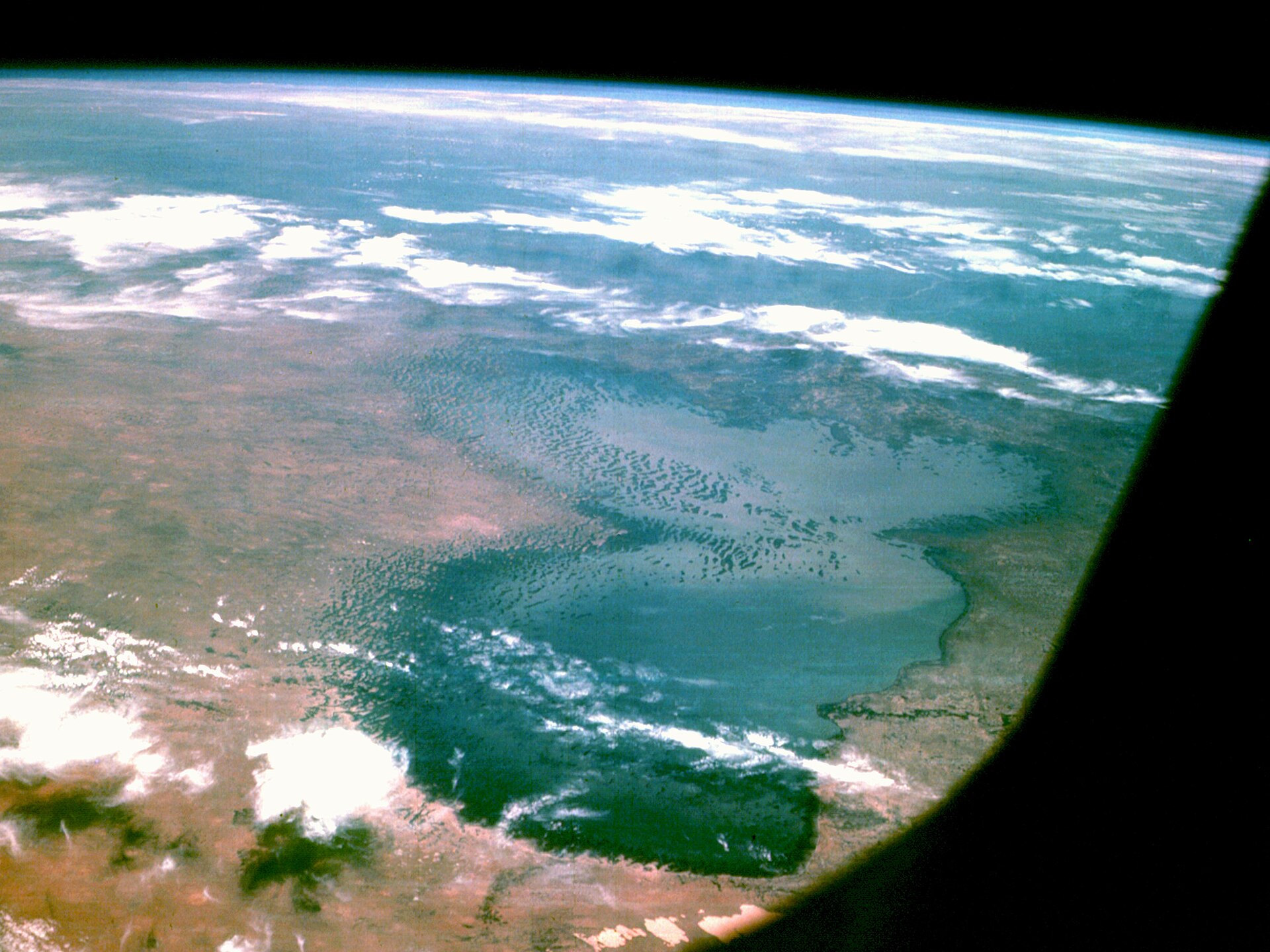
Ngoshe is located near Gwoza, southeast of Borno, close to the Cameroonian border. The area is not just a point on a map. The valleys and paths descending from the Mandara provide movement corridors, hideouts, and access to Cameroon. For a regular unit, holding a position is possible; controlling the villages, ravines, and secondary roads around the post is another mission.
Sources cited by Al Jazeera mention a payment of five billion naira, about 3.7 million dollars, to secure the release of the civilians. Abuja denies having paid a ransom. This divergence is not just political. If money changed hands, Boko Haram gained a resource, a precedent, and perhaps proof that kidnapping remains a bargaining tool. If no payment was made, it remains to be explained what convinced the group to release 360 people.
On the ground, a three-month ceasefire can be very useful without being strategic. It allows residents to return to markets, families to recover their children, and security forces to reduce pressure on a sector. But it can also give fighters time to move weapons, reorganize their units, and test the discipline of their commanders.
Abuja's Calculation Primarily Targets ISWAP
The most sensitive point is the absence of the Islamic State West Africa Province, or ISWAP, in the agreement. Boko Haram and ISWAP have been rivals since the split in 2016. In 2021, ISWAP drove Abubakar Shekau's forces from their stronghold in the Sambisa Forest. The leader of the faction now associated with Bakura Doro is said to have maintained a personal hostility towards ISWAP. For some Nigerian officials, the calculation would therefore be simple: deal with one to concentrate force against the other.
This calculation resembles a maneuver in the theater of operations, but it has a central weakness. ISWAP is more centralized, better funded, and capable of levying taxes in the territories where it exerts influence. It also has a bureaucratic culture and a network of experienced fighters that extends beyond just northeastern Nigeria. A local agreement with Boko Haram will not eliminate this infrastructure. It could even push ISWAP to strike harder against communities suspected of cooperating with Abuja.
Fighting between the two groups has reportedly continued during the ceasefire. On September 7, the Nigerian army announced it had repelled an attack attributed to ISWAP against a position in Pulka, in the Gwoza local government area. According to Vanguard, air support and the Civilian Joint Task Force helped prevent the capture of the post; one soldier was injured. The statement does not provide a verifiable casualty count for the attackers. The geography directly links this episode to Ngoshe: the same terrain, the same routes, and the same border depth condition both operations.
A Ceasefire That Reveals the Limits of Military Strategy
President Bola Tinubu simultaneously announces the recruitment of 30,000 personnel and the creation of four new divisions. The public message remains one of military escalation, while the practice described by sources suggests a search for indirect contacts. This contradiction is not necessarily irrational. An army can reinforce its numbers while negotiating to buy time in an area where it cannot be present everywhere.
The question is what Abuja is actually buying. A temporary decrease in attacks around Ngoshe does not equate to disarmament. Boko Haram is fragmented, and Bakura's authority over all commanders remains uncertain. One faction may respect the pause, another may denounce it, and ISWAP could immediately exploit the breach. Previous attempts at ceasefires, particularly in 2022-2023 according to cited sources, have collapsed.
The political risk is equally concrete. If Abuja denies any negotiation, it will be difficult to transform the ceasefire into a sustainable de-escalation mechanism. If it acknowledges it, it will have to explain to soldiers and families of victims why a group officially designated as terrorist becomes a negotiating partner. In either case, a sudden rupture could be used by Boko Haram to present itself as a force capable of imposing its agenda.
The Next Test Will Be the Road, Not the Statement
In the coming weeks, three simple indicators will need to be monitored: traffic on the routes around Gwoza, kidnappings in villages near the Mandara, and clashes between Boko Haram and ISWAP. If markets reopen but weapons circulate, the ceasefire will have served to rebuild a clandestine capacity. If patrols resume without attacks against civilians, Abuja may have achieved a useful operational pause.
On the ground, kilometers matter more than statements. Ngoshe may remain calm, and Pulka may become the new entry point. A local ceasefire can therefore reduce pressure on a village while shifting the contact line by a few valleys. The danger for Nigeria is not just that the agreement fails. It is that it succeeds long enough to create the illusion that Boko Haram is neutralized, while ISWAP is already waiting to reclaim the liberated space.
Nigeria has been negotiating a three-month ceasefire with Boko Haram since June 2023, following the release of 360 civilians. The ceasefire, which may be extended, is focused on communities near Ngoshe in Borno. However, ISWAP, a rival group, is not part of this agreement, raising concerns about the potential for increased violence. Previous ceasefire attempts have collapsed, indicating uncertainty about the effectiveness of this arrangement.
- Nigeria is negotiating a ceasefire with Boko Haram since June 2023.
- 360 civilians were released following an attack on a military base in Borno.
- The ceasefire may be extended by forty days and covers communities near Ngoshe.
- ISWAP is not included in the ceasefire agreement, indicating a strategic focus on rival factions.
- Previous ceasefire attempts have failed, raising concerns about the sustainability of this agreement.