
Nigeria strikes ISWAP — 103 fighters killed, but the jihadist front expands southward
 Marie Dubois
Nigeria strikes ISWAP — 103 fighters killed, but the jihadist front extends southward
In Borno and the neighboring state of Adamawa, Nigerian airstrikes have killed 103 fighters of the Islamic State West Africa Province (ISWAP) in eight days, according to the toll communicated on October 20 by military authorities. The figure is claimed by the army and has not yet been independently verified. A few hundred kilometers further south, a joint operation also killed Abdussamad Ohida, described as an ISWAP commander, in a forest in Ondo State.
These two operations are not just a simple communication success. They show that Nigerian intelligence can reach the jihadist command chain. They also reveal something more concerning: ISWAP is no longer confined to the Lake Chad basin.
The figure of 103 does not tell the whole battle
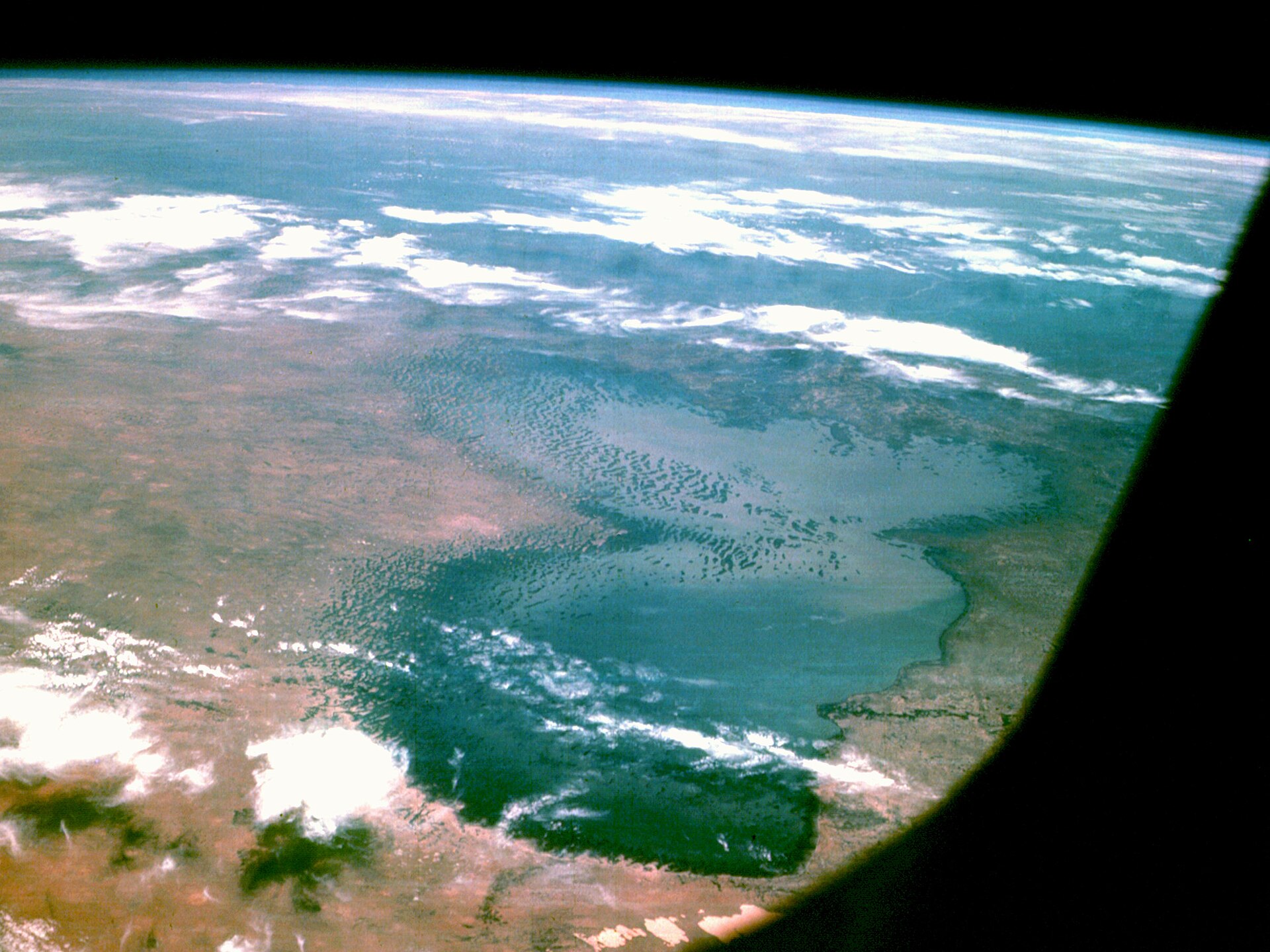
Military statements speak of air operations conducted in several areas of Borno and Adamawa. The objective is not only to kill fighters but to destroy depots, gathering points, and logistical means. In an operational theater where roads are long, seasonal tracks exist, and borders are porous, a well-informed bomb can disrupt a katiba for several weeks.
However, a casualty count is not a measure of territorial control. ISWAP can abandon a camp, disperse its men, and reappear on another shore of Lake Chad. Jihadist groups have learned to survive air superiority: small units, nighttime mobility, local informants, and the use of difficult-to-monitor swampy areas. On the ground, the absence of a jihadist flag does not mean the area is secure.
Ohida and the strategic depth of the Southwest
The announced death of Abdussamad Ohida deserves special attention. According to Nigerian press reports, he was linked to several attacks, including one against the divisional police station in Ipele, in the Owo region, on December 31, 2025. Eight AK-47 rifles were reportedly taken at that time. Authorities claim that Ohida was preparing attacks against civilians in Southwest and South-South Nigeria, with the ambition of disrupting the electoral period of 2027.
It is important to distinguish here between the operational project and its realization. There is no evidence that ISWAP has established a lasting presence in the southern part of the country. However, the movement of personnel, weapons, or recruiters to Ondo is plausible. The axis between the forests of the Northwest, the Abuja-Lagos corridor, and the rural areas of Ondo offers camouflage spaces that the army cannot monitor like a fixed base around Maiduguri.
This is the essential point. Nigerian jihadism does not necessarily progress through continuous conquest. It progresses through relays: kidnapping, extortion, propaganda, arms trafficking, and exploitation of local conflicts. A cell that does not control any village can still impose a disproportionate military and political cost.
A tactical victory, a coordination problem
The collaboration between the army, the Department of State Services, and local Amotekun forces was crucial in the operation against Ohida. This model is more interesting than merely adding airstrikes. Intelligence comes from the ground, local units identify movements, and the army provides strike or assault capability. It is a counter-insurgency architecture, not just a bombing campaign.
Nigeria also has an external lever: cooperation with the United States in the Lake Chad basin. In May, a Nigerian-American operation had already killed Abu-Bilal al-Minuki, described as a senior official of the global Islamic State. Repeated decapitation can slow down attack planning and disrupt finances. However, it does not replace holding the ground, protecting farmers, and reopening schools.
An organization does not lose a war because it loses a commander. It loses when it can no longer recruit, tax, move, or intimidate.
The next test will be rural
The temptation in Abuja will be to turn the announced 103 deaths and the elimination of Ohida into proof of a strategic turnaround. This would be premature. Nigerian forces have achieved a real result, but they must now demonstrate that they can hold the corridors after the passage of aircraft and prevent survivors from regrouping.
The most vulnerable areas are not necessarily the large cities. They are rural markets, secondary roads, and communities that switch sides due to lack of protection. In the Lake Chad basin, ISWAP retains sanctuaries and infiltration experience. In the Southwest, its potential networks remain to be measured. Uncertainty is still significant.
The next alert will therefore not necessarily be a spectacular attack in Lagos. It could be a series of kidnappings on a forest road, a weapon recovered from a police station, or a village subjected to clandestine taxation. This is where aerial victory must become ground control.
Nigerian airstrikes killed 103 ISWAP fighters in Borno and Adamawa over eight days, with a joint operation also eliminating ISWAP commander Abdussamad Ohida in Ondo. These actions demonstrate effective Nigerian intelligence capabilities against jihadist forces, although ISWAP's operational reach is expanding beyond its traditional strongholds. The military aims to disrupt ISWAP's logistics and command structure while facing challenges in maintaining territorial control.
- 103 ISWAP fighters killed in airstrikes over eight days
- Abdussamad Ohida, an ISWAP commander, killed in a joint operation
- Nigerian intelligence successfully targets jihadist command chain
- ISWAP is expanding operations beyond the Lake Chad basin
- Collaboration between military and local forces was crucial for operations