

Summary and Key Points: Fifty-nine years ago this month, Pete Knight flew an aircraft at 4,520 miles per hour, and nobody has gone faster since. Not in anything with wings and a person inside it. On October 3, 1967, a B-52 carried the X-15A2 to 45,000 feet over the California desert and released it; the rocket lit, and sixty seconds later the drop tanks were empty and gone. Knight burned the engine for another 140 seconds, shut it down at 102,000 feet, and sat in a silent cockpit at Mach 6.7, watching the sky shift from indigo to black, the curve of the planet visible on either side. The entire flight, from release to touchdown, lasted 8 minutes and 17 seconds and consumed 26,000 pounds of propellant. He came home with two problems the flight plan hadn’t included.
The X-15 Program Deserves Two Pages in the History Books
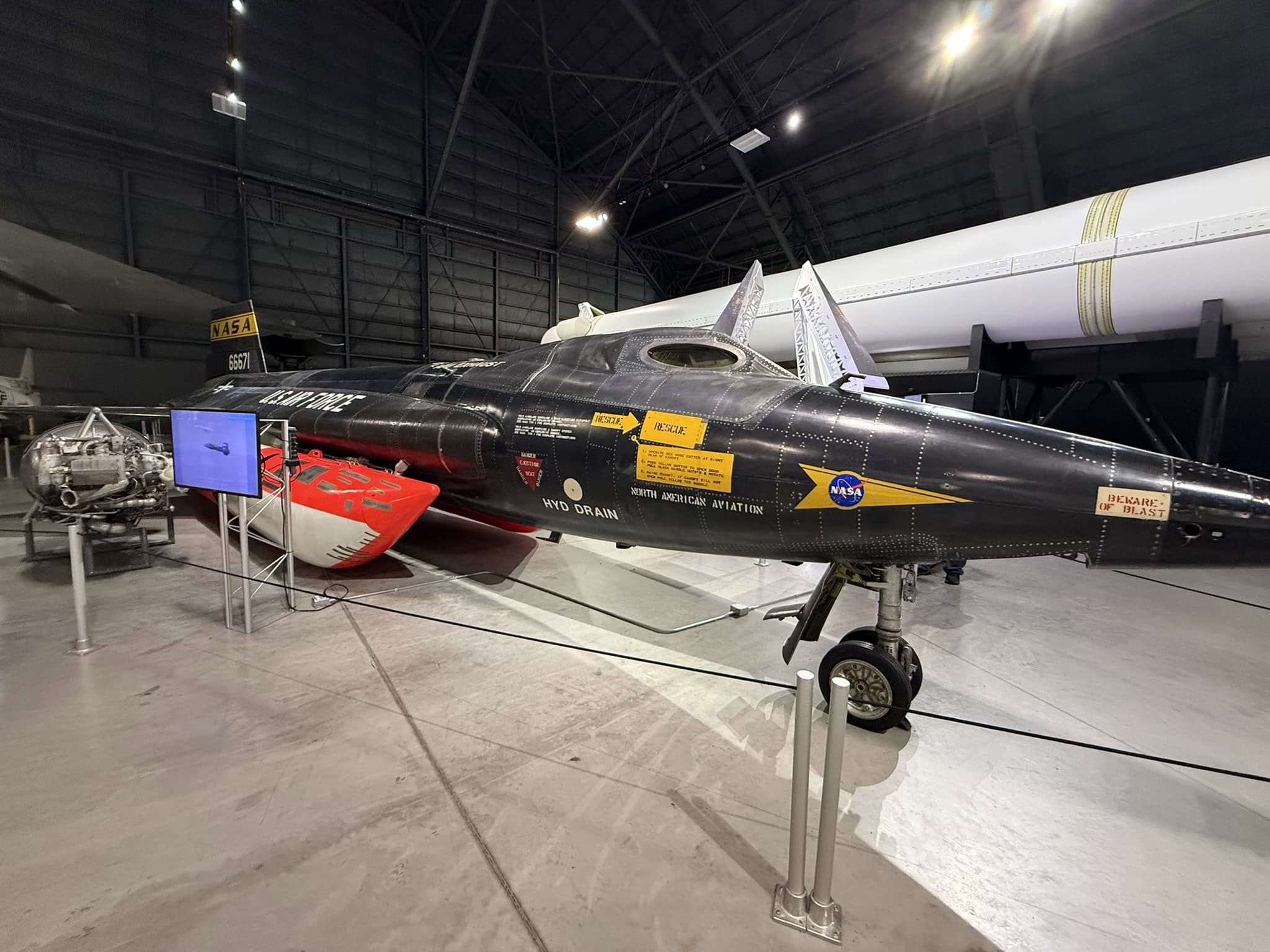
X-15 NASA Program. 19FortyFive.com Photo.
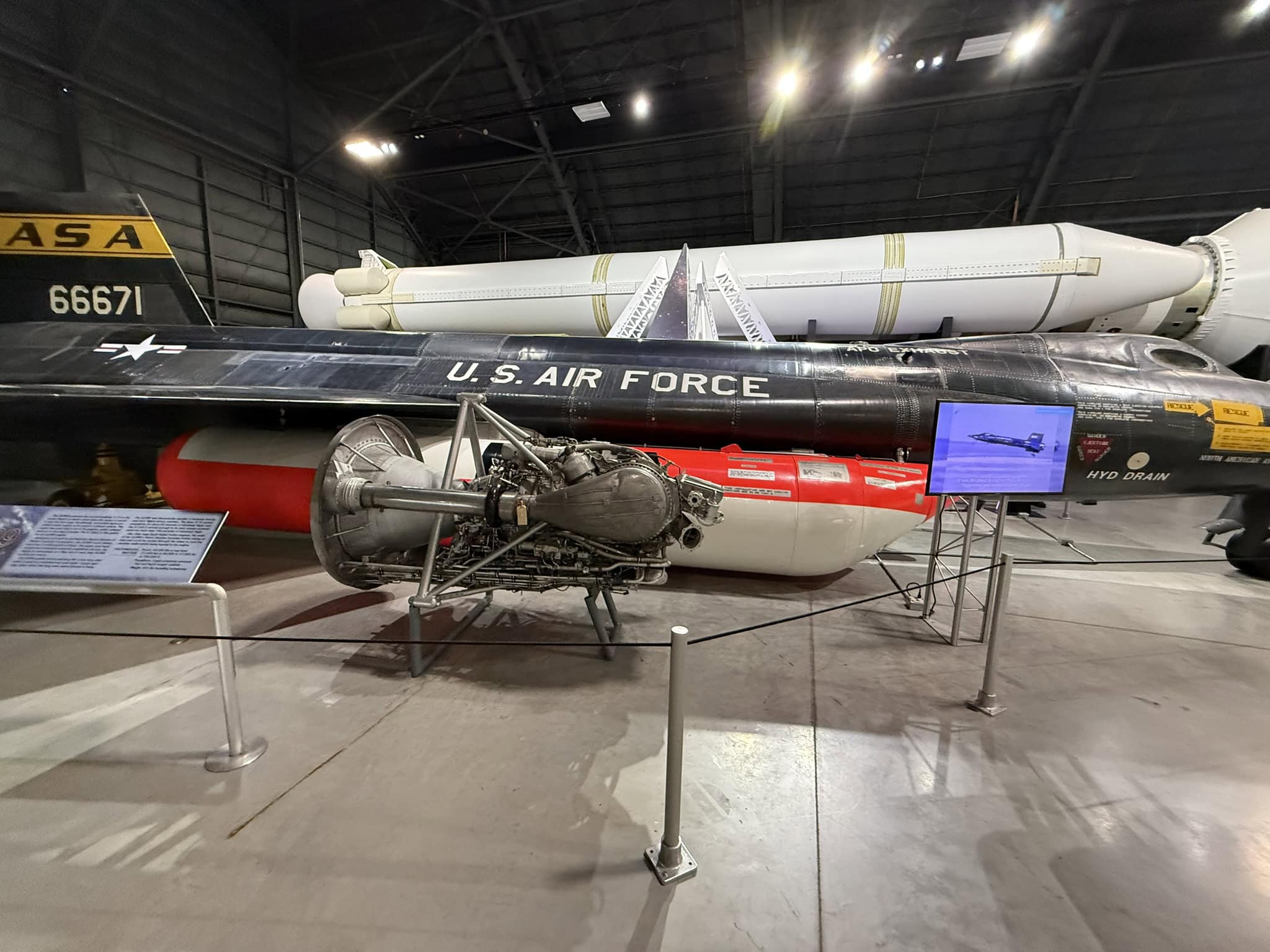
This is an image of the X-15 taken by Editor-In-Chief of 19FortyFive.com Harry J. Kazianis back in 2025 and the National Museum of the U.S. Air Force.
Ten years into the X-15 program, NASA had learned a great deal about manned hypersonic flight at high altitudes. Data from previous flights generated 765 research reports on topics including hypersonic theory.
These included reaction control nozzles on space vehicles, heat-resistant superalloys, air friction heating rates, and a pilot’s ability to control a rocket-powered vehicle as it exited Earth’s atmosphere into space. The most confounding aspect of it all was Air itself.
Air Is Not Your Friend At High Altitude.
The air you breathe at sea level and the air that feeds a jet engine is friendly, even benevolent, but at high speeds and high altitudes it becomes a deadly enemy.
The higher an aircraft goes, the less air there is to feed your jet engines. A ramjet or scramjet can increase speed to compress and ram more air into your engines, but air friction superheats the aircraft.
Metal begins to soften; the paint burns off, electronics melt, your fuel explodes.
To defeat the enemy of air at high speeds and altitudes, the X-15 employed two strategies.
It solved high-altitude air starvation by not relying on atmospheric air at all.
The X-15 used an all-new rocket engine fed by internal tanks of liquid oxygen and anhydrous ammonia. The Reaction Motors XLR99-RM2 rocket let the pilot control fuel flow and produced 57,000 lbs. of thrust.
To withstand 1,000-degree skin temperatures at high speeds, the vehicle used a special nickel-chromium alloy called Inconel-X, which could withstand 1,200 degrees of heat without deforming.
MA-25S, A pink-tinted silicone elastomeric ablative coating, was applied to the skin. This would char and fall off the alloy skin during flight at high altitude.
When it was discovered that the MA-25S coating reacted dangerously to liquid oxygen venting from the plane’s pressurized tank (it would catch fire, a white sealant was applied to the X-15 just before it was fueled for flight.
To extend its flight time, this X-15 was fitted with a pair of underwing drop tanks that the pilot could jettison in flight. In this configuration, the X-15A2 was ready for its historic flight on October 3rd, 1967.
The X-15A2 Soars Into the History Books
Late that morning on October 3rd, 1967, Air Force Test Pilot William J. Knight climbed into the X-15A cockpit in a spacesuit at Edwards Air Force Base in the California desert.
His craft was slung under one wing of the B-52 Stratofortress that would carry him up to 45,000 feet and cut him loose.
By 2:30 in the afternoon, the bomber reached release altitude and released the X-15A2.
The rocket motor ignited, and Knight pulled back on the stick as the X-15A2 climbed and accelerated. Within 60 seconds, the rocket engine burned 15,400 lbs. of fuel in the drop tanks, and Knight released them to fall empty to the ground.
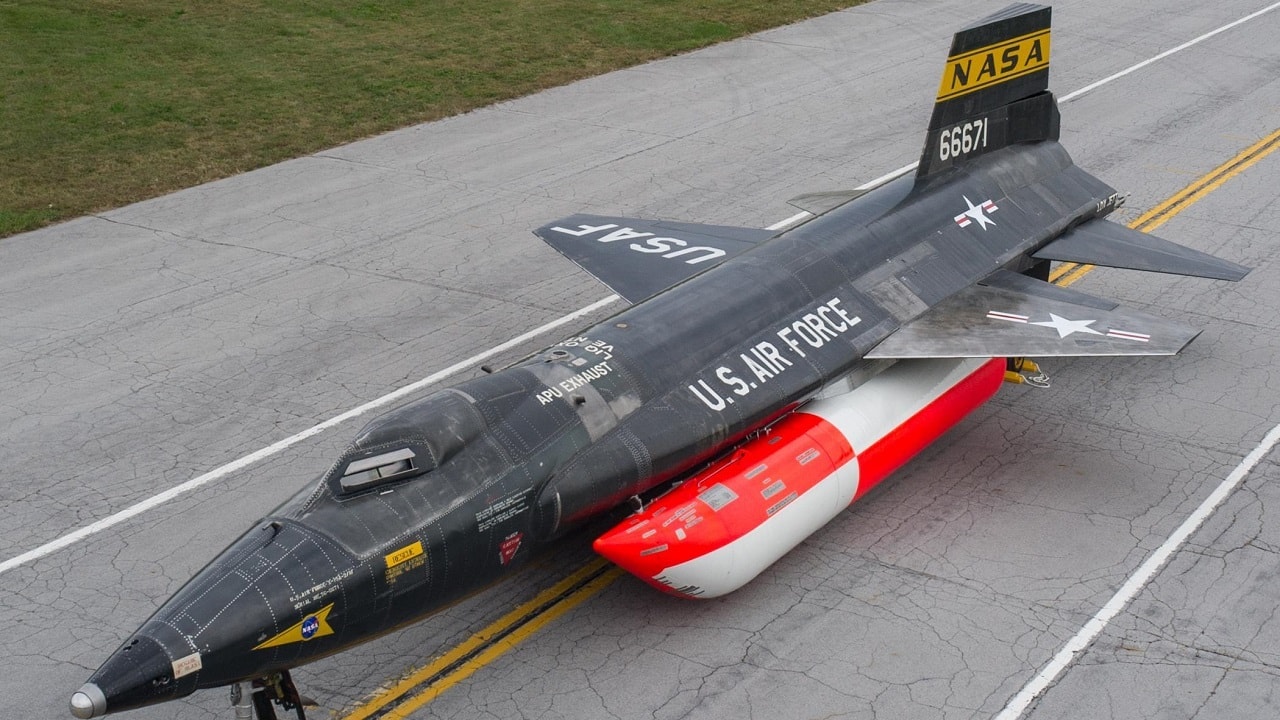
X-15. Image Credit: NASA.
Shedding this aerodynamic drag, the X-152’s speed increased as it came off this leash.
Knight Could See The Blackness Of Space Above Him And A Bright Sunny Day Below
Knight let the rocket burn for another 140 seconds, then shut it down; he was 19 miles, or 102,000 feet, high. The cockpit was silent.
Looking up, he saw a deep indigo sky turn black as he skimmed the last 1% of Earth’s atmosphere. He was the first American to look directly into space.
To his left and right, the planet’s curvature was plainly visible.
He was now traveling at a hypersonic 4,520 mph. At Mach 6.7, Pete Knight was the fastest man flying the fastest aircraft in the world.
An Experimental Ramjet On The X-15 Melted And Fell Off At Mach 6
NASA had fitted an experimental ramjet to the bottom fin of the X-15A2.
It was a dummy model and not meant to run.
Instead, engineers wanted to study how its shape and weight might disrupt airflow and stability before investing money in a working, hydrogen-fueled model.
Well, they sure found out. At speeds of nearly Mach 7, violent shockwaves passed between the ramjet and fuselage.
This was like a blowtorch on the small motor, which promptly melted and fell off.
Still Loaded With Explosive Fuel, Landing Could Have Been The End Of The X-15A2
During the acceleration phase, Knight tried to jettison his remaining fuel after an engine heat warning light appeared on his panel.
Whatever caused the heat warning also turned off his fuel-dumping system.
He would have to glide the X15A2 to a landing on a dry lakebed with liquid oxygen and anhydrous ammonia, which would violently explode upon contact in his tanks.
He would also be coming in much heavier than he should. A previous X-15 test saw the airframe almost snap when it came down on its skids.
Knight ejected the detachable lower tail section and landed the X-15A2 on Rogers Dry Lakebed just 8 minutes and 17 seconds after the B-52 dropped him into the sky.
In those 8 minutes, the X-15A2 consumed 26,000 lbs. of liquid propellant. Pilot Pete Knight earned the Distinguished Flying Cross for his achievement.
Today, the X-15A2 that Pete Knight burned into the history books is on display at the United States Air Force Museum at Wright-Patterson AFB in Dayton, Ohio. Below are some amazing photos from our visit to the X-15 last year for your viewing pleasure.
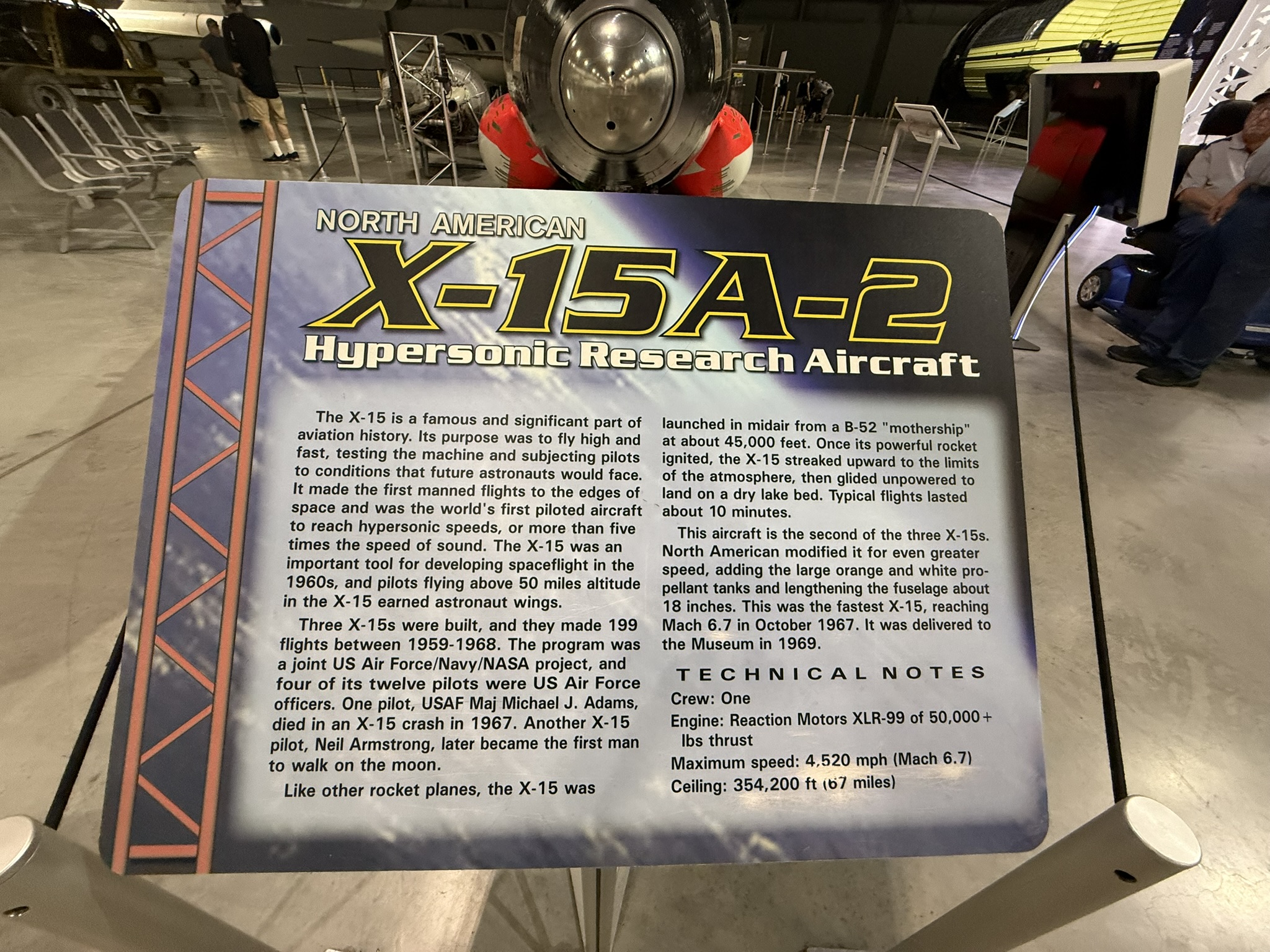
X-15. 19FortyFive Museum Visit in July 2025.
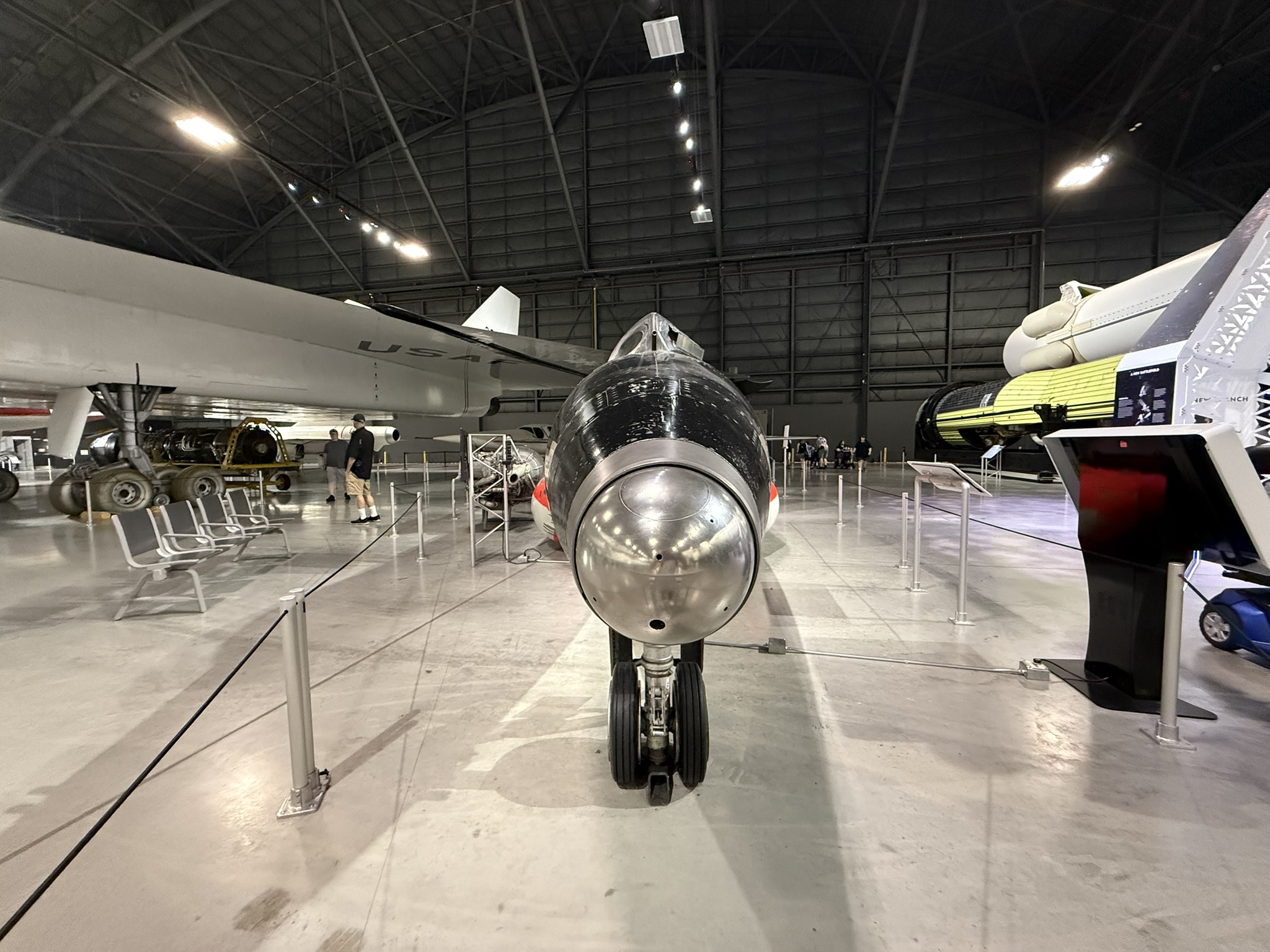
X-15. 19FortyFive Museum Visit in July 2025.
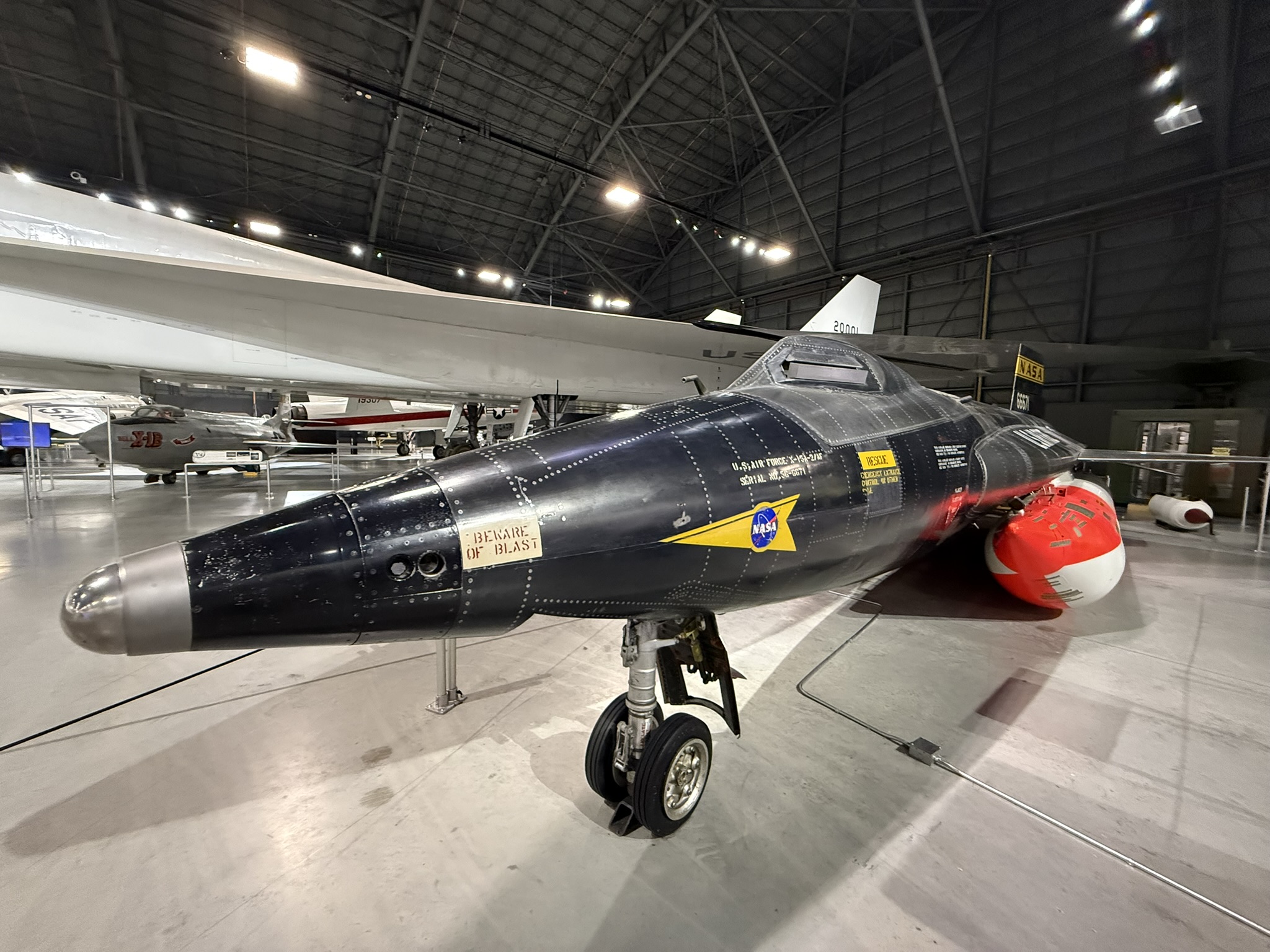
X-15. 19FortyFive Museum Visit in July 2025.
About the Author: Sean Spoonts
Sean Spoonts is the former Editor-In-Chief of SOFREP.com. He is a military analyst, writer, and commentator whose work has appeared in Newsweek, CNS News, Ukrinform, and various military/veteran media networks and professional publications, including the Military Intelligence Professional Bulletin. He is a U.S. Navy veteran, having served as an Aviation Anti-Submarine Warfare Operator and Search and Rescue Helicopter Aircrewman.