
Only One in Three Americans Still Backs Trump's Iran War
 Alexandra Reeves
Only One in Three Americans Still Backs Trump's Iran War
Thirty-three percent is not just a bad poll number. In a war built around missile defence, carrier deployments and a long political promise that America would not get dragged into another Middle Eastern conflict, it is a warning light on the dashboard.
A Reuters/Ipsos poll carried by Defense News on July 31 found that only one in three Americans now support the U.S. war in Iran, the lowest reading since the five-month-old conflict began. More damaging for the White House, 69 percent of Americans said President Donald Trump has not clearly explained the goals of U.S. military involvement. That includes four in ten Republicans.
Everyone in Washington likes to say wars are decided by logistics. That is usually true. But logistics and politics are not separate systems. When the political mandate shrinks, every Patriot interceptor fired, every casualty report adjusted, and every gallon of fuel price increase becomes harder to explain.
The Poll Is a Force Protection Problem
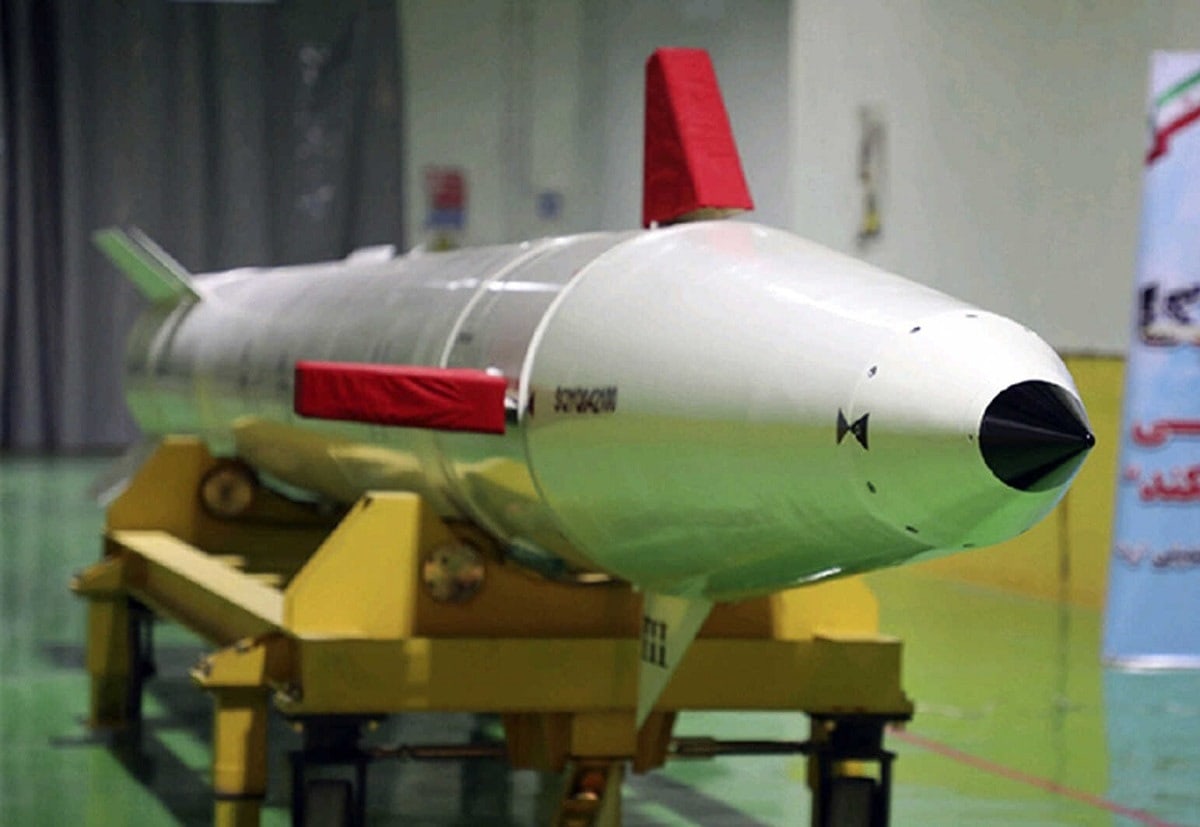
The Reuters/Ipsos survey, conducted online among 1,246 U.S. adults with a three-point margin of error, shows support for the conflict below 40 percent since mid-March. Defense News noted the contrast with earlier American wars: Iraq initially drew about 70 percent support, and Afghanistan roughly 90 percent in its opening phase, according to Gallup polling cited in the same report.
That comparison is uncomfortable because the Iran war is not being sold as a war of occupation. The administration has described shifting aims: preventing a nuclear weapon, degrading ballistic missile capabilities, and at times helping Iranians topple their leadership. Each of those goals implies a different force package and a different political timetable.
If the real mission is counter-proliferation, the relevant question is whether strikes can delay nuclear infrastructure without creating a permanent suppression campaign. If the mission is missile rollback, then air defence and deep-strike inventories become the centre of gravity. If the mission is regime change, then Washington has walked into the oldest trap in the region: assuming the military phase is the hard part.
The public seems to understand the confusion even if officials will not name it. A war with unclear aims becomes a war measured in pain rather than progress.
Missiles Are Eating the Strategy
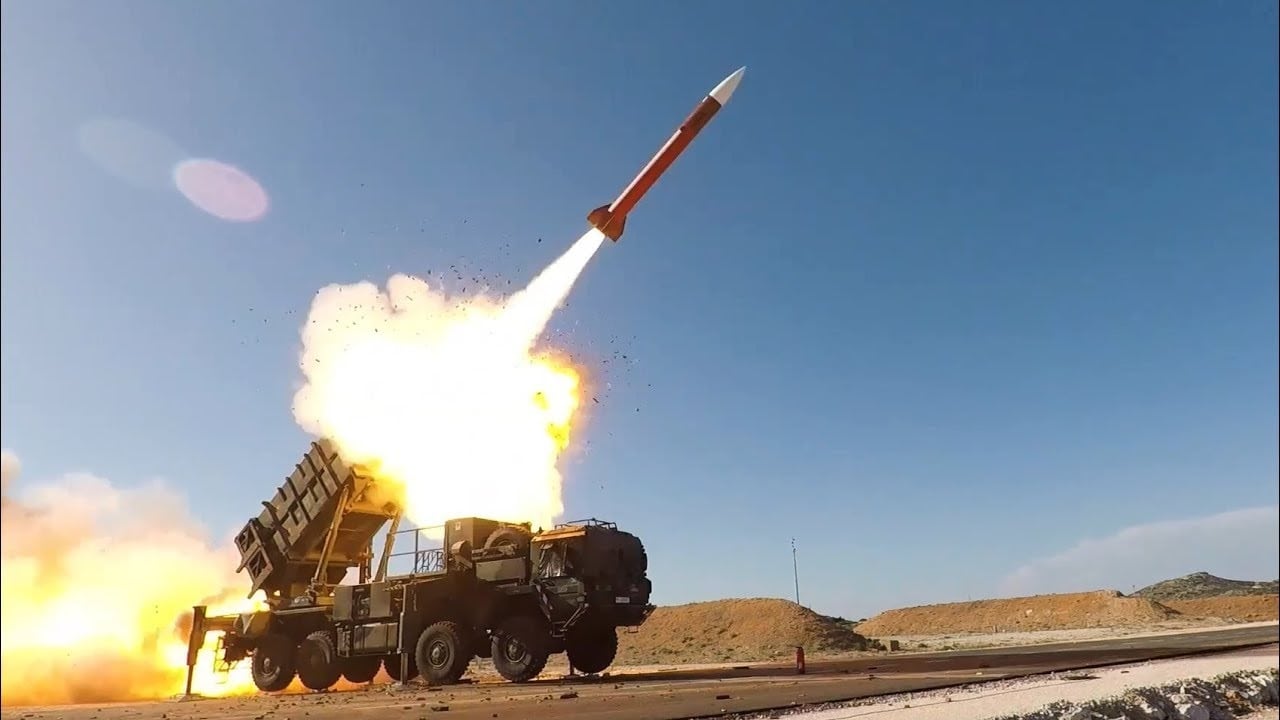
The military problem is brutally concrete. Patriot remains the West's proven answer to many ballistic missile threats. The PAC-3 MSE round, built by Lockheed Martin, uses hit-to-kill guidance to ram incoming ballistic missiles rather than merely exploding nearby. It is also expensive, with Defense News reporting a price of roughly $3.9 million per round.
That cost matters because missile defence is a volume business once a regional war settles into exchanges of salvos. A separate Defense News report on July 30, citing CSIS analysis, said American forces had fired at least 1,060 to 1,430 Patriot interceptors in the U.S.-Israeli war with Iran, draining an estimated two-thirds of America's pre-war Patriot inventory. Lockheed's new multiyear PAC-3 deal is now worth up to $58.62 billion and aims to triple production capacity by the end of 2030.
There is the strategic contradiction. The political system is asking for a short, explainable war. The missile-industrial system is behaving as if the conflict has become a multi-year inventory race.
Ukraine is the obvious comparison, and not because every war now has to be interpreted through Ukraine. Kyiv's experience showed that ballistic missile defence is not a prestige capability. It is a rationed commodity. Once the enemy can impose repeated missile salvos, the defending coalition must decide what gets protected, what waits, and who pays for the next interceptor.
Casualties Change the Domestic Math
Military Times reported on July 27 that the Pentagon had moved some recent Iran war killed-in-action numbers into an "Overseas Operations" category, with the article describing a shift from 18 Iran-war KIA to 14 after four were moved into a different conflict category. A follow-up Military Times article on July 28, based on records obtained by The War Horse, detailed service-member injuries including shrapnel wounds, broken bones and head trauma.
Casualty categories sound bureaucratic until they do not. To families, voters and commanders, classification is part of credibility. If the administration is already struggling to explain the war's goal, ambiguity around casualty accounting only deepens the suspicion that officials are managing perception as much as operations.
That is unfair to plenty of people inside the Pentagon who are trying to track complicated deployments honestly. But public trust is not built by internal intent. It is built by visible consistency.
The short version is this: an unpopular war can still be fought, but it cannot be fought cheaply, quietly and indefinitely at the same time.
Allies Will Read the Poll Too
Here is where the European angle matters. NATO allies watching the Iran campaign are not only asking whether U.S. forces can manage another Middle Eastern war. They are asking what this does to U.S. bandwidth for Europe.
Every Patriot round consumed in the Gulf is a round not available for Ukraine, not available for U.S. Indo-Pacific planning, and not available for surge stocks in Europe. Every carrier or bomber rotation extended around Iran narrows options elsewhere. This is not an argument that Washington should ignore Iranian missiles or nuclear risk. It is an argument that American overextension has become visible again.
Europe has spent the last two years being told to take more responsibility for its own defence. Fair enough. But the Iran war makes the demand sharper. If U.S. missile stocks, political attention and presidential authority are being burned in the Middle East, European governments cannot assume Washington will always have spare capacity for the eastern flank.
That is the part of the Reuters/Ipsos poll that Brussels should take seriously. The American public is not merely tired of the Iran war. It is unconvinced that the war has a coherent end state. Allies can tolerate an unpopular U.S. policy for a while. They struggle with an unclear one, because unclear wars make unreliable schedules, unreliable stockpiles and unreliable promises.
What to Watch Next
The next indicators are not hard to find. Watch whether the White House narrows its stated war aims or keeps shifting between nuclear denial, missile suppression and political change. Watch whether Congress starts attaching reporting requirements to Iran-related funding. Watch Patriot expenditure rates and whether Ukraine deliveries are quietly slowed. Watch gasoline prices, because foreign policy becomes domestic politics very quickly when voters pay for it every week.
The key finding is simple: the Iran war is losing political ammunition faster than Washington is admitting. The military can still absorb the burden today, but the public mandate is already thin, the interceptor bill is enormous, and the casualty narrative is getting harder to keep tidy.
The uncomfortable judgment is that Trump may have enough firepower to keep striking Iran, but not enough explanation to make the war sustainable. In a democracy, that gap eventually becomes operational.
Only 33% of Americans support the U.S. war in Iran as of July 31, 2023, reflecting a significant decline in public backing. The U.S. military has fired between 1,060 to 1,430 Patriot interceptors, impacting inventory levels. Additionally, 69% of Americans feel President Trump has not clearly articulated the war's objectives, leading to concerns about military logistics and casualty reporting.
- Only 33% of Americans support the U.S. war in Iran as of July 31, 2023.
- 69% of Americans believe President Trump has not clearly explained the war's goals.
- The U.S. has fired between 1,060 to 1,430 Patriot interceptors in the conflict, depleting inventory.
- Casualty numbers have been adjusted, raising public trust issues.