
Opposition by US and Russia raises doubts over autonomous weapons talks outcome, diplomats say
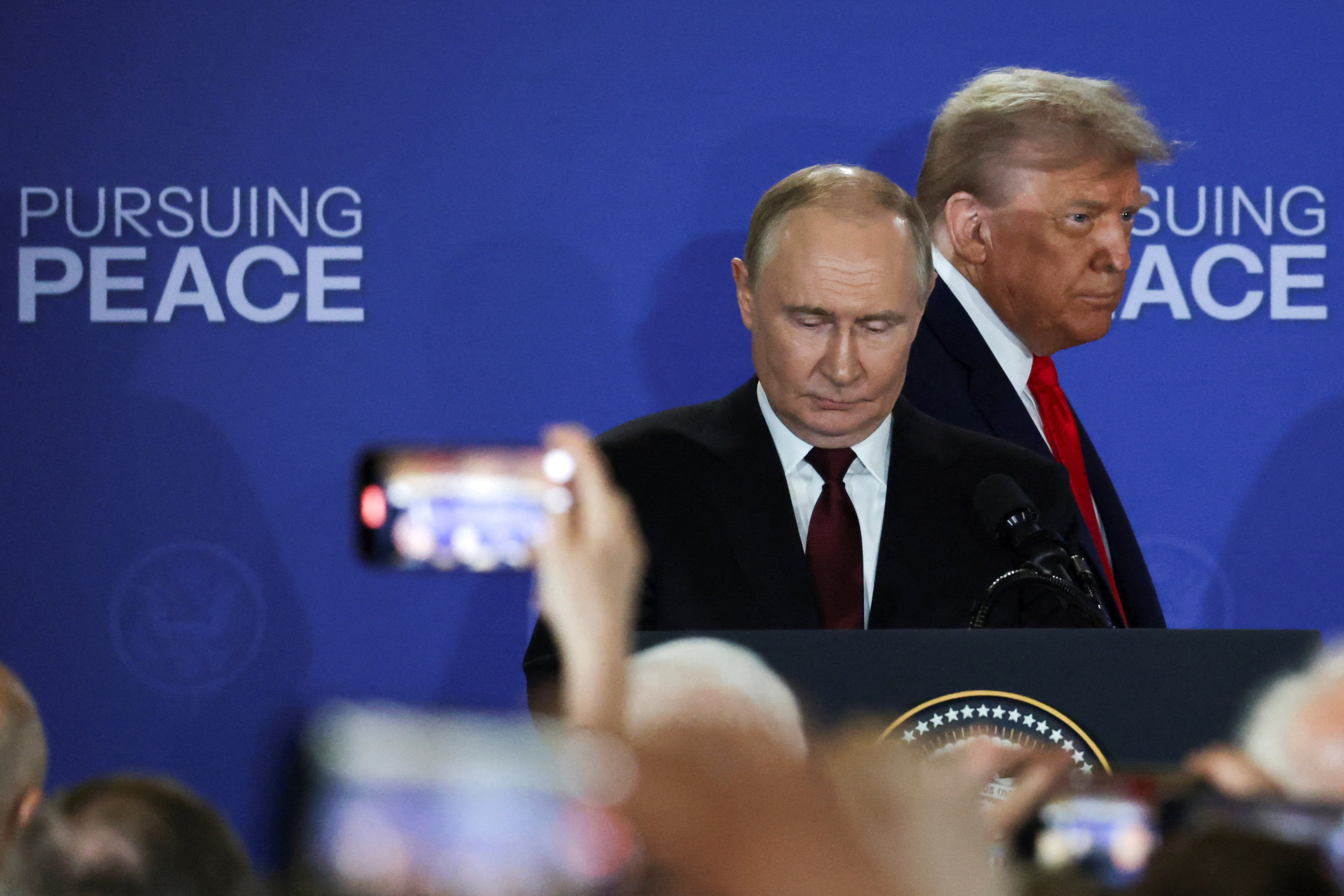
Opposition from the United States and Russia has raised doubts that countries meeting in Geneva will on Friday agree on a document that could pave the way to international rules on the use of autonomous weapons, three diplomats said.
The 128 states that are party to the Convention on Certain Conventional Weapons (CCW), an international framework hosted under the United Nations in Geneva that regulates or bans specific types of weapons considered excessively injurious or indiscriminate, have been meeting this week in the Swiss city.
They are set to decide whether consensus can be reached on a non-binding text that may usher in negotiations on prohibitions and regulations for Lethal Autonomous Weapons Systems (LAWS).
Concerns have been mounting about the role of semi-autonomous weapons that can identify and engage targets with varying degrees of autonomy in conflict zones such as Ukraine, Sudan and the Middle East.
Human Rights Watch and the Stop Killer Robots campaign group have warned that weapons systems, some of which are assisted by artificial intelligence, may behave unpredictably, raising the risk of fatal errors.
States agree that international humanitarian law applies to LAWS, but specifically binding international standards for such systems remain virtually non-existent.
A majority of countries at the meeting have expressed support for a draft text, but the U.S. and Russia have proposed late changes and deletions to it, two diplomatic sources said.
The Russian mission in Geneva did not comment. The U.S. mission did not immediately respond to a request for comment.
“The window is getting smaller to getting an agreement,” one of the diplomatic sources told Reuters.
Diplomats may run out of time and key provisions discussed over several years could be dropped, running the risk of no deal emerging, a second diplomatic source said.
Differences over language
The U.S. position has hardened over the past six months, a senior diplomat said, with Washington favouring something more akin to guidelines than a legally binding international treaty as it says international humanitarian law already provides a framework to govern the conduct of warfare.
This position is supported by states including Russia, India and Turkey.
At least six countries received formal diplomatic approaches from Washington to back its position concerning the draft text, two diplomats said. This showed U.S. engagement to try to reach consensus on the issue, one of them said.
Policies needed to share AI-generated intel across NATO countries, official says
But differences remain over language, with the use of words such as “lethality” and a section related to exercising human judgment and control being debated, one of the sources said.
Backers of a legally binding treaty, including Brazil, Ireland and several African states, say safeguards are needed to ensure meaningful human control over the weapons systems in question. Opponents favour greater flexibility.
In August, U.N. Secretary-General Antonio Guterres and Red Cross President Mirjana Spoljaric warned the world was nearing a moral red line where autonomous weapons could kill without human involvement.
Opposition from the U.S. and Russia has raised doubts about reaching an agreement on autonomous weapons regulations during the CCW meeting in Geneva. The 128 participating states are discussing a non-binding text that could lead to negotiations on Lethal Autonomous Weapons Systems (LAWS). Concerns about the unpredictability of these weapons in conflict zones have been voiced, while a majority support the draft text despite proposed changes from the U.S. and Russia.
- The U.S. and Russia oppose a consensus on autonomous weapons regulations in Geneva.
- 128 states are participating in discussions under the CCW framework.
- Concerns exist regarding the unpredictability of semi-autonomous weapons in conflict zones.
- A majority of countries support a draft text for regulations, but the U.S. and Russia have proposed changes.
- Diplomats warn that time is running out for reaching an agreement.