

On October 19, 2026, as he left for a rally in Kansas, President Donald Trump again suggested imposing a deal on Ukraine to end the war. Asked about a summit with Russian President Vladimir Putin and Chinese President Xi Jinping, Trump said, he would do “anything I can do to end the war, whether somebody’s there or not.”
Trump then again appeared to side with Russia against Ukraine. “I would do it — not so much for Ukraine, because Russia, frankly, has been fine on Ukraine. They haven’t been doing much,” he said, and added the problem today was Ukrainian President Volodymyr Zelensky. “Maybe it’s time for Zelensky to get somebody else to negotiate,” he said, explaining, “Zelenskyy doesn’t know what he’s talking about.”
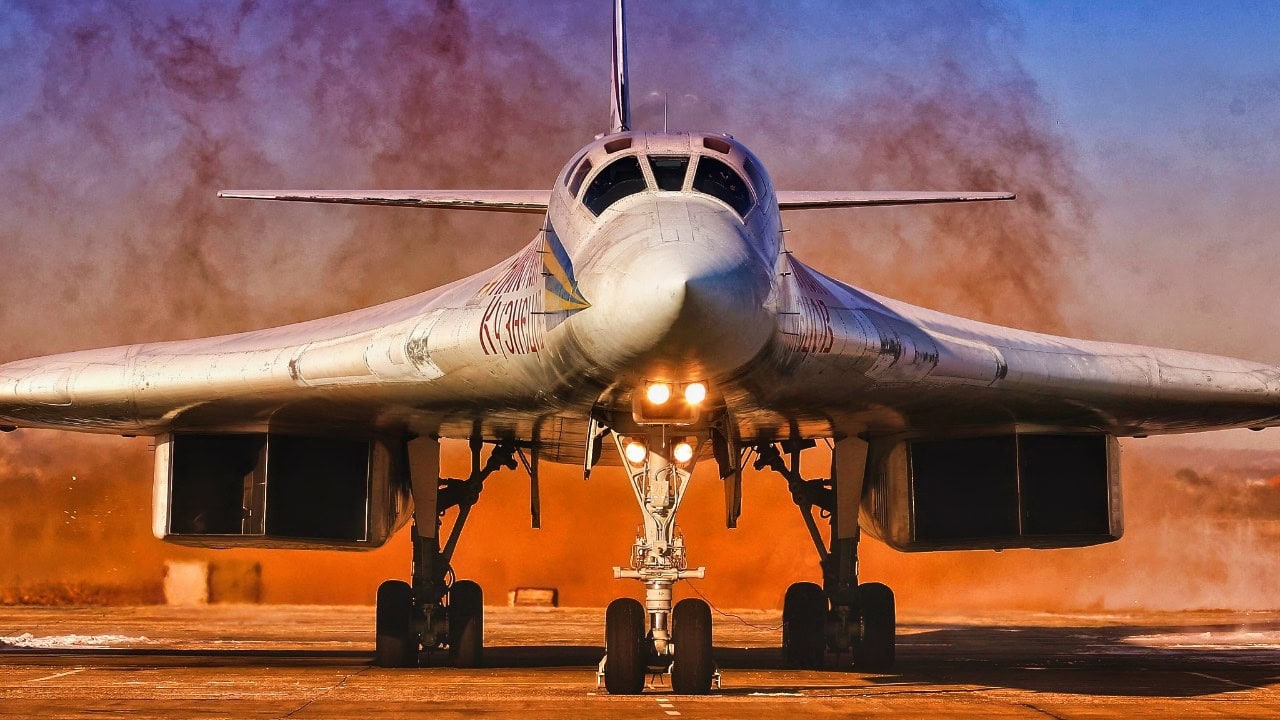
Tu-160 Bomber from Russia. Image Credit: Creative Commons.
On cue, the White House cut the intelligence sharing that allows Ukrainians to have warning of incoming strikes. The issue isn’t military defense, but protecting civilians. Entering Ukraine, all visitors are urged to download the app that every Ukrainian has. As intelligence determines launches and narrows the trajectory of drones and ballistic missiles, the app alerts Ukrainians in the potential impact zone to seek shelter. Glide bombs are harder to track because they lack a heat signature.
Entrepreneur Elon Musk also appeared to slow or disable Starlink, hampering Ukrainian communications and drone operations. The moves—and Trump’s moral equivalence if not moral inversion—forget that Russia invaded Ukraine and that relieving pressure on Russian forces absent a complete withdrawal rewards Putin for aggression.
Zelensky responded on October 21, 2026, expressing willingness to freeze the war. Anyone who supports Ukraine in its fight for freedom and the restoration of its territory should support such a freeze.
The Office of the UN High Commissioner for Refugees (UNHCR) is perhaps the best international source of information on Ukraine. While some think tankers parachute in for a day or two to attend conferences and then wax eloquently about their sanitized and superficial experience, and Western diplomats remain confined to Kyiv or towns close to the Polish border, UNHCR works on the frontlines—in cities like Kharkiv, Dnipro, and Zaporizhzhia—and is among the first responders, arriving at sites of attacks to arrange shelter, repair, and triage within minutes of an attack. Because they are out, rather than imprisoned within a bubble of superficiality, cowardice, or paranoia, they have a far more granular sense of the country than most Western diplomats.
From last summer at least, UNHCR has warned about expected Russian targeting of water, sanitation, and hygiene during the coming winter. In Kyiv and Kharkiv, average high temperatures in January are just 27 and 26 degrees Fahrenheit, respectively; average lows are about 10 degrees lower. If Russian missiles knock out heat and electricity, it can be devastating for pensioners and young people alike. Elderly Ukrainians living on the top floors of high-rises could be stuck without heat, food, or water if they can’t navigate ten or more flights of stairs.
Trump may focus on the price of diesel and resent Ukrainian attacks on the engines of income that fund Putin’s war, but freezing the conflict during the frozen months will be a net gain for Zelensky and all Ukrainians.
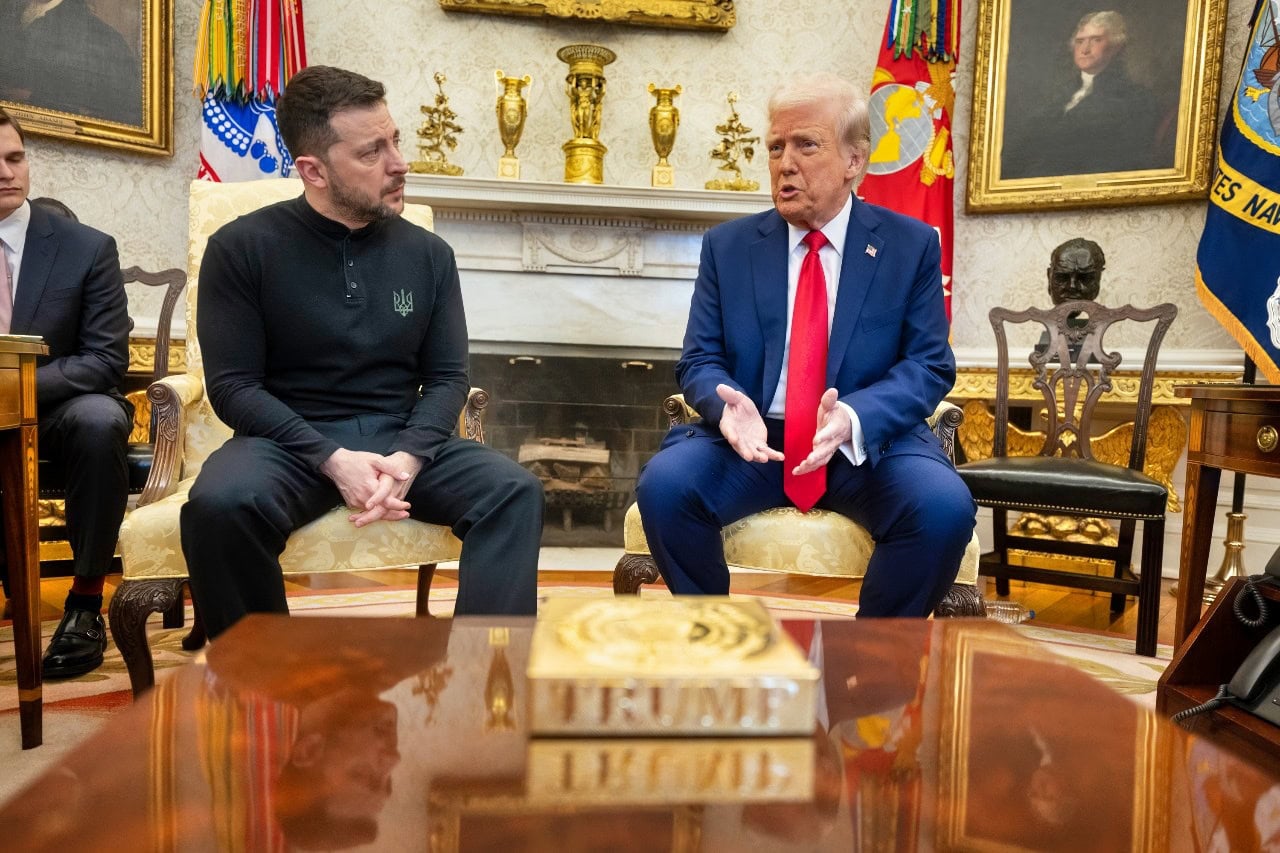
President Donald Trump greets President Volodymyr Zelenskyy of Ukraine, Friday, February 28, 2025, in the West Wing Lobby. (Official White House Photo by Daniel Torok).
Putin will use any ceasefire to restock his military, but Zelensky will, too. Visiting eastern Ukraine this past summer, the cycle of violence was clear. If Ukraine struck a refinery or defense plant, Russia would aim at high-rises, factories, and hospitals. Ukrainians would know an attack was imminent because surveillance drones would appear over cities hours before.
Weather also mattered: Russia often paused attacks on overcast or rainy days because targeting became harder. Usually, the barrage would deplete the missiles and drones, so once it passed, Ukrainians in any city would figure they had a couple of days, if not a week, of peace. The same pattern also worked in reverse. A longer pause could mean a bloodier spring, but violence will be inevitable until Russia ends its aggression.
Zelensky also makes the same calculation as every other world leader. Trump has an expiration date. The conflicts of interest, if not corruption, surrounding his White House and envoys will likely end after January 20, 2029. So long as Zelensky can prevent active U.S. support for Russia, time is on Ukraine’s side.
U.S. partisans and pro-Ukrainian politicians may resent Trump’s actions and interference. Trump talks peace, but his flip-flopping has prolonged the war and caused untold suffering. Opposing a ceasefire to spite Trump, however, is equally wrong and may ultimately undermine Ukraine’s march to victory.
Ukraine still wants to join NATO, but one analyst argues membership seems unlikely for the foreseeable future. Admission requires unanimous agreement, no consensus exists, and bringing in a country at war with Russia could force a direct confrontation, though supporters say clearer guarantees might have deterred Moscow.
About the Author: Dr. Michael Rubin
Dr. Michael Rubin, a Director of Policy Analysis at the Middle East Forum, specializes in Iran, Turkey, and the Horn of Africa. His career includes time as a Pentagon official, with field experiences in Iran, Yemen, and Iraq, as well as engagements with the Taliban prior to 9/11. Mr. Rubin has also contributed to military education, teaching U.S. Navy and Marine units about regional conflicts and terrorism. His scholarly work includes several key publications, such as “Dancing with the Devil” and “Eternal Iran.” Rubin earned his Ph.D. and M.A. in history and a B.S. in biology from Yale University.