
PLA Scholars Review Iran War: Cheap Drones Consuming Expensive Interceptors Become Top Issue
 Li Minghui
PLA Scholars Review Iran War: Low-Cost Drones Consuming Expensive Interceptors Become Top Topic
On August 17, Breaking Defense published an analysis article titled "PLA Says It Learned What from the Iran War," authored by retired U.S. Army Foreign Affairs Officer and Senior Researcher at BluePath Labs, Tye Graham. The article summarizes the reviews of the Iran War published by scholars from the PLA Academy of Military Sciences, National Defense University, and Rocket Force Engineering University this year, encapsulating it in one sentence: this war did not overturn any core concepts promoted by the PLA before the conflict, but rather became a practical verification of those concepts.
From Linear Kill Chains to Dynamic Kill Networks
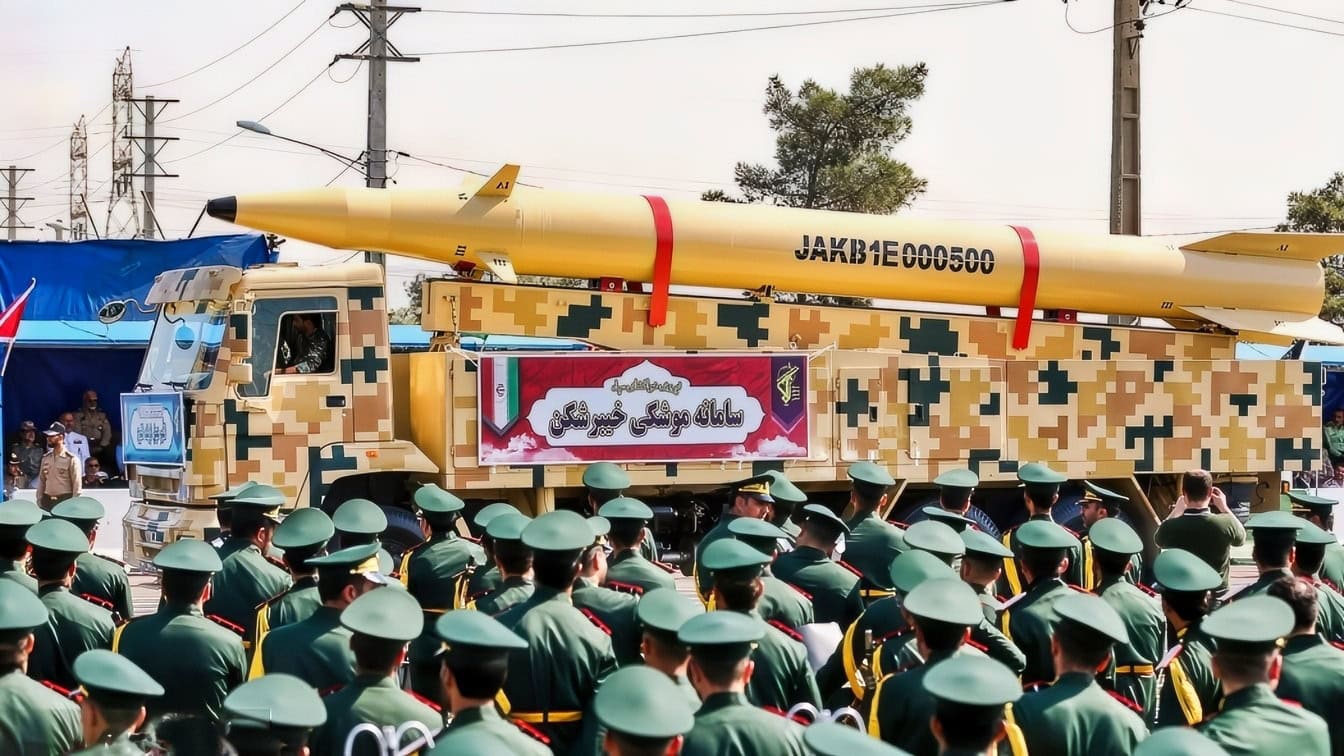
Scholars Tian Kaiyuan and Wang Jianfei from the Academy of Military Sciences wrote in the Guangming Daily on April 12, defining the Iran War as a transition from force-on-force confrontation to system competition, advocating for distributed command, strike-enabled nodes, and low-cost attrition, which they termed system guerrilla warfare. On April 13, Xu Fangming from the same academy published in the PLA Daily, stating that the war accelerated the shift from human-led linear killing to AI-enabled networked kill webs. Scholars from the National University of Defense Technology specifically studied the use of the U.S. military's Maven intelligence system in Iran, believing that AI permeates the entire kill web—intelligence fusion, target prioritization, route planning, autonomous attacks, and manned-unmanned collaboration, rather than being concentrated at a single decision point.
Interestingly, scholar Kuang Lashen from the Academy of Military Sciences poured cold water on AI: algorithms cannot replace preparation. He proposed that pre-positioned intelligence preparation is fundamental—U.S. military AI can accelerate target localization, relying on years of human intelligence, technical reconnaissance, activity pattern mapping, and pre-war drills; if the data fed to the algorithm becomes outdated or is deceived, even the strongest model cannot produce results.
Air Defense Economics: The First Principle of Attrition Warfare
Perhaps the most concerning issue for PLA scholars is the economic calculations of air defense. Iran's use of low-cost drones to consume interceptors that are far more expensive has left a deep impression on Chinese researchers. By 2025, domestic journals had already modeled the performance of the Iron Dome under intense rocket attacks, and in 2026, the latest articles distilled four lessons from the U.S.-Iran and Israel-Iran conflicts: insufficient defensive coverage, weak recovery capability from losses, high production costs, and a shortage of interceptors, while studying how the U.S. military uses AI to identify multi-directional incoming targets and launch interceptors from dispersed positions. Air Force-associated authors went further, characterizing the Iran War as a new type of large-scale unmanned offensive and defensive attrition warfare, with three main lines: distributed cross-domain operations, mixed use of advanced and low-cost weapons, and a higher degree of autonomous collaboration, advocating for the pairing of low-cost sensors and interceptors with high-end systems and the dispersed placement of key nodes. This is actually a path that Chinese military industry has long promoted—anti-drone systems have always been a mix of missiles, anti-aircraft artillery, electronic warfare, lasers, and high-power microwaves, with the goal not merely to intercept targets but to optimize the exchange ratio and maintain defensive capabilities amid saturation attacks.
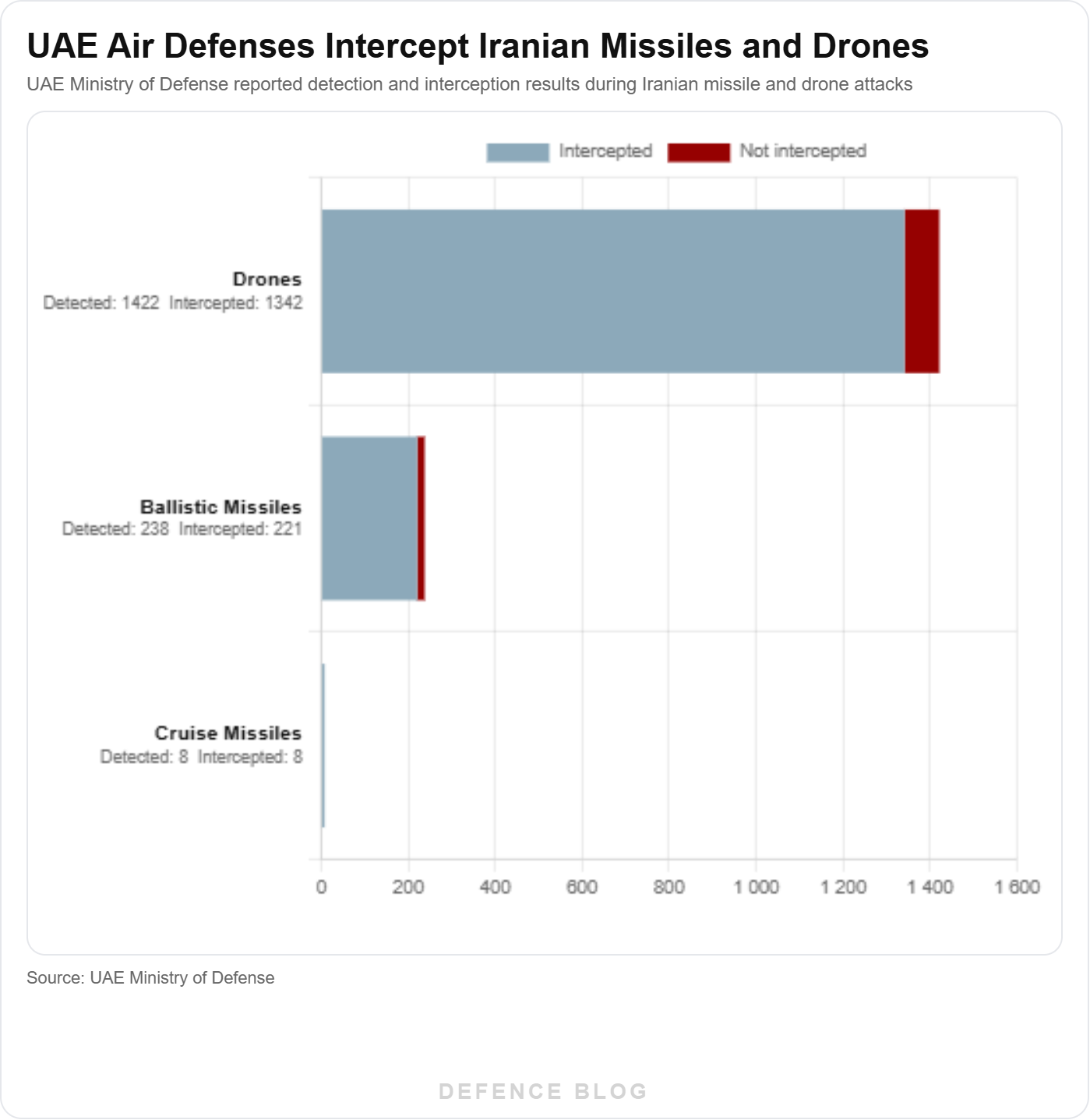
Data released by the UAE Ministry of Defense can serve as a footnote: during various interceptions, 1,422 drones were detected, 1,342 were intercepted, and 238 ballistic missiles were intercepted out of 221. It looks impressive, but when calculating the cost of a single Patriot missile at hundreds of thousands to over a million dollars, this equation always results in a loss.
Incorporating Supply Chains into Target Lists
On April 12, Zhao Lei and Liu Ning from the National Defense University published in the Guangming Daily, linking the kill chain with the supply chain: airports, ports, warehouses, pipelines, power facilities, and data centers are all operationally significant targets; destroying them can paralyze the entire operational system. In May, a report from the National Security Ministry's associated think tank, the Modern Institute, further proposed infrastructure warfare, specifically naming commercial clouds and data centers— the deeper AI penetrates intelligence, target recognition, and precision strikes, the more the physical facilities supporting these functions become targets. At the April seminar of Modern International Relations, Tang Zhichao from the Chinese Academy of Social Sciences' Institute of West Asian and African Studies emphasized a non-contact warfare centered on missiles and drones; Chen Wenxin from the Modern Institute focused on the cost imbalance between low-cost drone missiles and Patriot and THAAD interceptors; and Chen Qinghong highlighted the vulnerabilities of ammunition stockpiles, defense industrial capacity, and U.S. military forward bases. Each of these points represents both China's strengths and concerns.
The Hidden Danger of Theory Preceding War
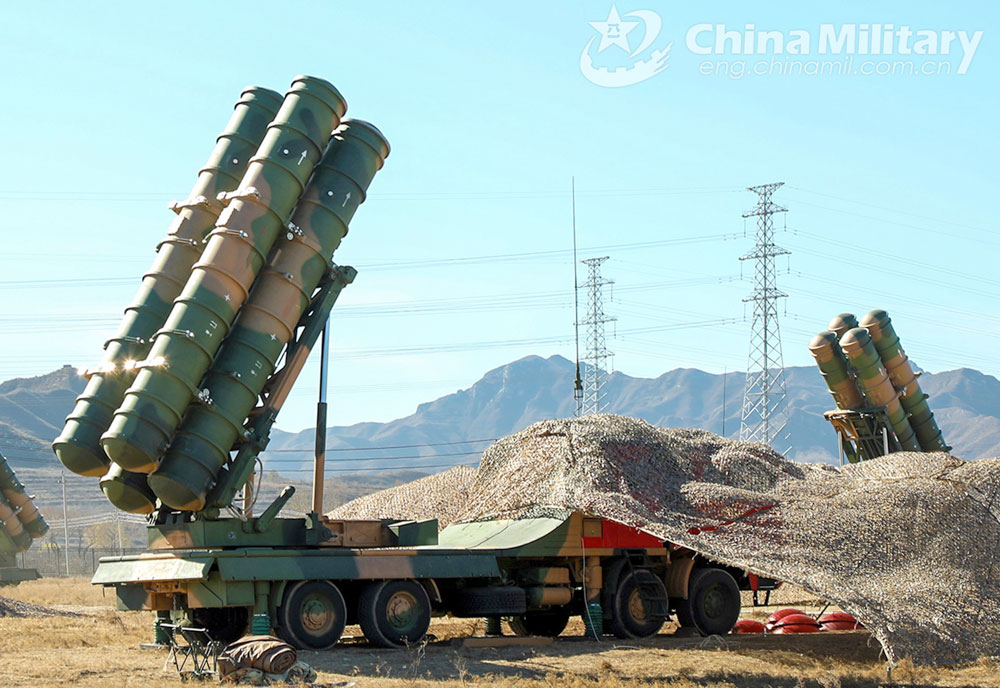
The author notes a more subtle layer: these conclusions almost all existed in the PLA's discourse system before the war broke out. Scholars from the Academy of Military Sciences interpret the Iran War as a verification of system competition, and the pre-war research from the Rocket Force Engineering University had already drawn the structural diagram from sensors to shooters. In other words, Chinese scholars are not discovering new laws from the battlefield but are using the battlefield to endorse old frameworks.
This brings a risk: selective reading. The Iranian air defense system was quickly suppressed at the beginning of the war, and the highest command nodes suffered heavy losses; these failures are discussed far less in public papers than the distributed resilience. When a theoretical framework exists before the war, how much weight does battlefield verification carry? Ultimately, the PLA has not fought a proper war in nearly fifty years; validating its theories on someone else's battlefield raises the greatest fear of only seeing the conclusions it wants to see. What is truly worth tracking is not what Chinese scholars have summarized, but which battle cases they have deliberately overlooked—that is the real blind spot for the next war.
PLA scholars reviewed the Iran conflict, emphasizing the effectiveness of low-cost drones against expensive interceptors. They noted the transition to AI-enabled warfare and the importance of supply chain targets in military strategy. The analysis highlighted lessons learned regarding defense economics and operational resilience.
- PLA scholars analyzed the Iran conflict for military lessons.
- The use of cheap drones against expensive interceptors was highlighted as a key issue.
- AI's role in modern warfare was emphasized, particularly in targeting and decision-making.
- The report discusses the economic aspects of air defense and supply chain vulnerabilities.