
PLA Y-20B Publicly Displays Aerial Refueling Pod for the First Time, Extending Long-Range Air Operations Radius of Transport Aircraft Further
 Li Minghui
PLA Y-20B Publicly Displays Aerial Refueling Pod for the First Time, Extending the Long-Range Air Operations Radius of the Transport Aircraft
A training image may illustrate better than a public exercise what the PLA Air Force is currently focusing on. According to the South China Morning Post on October 20, in the training images released by the PLA Air Force, an aerial refueling pod appears under the wing of a Y-20B transport aircraft. Previously, Chinese state media had introduced the modular mission concept of the Y-20B multiple times, but this image advances the idea of a "transport aircraft that also serves as a tanker" from a promotional concept to an observable equipment state.
The Value of the Pod is More Than Just an Additional Mission
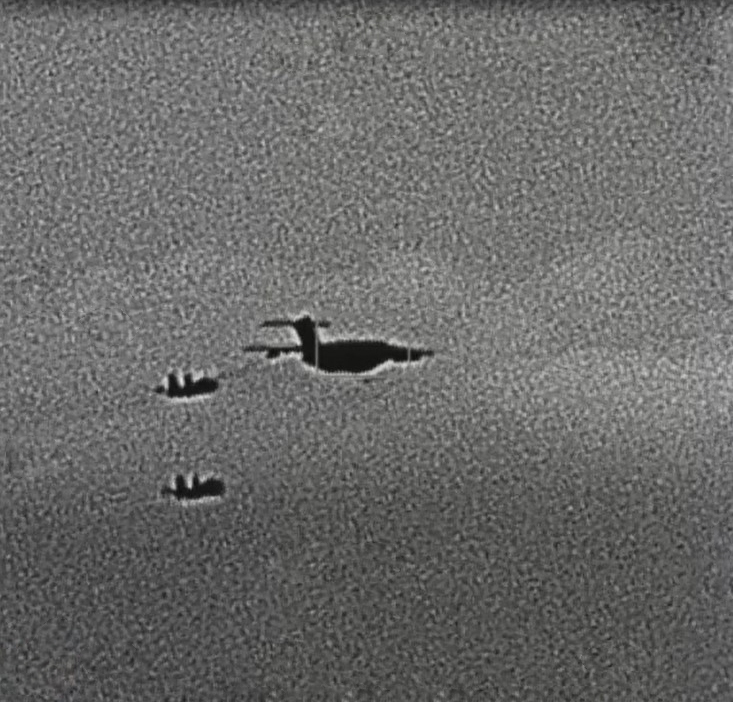
The Y-20 series is fundamentally positioned as a large strategic transport aircraft, with publicly available information typically stating a maximum payload of about 55 tons, with range varying based on payload, flight path, and mission configuration. The key changes in the Y-20B include enhancements to the power system and integrated support capabilities; however, there is still insufficient public information regarding how much fuel this aircraft carries in the image and how many fighter jets it can continuously refuel, so the appearance of the "pod" cannot be directly equated to a mature YY-20 dedicated tanker.
However, the significance of a detachable or modular pod is very practical. Dedicated tankers require long-term occupation of the fleet, airport support, and maintenance resources, while transport aircraft can switch between airlift, personnel delivery, and aerial refueling based on mission needs. In simple terms, it allows the same batch of large platforms to undertake transport duties in peacetime and temporarily add aerial refueling nodes during crises. This does not increase the total amount of fuel available but enhances the scheduling flexibility of the fleet.
From YY-20 to Y-20B: The System is Becoming Layered
China already possesses the YY-20 aerial refueling aircraft, which has a refueling pipe and receiver configuration that is closer to a dedicated platform. The Y-20B, equipped with under-wing pods, serves more as a supplement to the mission system: the YY-20 is responsible for relatively stable and high-frequency refueling tasks, while the Y-20B provides additional "refueling appendages" when needed. The two are not mutually exclusive but connect large transport aircraft, dedicated tankers, and combat aircraft such as the J-16 and J-20.
This is also a trend in China's military industry in recent years that is easily overlooked. Equipment upgrades no longer solely pursue single-item performance but emphasize the multi-task utilization rate of the same platform. For the PLA, the bottleneck of long-range air operations has never been just the number of fighter jets but also includes fuel, spare parts, airports, and the aerial command chain. The value of a multi-role transport aircraft lies in its ability to convert some of that logistical pressure into mobile aerial support capability.
Real-World Impacts in the Taiwan Strait and South China Sea
If the Y-20B's pod scheme enters stable training, the most direct beneficiaries will be the air forces that need to execute missions over considerable maritime and aerial distances. In the Taiwan Strait, aerial refueling can improve the time that fighter jets can remain airborne in the eastern part of Taiwan and further out to sea; in the South China Sea, it helps connect aerial activities between mainland bases, island airports, and naval formations into a longer chain. It does not mean that the PLA has gained unrestricted long-range delivery capability, as tankers themselves also require escort, early warning, and secure airspace.
More importantly, modular design may change production capacity calculations. If the same production line can manufacture transport, tanker, and mission-modified aircraft, the military does not have to decide the final use of the entire fleet in peacetime. However, public information has not provided answers regarding the actual number of Y-20B deliveries, whether the pods have formed into batch equipment, and the impact of engine reliability on operational rates. It is often said in the industry that "being able to fly" and "being able to sustain operations" are two different things, and this judgment also applies to the Y-20B.
The Real Test is Sustained Operations
The South China Morning Post, Global Times, and the Chinese Ministry of Defense have provided information from different perspectives: the former confirmed the training images, the latter emphasized the mission value of the modular refueling pod, and official materials showcased the transport positioning of the Y-20 series. Looking at these clues together, the news value of the Y-20B lies not in its sudden transformation into a large tanker but in the PLA's attempt to achieve more flexible long-range air support with fewer dedicated platforms.
The author believes that the next step worth observing is not whether a similar photo can be seen again, but whether this configuration can appear in cross-day-and-night, multi-aircraft coordination, and distant sea training. Only when the Y-20B can stably switch between transport and refueling missions while maintaining an acceptable operational rate can it truly be considered to have filled the gaps in the PLA's long-range air system.
References
- South China Morning Post, October 20, 2026, report on the PLA Air Force publicly displaying Y-20B refueling transport configuration training images.
- Global Times, October 19, 2026, report on the Y-20B modular refueling pod and dual-mission capability.
- Chinese Ministry of Defense, August 13, 2026, public information on the Y-20 transport aircraft.
The People's Liberation Army Air Force (PLAAF) has publicly showcased the Y-20B transport aircraft equipped with an aerial refueling pod, enhancing its long-range operational capabilities. This modification allows the Y-20B to perform dual roles, improving the operational flexibility of the PLAAF in the Taiwan Strait and South China Sea. The Y-20B's maximum payload is approximately 55 tons, and the modular design of the refueling pod allows for efficient task switching between transport and refueling missions.
- The Y-20B has been publicly shown with an aerial refueling pod for the first time.
- This modification allows the Y-20B to perform dual roles as a transport and refueling aircraft.
- The Y-20B's maximum payload is approximately 55 tons, with variable range based on mission configuration.
- The modular design of the refueling pod enhances operational flexibility without requiring dedicated refueling aircraft.
- The introduction of this capability is expected to improve the operational range of PLAAF aircraft in the Taiwan Strait and South China Sea.