

The war in Ukraine is a stalemate, and everyone now admits it. Last week, American Secretary of State Marco Rubio called it a “dangerous stalemate.” The Kremlin agreed. US-Ukrainian talks in Miami were “productive,” as such talks always are, and produced nothing.
This is likely the shape of the war until at least January 2029, when US President Donald Trump leaves office.
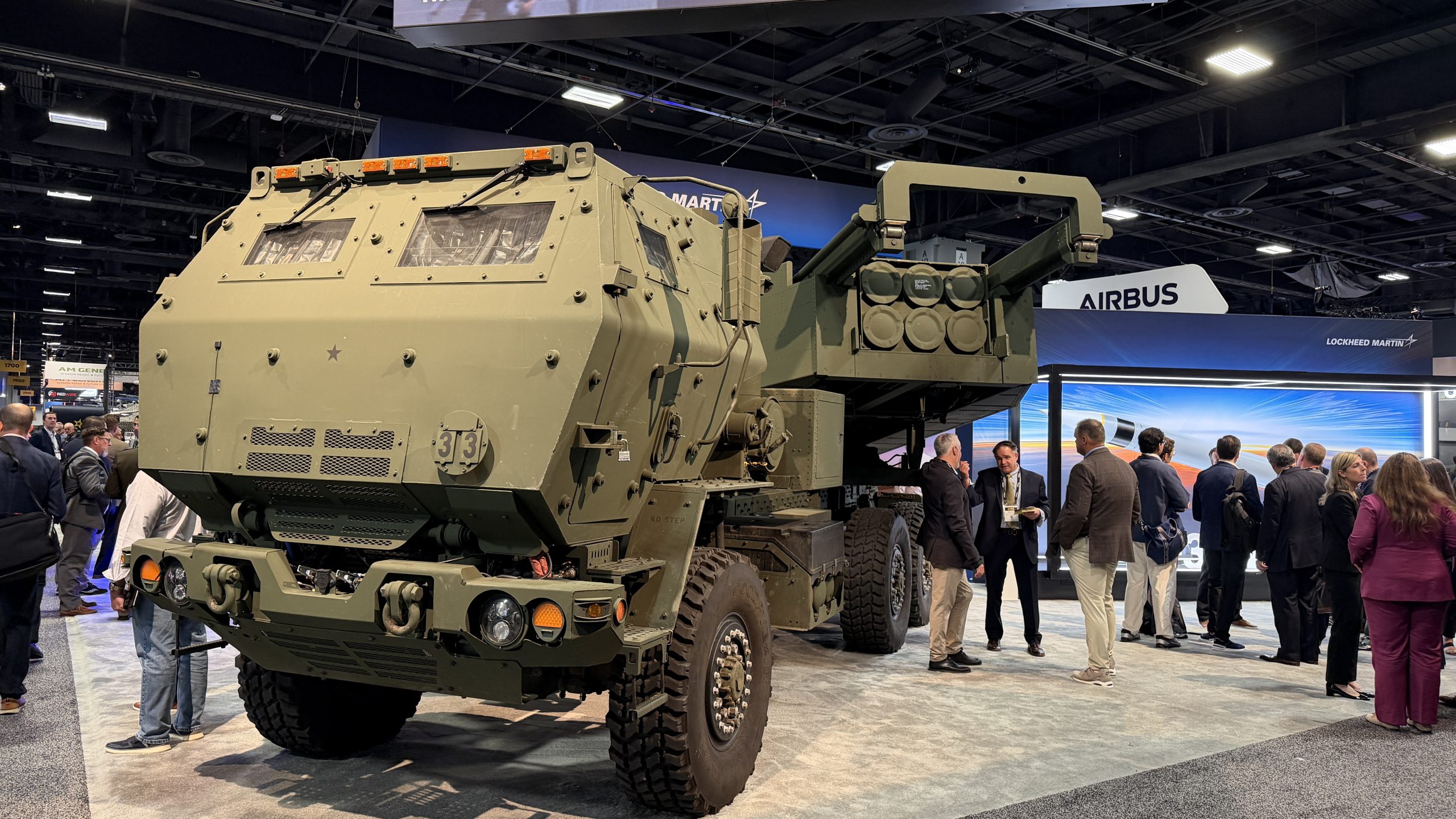
HIMARS like in Ukraine. Lockheed Martin Booth at AUSA 2026. 19FortyFive Photo.
The reason is not Ukraine. It is Russian President Vladimir Putin.
Trump is Putin’s Best Deal
Putin will never get a better American partner than Trump. Trump cut off US aid to Ukraine and has repeatedly blamed Kyiv for the war. Just last week, he lifted sanctions on Russian diesel until April to lower American fuel prices before the midterms. Any Democrat elected in 2028, and most Republicans, would be tougher.
If Putin wanted a deal, now is the time. He could likely keep most of the territory he holds and extract a pledge from Ukraine to stay out of NATO. Instead, the Kremlin insists on a “comprehensive” settlement – code for Ukrainian surrender. Ukraine will not accept this, and Russia cannot win much more on the battlefield without huge risks like nuclear escalation.
Russia cannot win. From January to late May, Russia gained a net 104 square kilometers, against more than 1,600 in the same period last year. Ukrainian drones have degraded Russian refining capacity so much that Moscow banned diesel exports in July. Growth is near zero, and taxes are rising.
Rumor has it Putin will impose a society-wide draft later this year.
But the social unrest that would likely provoke in his ethnic Russian political base – who have been insulated from the war somewhat – is a huge risk (which is why he has not done it so far).
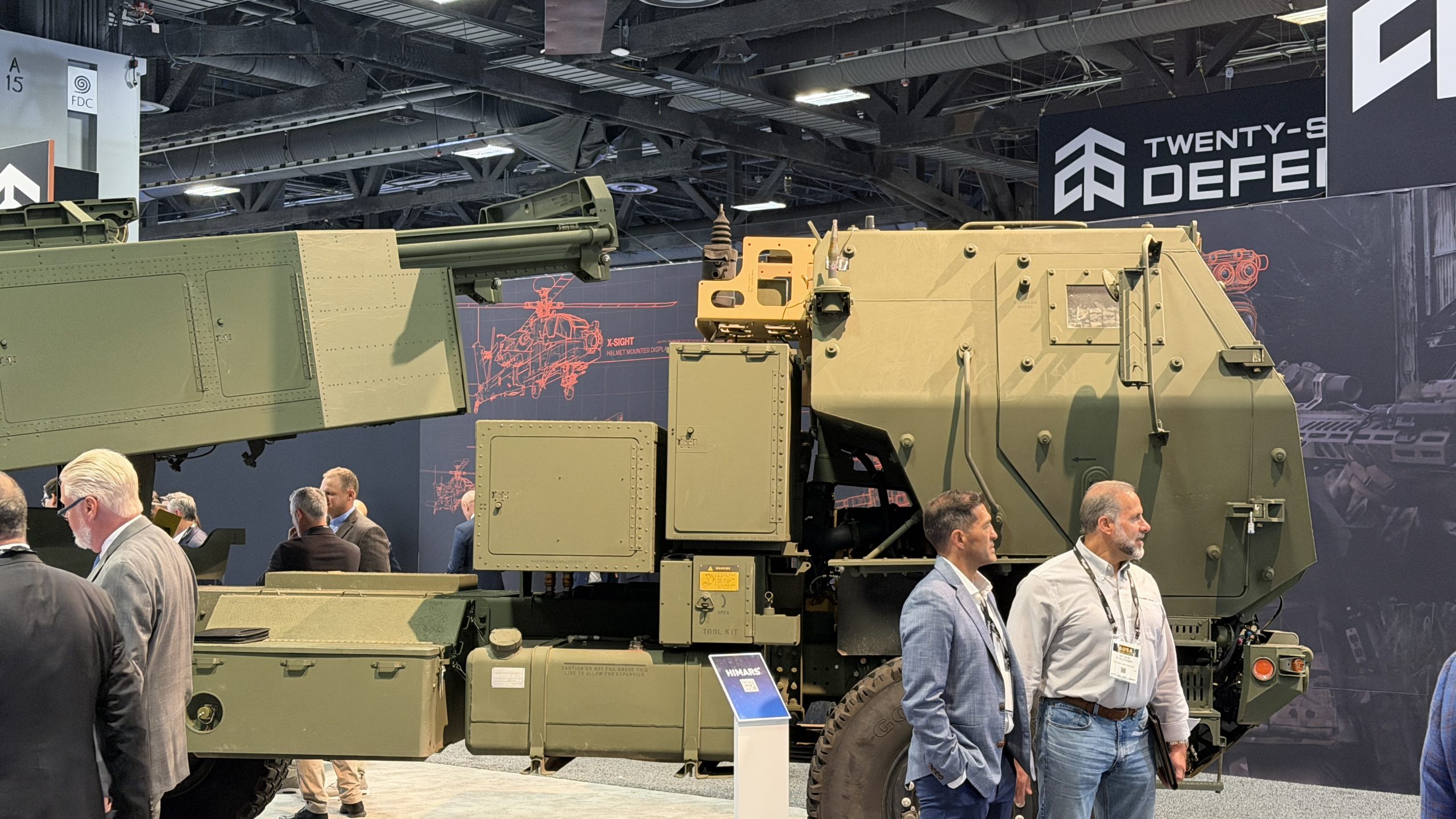
HIMARS like in Ukraine. Lockheed Martin Booth at AUSA 2026. 19FortyFive Photo.
So why will Putin not take the best deal he will ever get?
Defeat Comes Home
The answer is domestic. Putin cannot end this war in a way that looks like a loss, because a loss could end him.
Russian history is unkind to leaders who lose wars.
Defeat by Japan in 1905 sparked revolution. Military failure in the First World War brought down Czar Nicholas II in 1917. Germany’s collapse in 1918 cost the Kaiser his throne and poisoned the Weimar Republic with the myth of a ‘stab in the back.’ Hein Goemans notes that leaders who fear punishment at home for defeat keep fighting losing wars long after it makes strategic sense. They gamble for resurrection.
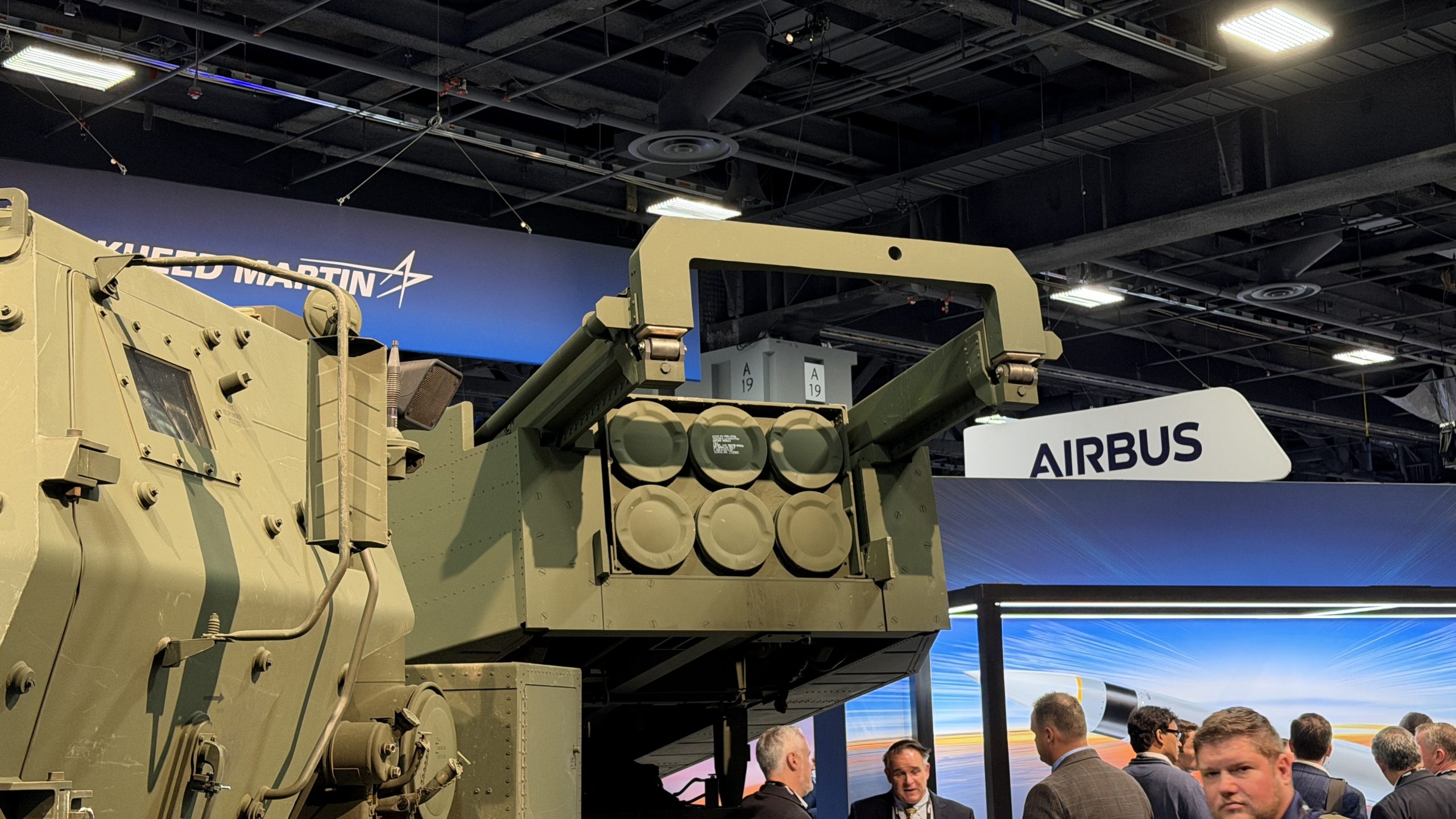
HIMARS like in Ukraine. Lockheed Martin Booth at AUSA 2026. 19FortyFive Photo.
That is Putin. He has spent nearly five years, hundreds of thousands of casualties, and much of Russia’s economic future on this war. A settlement that leaves Ukraine sovereign, armed, and Western-leaning invites the regular Russians to ask what it was all for. A frozen war defers that question indefinitely. An indefinite stalemate is Putin’s second-best option to a no longer achievable victory.
The Korean Model
What emerges looks like Korea. The Korean front stalemated in mid-1951, but the war dragged on two more years before the 1953 armistice, not a peace treaty. Seventy-three years later, there is still no peace treaty.
That ‘temporary’ arrangement has become normalized over time.
Ukraine is heading toward something similar, but worse.
American troops reinforced South Korea’s frontline. Ukraine has no such tripwire, and its security guarantees remain only a talking point. Also, South Korea’s border has gradually settled.
Ukraine’s will not.
Drone and missile strikes on cities, refineries, and power grids will continue – Russia killed 20 people in Zaporizhzhia the day after the Miami talks.
Western policy should plan accordingly. A peace deal is not coming soon, because the man who must sign it fears its consequences more than the war’s. Europe must fund Ukraine for the long haul, and Washington should stop easing pressure on Moscow in exchange for nothing. The war will not end until Putin believes ending it is safer than continuing.
That is unlikely before Trump leaves office, and possibly not before Putin does.
Author: Dr. Robert Kelly, Pusan National University
Dr. Robert E. Kelly is a professor of international relations in the Department of Political Science and Diplomacy at Pusan National University in South Korea. His research interests focus on Security in Northeast Asia, U.S. foreign policy, and international financial institutions. He has written for outlets including Foreign Affairs, the European Journal of International Relations, and The Economist, and has appeared on television news services such as the BBC and CCTV. His personal website/blog is here; his Twitter page is here.