
Qualified Warriors → Demolition Experts! Multi-Subject Live Explosive Training Enhances Comprehensive Breaching Capability
Recently, a certain brigade of the 71st Group Army organized an engineering unit to conduct a multi-subject, continuous live-explosive operation assessment, testing the soldiers' battlefield emergency response and comprehensive breaching capabilities.
Multi-Subject Live-Explosive Training Enhances Comprehensive Breaching Capability
At a comprehensive training ground in northern Jiangsu, the first assessment was for basic demolition tasks. Upon receiving the order, the soldiers followed the ignition tube detonation operation process, sequentially performing a series of operations such as cutting the fuse and making the ignition tube, and then quickly igniting the fuse in the designated area, successfully demolishing the target.
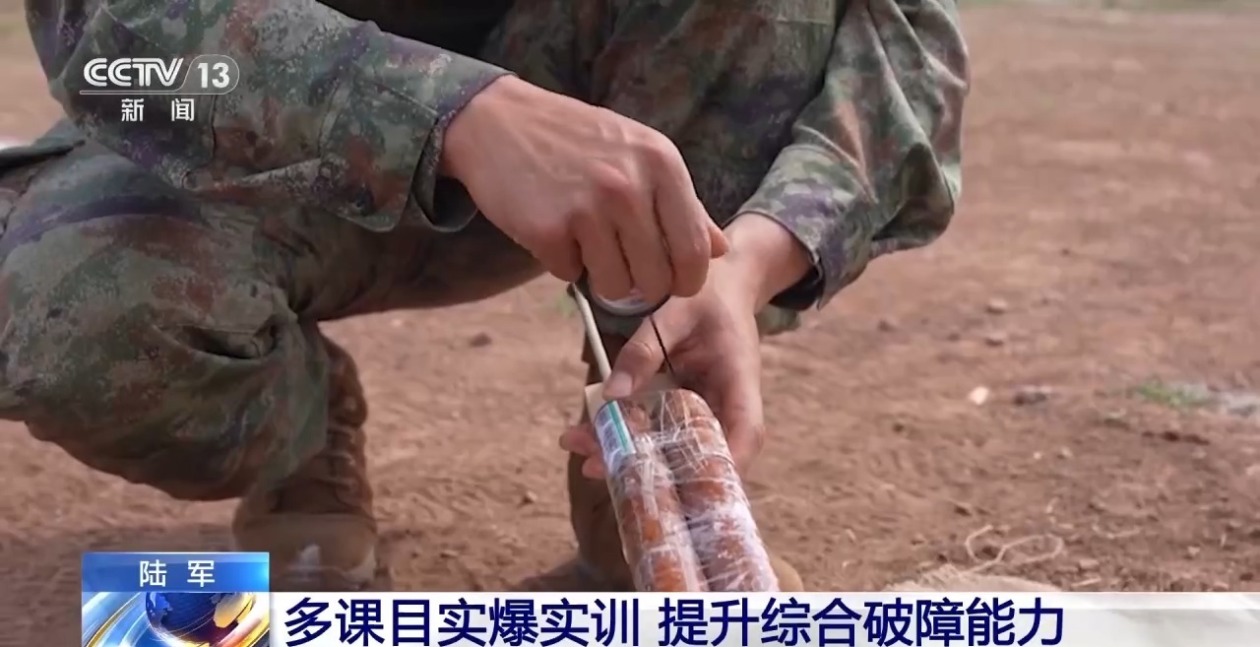
In the applied demolition assessment, the soldiers needed to flexibly select standard demolition equipment to operate against different types of obstacle targets. At the live demolition site, after assessing the situation, the demolition expert quickly approached the obstacle area with a dual-use demolition tube. With the detonation command issued, the demolition tube accurately destroyed the target obstacle, quickly opening a safe operational passage. Subsequently, live assessments of various standard demolition equipment such as individual shelter demolition devices and portable demolition devices further tested the soldiers' ability to comprehensively utilize multiple types of standard demolition equipment and various breaching methods to carry out combat missions.
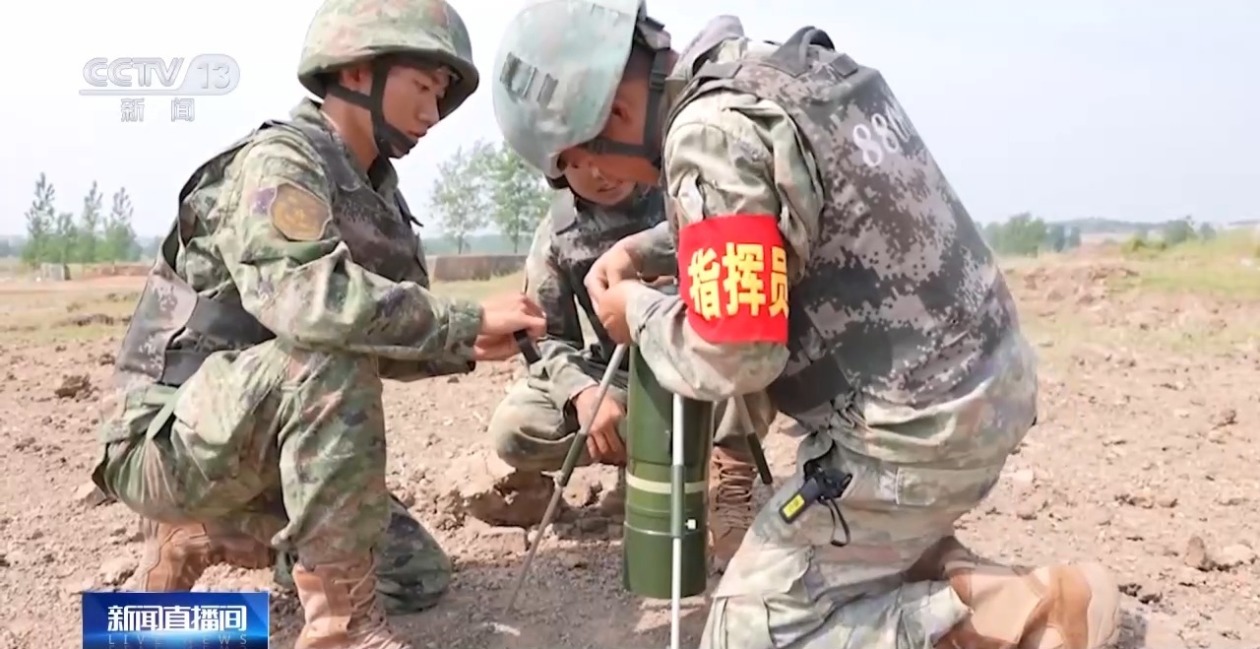
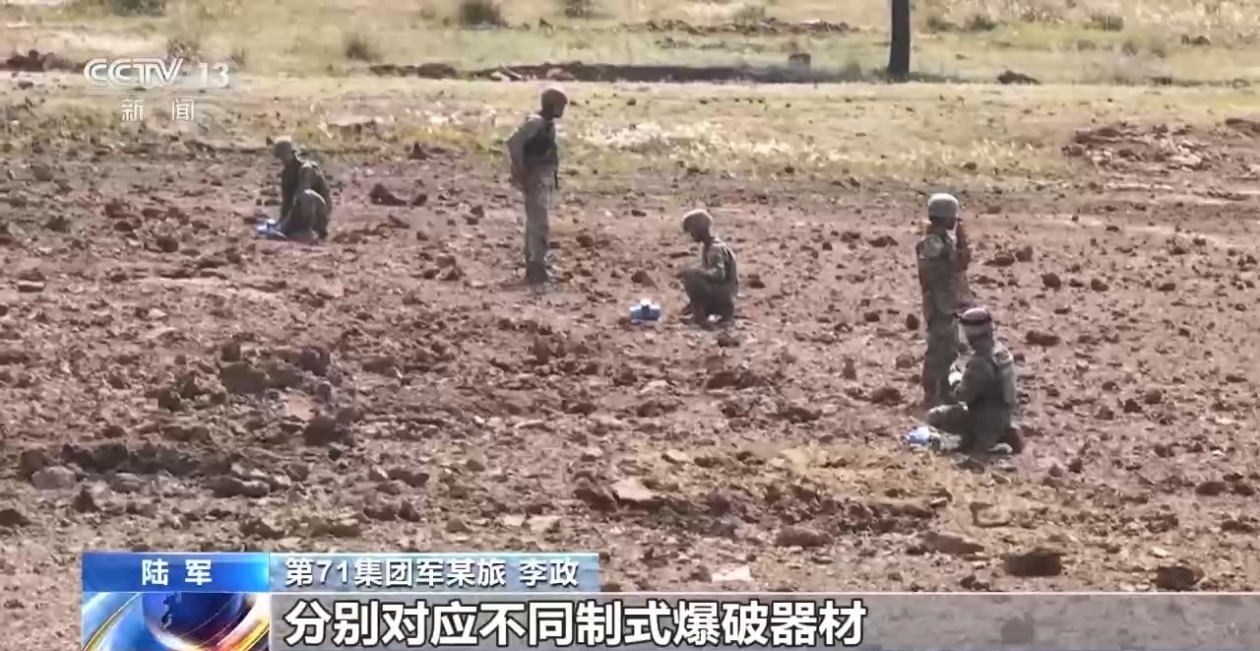
Li Zheng, a certain brigade of the 71st Group Army: This time we set up seven different obstacle environments, including traffic cones and barbed wire, corresponding to different standard demolition equipment. During the assessment, the soldiers needed to make precise judgments and respond quickly, fully testing their ability to use various standard demolition equipment and handle emergencies.
In team cooperative demolition, team members need to work together to handle more complex obstacle environments such as mixed minefields. During the assessment, the commander led the team members to quickly assess the enemy situation and organized the breaching team to carry individual rocket demolition devices to occupy the launch position, completing the setup and firing preparation. With the command issued, the rocket demolition device accurately flew to the target area, successfully opening three passages approximately 30 meters long and several meters wide.
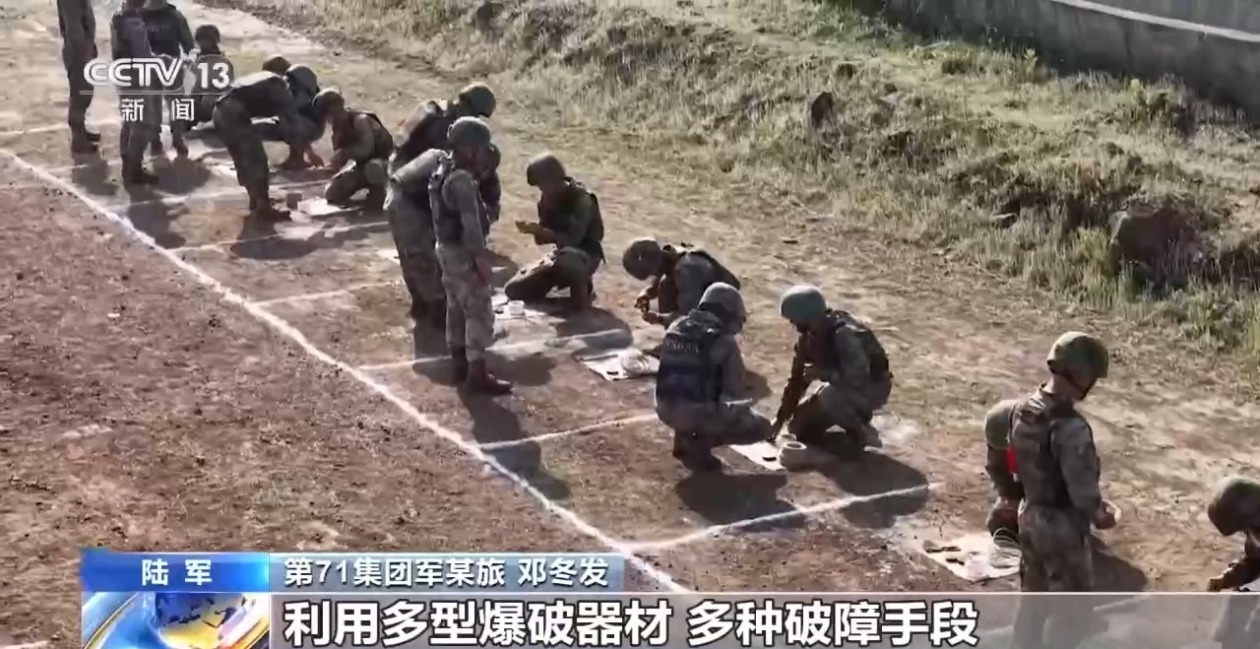
Deng Dongfa, a certain brigade of the 71st Group Army: In this live demolition training for the engineering unit, we constructed a challenging and rigorous training environment. Under a simulated combat background, we utilized various types of demolition equipment and breaching methods to conduct a comprehensive assessment of the breaching capabilities of the engineering unit, thoroughly forging the soldiers' strong psychological qualities and tactical skills, laying a solid foundation for carrying out diverse combat missions in the future.
What are the differences between different standard demolition equipment?
In live demolition training, soldiers used various types of standard demolition equipment to carry out demolition tasks. What are the differences between these demolition devices, and what types of demolition targets do they address?
The dual-use demolition tube is a standard individual demolition device equipped by our military, combining the advantages of rigid demolition tubes for breaching and flexible demolition tubes for terrain adaptation. It can be carried by a single soldier, modularly spliced, and is suitable for complex battlefield environments such as mountains, hills, trenches, barbed wire, and minefields. The dual-use demolition tube is flexible in combination, with multiple uses from one tube, and can be freely configured into three forms: fully rigid series, fully flexible bending layout, and a mix of rigid and flexible splicing. It has strong terrain adaptability, with flexible sections able to bend over 90°, allowing for close placement in ditches, circular barbed wire, and uneven obstacles without demolition dead zones; the rigid sections have sufficient penetration power, capable of handling both soft and hard obstacles with a single set of equipment.
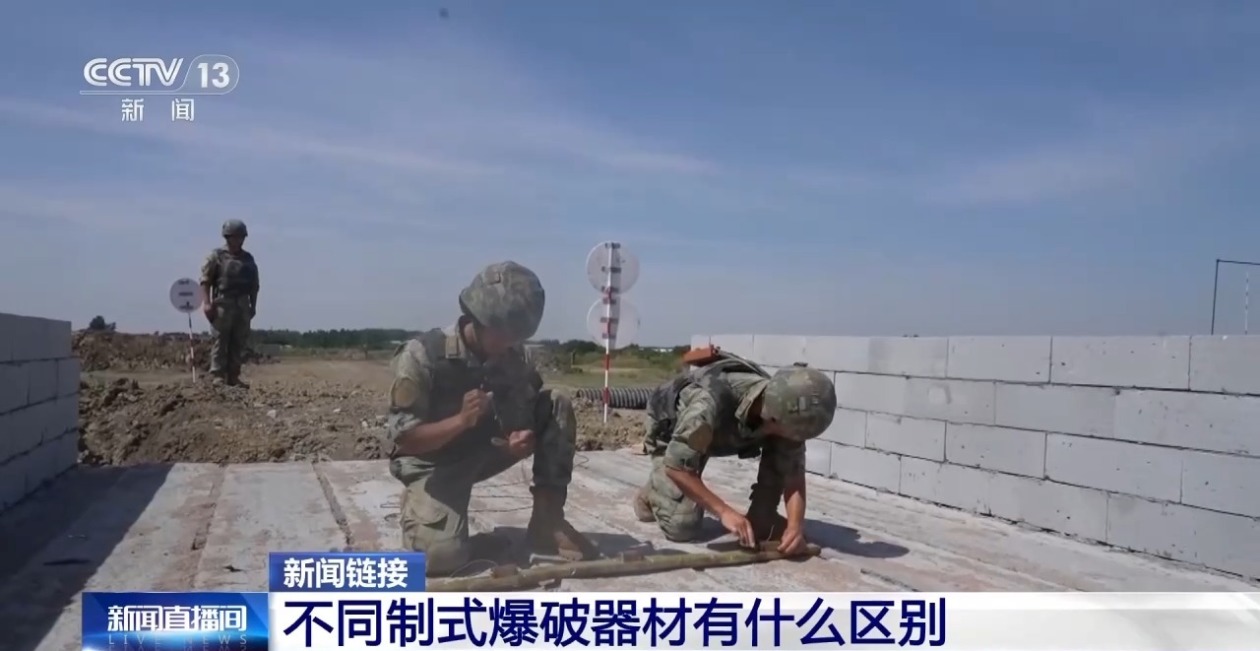
The portable breaching device is a demolition tool that is easy for individual soldiers to carry and operate, mainly used to quickly destroy solid obstacles such as enemy rail barriers and concrete traffic cones during amphibious landings or land operations. It can set detonation times through a control panel. In addition to timed detonation, it also supports emergency detonation modes to respond to sudden situations.
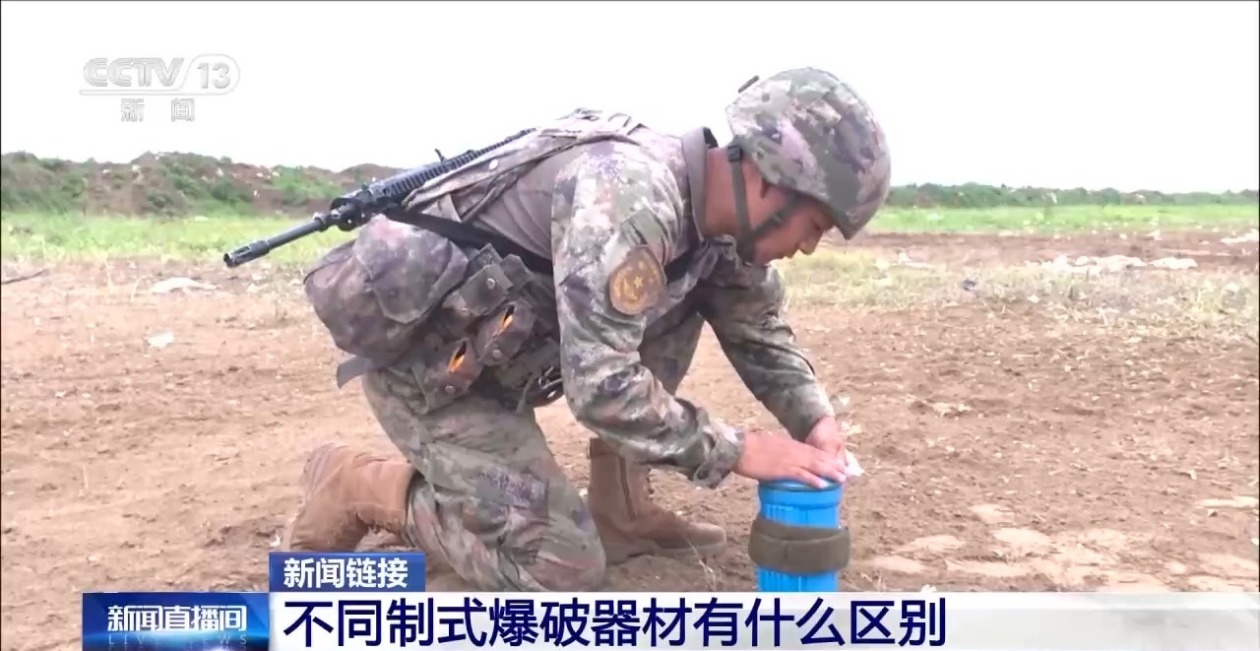
The individual shelter demolition device, also known as the pit demolition device, is a simple shelter construction tool for individual use, mainly consisting of a series of focused penetration explosives and pit explosives. It works by using focused penetration explosives to blast the pit explosives into the ground, creating a funnel-shaped pit. A simple cleanup results in a kneeling position shelter for a single soldier. Using this type of shelter demolition device not only saves manpower and reduces casualties but also effectively shortens construction time, providing reliable safety guarantees for troop operations.
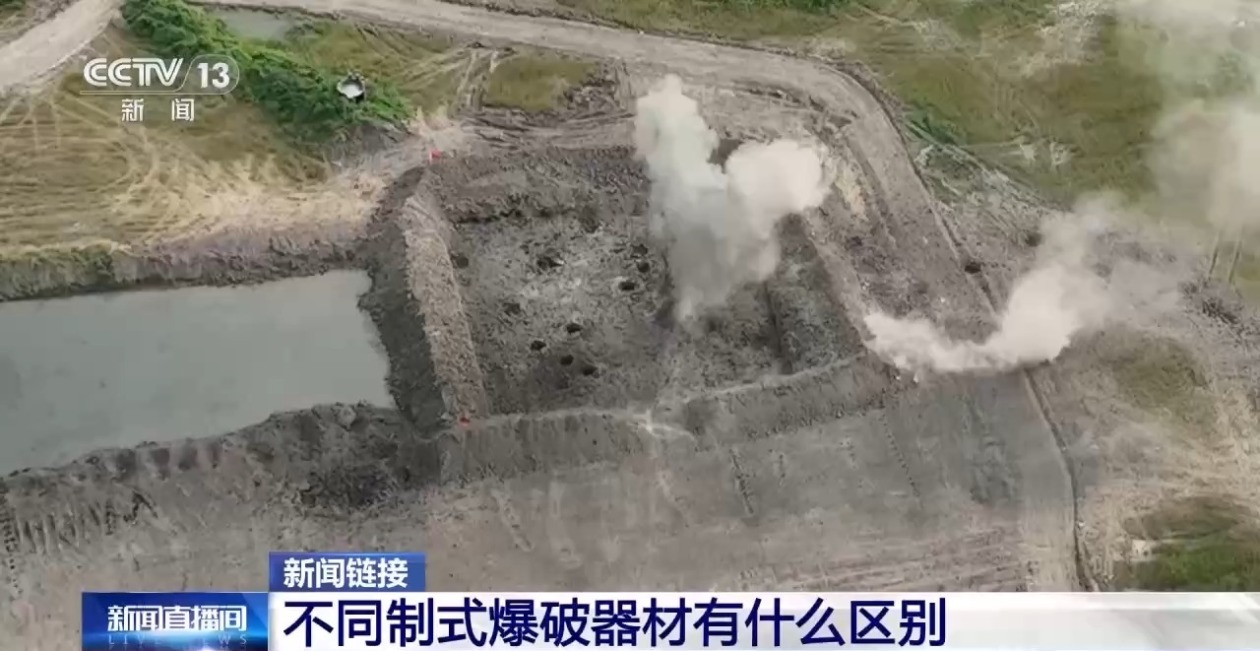
The individual rocket demolition device is a demolition tool used for mine clearance and breaching. It features fast mine clearance speed, mobility, and ease of use, making it widely applied in troop operations. It uses rockets as propulsion to deliver mine-clearing demolition charges (flexible explosive belts or demolition tubes) into minefields and other obstacles, utilizing the explosive power of the breaching charges to destroy landmines and other obstacles, thereby opening a path for assault teams.
How do new recruits transition from "novices" to proficient in their first live demolition operations?
Facing the dangers of various standard demolition equipment, many new recruits are participating in live demolition operations for the first time. The transition from a novice "rookie" to proficient in the operational process relies on experienced soldiers imparting a series of practical insights.
Before new recruits participate in live demolition operations for the first time, the unit generally adopts a "senior mentoring junior" model, selecting experienced personnel with rich live demolition experience to serve as instructors and safety officers. Through theoretical lectures, experience sharing, simulated training, and review analysis, they help new operators overcome psychological barriers and familiarize themselves with the operational process. In theoretical lectures, instructors provide detailed explanations of various standard demolition equipment, breaking down the structure, charge combinations, detonation principles, and safety operation norms, while using visual aids to outline key risk points in live demolition, clarifying the equipment selection standards corresponding to different obstacles, ensuring that new recruits grasp the basic theoretical knowledge of the equipment.
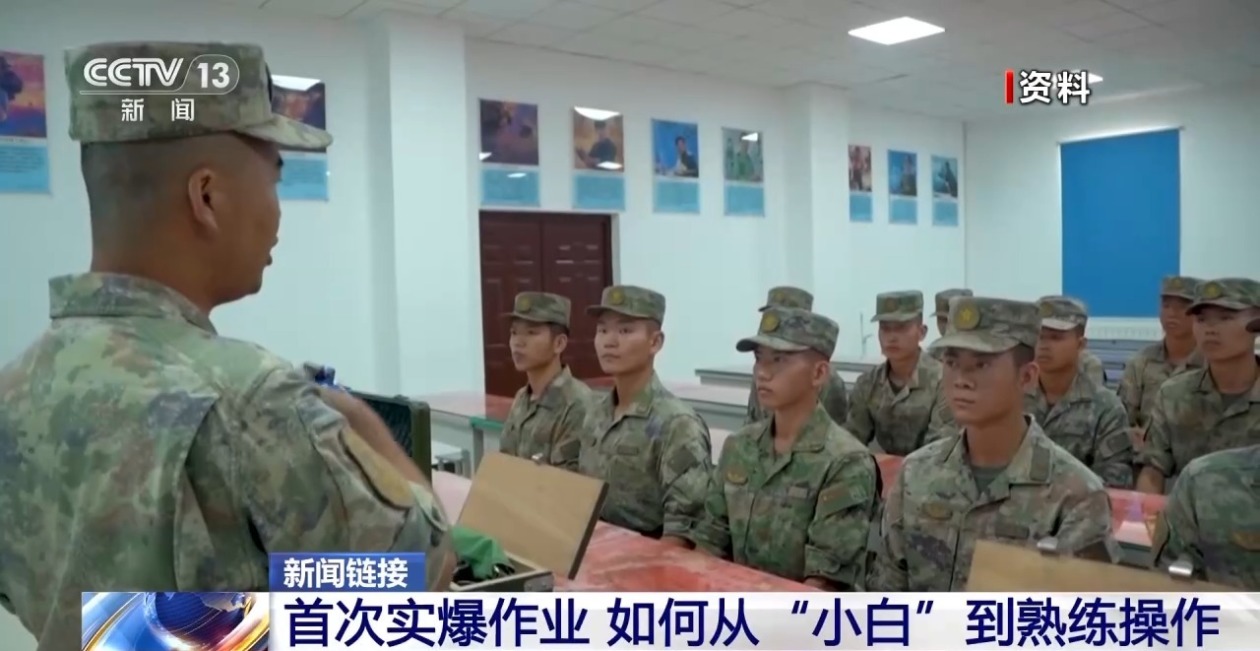
During experience sharing, instructors also combine their own multiple live demolition experiences to discuss psychological adjustment techniques for placing demolition equipment at close range, methods for handling emergencies, and common mistakes that can occur throughout the disassembly, assembly, wiring, and evacuation processes, using real experiences to alleviate the nervousness and fear of new recruits and impart practical operational insights.
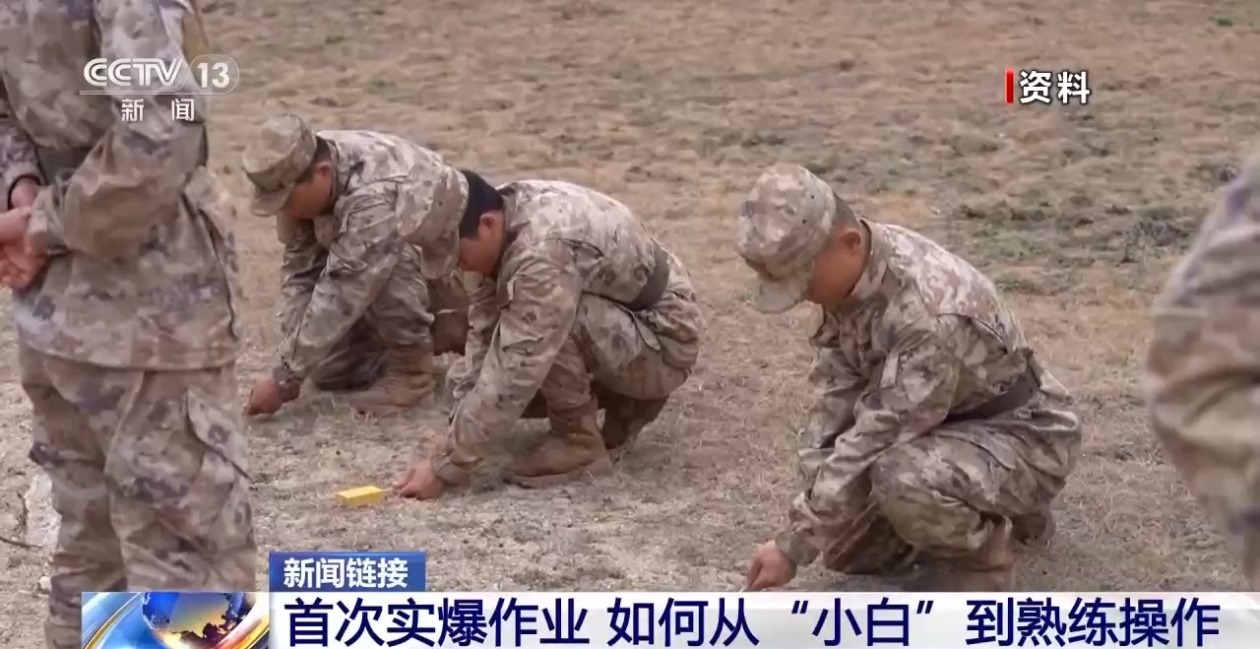
In simulated training, new recruits need to repeatedly practice operational exercises using dummy demolition tubes without explosives, from equipment disassembly and splicing, rigid and flexible section combinations, fuse installation to quick concealment and evacuation, with each step practiced and corrected individually. Experienced personnel stand by throughout to correct mistakes, standardizing every action detail, allowing new recruits to form muscle memory and master the entire operational process proficiently.
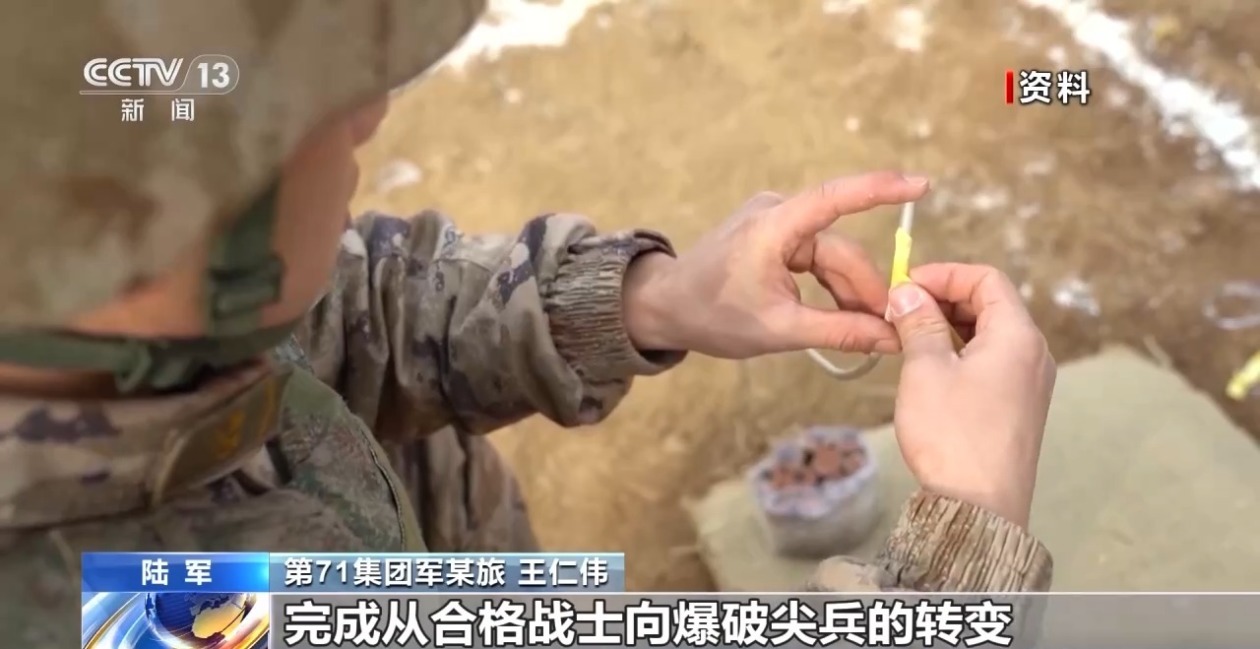
Wang Renwei, a certain brigade of the 71st Group Army: Only by making sufficient preparations can we effectively ensure the safety of each live demolition operation, helping new recruits gradually improve their practical application levels and complete the transition from qualified soldiers to demolition specialists.
The 71st Group Army conducted practical explosive training for engineering troops at a training ground in Suhua North, China. Troops assessed their demolition capabilities using various explosive devices against different obstacles. New soldiers participated in the training under the guidance of experienced personnel to enhance their skills and psychological resilience. The exercises aimed to prepare the troops for diverse combat tasks.
- The 71st Group Army conducted practical explosive training for engineering troops.
- Troops used various explosive devices to assess their demolition capabilities.
- Training included scenarios with different types of obstacles such as wire fences and concrete barriers.
- New soldiers received training under experienced personnel to enhance their skills.
- The exercises aimed to improve the troops' psychological resilience and tactical proficiency.