
Raytheon wins up to $6.3B to build more SM-3 interceptors
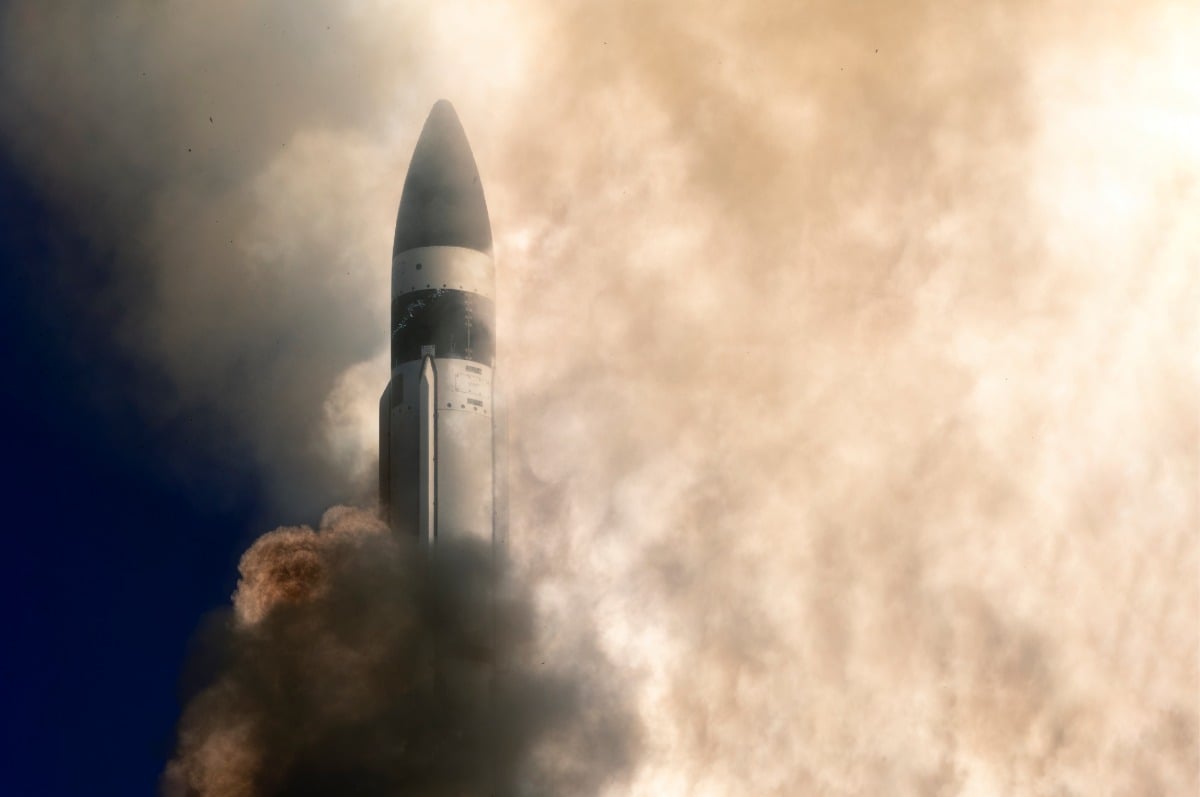
The U.S. Department of War and the Missile Defense Agency have awarded Raytheon a multiyear contract worth up to $6.3 billion to build and sustain Standard Missile-3 Block IB interceptors, the ship- and land-launched missiles the U.S. Navy uses to shoot down ballistic missiles in space.
The contract runs five years with two additional option years. It was issued as an undefinitized contract action, which lets Raytheon start work immediately while final terms and pricing are still being negotiated. Neither the Pentagon nor the company said how many interceptors the contract will buy or how quickly deliveries will begin. Production will take place mainly at Raytheon plants in Tucson, Arizona, and Huntsville, Alabama.
The SM-3 Block IB is built to destroy short- to intermediate-range ballistic missiles during the midcourse phase of flight, while they are outside the atmosphere, by hitting them directly rather than with an explosive warhead. It is launched from Aegis-equipped U.S. Navy destroyers and cruisers and from Aegis Ashore land sites, alongside the larger SM-3 Block IIA. The Block IB was first used in combat in April 2024, when U.S. Navy ships intercepted Iranian ballistic missiles fired at Israel, and it has been used again during this year’s war with Iran.
Raytheon said the award supports urgent replenishment of missile defense stocks that have been drawn down in combat.
“This award underscores Raytheon’s commitment to increasing production of critical munitions, ensuring our customers have the defensive capabilities they need, when they need them,” said Raytheon President Phil Jasper. “SM-3 Block IB has proven its relevance in combat and this contract helps ensure we can replenish inventories and keep pace with the evolving threats the U.S. Navy, MDA and their partners face around the world.”
The Pentagon said the multiyear deal is meant to give industry the production certainty to invest in assembly lines, solid rocket motor suppliers and smaller domestic subcontractors, where shortages have limited how fast interceptors can be built.
“Our warfighters must never face a fair fight, and the SM-3 Blk IB has proven its operational superiority to dominate any adversary across the globe,” said Michael P. Duffey, under secretary of war for acquisition and sustainment. “This contract provides production certainty to our defense industrial base, breaks sub-tier manufacturing bottlenecks, and ensures that our fleets and combatant commands have the interceptors required to dominate the battle space.”
The award is the latest under five framework agreements Raytheon signed with the Department of War in February, covering expanded production of Tomahawk cruise missiles, AMRAAM air-to-air missiles, SM-3 Block IB, SM-3 Block IIA and SM-6 under deals of up to seven years. Last week, Raytheon received a contract worth up to $24.4 billion for SM-6 production under the same framework.
The SM-3 Block IB line had slowed before the current buildup. In March, the Missile Defense Agency awarded Raytheon about $267 million for 23 more Block IB interceptors to restart production, bringing that order to 78 missiles, along with an $8.41 billion increase to the ceiling of a contract for SM-3 sustainment and engineering support.
Content preview only. Full article available at source. View Full Article
Raytheon received a multiyear contract worth up to $6.3 billion from the U.S. Department of War and Missile Defense Agency to build and sustain SM-3 Block IB interceptors. The contract, which runs for five years with two additional option years, allows immediate work commencement while final terms are negotiated. Production will primarily take place in Tucson, Arizona, and Huntsville, Alabama, supporting the replenishment of missile defense stocks used in recent conflicts.
- Raytheon awarded a contract worth up to $6.3 billion for SM-3 Block IB interceptors.
- The contract allows Raytheon to start work immediately while final terms are negotiated.
- Production will occur mainly in Tucson, Arizona, and Huntsville, Alabama.
- The SM-3 Block IB is designed to intercept ballistic missiles during their midcourse phase.
- The contract supports replenishment of missile defense stocks drawn down in combat.