
Russia Just Surrendered Tartus and Hmeimim and Called It a Win
 Alexandra Reeves
Russia Just Surrendered Tartus and Hmeimim and Called It a Win
Moscow has just signed away the two bases that made it a Mediterranean military power, and the Kremlin's allies are calling it a new chapter in bilateral relations. On August 9, Syria's Foreign Ministry announced a memorandum of understanding with Russia that ends Moscow's use of the Hmeimim airbase and the Tartus naval facility as military outposts. Damascus framed the deal as a "reorganizing of the Russian presence" along its coast. That is one way to put it. Another is that Russia, after 18 months of negotiations, accepted what it spent a decade fighting to prevent.
What the Deal Actually Says
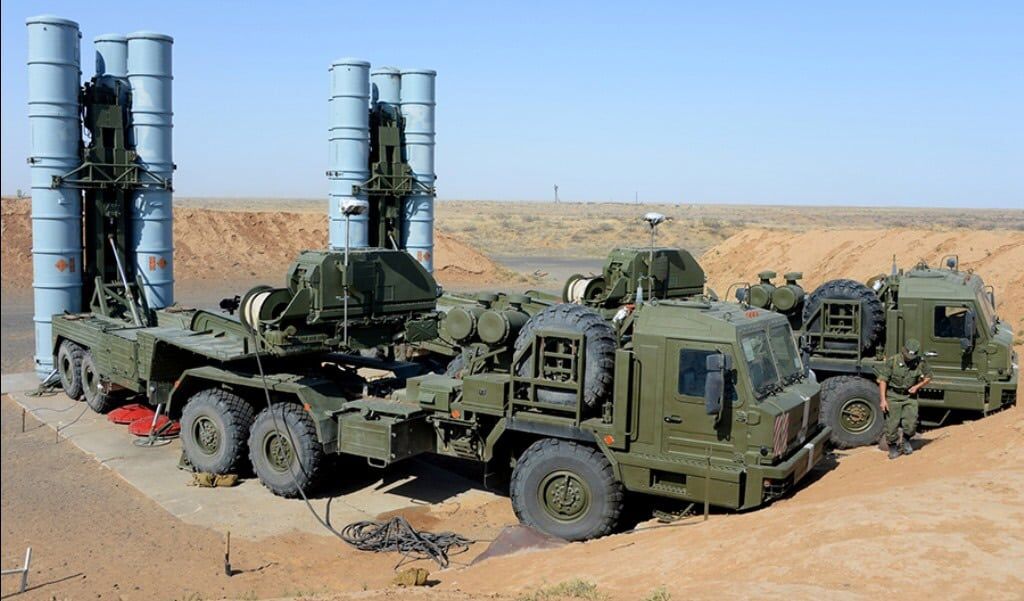
According to the Syrian Foreign Ministry, relayed through state news agency Sana, the memorandum transfers the civilian parts of both sites to Syrian administration. Damascus will take control of Hmeimim Airport and the fourth commercial berth at Tartus port, gradually integrating them into Syria's civilian administration. The military facilities at both locations will be rebranded as "joint training and rehabilitation centers." The ministry set a deadline of no more than three months for the transformation, calling it the "most significant development since negotiations began approximately a year and a half ago."
Syrian Foreign Minister Assad Shibani personally toured Latakia International Airport and Tartus port over the weekend, and Syria's General Authority of Civil Aviation took over management of the airport on Sunday. Russia, notably, did not immediately comment.
What Russia Actually Loses
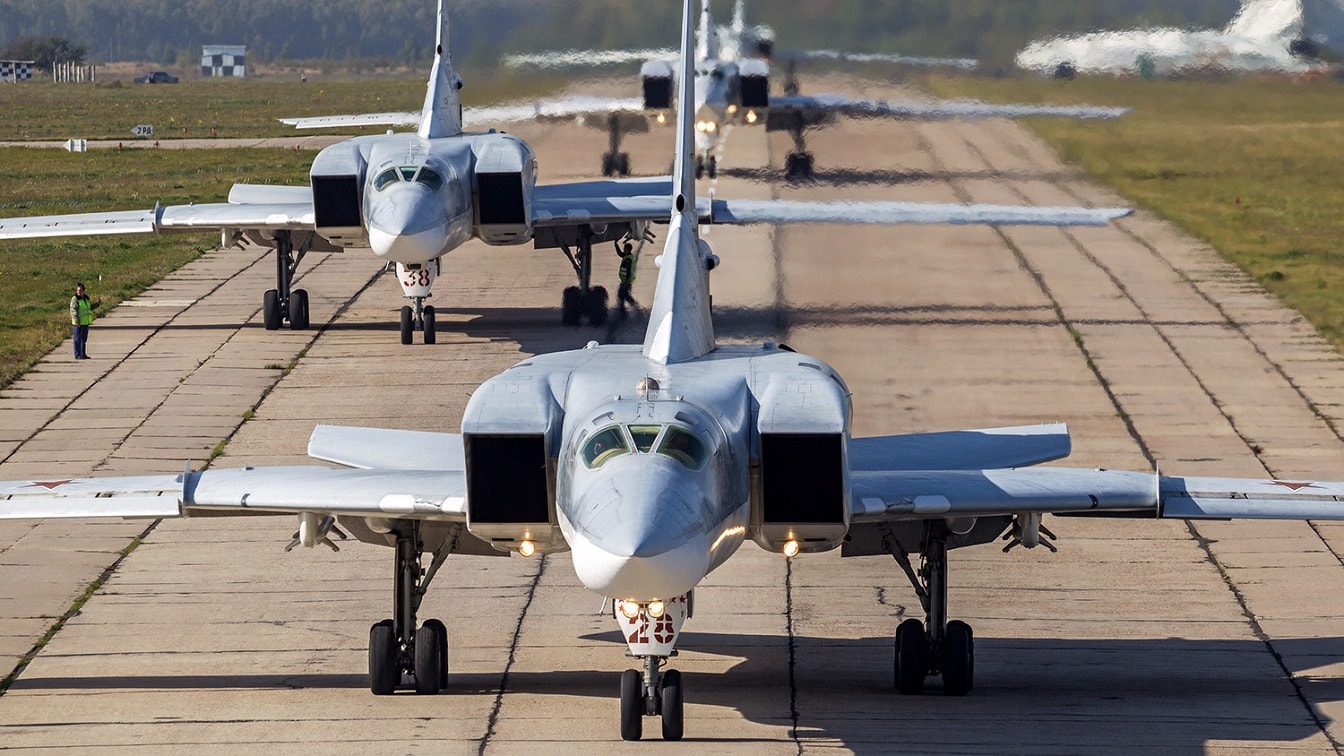
The scale of the concession is easy to miss if you focus on the word "joint." Tartus is Russia's only full naval maintenance and resupply hub in the Mediterranean, in continuous use since the Soviet Union established a naval support facility there in 1971. Hmeimim, opened in 2015 during Moscow's intervention to save Bashar al-Assad, served as the staging ground for Russian air power across the Levant and North Africa. As RUSI analysts have noted, the two bases together anchored Russia's logistical chain to Libya, the Red Sea, and Africa Corps operations in Sudan and West Africa.
Losing operational control of those facilities means Russia's Mediterranean squadron loses its maintenance center, its munitions resupply point, and its regional air hub all at once. That is not a symbolic loss. It is the difference between a navy that can sustain presence and a navy that can only visit.
Why Moscow Accepted It
Here's the uncomfortable part for the Kremlin's strategists: Russia had very little leverage left. The Ukraine war has consumed the military resources and diplomatic bandwidth Moscow once spent on Syria. Assad, whom Russia failed to save in December 2024, now lives in Moscow as a reminder of what that investment bought. Interim Syrian President Ahmad al-Sharaa visited Putin twice, in October 2025 and January 2026, and each visit reportedly pressed the bases issue.
The "joint training center" formulation is a face-saving device, and both sides know it. Russia keeps a toehold and a pretext for future influence; Syria reclaims sovereignty over its own coastline while avoiding the appearance of a humiliating expulsion. It is a compromise that lets Moscow tell its domestic audience the relationship survived while Damascus quietly recovered the assets.
"This move marks the most significant development since negotiations began approximately a year and a half ago, paving the way for a new phase in Syrian-Russian relations." — Syrian Foreign Ministry statement, August 9, 2026
The Geopolitics of the Exit
What makes this deal notable beyond the Levant is what it says about the broader moment. Washington is consumed by the confrontation with Iran in the Gulf, a crisis that has stretched the U.S. Navy and its allies thin in a different ocean. Turkey, the NATO member whose closure of the Bosporus first forced Russia to depend on Tartus, is watching Moscow's Mediterranean footprint shrink in real time. Israel, which has spent years striking Iranian assets in Syria, now faces a Syria with fewer Russian constraints but also fewer Russian defenses — a trade it will have to calculate carefully.
RUSI's commentary on Russia's basing options after Tartus points to Libya and Algeria as theoretical substitutes. Both are politically fraught, and neither offers the same access. Libya's factions would extract a high price; Algeria has shown no appetite for hosting a Russian base on NATO's southern periphery. The realistic read is that Russia's Mediterranean naval presence, a pillar of its great-power posture since the Soviet era, is now effectively a visiting schedule.
What to Watch Next
Three things matter in the coming months. First, the three-month deadline: whether the transformation actually completes by November or drags out in the familiar pattern of bilateral negotiations. Second, where the Russian equipment goes — aircraft and naval stores leaving Hmeimim and Tartus will have to go somewhere, and Libya is the obvious destination. Third, what "joint training" turns out to mean in practice, because the difference between a real Russian presence and a symbolic one will show up in the details of who commands what.
The bottom line is this: Russia's Mediterranean empire was built on Assad's survival, and when Assad fell, the bases were already living on borrowed time. The Ukraine war made sure Moscow could not buy that time back. Syria did not defeat Russia militarily — it simply waited until Moscow had nothing left to bargain with, then took back its coastline with a smile and a memorandum. That is not a new chapter in Syrian-Russian relations. It is an epitaph for Russian power projection in the Mediterranean, dressed up as a handshake.
Russia surrendered control of the Tartus naval facility and Hmeimim airbase to Syria on August 9, 2026, transitioning them to civilian administration. The military facilities will be rebranded as joint training centers, marking a significant shift in the strategic landscape of Russian influence in the Mediterranean. This development reflects Russia's diminished leverage in the region following the Ukraine war and Syria's reclaiming of sovereignty over its coastline.
- Russia signed a memorandum transferring control of Tartus and Hmeimim to Syria.
- The facilities will be rebranded as joint training and rehabilitation centers.
- Syria's General Authority of Civil Aviation took over management of Hmeimim Airport.
- The deal is framed as a significant development in Syrian-Russian relations.
- Russia's Mediterranean naval presence is now effectively diminished.