
Russia protests with the Typhon-equipped Orient Shield 26 as Japan, the U.S., and Australia’s deterrence in Hokkaido enters a new phase.
 Tanaka Takashi
Russia Protests Typhon Deployment in Orient Shield 26, Japan-U.S.-Australia Deterrence on Hokkaido Front Enters New Phase
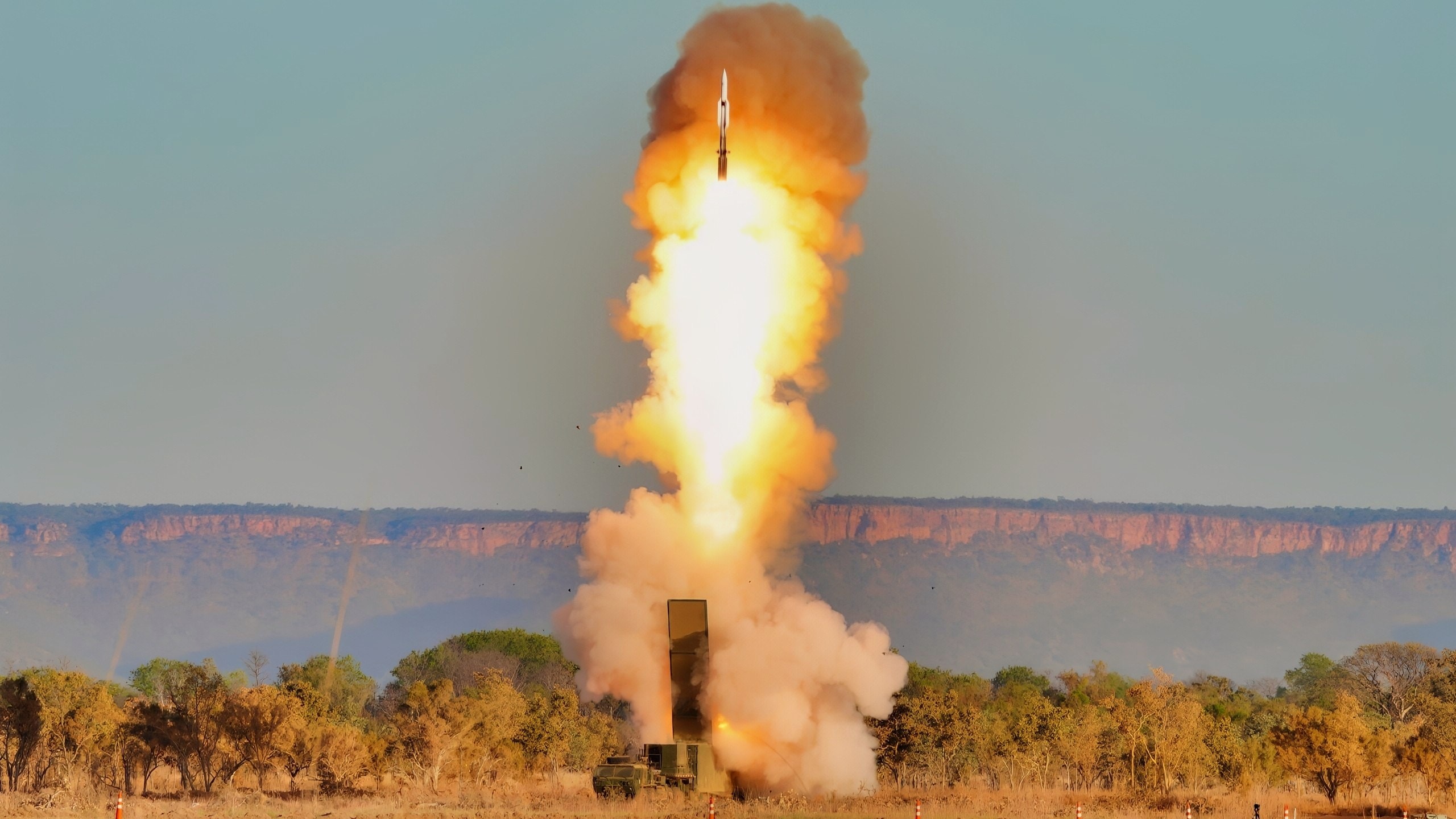
On September 1, Russian Foreign Ministry spokesperson Zakharova stated that the plan to operate the U.S. military's Typhon medium-range missile system within Japan in relation to the Japan-U.S.-Australia joint exercise "Orient Shield 26," scheduled from September 8 to 24, is "absolutely unacceptable." From the perspective of someone who has long been in the Japan Maritime Self-Defense Force, the issue is not the words of protest themselves. The problem lies in the fact that the exercise on the Hokkaido front is now linked to the long-range ground-launched capabilities that have been a topic of discussion in the southwestern region, thereby expanding Japan's deterrence map further.
What Will Change in This Exercise
- Exercise period: September 8 to 24
- Main venues: Various locations in Japan, including Hokkaido
- Participants: Japan, the United States, Australia
- One focus is the deployment of the U.S. military's Typhon medium-range missile system
According to Jiji Press English version, the Russian side communicated to the Japanese embassy that "provocative military activities" near the Far Eastern border are unacceptable. Reuters also reported that Moscow has formally protested the deployment of the Typhon launchers, claiming it threatens its national security. In other words, what Russia dislikes is not only the scale of the exercise but also the fact that the U.S. military's medium-range strike capabilities are now connected to the northern region using the Japanese archipelago.
The Significance of the Hokkaido Front
Until now, discussions regarding Japan's counterstrike capabilities and U.S. ground-launched missiles have tended to focus on the southwestern islands and the Taiwan front. However, demonstrating similar capabilities in Hokkaido carries a different significance. For Russia, which is conscious of the Sea of Okhotsk and the Kuril Islands, the threat lies not in the range itself, but in the fact that Japan and the U.S. can mobilize launchers within Japan as needed. It is more difficult for the adversary to predict operations through training rather than fixed deployments, as operational habits are built up over time.
It is reported that the Russian side has warned that it will take countermeasures to ensure its national security if necessary.
Practical Challenges for Japan
However, it is not simply a matter of feeling secure as deterrence strengthens. While watching Russia to the north, Japan must also prepare for China to the southwest and North Korea directly in front. The rotation rate of command and supply is more critical than launchers and vessels. In my view, while the symbolism of the Typhon is significant, Japan's true challenge lies in the continued operation after accepting long-range firepower. If political decisions are delayed, the expanded deterrence map may end up merely increasing the fronts that need to be managed.
Russia protested the deployment of the U.S. Typhon missile system in Japan during the upcoming joint exercise 'Orient Shield 26', scheduled from September 8 to 24, 2023. The Russian Foreign Ministry declared the deployment unacceptable, citing concerns over military activities near its borders. This exercise, involving Japan, the U.S., and Australia, signifies a new phase in deterrence efforts in the Hokkaido region.
- Russia's Foreign Ministry stated that the deployment of the Typhon missile system is unacceptable.
- The joint exercise 'Orient Shield 26' is scheduled from September 8 to 24, 2023.
- The exercise involves Japan, the U.S., and Australia, with a focus on the Typhon missile system.
- Russia warned that it would take countermeasures to ensure its security if necessary.
- The exercise expands Japan's deterrence capabilities in the northern region.