
Russian Refineries Under Attack from Ukrainian Drones in 2026 — Oil Logistics Became a Front in the War
 Dmitri Volkov
Russian Refineries Under Attack from Ukrainian Drones in 2026 — Oil Logistics Became a Front in the War
In the last two days, Russian oil refining has suffered a blow that is more significant than a mere report of a fire. According to Reuters on September 21, after an attack by Ukrainian drones, part of the production at the Moscow Oil Refinery was halted. As usual, Russian authorities preferred to talk about the operation of air defense and localized damage; however, the very halt of production capacity indicates otherwise: the Ukrainian campaign of long-range drones is gradually transforming from a series of raids into systematic pressure on the fuel architecture of the war.
From Raids to Operational Exhaustion
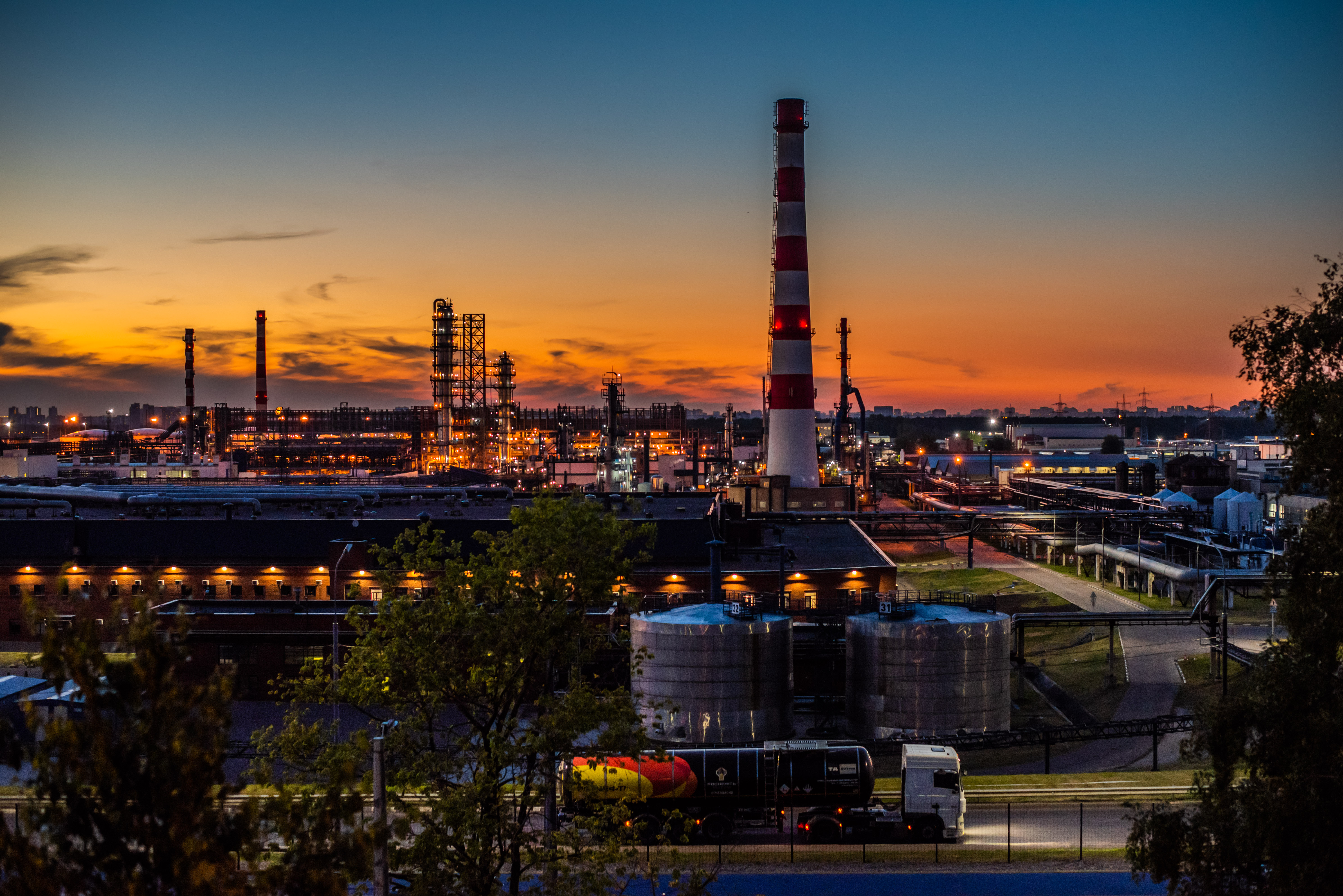
In an assessment by the Institute for the Study of War on September 22, a broader picture was noted. Ukraine continues to strike Russian oil industry facilities, including refining capacities and related transport hubs. The attack on the Kuibyshev Oil Refinery was specifically mentioned, as well as damage to facilities that ensure fuel movement at a significant distance from the front. The Ukrainian General Staff reports on the results of the strikes, but the specific scale of damage to most facilities cannot yet be considered definitively confirmed. This is an important caveat: a photograph of smoke does not equate to weeks of downtime.
Nevertheless, the military significance is clear. An oil refinery is not just a large industrial facility. It is a hub where crude oil is transformed into diesel fuel, aviation kerosene, and components necessary for supplying the army. It cannot be quickly replaced by trucks or the transfer of several tankers. When primary processing units, hydrocracking units, or railway loading ramps are damaged, the enemy does not suffer symbolic damage but faces the task of restructuring the entire supply chain.
Why Russian Air Defense Does Not Solve the Problem
Russia has a layered air defense system, including S-300, S-400, Pantsir-S1 complexes, and electronic warfare means. However, this system was primarily designed to protect command posts, airfields, and major military facilities. It is impossible to simultaneously protect dozens of refineries, oil depots, pumping stations, and railway hubs, even with a sufficient number of missiles. A long-range drone, made relatively cheaply, forces the use of an expensive interceptor or leaves an industrial facility without full coverage.
This reveals the institutional weakness of the Russian model. After 2022, the Kremlin expanded the production of ammunition and strike drones but did not create a comparable system to protect civilian industrial infrastructure. The military economy can increase missile production, but that does not mean it has the means to cover every kilometer of pipeline. The Soviet system also relied on concentrating air defense around key centers, but at that time, the long-range drone threat was not mass and cheap. Today, the old principle of protecting an "object" faces a new logic of distributed attack.
Strategic Effect for the Russian Army
The main result of such strikes will not necessarily manifest in an immediate gasoline shortage in Moscow. The Russian economy is still capable of compensating for individual downtimes by redistributing flows, utilizing accumulated reserves, and importing petroleum products. The significance lies elsewhere — in the rising cost of war. Fuel has to be transported further, backup routes become overloaded, railway trains become more vulnerable, and military command is forced to choose between the civilian market and the front.
For the Russian army, this creates an effect of operational friction. A tank brigade consumes fuel not only during an attack but also while moving reserves, evacuating equipment, and operating supply columns. If refining capacities are regularly taken out of service, the army may maintain a nominal number of tanks and vehicles but reduce the intensity of their use. The war, thus, shifts from destroying platforms to limiting their availability. This type of pressure is the hardest to show in daily reports.
Maritime and Oil Dimensions of One Campaign
Attacks on refineries occur simultaneously with increased pressure on Russian export and maritime routes. Reports of damage to vessels near Odessa and statements from American officials about risks to U.S.-related facilities indicate that energy infrastructure is increasingly intertwined with the military geography of the Black Sea. For Russia, oil remains a source of income, diplomatic influence, and material support for the army. For Ukraine, striking at refining and transportation allows it to impact all three functions simultaneously.
This does not mean that Ukrainian drones can single-handedly collapse the Russian oil industry. Such a conclusion would be as inaccurate as the official assertion of the complete futility of the attacks. The Russian system has redundancy, and repair teams can temporarily bring facilities back online. But redundancy is not infinite: each new damaged facility increases the load on the others and reduces maneuvering space.
The military industry is measured not only by the number of machines produced but also by the distance that fuel must travel to the crew.
Forecast
In the coming weeks, Moscow will likely strengthen the protection of the largest refineries, expand the use of electronic warfare, and try to present the strikes as minor episodes. Kyiv, on the other hand, will choose targets based on their role in the supply chain, not just the size of the enterprise. If the Ukrainian side maintains the pace and accuracy, Russian command will have to distribute air defense between the front, cities, and industry. This is not a collapse of the Russian military economy, but a gradual increase in its cost. The Russian oil system will survive, but only if the Kremlin agrees to pay for the resilience of the rear with resources that are increasingly difficult to direct simultaneously toward an offensive.
Sources: Reuters, September 21, 2026; Institute for the Study of War, Russian Offensive Campaign Assessment, September 22, 2026; General Staff of the Armed Forces of Ukraine, reports from September 21–22, 2026; Militarnyi, materials on the defeat of refining and military facilities.
Ukrainian drones struck Russian oil refineries in Moscow and Samara in September 2026, disrupting production and logistics. This campaign is part of a broader strategy to target Russian fuel infrastructure, increasing operational challenges for the Russian military. The effectiveness of Russian air defenses is questioned as they struggle to protect multiple facilities simultaneously.
- Ukrainian drones attacked Russian oil refineries, halting production in Moscow and Samara.
- The strikes are part of a systematic campaign against Russian fuel infrastructure.
- Russian air defense systems are unable to protect all oil facilities effectively.
- The attacks increase operational friction for the Russian military by complicating fuel logistics.
- Ukraine is targeting facilities based on their role in the supply chain.