
Nine PLA military aircraft cross the Taiwan Strait median line, 052D long-range strike upgrades promote normalization of gray zone operations.
 Li Minghui
PLA's 9 Military Aircraft Cross the Taiwan Strait Median Line, Upgrading 052D Long-Range Strike Capabilities to Normalize Gray Zone Operations
On September 23, monitoring data released by Taiwan indicated that in the past 24 hours, 10 PLA military aircraft, 6 warships, and 6 civilian vessels were detected around the Taiwan Strait, with 9 military aircraft crossing the so-called median line of the strait, entering Taiwan's southwest and eastern air defense identification zone. The Taiwanese military dispatched aircraft and warships and activated shore-based missile systems for monitoring. This was not a large-scale exercise, but rather a representative daily sample.
Not Many in Number, but Rhythm is More Important
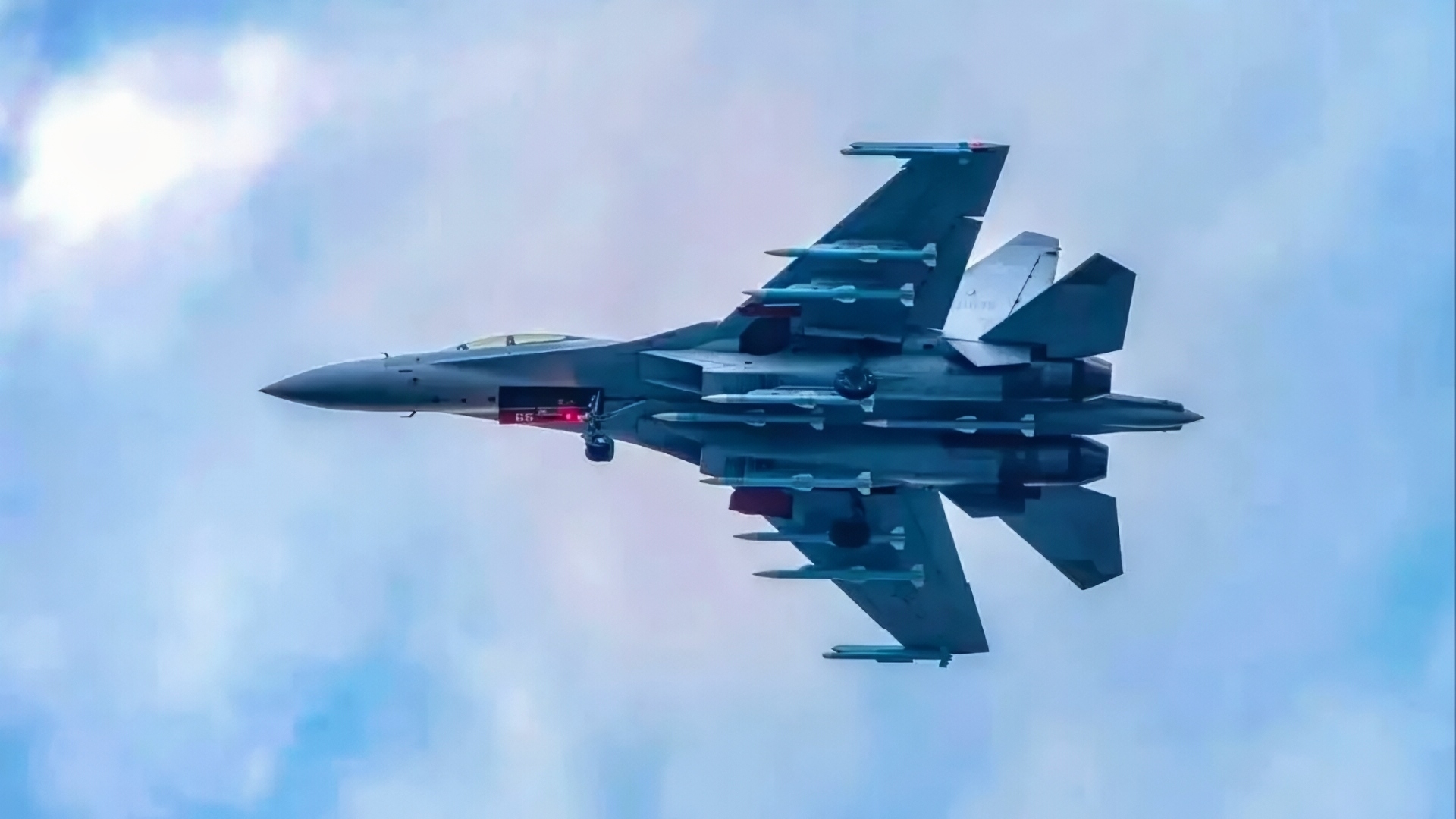
According to statistics from Taiwan's defense department, since September, there have been 198 recorded activities of PLA military aircraft and 235 activities of naval vessels. A single day with 10 aircraft does not constitute a traditional air raid formation; what has truly increased is the Taiwanese military's burden of identification, alertness, scramble, and logistics. The crossing of the median line by military aircraft does not immediately change flight paths or prepare for attacks, but it transforms the previously clear buffer zone into a gray area that requires continuous assessment.
There is a technical issue that is easily overlooked: the number of aircraft is just the surface indicator. If reconnaissance, electronic warfare, fighter jets, and civilian vessels appear simultaneously in different directions, the defending side must disperse its limited radar, command chain, and interceptors. In simple terms, the PLA does not need to create a crisis every day; as long as it prevents Taiwan from fully relaxing every day, it has already achieved part of its operational effect.
Aerial Pressure is Connecting with Naval Firepower
On September 22, the South China Morning Post analyzed images of the 052D destroyer launching the YJ-20 hypersonic anti-ship missile. Previously, such weapons were more associated with the 055 destroyer, while the 052D has a larger production quantity. If the capabilities described in the reports are ultimately stabilized in deployment, the PLA Navy's platforms capable of carrying long-range anti-ship firepower will no longer be limited to a few large destroyers of over ten thousand tons.
These two pieces of news cannot simply be pieced together to say "the blockade has begun." However, from a systemic perspective, aerial patrols, naval vessels, civilian ships, and shore-based missiles are forming a mutually supportive layer of pressure. The air force is responsible for expanding reconnaissance and deterrence ranges, surface vessels provide persistent presence, and missile forces push the risk radius around the Taiwan Strait outward. What Taiwan faces daily is increasingly not a single platform, but a continuously operating network of sensors and firepower.
The Real Challenge for the Taiwanese Military is Rotation and Judgment
Currently, Taiwan's response method remains to dispatch forces for monitoring and activate shore-based missile systems when necessary. This approach is suitable for responding to sporadic activities but will expose issues of maintenance cycles, personnel fatigue, and ammunition consumption under high-frequency conditions. Especially when civilian vessels are mixed with warships in the same situational map, whether to intercept, monitor, or maintain distance is often more difficult than detecting the target itself.
According to reports from Taiwan news, citing data from Taiwan's defense department, by September 23, during a previous statistical period, Taiwan monitored 10 PLA military aircraft and 12 Chinese vessels. Sources include Taiwan News report and Taiwan's defense department announcement; for background on the 052D and YJ-20, see South China Morning Post analysis.
The author believes that what is most concerning right now is not how many aircraft appear on a given day, but whether such actions are transitioning from "events" to "schedules." If the answer is affirmative, the core of security competition in the Taiwan Strait will shift from crisis warning to a long-term endurance contest. What the PLA needs to prove next is not whether it can still fly military aircraft across the median line, but whether it can stably connect air, sea, and long-range firepower into a single chain; Taiwan must then answer how long the existing rotation system can hold up.
Nine Chinese military aircraft crossed the Taiwan Strait median line on September 23, entering Taiwan's air defense identification zone. In response, Taiwan deployed its own aircraft and naval vessels, activating coastal missile systems for monitoring. This incident reflects a pattern of increasing military pressure from the PLA, with Taiwan facing heightened operational demands.
- 9 PLA aircraft crossed the Taiwan Strait median line into Taiwan's air defense identification zone.
- Taiwan's military recorded 198 PLA aircraft activities and 235 naval activities since September.
- The PLA is increasing pressure through coordinated air and naval operations.