
Summary and Key Points: Russia’s MiG-35 was pitched as a modernized MiG-29 successor with longer range, an AESA radar, and a lower cost per flight hour.
-In practice, it has struggled to escape stop-start development and limited production, leaving the aircraft largely absent from the air war over Ukraine.
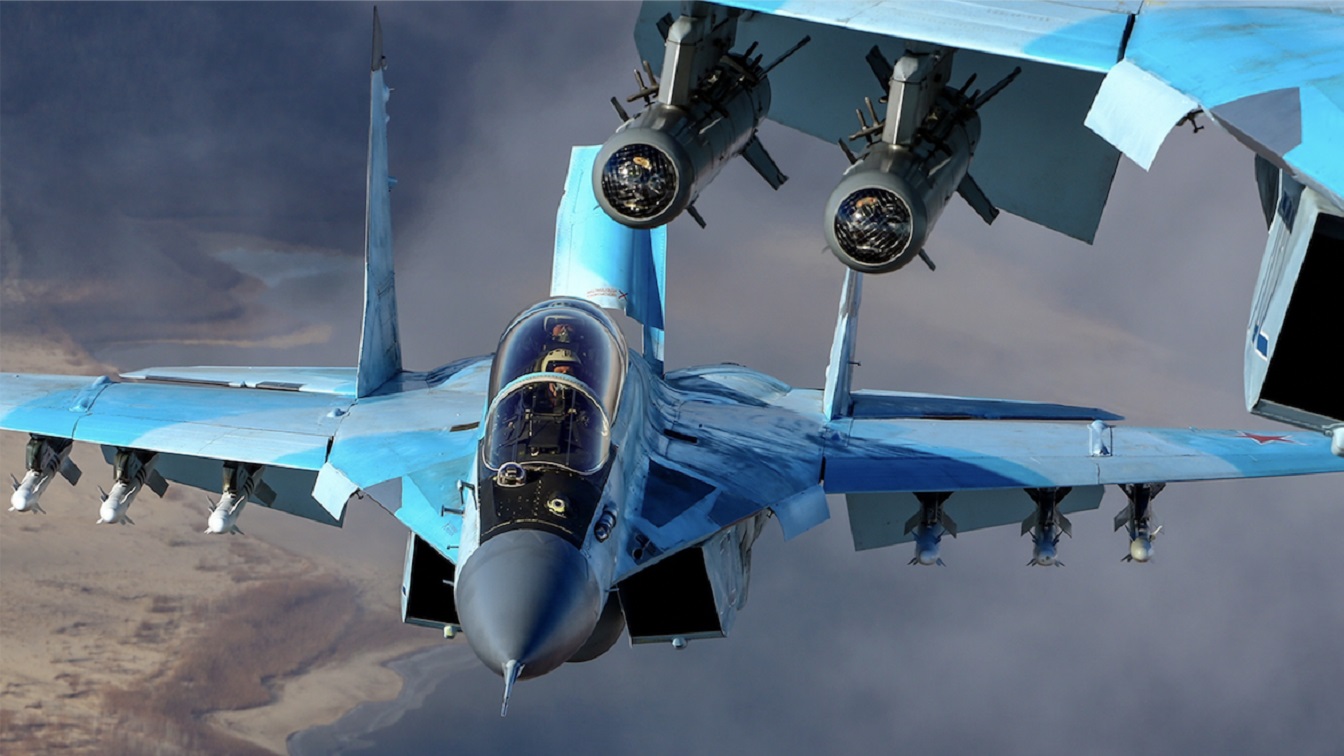
MiG-35. Image Credit: Creative Commons.
-Export traction has been weak, and the program competes against proven Western fighters while also fighting for resources inside Russia’s own procurement system.
-With sanctions and supply-chain friction squeezing output and Sukhoi platforms dominating Russian priorities, the MiG-35 risks remaining a niche prototype rather than a fielded workhorse.
MiG-35 in 2 Words: Russia’s Zombie Fighter Program
Russia’s MiG-35 Fulcrum-F fighter jet has seen better days. The struggling program has endured many stops and starts throughout its existence. Some wonder whether the airplane will ever be produced in numbers to participate in the war against Ukraine. Technicians and engineers have neglected the project, and the Russian air force does not support the airplane enough to make it a priority.
The last bit of momentum came when the air force ordered 24 MiG-35s in 2017, with deliveries scheduled for 2027. Just a few jets, probably under ten, have been produced. The MiG-35, meant to be a fourth-generation “++” or even a “+++” fighter, is based on the MiG-29. The Russians planned to put it into serial production last year.
It is Not Selling Well
Another problem with the jet is that it was supposed to be a hit in the export market, but international sales have lagged. Russia may have decided to breathe new life into the program. The air force has lost many fighters, and a new airplane is needed to regain some momentum. Russia never achieved air dominance over Ukraine.
The MiG-35, the Russians believe, could be a difference maker in the war.
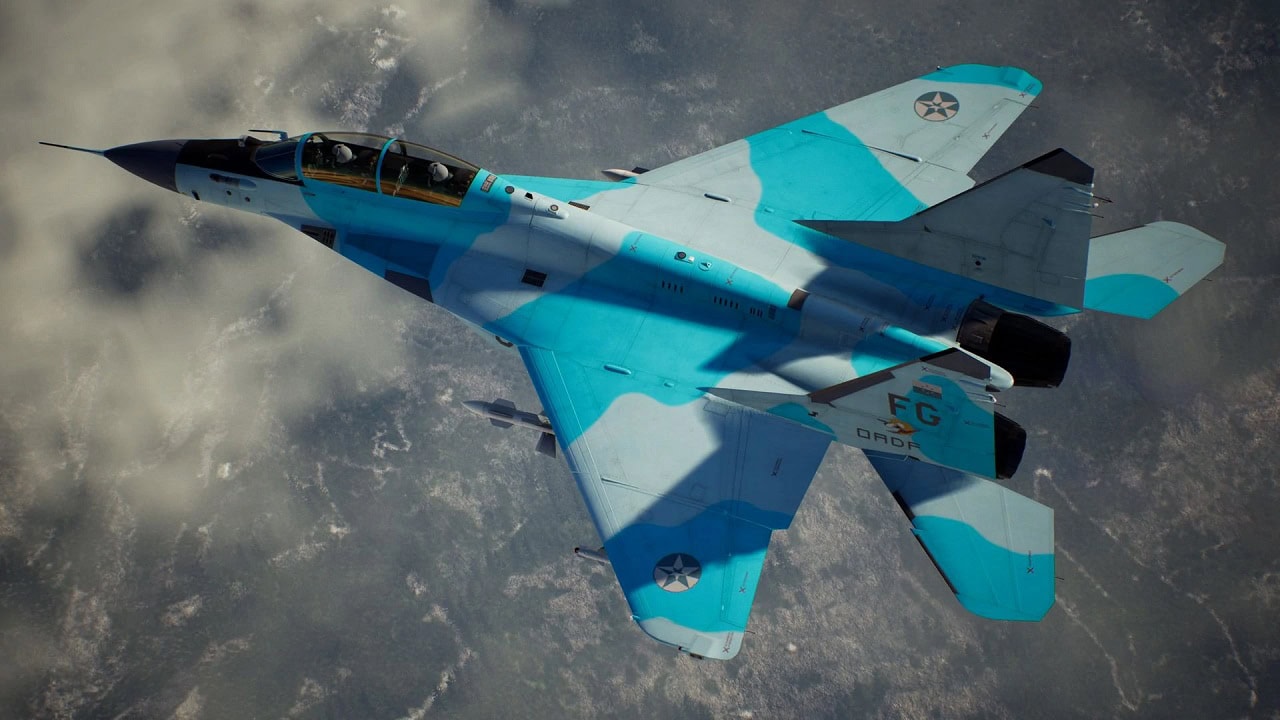
MiG-35. This is a computer generated image for a video game – Creative Commons.
A New Fighter Version of the MiG-29
The MiG-35 has a better combat radius than the MiG-29. Its range is 1,250 miles without external fuel tanks. That’s a 50 percent improvement, and the MiG-35 can be refueled in the air.
The MiG-35 was planned to be the transition aircraft, a “tweener” between the MiG-29 and the Su-57 Felon, a fifth-generation stealth fighter. But the MiG-35 program has never taken off, and the emphasis has been on producing more Felons.
An Improved Radar Makes Long-range Dogfighting Possible
The MiG-35 has an active electronically scanned array (AESA) radar with greater range and an excellent ability to identify and track enemy threats.
One good aspect of the MiG-35 is its multi-role ability to engage in dogfighting and conduct effective ground strikes. There are precision-guided munitions on board, plus anti-radar missiles, anti-ship missiles, and an assortment of bombs and rockets for ground strike.
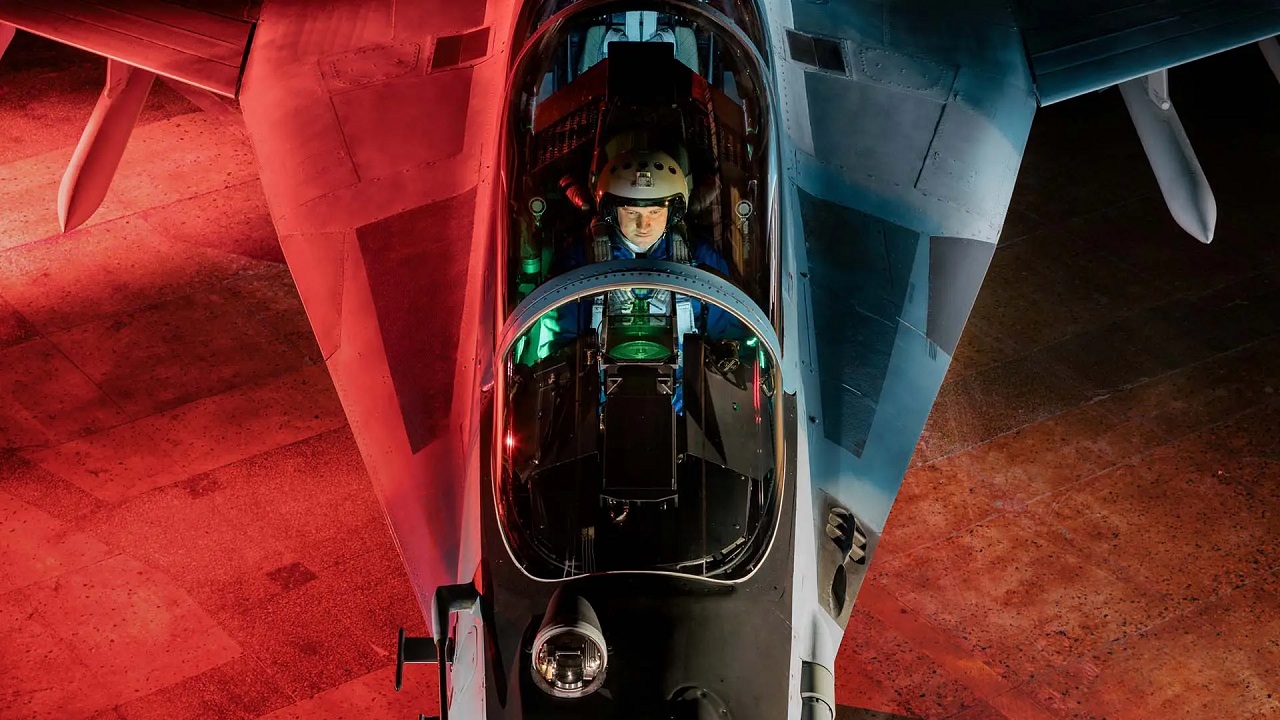
MiG-35. Image Credit: RAC MiG.
The Lack of Stealth Is a Problem
The MiG-35 is a higher-thrust aircraft with RD-33MKB engines and an advanced fly-by-wire system. This makes it agile and maneuverable with a pilot-friendly cockpit. However, the lack of full-stealth capabilities makes it less survivable in combat. The Russians have opted to rely on the pilot’s skill in the battle space under the MiG-35’s battle space doctrine.
It hasn’t changed the balance of the aerial fight over Ukraine since so few have been produced. The existing airplanes do not have the flight hours necessary for Russian battle planners to see how the MiG-35 should best be deployed. Should it fly over Russian airspace and deliver glide bombs? Or can the good range be used to fly deeper missions into Ukraine and to fire its ground-attack munitions? The Russians have not decided what the MiG-35 should be when it grows up.
Less Expense per Flight Hour
One aspect that has yet to come to fruition is the need for maintenance. The MiG-35 has been advertised as a fighter that costs less to maintain. This advantage has yet to play out, as the warbird has logged so few flight hours.
Still, the manufacturer remained optimistic about the MiG-35’s future. “The fighter aircraft has been specially designed for warfare amid increased intensity conflicts and highly dense air defense. The available high indicators have been achieved thanks to a set of onboard equipment mounted on the plane, along with a new optical location system and radar signature reduced by several times,” said President of Russia’s Aircraft-Building Corporation, Yuri Slyusar, as noted by the National Interest.
The Fighter Competition Is Stiff
One problem with the MiG-35 is that it faces strong competition in international sales. There are the JAS 39 Gripen, the Eurofighter Typhoon, the Dassault Rafale, and the F-16, not to mention the F-16. The Russian airplane does not stand out in the crowded field.
Like many Russian defense programs, the production of the MiG-35 has been negatively affected by international sanctions and supply chain issues. There is also a need for the defense industrial base to produce ground combat end items, such as tanks and armored personnel carriers, as well as howitzer ammunition.
Perhaps Sukhoi Airplanes Are Better Choices over MiG-35
Plus, Russia is placing greater emphasis on purchasing Sukhoi fighters such as the Su-30 and Su-35. These have a greater payload and are considered better airframes, able to withstand more stress, with the ability for the manufacturer to produce them in large numbers. The MiG-35 also lacks thrust vectoring.
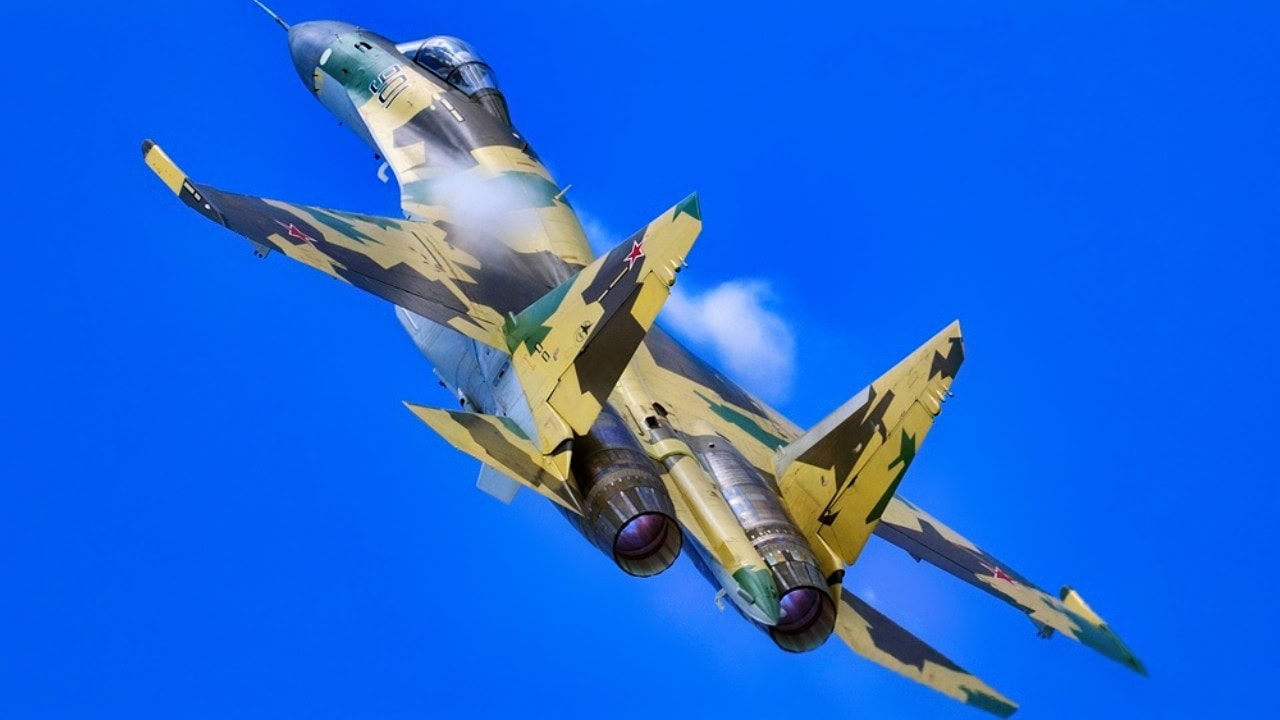
Su-35 Fighter from Russia. Image Credit: Creative Commons.
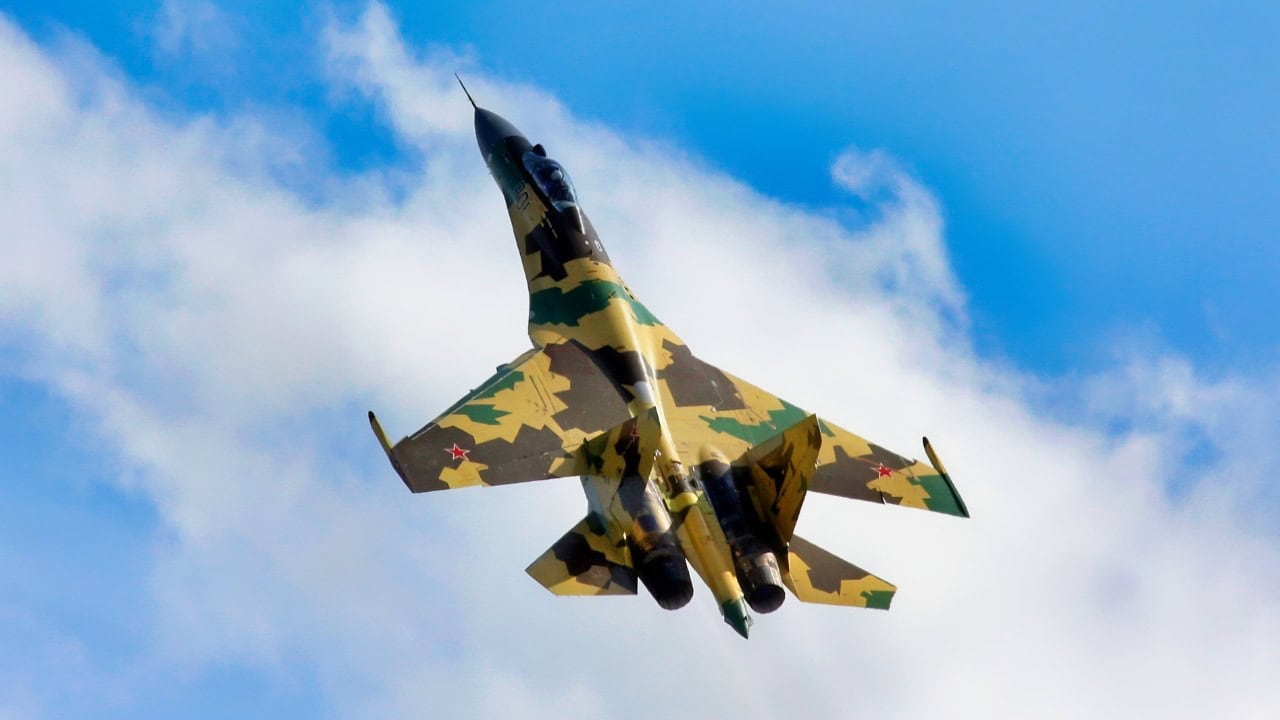
Su-35 Fighter from Russia.
The outlook for the MiG-35 does not look good. The Russians must re-prioritize their targeted airplane for production. The MiG-35 doesn’t bring enough to the table. This is a zombie program, and the Russians may opt to forego producing MiG-35s in numbers. It is for the best. Vladimir Putin’s air force may have to sell this airplane on the export market or give up completely.
About the Author: Brent M. Eastwood
Author of now over 3,000 articles on defense issues, Brent M. Eastwood, PhD is the author of Don’t Turn Your Back On the World: a Conservative Foreign Policy and Humans, Machines, and Data: Future Trends in Warfare plus two other books. Brent was the founder and CEO of a tech firm that predicted world events using artificial intelligence. He served as a legislative fellow for US Senator Tim Scott and advised the senator on defense and foreign policy issues. He has taught at American University, George Washington University, and George Mason University. Brent is a former US Army Infantry officer. He can be followed on X @BMEastwood.