
S-400 near Gelendzhik destroyed by drones — five Russian air defense systems burned in one night
 Dmitri Volkov
S-400 near Gelendzhik destroyed by drones — five air defense systems of Russia burned in one night
On the night of August 9, Ukrainian drones destroyed the position of the S-400 "Triumph" air defense system near Gelendzhik — just a few kilometers from the residence that is referred to outside of Russia as "Putin's palace." The day before, from 9:25 to 12:51, this battery launched six missiles at Ukrainian territory — this was reported on August 9 by the commander of the Ukrainian Armed Forces' Drone Forces, Robert Brovdi ("Madyar"). After the strike, the position burned for about three hours.
The irony here is not decorative. In Russian military tradition, the S-400 is the pinnacle of layered air defense, a system designed to secure the skies over deep rear areas, resorts, oil terminals, and residences. The fact that it was burned by the very drones it was supposed to counter is not a coincidence or a "success of a single operation." It is a fragment of a systematic campaign that Kyiv has been conducting since the end of June.
What exactly burned that night
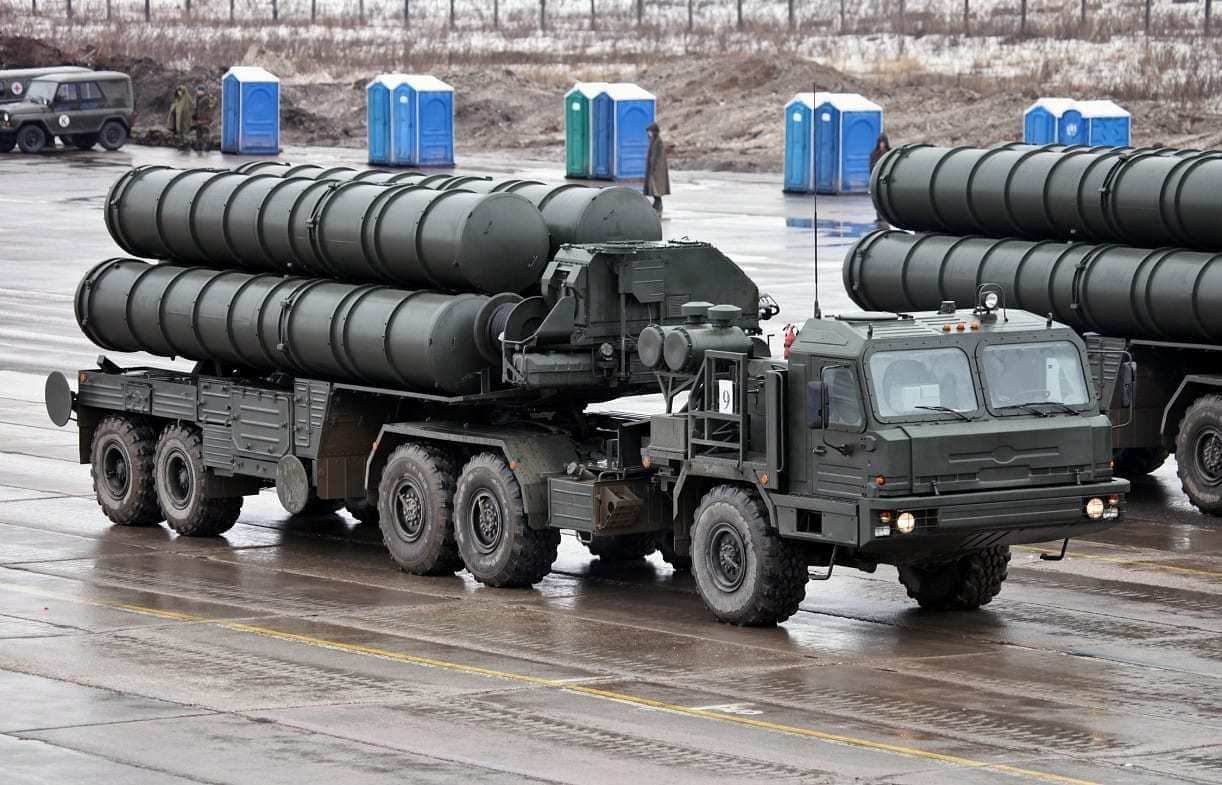
According to the General Staff of the Armed Forces of Ukraine and the Drone Forces (August 9), the following were hit in one night:
- S-400 "Triumph" in Gelendzhik (Krasnodar Krai) — the launch unit was destroyed, the extent of damage to the entire battery has not yet been determined;
- Tor air defense system in Pudovoe (Rostov Oblast);
- Pantsir-S1 air defense system in Yeisk (Krasnodar Krai);
- Podlet-K1 radar in Golovatovka (Rostov Oblast);
- Kasta-2E2 radar in Latonovo (Rostov Oblast);
- material supply depot in Perekop (occupied Crimea);
- three vessels of the "shadow fleet" in the Black Sea — one tanker and two bulk carriers.
The General Staff is traditionally cautious: "the extent of damage is being clarified." But the list of targets itself is not a random assortment, but a classic logic of suppressing air defense.
Blinding as a method
Note: in one night, not only launchers were destroyed, but also both radar stations — "Podlet-K1" and "Kasta-2E2." "Podlet" is a low-altitude radar that tracks targets for the S-400 and S-300; "Kasta" is a low-altitude surveillance station. Without them, the battery goes blind: there are missiles, but no targets are visible. This is classic SEAD, which NATO aviation learned during Vietnam: first, you take out the eyes, then you shoot at the body. Ukraine, which does not have aviation for classic air defense suppression, is doing this with drones — and, judging by the results, quite successfully.
Of particular note is the destruction of the electronic warfare station "Volna-Kupol-Garant" in Gelendzhik — a system that suppresses Starlink satellite communications, whose jamming zone, according to Ukrainian data, reaches approximately 20 square kilometers. Its loss was identified through satellite images by open sources (The Defense News, August 9). If the data is confirmed, Ukrainian intelligence is operating across the entire chain of "detection — target designation — destruction," including means that the Russian command prefers not to report on.
Doctrinal subtext — the rear is no longer the rear
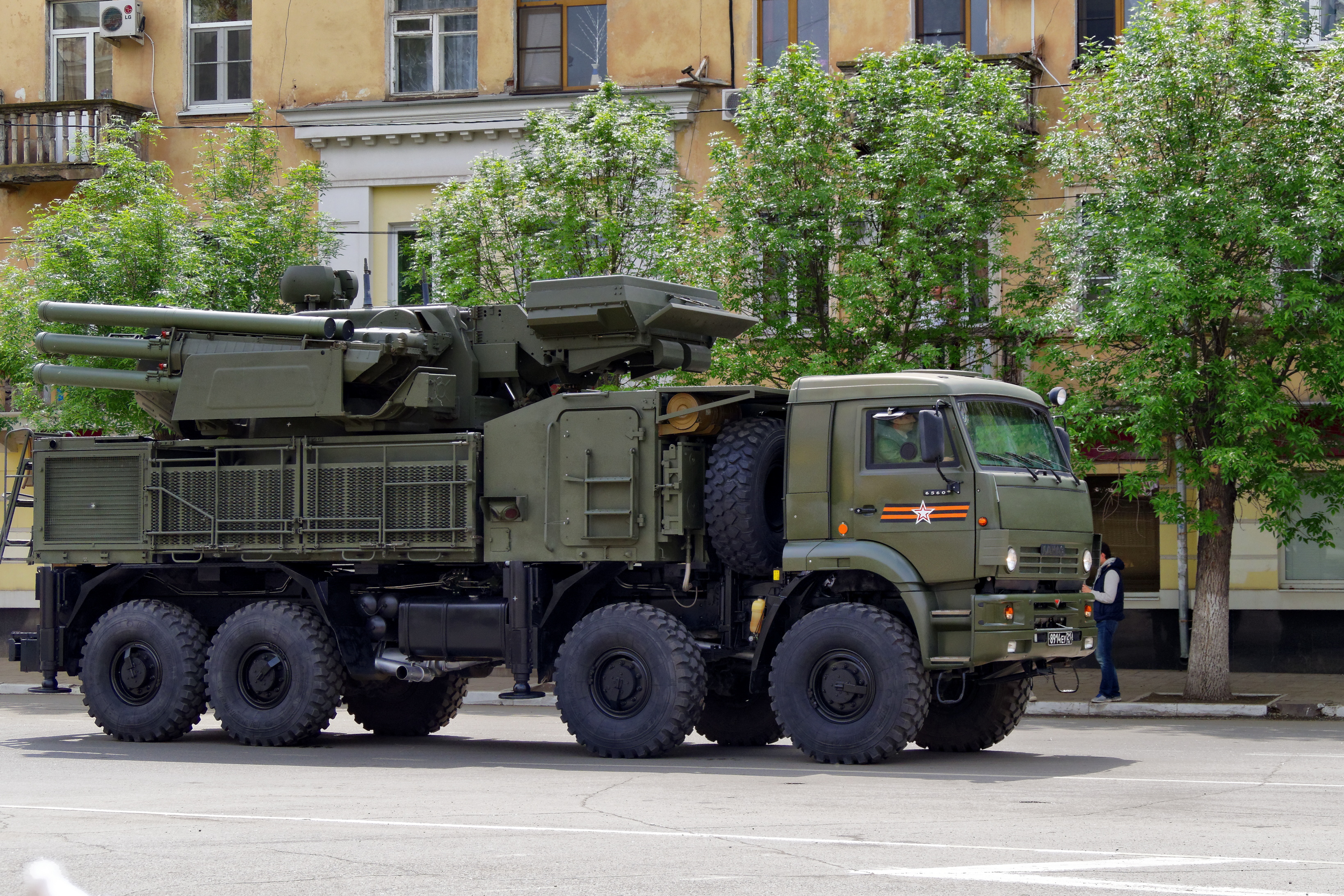
The Soviet and Russian air defense school was built on the idea of layering: line by line, zone by zone, until the enemy runs out of steam at the approaches. The deep rear — Krasnodar Krai, Rostov Oblast, Crimea — was considered a space protected by the very logic of this system. The distance from the front line to Gelendzhik is about 450 kilometers in a straight line. For Iskander missiles, this is trivial, but for drones, it seemed like a limit not long ago. Now it is not a limit, but a routine.
The question is the ability to replenish losses. The Oryx project, which documents losses based on visual confirmations, has already recorded the destruction of S-400 launchers of the 5P85T2 and 5P85SM2-01 modifications. Almaz-Antey is producing new ones, but the production rates have never been calculated for a war of attrition: a division of S-400 is dozens of machines and months of factory cycle. The Podlet-K1 radar is even more of a unique item. There is no official data on losses from the Russian Ministry of Defense — just as there was none after the strikes on the Ilsky oil refinery. Silence here is also information: it is impossible to acknowledge the scale, but it is impossible to hide it from the local residents.
"The position burned for several hours," — this is how Robert Brovdi described the state of the destroyed S-400 division, which was still working on Ukrainian targets on the morning of August 8.
The Black Sea — the second front of the same night
Simultaneously with the strikes on air defense, Ukrainian drone operators struck three vessels of the "shadow fleet" in the Black Sea — a tanker and two bulk carriers. This continues the campaign, during which, from August 1 to 8, according to Ukrinform, another 12 vessels were hit. The combination of "air defense + fleet" is not accidental: the Russian command is not protecting "the sky in general," but specific infrastructure — oil terminals, ports, fuel export routes. When both surface-to-air missiles and tankers come under fire, the economy of war and military logistics converge into one operation. After such a night, claims that Krasnodar Krai is a deep rear sound unconvincing.
What’s next
The forecast, as usual, comes with caveats. If the pace of air defense destruction continues — and the campaign has been ongoing without pauses since the end of June (according to ISW's assessment on August 4, the SBU reported more than 100 successful strikes on strategic targets) — the Russian command will face a tough choice in a few months: to cover Moscow, the Crimean Bridge, and naval bases, leaving the rest unprotected, or to stretch forces and lose them in parts, as happened that night. Layered air defense ceases to be layered when the layers burn simultaneously.
I remember the times when the S-400 was considered almost a symbol of the revival of the Russian defense industry: beautiful machines, parades, contracts worth billions. Watching it burn near the Black Sea residence is a sight that four years ago was unimaginable even in the bleakest forecast. But war does not tolerate symbolism: it counts launchers, radars, and vessels. The arithmetic of that night — five air defense systems, a depot, and three vessels in a few hours — speaks for itself. If the dynamics continue, by winter, Russia's "rear" air defense will turn into a point defense, and then the question will arise, which Moscow is currently postponing: how and with what to cover the sky over the country if drones can reach Gelendzhik.
Ukrainian drones destroyed an S-400 air defense system in Gelendzhik on the night of August 9, along with four other Russian air defense systems and three vessels in the Black Sea. This operation marks a significant escalation in Ukraine's campaign against Russian air defenses, targeting critical military assets deep within Russian-held territory. The attacks included the destruction of radar systems essential for the operation of the S-400, indicating a strategic shift in Ukraine's military capabilities.
- Ukrainian drones destroyed an S-400 air defense system in Gelendzhik.
- Five Russian air defense systems were burned in one night.
- The S-400 battery had launched missiles at Ukrainian territory prior to the attack.
- Ukrainian forces successfully targeted both radar systems associated with the S-400.
- Three shadow fleet vessels were also destroyed in the Black Sea.