
Saudi Arabia Faces Houthi Attacks in 2026 with British Support and Air Capability Gap
 S.W
S.WSaudi Arabia Faces Houthi Attacks in 2026 with British Support and Air Capability Gap
On September 22, 2026, Britain announced its readiness to provide defensive military support to Saudi Arabia, which includes assistance in refueling Saudi aircraft in the air, while Riyadh was facing new attacks from the Iran-backed Houthi Ansar Allah group. According to reports from Al Jazeera, London describes the support as defensive, not participation in a wide-ranging offensive campaign inside Yemen. On the same day, reports emerged of a Houthi attempt to target the Saudi capital, and a Saudi strike in the city of Mocha, which the Houthis claimed resulted in six fatalities. These details require independent verification, but they clearly reveal that Riyadh is no longer dealing with a limited border threat, but rather with an open aerial and missile attrition battle.
British Support Addresses Aircraft Range, Not the Root Problem
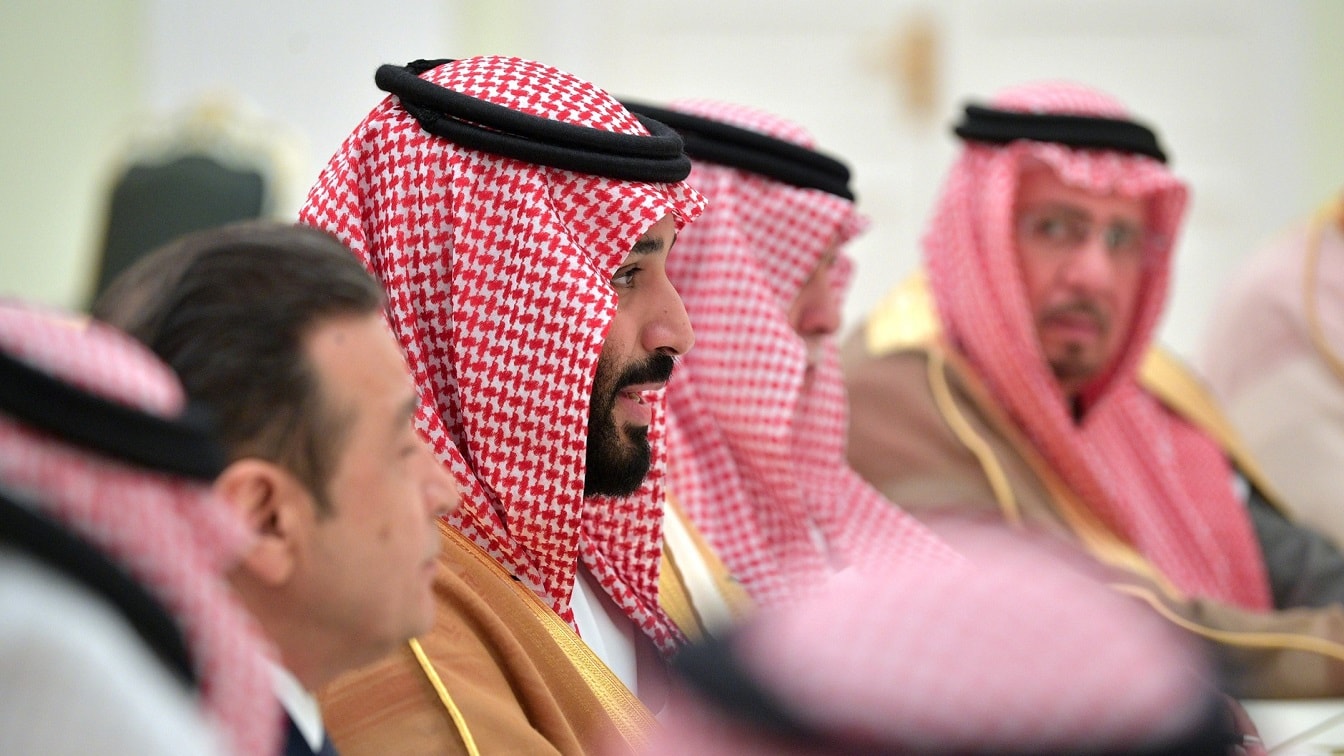
Air refueling is not a secondary logistical detail. The fighter aircraft that protect the airspace or conduct deterrent patrols need to stay in the air longer, reach distant areas, and return without depleting their fuel reserves. For the Saudi F-15SA fighters, which represent the backbone of the Royal Saudi Air Force, refueling aircraft increase the time on station and allow for the distribution of patrols over a wide front extending from the Yemeni border to the maritime corridors in the Red Sea.
However, fuel does not create intelligence pictures, does not pinpoint the location of a mobile launch platform, and does not guarantee that the next strike will be more effective than the previous one. British support may give Saudi pilots additional time, but it does not solve the problems of reconnaissance, surveillance, and target discrimination, which are the elements that determine the outcome of missile and drone wars more than the number of flight hours. Practically, Riyadh needs a comprehensive system that includes satellites, early warning aircraft, reconnaissance drones, and command centers capable of rapidly integrating data.
Why Hasn't Saudi Arabia Concluded the War Despite Having a Massive Arsenal?
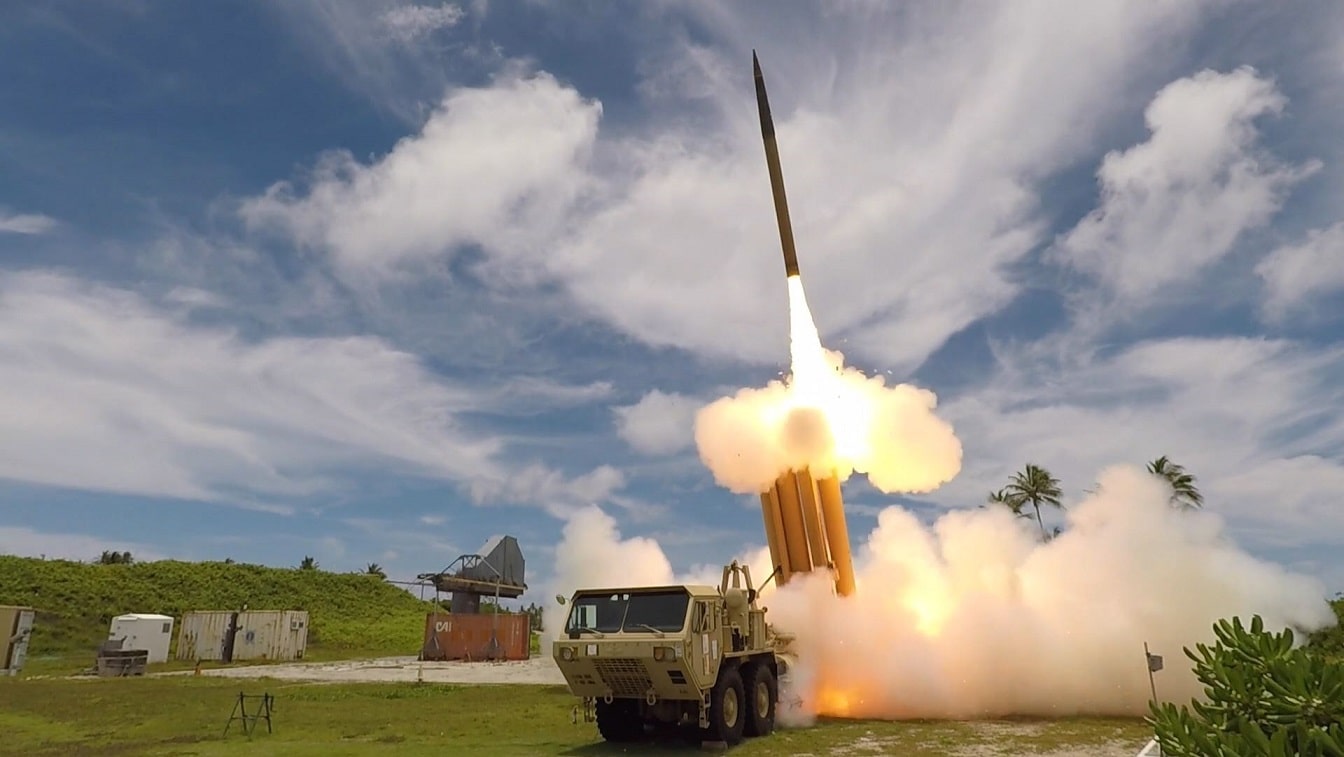
Saudi Arabia possesses F-15SA fighters and Patriot systems, and has acquired the American THAAD system to enhance its defense against ballistic missiles. However, possessing the platform does not equate to having the capability to operate it in a prolonged war. This is the equipment leg of the military capability triangle, while training and institutions represent the other two legs. The past years have proven that the Houthis do not need air superiority; it is sufficient for them to launch low-cost missiles or drones intermittently, forcing the adversary to operate expensive aircraft, radars, and interception systems.
The Saudi problem is not a lack of firepower, but the difficulty of translating it into precise and continuous decision-making. An advanced fighter cannot alone prevent a missile launch from a concealed truck, and an air defense system cannot cover every valley and mountain road. Additionally, reliance on spare parts, experts, and foreign upgrades creates an operational rhythm tied to the ally's approval and the availability of supply chains. Any military personnel who has served in the region knows that the readiness displayed in a military parade is not necessarily the readiness that endures in the sixth month of war.
The Political Issue is Broader than Yemen
The request for British assistance comes after reports of Saudi efforts to obtain American support and discussions in Israel about the possibility of providing indirect assistance in confronting the Houthis. The G7 has also called on the Houthis to cease attacks and demanded that Iran end its support for them. These moves indicate that the conflict has moved beyond the framework of the Yemeni war and has become a test of the deterrence network in the Gulf and the Red Sea.
For Tehran, pressuring Saudi Arabia represents a low-cost means to force Riyadh and Washington to distribute their resources across multiple fronts. For London, refueling aircraft allows for the demonstration of solidarity with a Gulf ally and the protection of navigation without declaring a full-scale war. As for Riyadh, it seeks practical assistance without appearing incapable of protecting its territory. Here lies the contradiction that has haunted Gulf modernization projects for decades: purchasing the latest weapons to prove independence, only to discover that operating them in a real crisis requires a foreign network of training, intelligence, and logistical support.
Will British Support Change the Deterrence Balance?
British support will enhance Saudi Arabia's ability to keep its fighters in the air, and may raise the cost of Houthi attacks if accompanied by early warning and reliable targeting information. However, it will not deter the group simply by the arrival of fuel tankers. True deterrence requires convincing the adversary that every launch will lead to measurable military and political losses, not just another round of bombing followed by a return to the previous situation.
Militarily, Riyadh can improve its defense by distributing radars, integrating Patriot and THAAD into a single command network, expanding the use of drones for reconnaissance, and developing specialized units to hunt down launch platforms. However, these measures require an operational institution that learns from mistakes, not just a new procurement contract. As military personnel say, a helmet does not protect a head that does not see the danger.
Conclusion
British support is important, but it reveals more than it conceals. Saudi Arabia has an advanced air force, yet the continued Houthi attacks demonstrate that superiority in equipment is insufficient when the war is distributed among reconnaissance, logistics, air defense, and politics. Riyadh will remain faced with two opposing choices: relying on an external umbrella that provides immediate capability, or building long-term operational independence that requires time and institutional change. Until the second option is realized, the Gulf will continue to buy weapons with its own hands while borrowing the capability to use them from others.
Sources Al Jazeera, September 22, 2026; The Jerusalem Post, September 22, 2026; ABC News, September 21, 2026; British data and reports relayed by international media regarding defensive support for Saudi Arabia.
On September 22, 2026, Saudi Arabia faced renewed Houthi attacks while receiving British military support, including aerial refueling for its F-15SA fighters. Reports indicated Houthi attempts to strike the Saudi capital and a Saudi airstrike in Al-Mokha that killed six Houthi fighters. The situation reflects a shift from limited border threats to a broader aerial and missile conflict, highlighting the need for enhanced reconnaissance and operational independence for Saudi forces.
- Britain announced military support for Saudi Arabia on September 22, 2026.
- Houthi attempts to target the Saudi capital were reported.
- A Saudi strike in Al-Mokha reportedly resulted in six Houthi casualties.
- Saudi Arabia's air force relies on British support for aerial refueling.
- The conflict has escalated beyond a limited border threat.