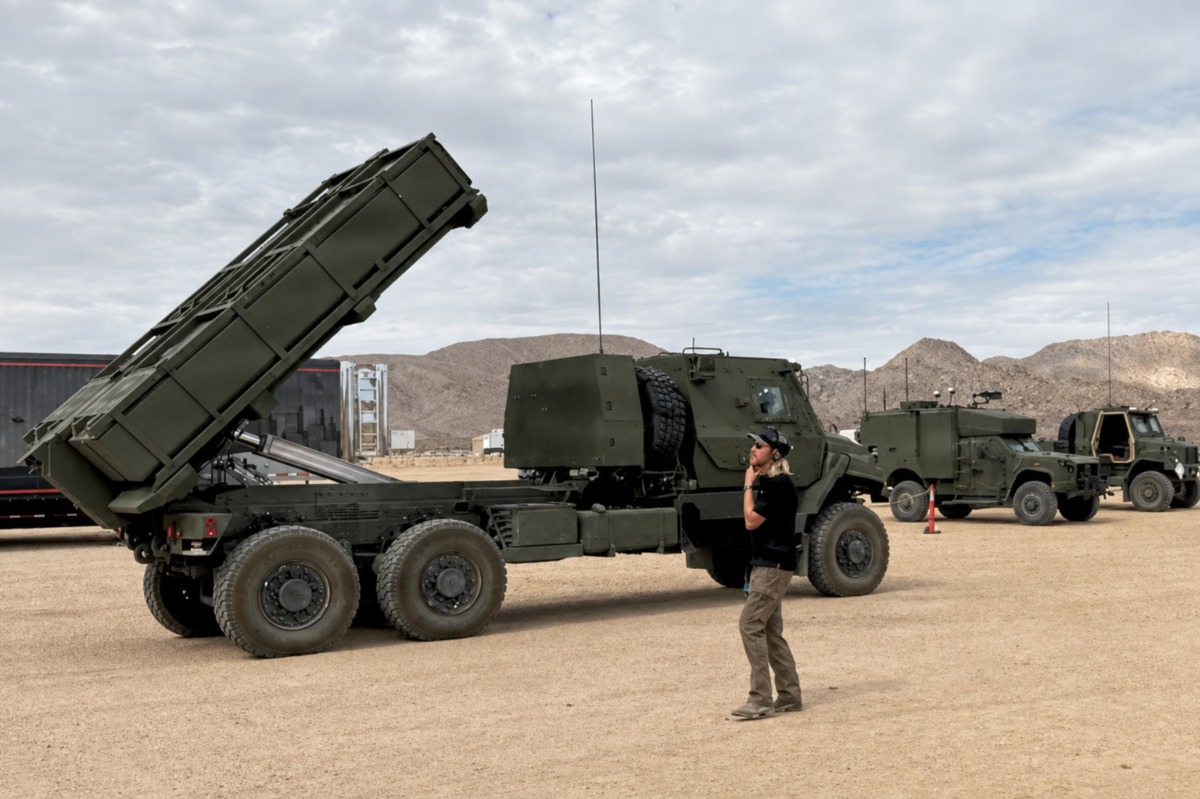
Patriot occupies a position no other Western ground-based air defense system currently matches: it is the only widely exported long-range SAM with a four-decade combat record, and its performance in Ukraine — including reported intercepts of the Kh-47M2 Kinzhal, a weapon Russia had portrayed as effectively unstoppable — has reset expectations of what lower-tier missile defense can achieve against modern aeroballistic threats. That record explains why the operator base has kept growing rather than shrinking, with roughly 19 nations fielding or awaiting the system and no European operator publicly seeking an alternative.
The system's two-interceptor architecture is central to its utility and its cost problem. PAC-2 GEM-T offers longer reach and a cheaper blast-fragmentation kill suited to aircraft and cruise missiles, while PAC-3 MSE provides hit-to-kill precision against ballistic and maneuvering targets at several million dollars per round. High-volume Russian and Iranian-designed strike campaigns have consumed interceptors faster than they can be replaced, making magazine depth — not radar performance or kill probability — the binding constraint. The industrial response, PAC-3 MSE output rising past 600 missiles in 2025 toward a 650-per-year target in 2027 alongside renewed PAC-2 GEM-T orders, is significant but still modest relative to expressed demand.
The LTAMDS radar and the IBCS command network will determine how long the architecture stays competitive. Replacing the sector-scanning AN/MPQ-65 with 360-degree coverage closes Patriot's best-known tactical blind spot, and networked fire control loosens the tie between any one radar and its launchers. Peer systems such as SAMP/T NG and emerging lower-cost interceptors may erode Patriot's export dominance at the margins, but for at least the next decade its combination of combat data, allied interoperability, and an expanding production base leaves it the default Western choice for upper-tier area air defense.