
Saudi Arabia is nearing the acquisition of 48 F-35 fighter jets worth $24.3 billion and testing reliance on Washington.
 S.W
S.WSaudi Arabia Approaches Ownership of 48 F-35 Fighters Worth $24.3 Billion and Tests Reliance on Washington
On September 17, 2026, the U.S. State Department moved forward with notifying Congress of a potential deal for Saudi Arabia that includes 48 F-35 fighters as part of a military package valued at approximately $24.3 billion. This news is not just a new number in Riyadh's purchase records; it comes after weeks of escalating Houthi attacks on the southern kingdom, the downing of a Saudi fighter jet, and damage to facilities linked to the East-West oil pipeline. Therefore, the real question is not whether Saudi Arabia can buy the aircraft, but whether it can transform it into a sustainable independent capability.
What the Deal Includes
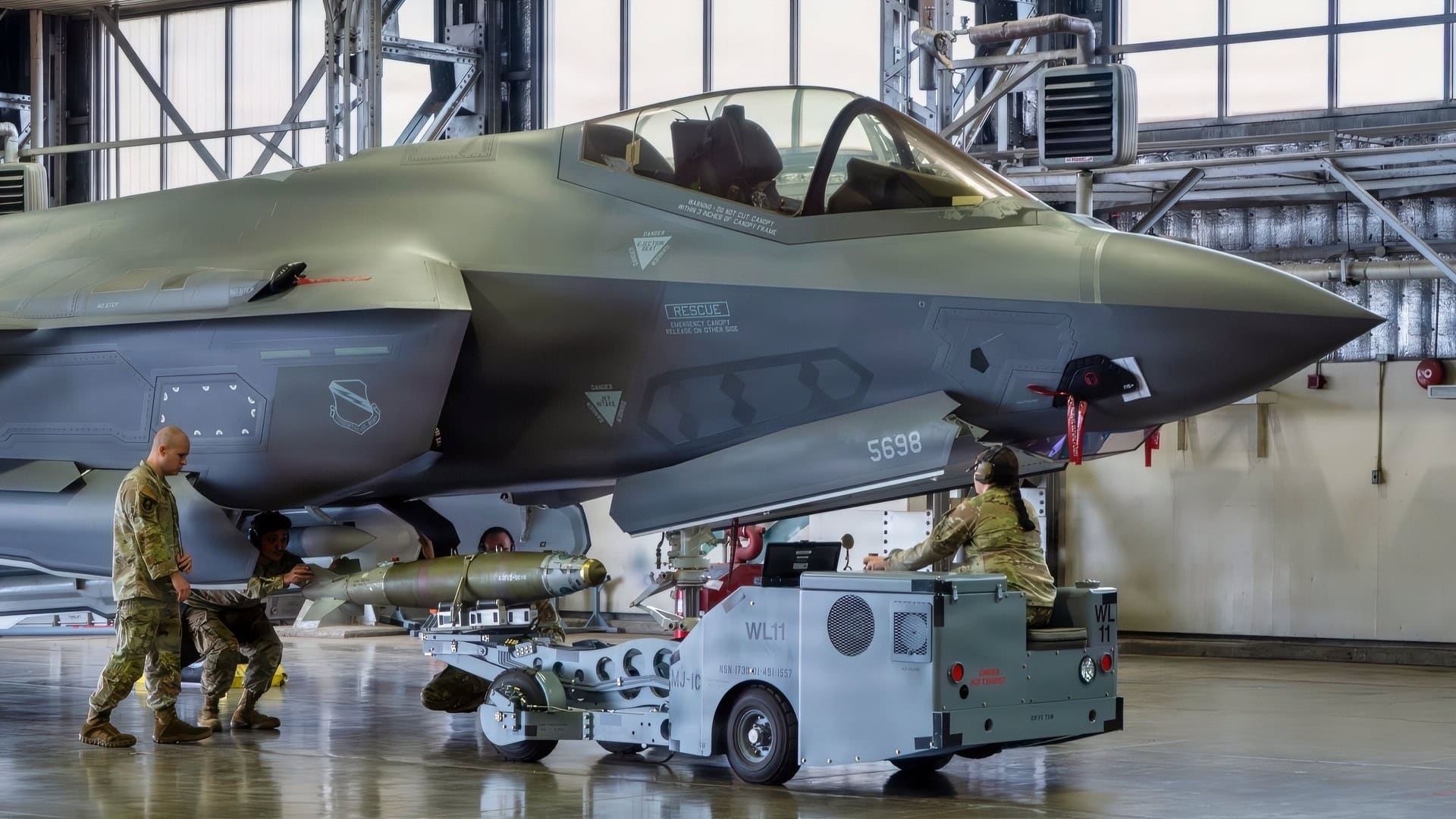
- The announced number in the U.S. notification is 48 F-35 aircraft.
- The total value of the package is approximately $24.3 billion, which includes the aircraft, armaments, training, and logistical support, not just the airframe price alone.
- The cost of a basic F-35A is about $82.5 million before accounting for engines, munitions, infrastructure, and life cycle services.
- The aircraft is fifth-generation, combining stealth, sensor integration, data sharing, and the ability to perform air-to-air and air-to-ground missions.
These figures make the deal one of the largest attempts to introduce an advanced Western air system into an Arab air force. However, it does not mean that 48 aircraft will arrive tomorrow or that political approval equals a binding contract; the notification opens the legal pathway, while negotiations, preparations, training, and delivery remain lengthy stages.
Why Washington Chose This Timing
The U.S. administration states that the sale supports foreign policy and national security objectives and enhances the security of a key non-NATO ally. The clearer reading is that Washington is using the F-35 as a tool to re-establish the relationship with Riyadh after Saudi doubts about the reliability of the American umbrella have widened. In return, the United States gains massive industrial contracts and long-term influence within the Saudi command and armament system.
However, the timing carries a military paradox. The F-35 was designed to penetrate air defenses and strike high-value targets, while the direct threat facing Saudi Arabia in Yemen relies on ballistic missiles, drones, mobile platforms, and a war of attrition. The aircraft may improve air awareness and precision strikes, but it will not protect a pipeline or airbase from every drone, nor will it alone solve the issues of ground deployment and intelligence.
Israel and China: The Deal's Knot
Israel fears that the introduction of the F-35 to Saudi Arabia will diminish its qualitative edge, even though Washington is legally obligated to maintain Israeli military superiority. Israeli reports indicate that Tel Aviv will request additional systems and armaments as compensation, and Israel is moving to double its fleet from approximately 50 aircraft to about 100 aircraft. Thus, the deal turns into a race for compensations, rather than a stable balance.
The strongest American objection is the potential leakage of technology to China. Riyadh is a growing economic and security partner for Beijing, and its cooperation with China in communications, drones, and digital infrastructure raises concerns for U.S. intelligence agencies. This does not mean that Saudi Arabia will hand over the aircraft's secrets to the Chinese, but it does mean that operating the F-35 requires a communications, maintenance, and information protection environment that cannot be separated from foreign policy. Owning the aircraft while continuing to rely on Chinese technologies in sensitive sectors will create a permanent contradiction.
Saudi Arabia's Actual Capability According to the Power Triangle
From a military perspective, the deal must be evaluated through three sides: equipment, training, and institutions. The equipment side is undoubtedly strong, as Riyadh acquires a platform that most countries in the region do not possess. The training side is more complex, as the aircraft requires pilots, maintenance teams, and mission planners capable of operating within an integrated network, not just celebratory flight hours.
The institutional side is the toughest test. The F-35 requires strict discipline in data management, a clear chain of command, and the ability to analyze information and make decisions quickly. The experience of the Yemen war has shown that a multitude of aircraft does not prevent the loss of a platform or the continued threat of drones if the reconnaissance, air defense, and base protection systems remain fragmented. Any military personnel who has served in the region knows that a shiny aircraft does not compensate for a slow institution.
What the Deal Means for the Gulf
The UAE, Qatar, Turkey, and Iran will view the deal as a signal that Washington still holds the key to the most sensitive air technology. The deal may push Abu Dhabi to seek guarantees or counter-capabilities, and it will give Riyadh greater weight in any security arrangements concerning Yemen and the Red Sea. However, the presence of Saudi F-35s will not eliminate the kingdom's need for multi-layered air defense systems, early warning aircraft, electronic warfare, and naval capabilities to protect oil corridors.
Weapons that a state cannot operate, maintain, and protect become a sign of dependency, not a testament to independence.
Conclusion
The F-35 deal gives Saudi Arabia a real opportunity to improve reconnaissance, precision strikes, and deter adversaries, but it does not automatically grant it independent air superiority. Washington sells the aircraft along with a network of dependence that extends for decades, while Riyadh seeks to purchase greater freedom of movement from within that network. This is the contradiction that the first crisis will reveal: Saudi Arabia wants an American weapon to deter the Houthis and Iran, but it does not want its operational decisions to remain hostage to American approval. Between the desire for independence and the need for protection, institutions—not just aircraft—will determine the value of the deal.
Sources
- BBC News, September 18, 2026, Analysis of the Debate Over the Sale of F-35s to Saudi Arabia.
- Reuters, September 17, 2026, U.S. Approval of the Path for a $24.3 Billion Fighter Jet Deal.
- Breaking Defense, September 18, 2026, Details of the U.S. Sale Notification.
- U.S. State Department, Notification of Foreign Military Sales to Saudi Arabia.
Saudi Arabia is moving towards acquiring 48 F-35 aircraft as part of a military package valued at $24.3 billion, with the U.S. notifying Congress of the potential sale on September 17, 2026. This deal aims to enhance Saudi military capabilities amid rising regional tensions, particularly from Houthi attacks. However, it raises concerns about Israel's military edge and the risk of technology transfer to China.
- Saudi Arabia is close to acquiring 48 F-35 aircraft worth $24.3 billion.
- The U.S. State Department notified Congress about the potential sale on September 17, 2026.
- The deal includes aircraft, armaments, training, and logistical support.
- The F-35 is a fifth-generation aircraft designed for advanced combat roles.
- Concerns exist regarding the impact on Israel's military superiority and technology transfer to China.