
Shanghai Jiao Tong University Report Dissects the U.S. Military-Industrial Iron Triangle: Who Will Hit the Brakes on China's Military-Industrial Expansion Impulse?
 Li Minghui
Shanghai Jiao Tong University Report Dissects the U.S. Military-Industrial Iron Triangle: Who Will Apply the Brakes to China's Military Production Expansion Impulse?
On August 20, the South China Morning Post reported on a research report released by the National Strategic Research Institute of Shanghai Jiao Tong University on Monday (August 17). This report unusually targets the U.S. military-industrial complex, warning Beijing to be cautious of the excessive influence defense contractors have on defense policy. The report employs a classic concept—the "iron triangle": a coalition of interests formed by the U.S. Department of Defense, private contractors, and congressional committees, where profits, budget expansion, and political capital feed into each other, ultimately hijacking national security policy.
What the Report Says
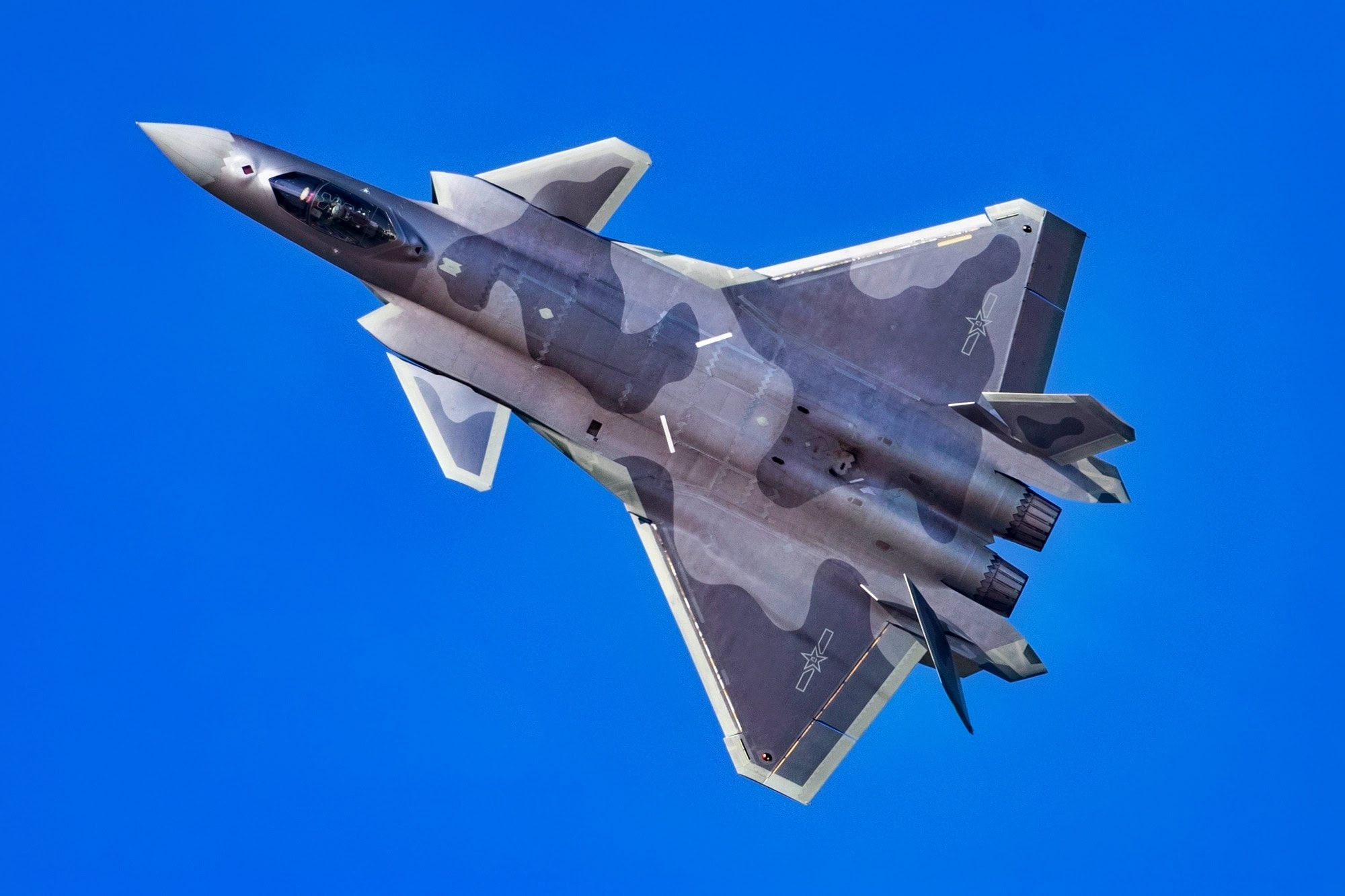
The first author, Gu Jianyi (previously employed at a military research institution), wrote that the interests of these three parties form a self-reinforcing cycle: "military expansion, revenue growth, mutual benefit, further expansion," causing arms growth to become self-driven, detached from external security pressures. His core judgment is straightforward—"the fundamental flaw of the U.S. military-industrial complex is that the pursuit of profit overrides national security and public interest." The report also warns that lobbying activities, manufactured conflicts, and perceived threats inherently contain the risk of "expanding the military solely for profit."
Why Now?
The timing of this report is intriguing. Over the past year, the shortcomings in U.S. production capacity exposed during the Iran War—significant depletion of advanced interceptor missile stocks, replenishment of GMLRS rockets scheduled for after 2030, and a destroyer losing power for four days in the South China Sea—have transformed the topic of the "military-industrial complex" from a political science textbook issue in Washington to a combat problem. While many Chinese scholars have analyzed this war, most focus on tactical aspects; this report shifts the perspective back to the institutional level: when a military-industrial system is driven by profit motives, capacity expansion can become detached from threat assessments.
Concerns Seen by the Author in the Chinese Context
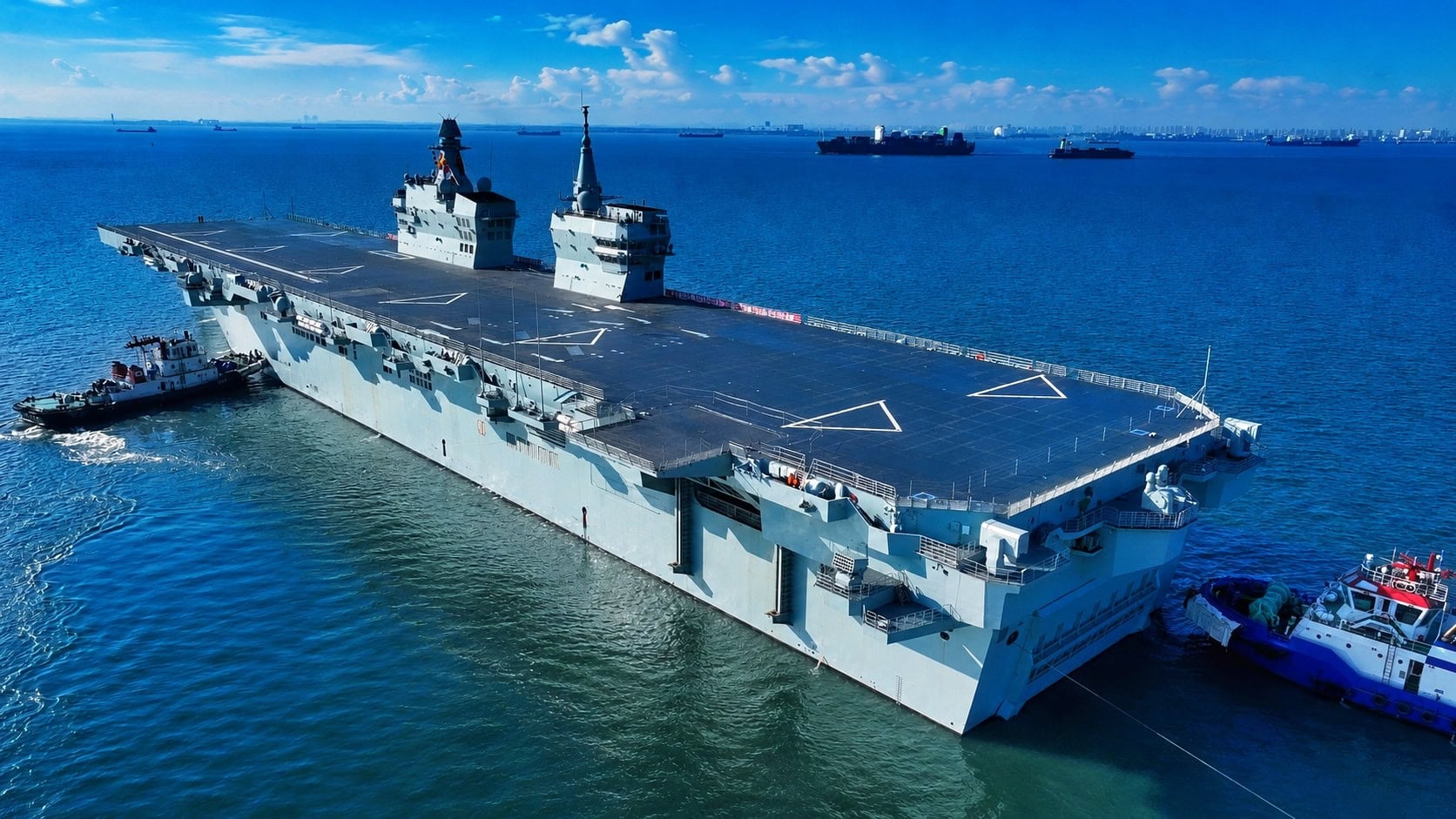
On the surface, this seems to criticize the U.S., but almost every paragraph of the report can be mirrored back to China itself. The Chinese military-industrial system is undergoing market-oriented reforms: military industrial groups are going public, mixed-ownership reforms are underway, and pricing mechanisms for military products are being adjusted, with profit motives entering this originally purely planned-driven system. China's "iron triangle" looks different from Washington's—not congressional lobbying, but a community formed by military industrial groups, military users, and the project approval chain. Publicly listed companies seek performance, military branches want new equipment, and the approval process demands results, making it easy for the three parties to reach a tacit understanding on project initiation.
The difference lies in the modes of failure. The U.S. experiences market failure, producing for profit; China is closer to planning failure, with repeated construction, competition for model validation, and production lines needing continuous orders to sustain. I have always believed that China's true advantage in military production lies in capacity elasticity—ships are produced in bulk, drones are mass-produced—but this elasticity itself has inertia: once a production line is established, it requires a steady stream of orders to sustain it, making it difficult to say, "this model is no longer needed."
Details Worth Contemplating
With less than a year and a half until the 2027 centenary military goal, expansion has a natural political correctness in the current atmosphere. In this context, who has the authority to tell military industrial groups to "stop"? The report targets the U.S., but the statement "the pursuit of profit overrides national security" applies to any major military power. The real question is not whether the U.S. will be dragged down by the iron triangle, but who will play the role of "Congress" in China's own system to apply the brakes—when the military is both the largest client and the final arbiter, where are the boundaries of the impulse for expansion? This report does not provide an answer; it only presents the question itself.
A report from Shanghai Jiao Tong University analyzes the influence of the military-industrial complex on U.S. defense policy, warning of the risks associated with profit-driven military expansion. It draws parallels to China's military-industrial dynamics, questioning the ability to regulate military expansion in the context of profit motives. The report emphasizes the need for caution in defense policy formulation.
- The report warns about the excessive influence of defense contractors on U.S. defense policy.
- It describes a self-reinforcing cycle of military expansion driven by profit motives.
- The report draws parallels between the U.S. and China's military-industrial dynamics.
- It highlights the risks of military expansion based on profit rather than security needs.
- The report raises questions about who can regulate military expansion in China.