
Six Killed in Dual Houthi Missile Attack on Cargo Ship in Bab al-Mandab Threatening to Reignite Yemen War
 Ahmed Al-Rashid
Six Killed in Houthi Double Attack with Ballistic Missiles on Cargo Ship in Bab al-Mandab, Threatening to Rekindle Yemen War
On the evening of Tuesday, August 12, the Houthi group (Ansar Allah) launched three ballistic missiles at the Egyptian cargo ship "Tehama" while it was transiting the Bab al-Mandab Strait, killing six people and injuring ten others, including three Pakistanis and one Indonesian, according to the Yemeni Ministry of Transport. While rescue teams were retrieving the dead and injured from the burning ship, the Houthis launched a fourth missile that struck the very rescue site, killing at least two soldiers. This marks the first maritime fatalities attributed to the Houthis since the onset of the U.S.-Israeli war on Iran on February 28, and it is no coincidence that it occurred specifically in the Bab al-Mandab Strait.
The Second Strike on Rescuers is Not a Targeting Error
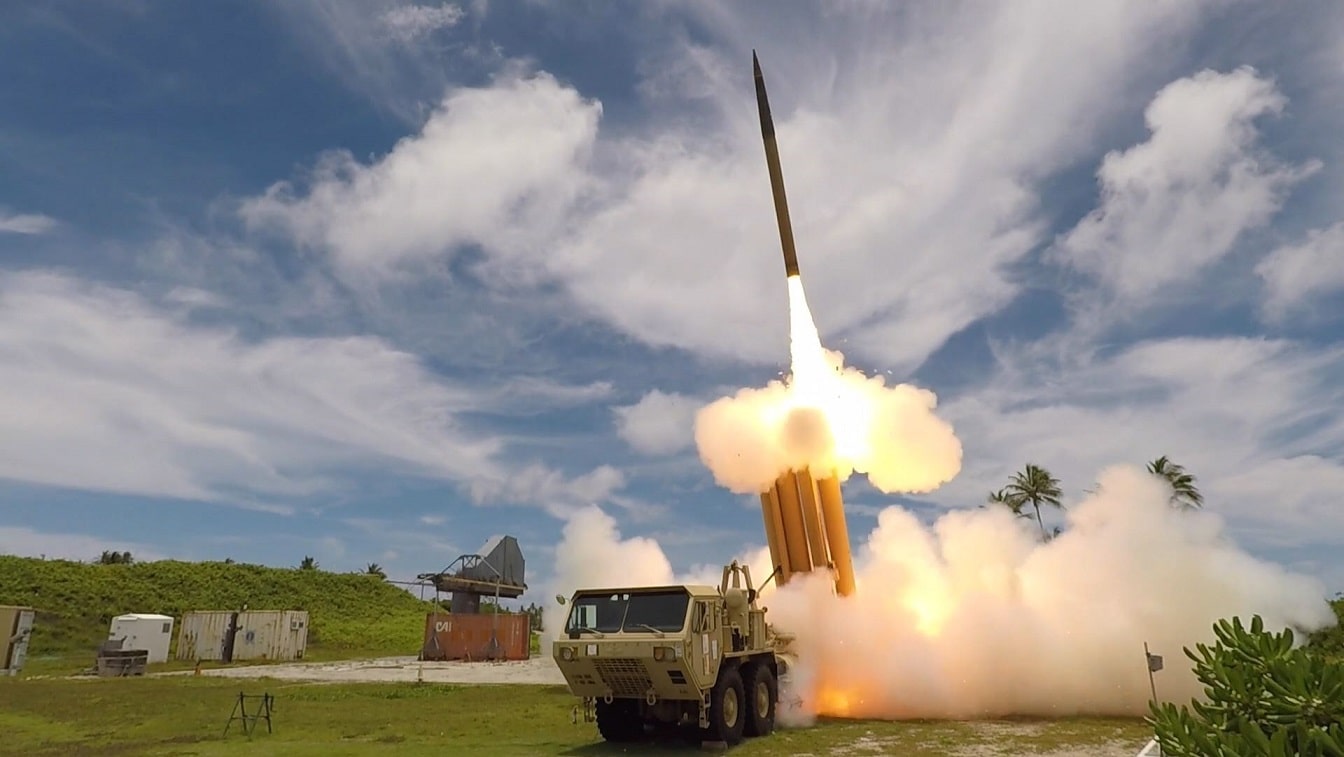
From a military perspective, I do not interpret the second strike as an accident or targeting error. The tactic of striking the target first and then targeting those rushing to rescue the victims is a well-known strategy among Iran-aligned militias in Syria and Iraq, practiced repeatedly by Hezbollah and others. Its aim is to multiply casualties and force the adversary to abandon their wounded, which raises the humanitarian and psychological cost of any future confrontation.
Notably, the Houthis, through their affiliated Saba agency, claimed they targeted a "Saudi ship carrying military equipment" without naming it. Any military personnel who has served in the region knows this phrasing well: the downing of any civilian ship under the guise of "military cargo" to justify targeting all commercial navigation.
Bab al-Mandab: Saudi Arabia's Alternative Lifeline After the Closure of Hormuz
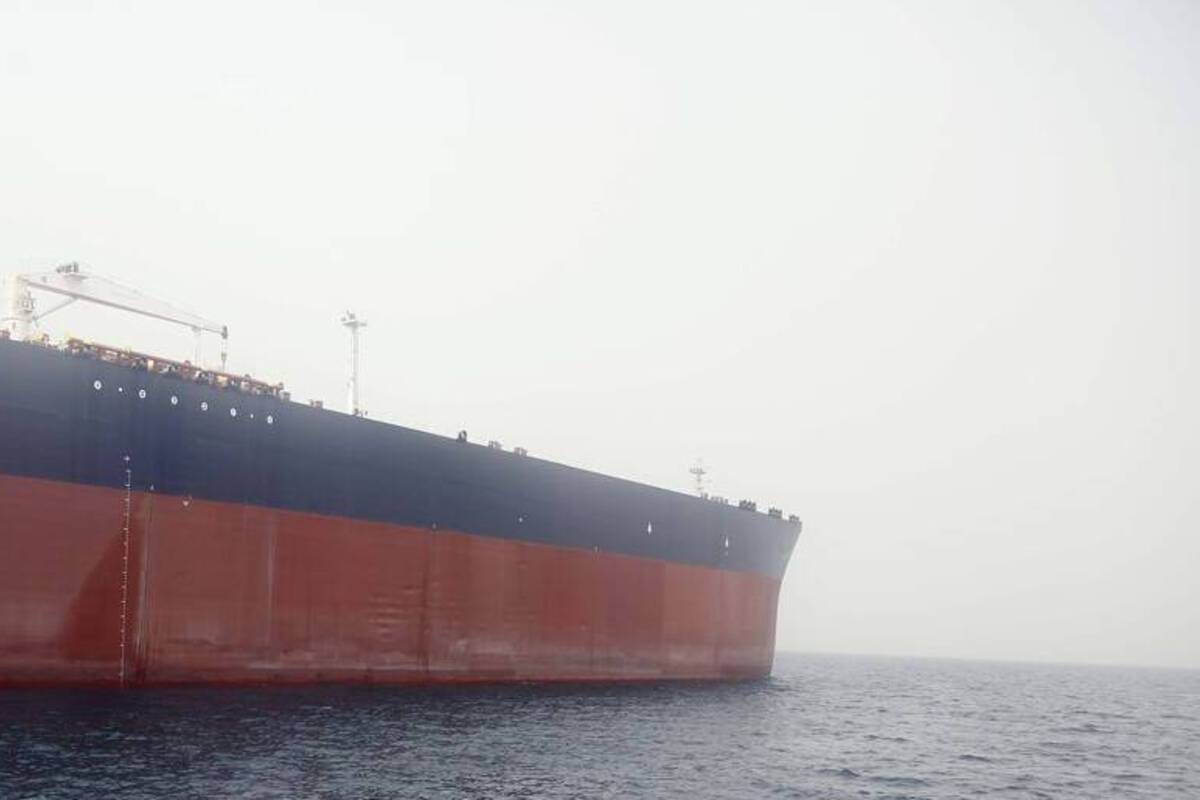
The significance of what is happening here is not just in the number of casualties, but in the geography. When the Strait of Hormuz was effectively closed at the beginning of the war on Iran, the Saudi East-West pipeline (Petroline) became the kingdom's lifeline; it pumps about seven million barrels per day from the Abqaiq fields in the east to the port of Yanbu on the Red Sea, from where tankers transit the Bab al-Mandab Strait to Asian markets. Shipments from Yanbu have jumped from about 973,000 barrels per day a year ago to about four million barrels per day in recent weeks, according to vessel tracking data.
In other words, practically speaking, what Hormuz used to secure is now passing through a single narrow corridor of no more than 29 kilometers at its narrowest point, through which approximately 4.1 billion barrels of crude oil and derivatives passed in 2024. With Hormuz closed, the closure of Bab al-Mandab also means blocking nearly a quarter of global oil and gas supplies. This is the real leverage the Houthis have, not just missiles launched from the mountains of Hajjah and Saada.
From the Runway of Sana'a to the Jazan Refineries: How the Truce Collapsed
This escalation did not begin out of nowhere. On July 13, Saudi aircraft bombed the runway of Sana'a Airport to prevent an Iranian plane carrying a high-ranking Houthi delegation from landing, leading to the collapse of the 2022 truce that had lasted four years under the "no war, no peace" status. The Houthis responded by bombing Abha Airport in southwestern Saudi Arabia, then announced on July 20 a naval blockade on Saudi navigation in the Red Sea, and struck the Jazan refinery belonging to Aramco and oil facilities in Jizan and Yanbu. In response, the coalition bombed Hodeidah and Kamaran Island, and the Houthis attacked the port of Mocha and the city of Marib, killing dozens among soldiers and civilians.
What concerns me here is not the escalation itself, but its direction. Until recently, the Houthis were maneuvering within the framework of "negotiating under fire," but now they seem to be rearranging the theater of operations before the Yemeni government, supported by Saudi Arabia, is fully prepared.
The Real Capability of the Houthis is Not in Their Missiles
Any analysis that addresses the Houthis' capabilities solely by counting their missiles and drones misses the mark. In the capability triangle I rely on — equipment, training, and organization — the Houthis' relative advantage lies in the latter two, not in equipment. A group that has been fighting for a full decade has gained organizational resilience and combat flexibility that mere stockpiles of weapons cannot provide. More importantly, the mountainous terrain of Yemen, from Saada in the north to Hajjah and Hodeidah in the west, offers them a refuge that no air power can break their will in. In this regard, my assessment aligns with what Western analysts say: the Houthis cannot be defeated by air power alone.
What strengthens their position is that Iran threatened last month to close the oil route in the Red Sea if the Americans targeted its electrical infrastructure, relaying its message through the Houthis, who positioned missiles and drones near Bab al-Mandab in highlands overlooking Hodeidah and the Gulf of Aden, according to a Reuters source close to the group.
Who Pays the Price When Allies Are Called Upon
In this context, the Mecca Agreement for mutual defense between Saudi Arabia, Turkey, and Pakistan is immediately put to the test. The killing of three Pakistanis aboard the "Tehama" was not a trivial detail; Islamabad officially condemned the attack and confirmed its communications with Riyadh and Sana'a. Nevertheless, I suspect that the impact of this agreement on the Yemeni battlefield will be limited, and that it will remain — as one analyst described it — "ink on paper" as long as it does not transform into a clear operational commitment.
The truth that must be stated frankly is: Saudi Arabia does not want to return to the quagmire of a long ground war in Yemen, and its leadership knows that retaking Sana'a is not possible from the air, and that ground involvement will cost it what it cost in the early years of the war. Hence, the most likely scenario in my view is not a wide Saudi attack, but a Yemeni government campaign supported by Saudi Arabia aimed at pushing the Houthis away from the coast, not retaking the capital.
Conclusion
What is happening in Bab al-Mandab is not just a new chapter in the Yemen war, but a test of Saudi Arabia's ability to protect its alternative lifeline after Hormuz was closed to it. The structural irony here is harsh: the kingdom has purchased the most advanced air defense systems over two decades, yet it finds itself today threatened from a waterway guarded by a militia launching ballistic missiles from mountain peaks. The shield that Riyadh built to protect itself from Iran does not deter those who strike navigation off the coast of Yemen. In the end, as has been customary in this forgotten war, the Yemenis themselves — neither in Sana'a nor in Riyadh — will pay the price of a equation controlled by both parties in everything except their daily lives.
Houthi forces launched a double missile attack on the Egyptian cargo ship 'Tehama' in Bab al-Mandab on August 12, resulting in six fatalities and ten injuries. The attack included a follow-up strike on rescue operations, killing at least two soldiers. This incident signifies a dangerous escalation in the ongoing Yemen conflict, with implications for maritime security in the region.
- Houthi forces launched three ballistic missiles at the Egyptian cargo ship 'Tehama'.
- Six people were killed and ten injured, including three Pakistanis and one Indonesian.
- A fourth missile targeted rescue operations, killing at least two soldiers.
- This incident marks the first maritime casualties attributed to the Houthis since February 28.
- The attack is part of a broader escalation in the Yemen conflict.