

Recently,
a certain unit of the Eastern Theater Air Force
has closely aligned its training with real combat requirements
and continuously organized multiple training subjects
to comprehensively hone the combat capabilities of pilots—
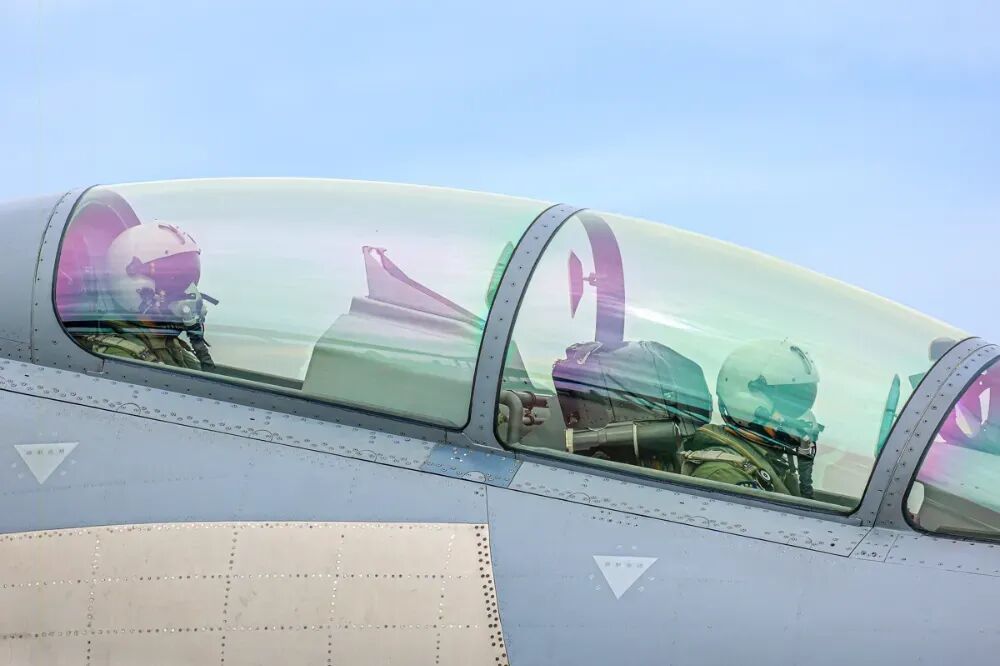
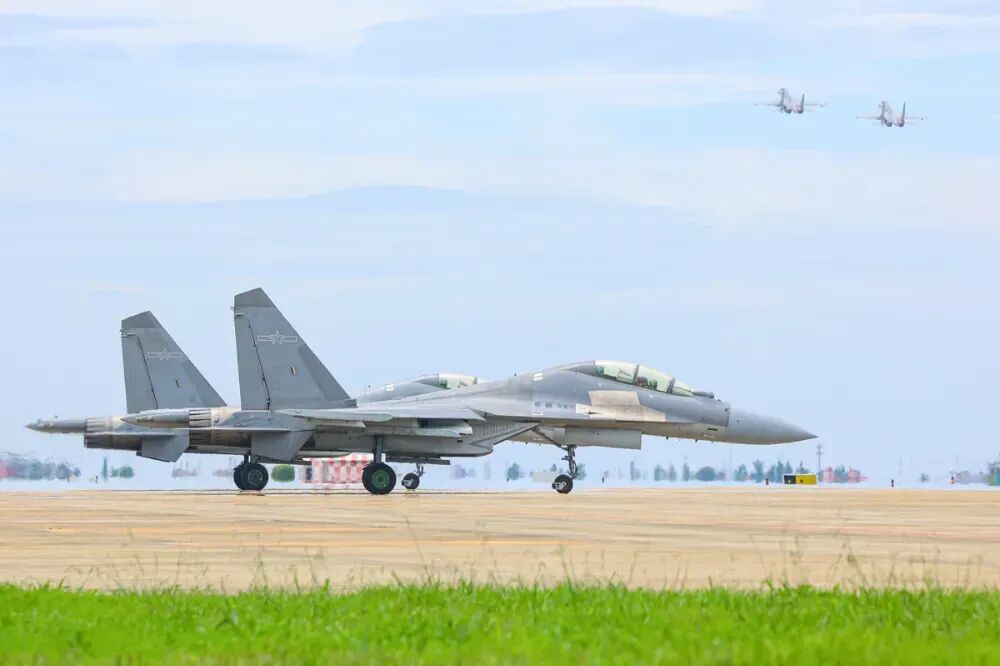
▲ Pilots take off in succession in fighter jets.
“'Enemy' tracking!”
As soon as they arrived in the target airspace,
an alarm sounded in the cockpit,
which heightened the tension of the pilots in both the front and rear cockpits.
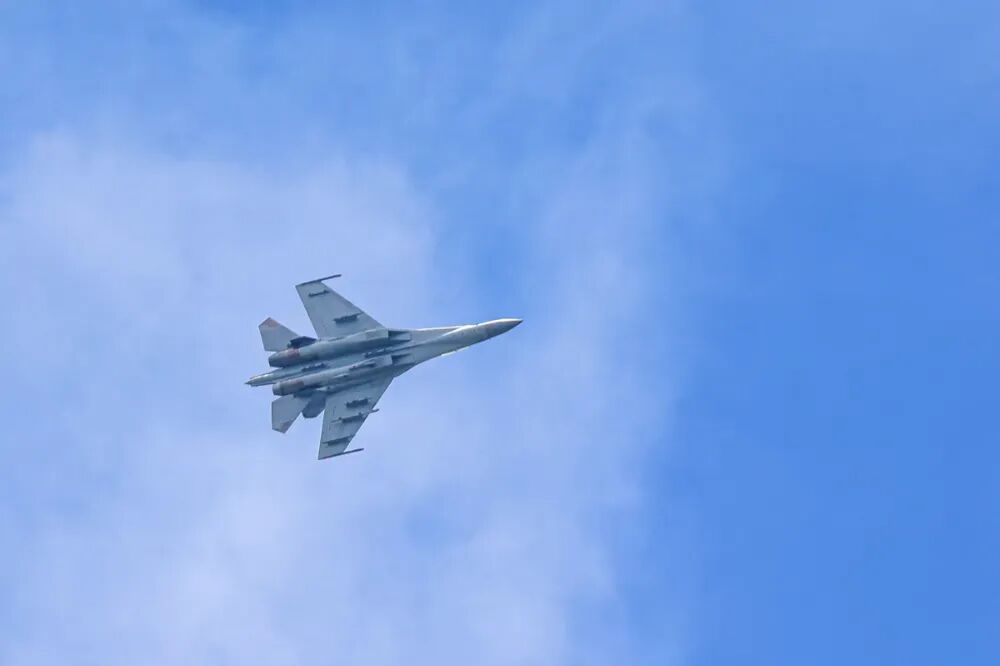
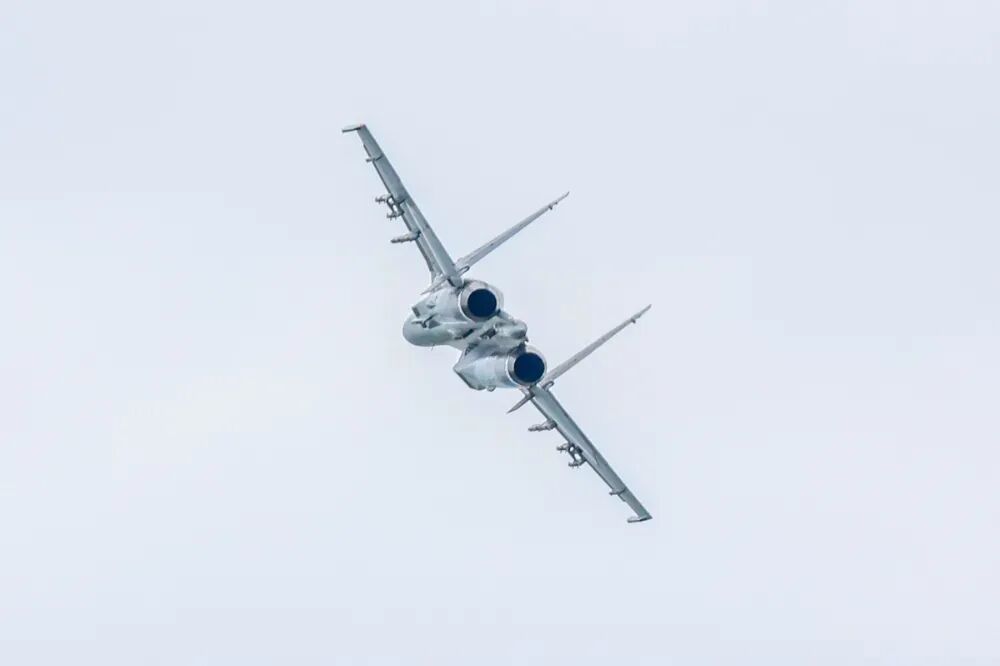
▲ Pilots perform tactical maneuvers in fighter jets.
The pilots made slight adjustments,
quickly calculating and analyzing
based on changes in instrument data
to find the opportunity to lock on.
“Maneuver!”
Suddenly, the “enemy” aircraft attempted
to launch a strong attack against us again.
The front and rear cockpits coordinated closely to respond,
the alarm ceased, and the threat was temporarily lifted.
Immediately after,
the pilots executed a feint attack to lure the “enemy.”
The opponent fell for it.
They seized the attack window to launch a strike,
successfully achieving victory in the first round.
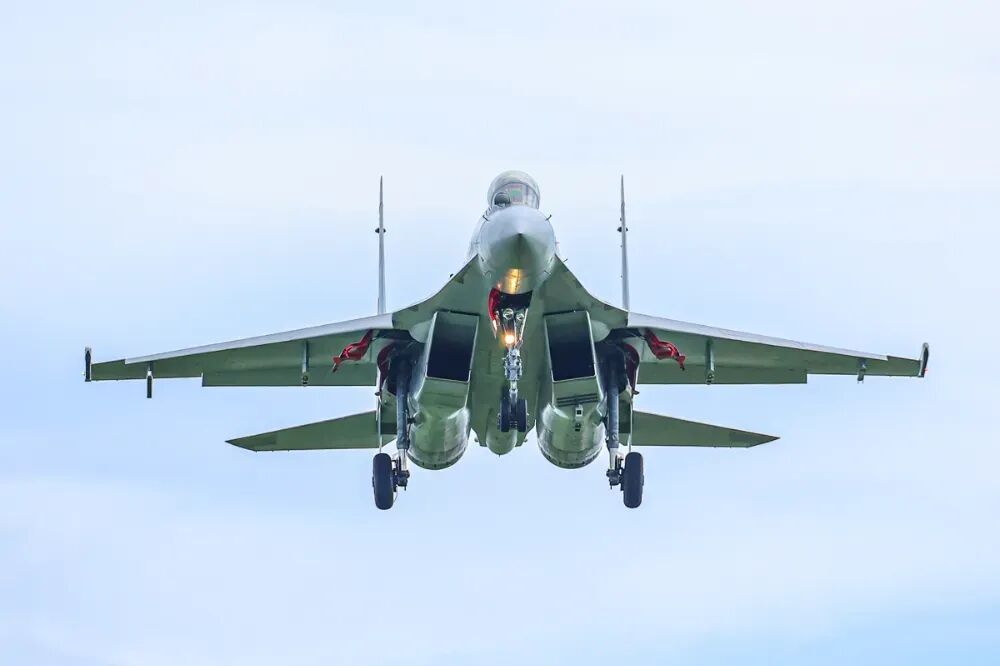
▲ Returning after aerial combat.
Only by creating realistic scenarios
can we better identify and address shortcomings.
This training emphasized realism and confrontation,
establishing a realistic battlefield environment
to allow pilots to test their capabilities in genuine practice,
constantly breaking through the bottlenecks that restrict combat effectiveness,
ensuring that the training has a high “combat content” and strong “feasibility.”
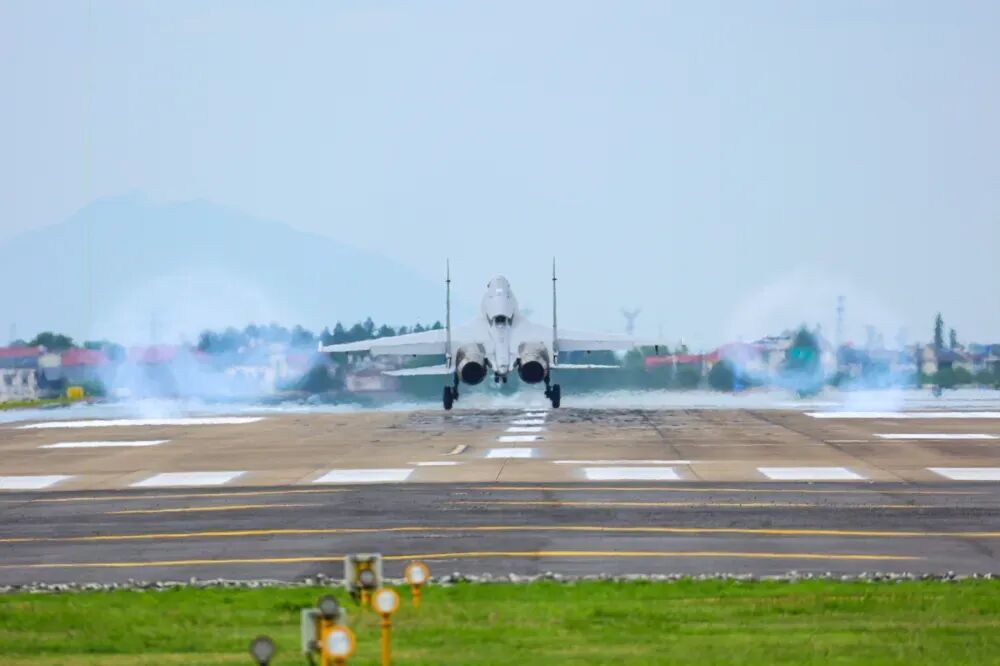
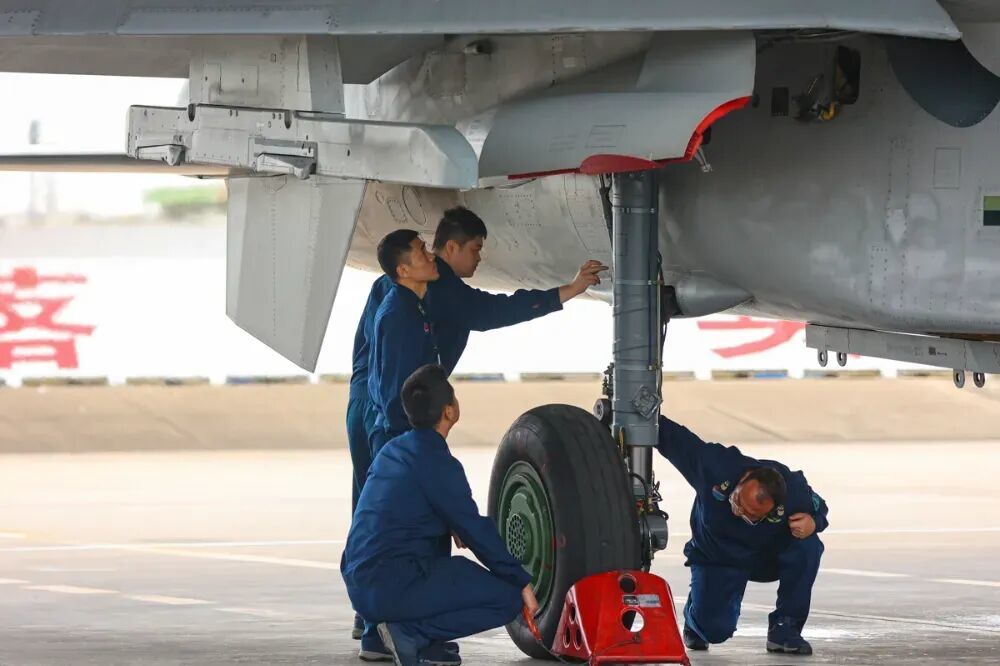
▲ Fighter jets taxi back to the hangar for hot refueling and support.
To minimize the time for the fighter jets to be deployed again,
after landing,
the support personnel quickly rushed to their positions
to efficiently carry out tasks such as “hot loading” and “hot refueling,”
quickly preparing the fighter jets for another sortie.
Meanwhile,
the pilots reviewed flight data and videos
to optimize their tactical approaches.
Before long, the red and blue teams switched roles
and took to the skies again,
initiating a new round of confrontation.
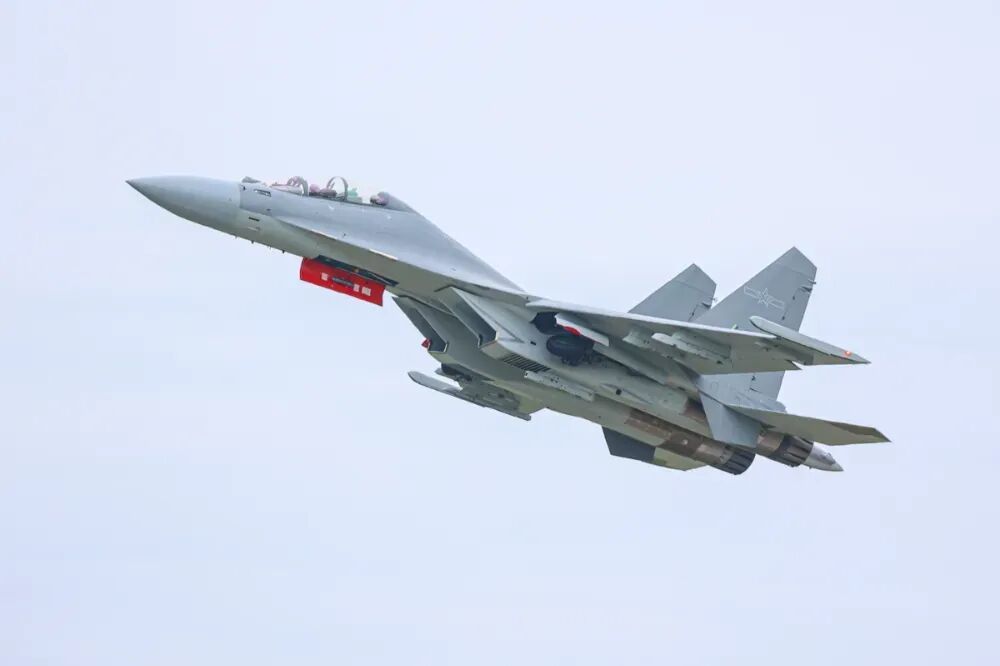
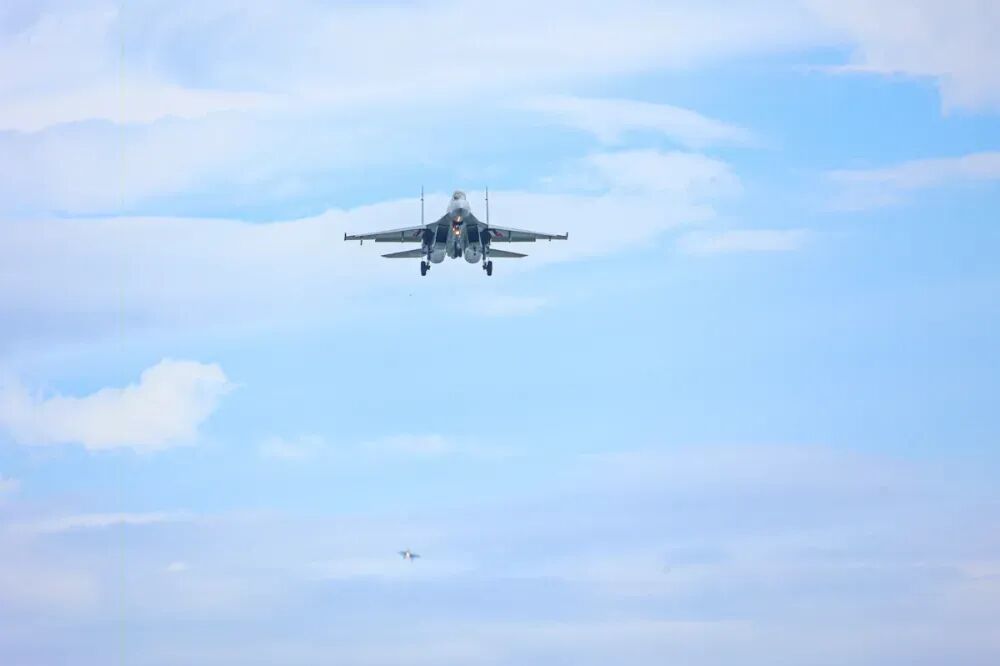
▲ Fighter jets return in sequence after completing training.
The Air Force pilots are always ready for combat.
Text and images by丨Zheng Hanyi
The Eastern Theater Command Air Force conducted multiple tactical training exercises, simulating combat scenarios with 'enemy' aircraft. Pilots engaged in defensive actions and rapid response logistics, including hot refueling for quick aircraft turnaround. The training emphasized real combat conditions to enhance pilot readiness and operational effectiveness.
- Eastern Theater Command Air Force conducted multiple tactical training exercises.
- Pilots engaged in simulated combat scenarios against 'enemy' aircraft.
- Training emphasized real combat conditions and rapid response logistics.
- Aircraft underwent hot refueling and quick turnaround for subsequent missions.
- Red and Blue forces exchanged roles for comprehensive training.