
Taiwan Gets F-16 Block 70s in 2026 but Delivery Delays Still Matter
 Marcus Chen
Taiwan Gets F-16 Block 70s in 2026 but Delivery Delays Still Matter
Three F-16s do not change the balance across the Taiwan Strait. They do change the calendar. Reports on November 17 say Taiwan has begun receiving its new F-16 Block 70 fighters after a delivery process that slipped well beyond the original plan. For Taipei, the arrival is useful. For Washington, it is a reminder that a sale announced in 2019 is still becoming combat power one small batch at a time.
The First Deliveries Are Important, Not Decisive
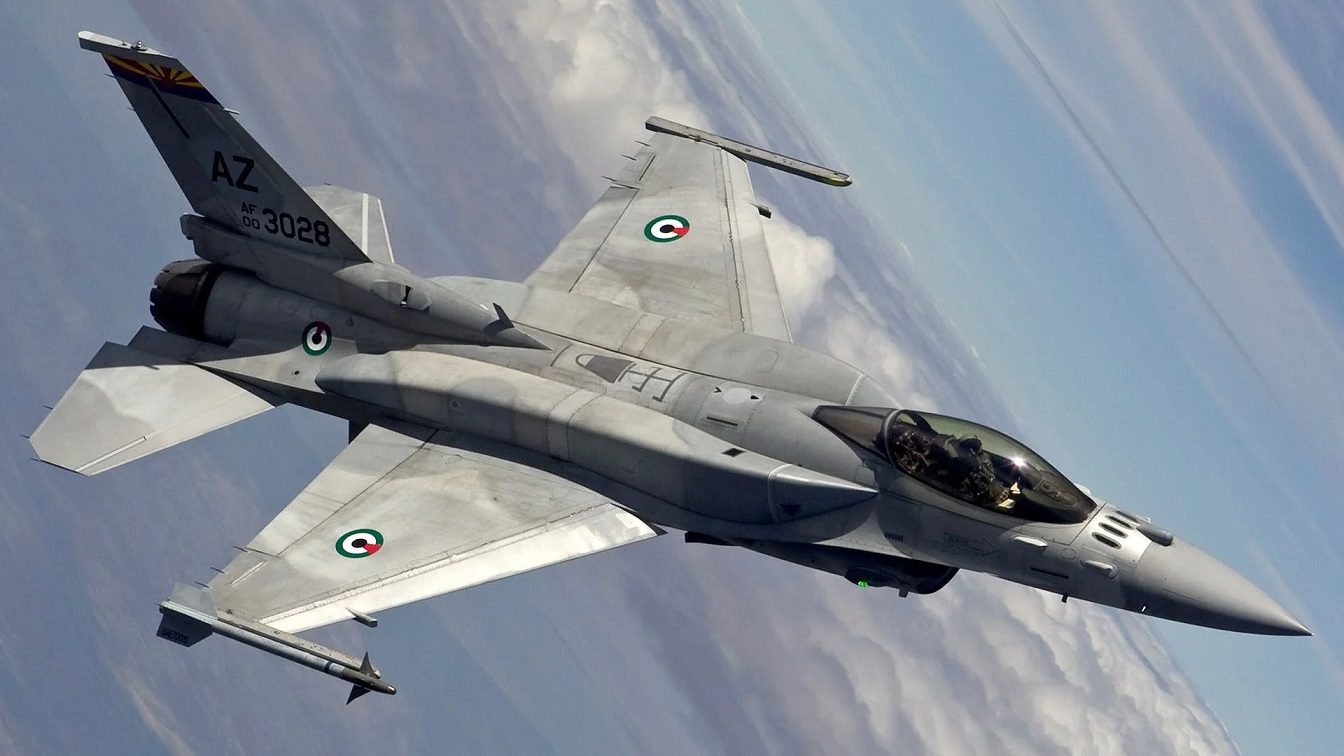
The current program covers 66 new F-16C/D Block 70 aircraft, approved by the United States in 2019 in a package valued at roughly $8 billion. The aircraft are not simply older F-16s pulled from a storage yard. They combine the F-16V configuration with the Northrop Grumman APG-83 active electronically scanned array radar, modernized mission computers, improved electronic warfare equipment, and a structural life designed around 12,000 hours.
Those upgrades matter in the opening hours of a crisis. An AESA radar gives Taiwanese pilots better detection and tracking options, while modern data links allow the fighters to work as part of a wider air-defense network. The jets can also carry the weapons and targeting systems needed for counter-air and maritime strike missions. But none of that makes them invulnerable on runways or immune to a missile campaign.
Delivery Delay Is a Military Problem
The problem is not that Taiwan is receiving an inferior aircraft. The problem is the time between the political announcement and the operational squadron. Aircraft deliveries have been delayed by supply-chain constraints and production congestion, while Taiwan has had to absorb a new platform during a period of rising Chinese air activity. A fighter that arrives after the expected crisis window is not useless, but it shifts risk onto the force already in service.
The arithmetic is straightforward. A 66-aircraft order sounds substantial, but it is not 66 aircraft continuously available for combat. Some will be in training, scheduled maintenance, software work, or conversion units. Taiwan must also generate pilots, maintainers, spare engines, weapons stocks, hardened shelters, and dispersed operating procedures. A modern fighter fleet is a system, not a count on a procurement spreadsheet.
That is why the latest arrival should be read as the start of a sustainment test. Taiwan already operates a large F-16 fleet, including upgraded F-16Vs, so the new Block 70s benefit from an existing training and maintenance ecosystem. Even so, the island needs enough spare parts and runway-repair capacity to keep aircraft flying after the first wave of attacks. The important number is not how many aircraft cross the Pacific this month. It is how many can generate sorties on day seven.
China Has Several Ways to Attack the Timeline
The People's Liberation Army does not need to defeat every F-16 in a dogfight. It can target the conditions that allow the fleet to operate. Ballistic and cruise missiles could strike airbases, fuel farms, command nodes, and ammunition storage. Cyber and electronic attacks could disrupt the air picture. Aircraft and drones could force Taiwan to burn flight hours and weapons before a conflict even begins.
China's air force also has a numerical advantage close to the theater and can use long-range sensors, jammers, and surface-to-air missiles to make every Taiwanese sortie expensive. The F-16 Block 70 improves Taiwan's ability to contest the airspace. It does not remove the geography problem: Taiwan's bases are fixed, the strait is narrow, and the People's Liberation Army can concentrate pressure faster than new aircraft can be delivered.
This is where the aircraft's networked features become more important than its brochure performance. Taiwan needs the F-16s connected to mobile air-defense units, passive sensors, decoys, and a resilient command network. It also needs a doctrine that preserves aircraft for the decisive phase instead of exposing them in predictable patrol patterns. A fleet that is technologically advanced but easy to locate remains a target set.
What Washington Should Learn
Washington should stop treating arms sales as completed when the contract is signed. The relevant measure is delivered, accepted, armed, and trained capability. The F-16 case is not an argument against the sale. It is an argument for sequencing: munitions, spares, runway-repair equipment, simulators, and maintenance support must arrive alongside the aircraft or earlier.
The same lesson applies to every high-profile Taiwan package. A delivery queue measured in years creates a gap that Beijing can study. It also creates political risk: Taipei pays for a capability now but receives much of the military effect later. If the United States wants deterrence before a crisis, it has to manage production capacity as part of the deterrence plan.
The Useful Signal Is Also a Warning
The new F-16s are a meaningful improvement to Taiwan's air arm. Their AESA radar, digital architecture, and longer service life should make each surviving aircraft more useful than an equivalent legacy jet. But a handful of arrivals cannot compensate for delayed production, limited runway resilience, or inadequate missile inventories.
The signal from 2026 is therefore mixed. Taiwan is getting better fighters, and China now has to account for them. But the delivery schedule shows how slowly a defense decision becomes combat power. In a Taiwan contingency, that delay is not an administrative detail. It is part of the battlefield.
Sources
Taiwan has begun receiving its new F-16 Block 70 fighters, with the first deliveries occurring on November 17, 2026. The delivery of 66 aircraft, valued at around $8 billion, has faced delays due to supply-chain issues. These advanced fighters are equipped with AESA radar and enhanced electronic warfare systems, improving Taiwan's air defense capabilities amid rising Chinese air activity.
- Taiwan has begun receiving F-16 Block 70 fighters as of November 17, 2026.
- The delivery process has faced delays due to supply-chain constraints.
- The F-16 Block 70 includes advanced features like AESA radar and improved electronic warfare capabilities.
- Taiwan's order consists of 66 new F-16C/D Block 70 aircraft valued at approximately $8 billion.
- The delivery of these aircraft is crucial for Taiwan's air defense capabilities.