
Teledyne FLIR wins $48M to turn 10 Bulgarian Strykers into CBRN scouts
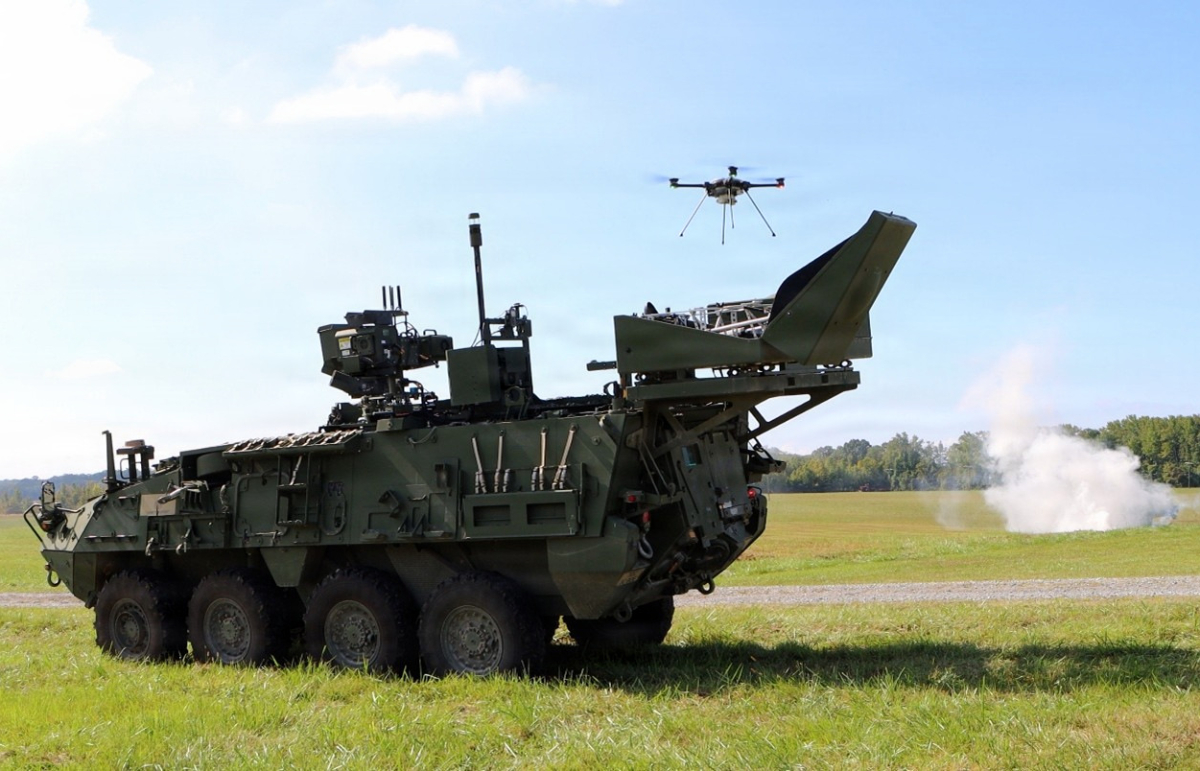
Teledyne FLIR Defense has won a $48 million U.S. Army contract to fit Bulgaria’s new Stryker fleet with the same upgraded chemical, biological, radiological and nuclear reconnaissance sensor suite now going to U.S. Army units, the company announced on Oct. 26.
U.S. Army Contracting Command at Aberdeen Proving Ground, Maryland, awarded the contract under a Foreign Military Sales agreement, the government-to-government route through which allies buy U.S. defense equipment. Bulgaria will equip 10 of the nearly 200 Strykers it is buying with the Nuclear, Biological and Chemical Reconnaissance Vehicle (NBCRV) Sensor Suite Upgrade, turning them into dedicated vehicles for detecting contamination ahead of other troops. Work will run through 2028 at several Teledyne FLIR sites in the United States, and the sensor suites will be fitted in Bulgaria after the vehicles arrive.
The NBCRV is the CBRN reconnaissance version of the Stryker. Its crew drives into or near a suspected contaminated area, detects and identifies hazards from a distance, collects samples and reports what it finds so commanders can decide where units can safely move. Teledyne FLIR is the lead integrator for the U.S. Army’s upgrade of that system, which adds more automated sensors and an unmanned aircraft, and the company began delivering the new suites to U.S. Army units in 2025.
Among the third-party sensors in the package, the upgraded vehicle carries Teledyne FLIR’s R80D SkyRaider drone fitted with the company’s MUVE B330 biological detector, which lets the crew sample the air for biological agents away from the vehicle. The U.S. Army tested a Stryker launching the SkyRaider with the MUVE B330 during development. A Teledyne FLIR command and control system ties all the sensors and platforms together and automates part of the analysis to reduce the workload on the crew.
“The upgraded Stryker vehicles will provide Bulgaria with the most advanced mounted CBRN reconnaissance capabilities in Europe,” said Dr. JihFen Lei, President of Teledyne Defense and Aerospace Group and Senior Vice President of Teledyne Technologies.
“Together, our two Stryker modernization efforts highlight the breadth of sensor solutions Teledyne FLIR can deliver to NATO allies and partners, helping warfighters detect, identify and respond effectively to an array of battlefield threats,” Lei said.
The new award is Teledyne FLIR’s second Bulgarian Stryker contract this year. In January, the company won a contract worth up to $32 million to supply thermal sights and radars for Bulgaria’s Stryker fleet, giving crews 360-degree visibility and long-range threat detection.
Bulgaria is buying the Strykers to replace its Soviet-era tactical vehicles and to operate equipment compatible with other NATO forces. The first five combat vehicles arrived at the Black Sea port of Burgas on Feb. 14, along with eight more provided free of charge through a U.S. assistance program, and the fleet is going to the 61st Mechanized Brigade.
Teledyne FLIR said it has received contract vehicles worth more than $240 million for the NBCRV Sensor Suite Upgrade program since 2024. In June, it also won an $11.2 million U.S. Army contract for more than 45 SkyRaider-based CBRN sensor drone kits for dismounted units operating away from the reconnaissance vehicles.
Content preview only. Full article available at source. View Full Article
Teledyne FLIR Defense was awarded a $48 million contract to upgrade 10 Bulgarian Stryker vehicles with advanced CBRN reconnaissance capabilities. The contract, announced on October 26, 2023, will enhance Bulgaria's military capabilities and is part of a broader effort to modernize its fleet. The upgrades will include a sensor suite and a drone for biological detection, with work expected to continue until 2028.
- Teledyne FLIR Defense won a $48 million contract to upgrade 10 Bulgarian Stryker vehicles.
- The upgrade includes a CBRN reconnaissance sensor suite.
- The contract was awarded under a Foreign Military Sales agreement.
- Work will continue through 2028 at various Teledyne FLIR sites in the U.S.
- Bulgaria is modernizing its military equipment to align with NATO standards.