

Conventional wisdom in American election politics says that voters cast their ballots based on domestic concerns. They ignore foreign policy. The enduring cliché is that the electorate does not care about what happens abroad unless American troops are dying in a conflict. Yet, as the US electorate heads to the polls for the midterm elections this week, that conventional wisdom is being challenged.
The ongoing war in Iran has reduced the barrier between international conflict and domestic kitchen-table issues, primarily because it has so obviously and painfully spiked gas prices across the country.
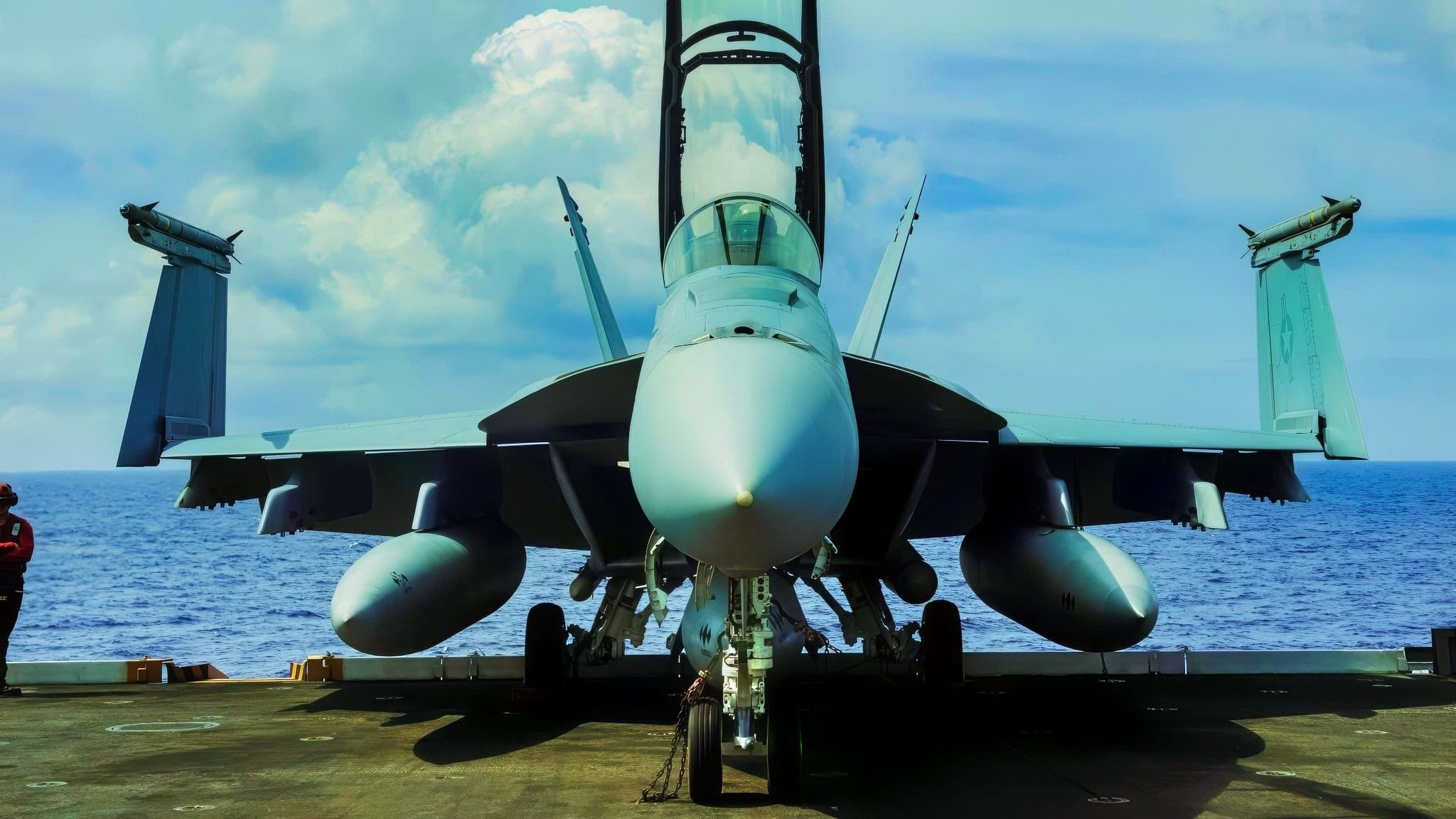
Capt. Tim Waits, commanding officer of Nimitz-class aircraft carrier USS George Washington (CVN 73), climbs into an F/A-18F Super Hornet, attached to Strike Fighter Squadron (VFA) 102, while underway in the South China Sea, Nov. 24, 2025. George Washington is the U.S. Navy’s premier forward-deployed aircraft carrier, a long-standing symbol of the United States’ commitment to maintaining a free and open Indo-Pacific region, while operating alongside allies and partners across the U.S. Navy’s largest numbered fleet. (U.S. Navy photo by Mass Communication Specialist 2nd Class Geoffrey L. Ottinger)
Trump at War in 2026
American President Donald Trump initiated the conflict with Iran expecting a swift, decisive victory that would play well on television and reinforce a much-sought-after aura of ‘strength.’
Instead, the conflict has dragged into its eighth inconclusive month, tying down exquisite American naval assets against cheap drone technology and causing massive disruptions in global energy markets.
To mitigate the political fallout from soaring fuel costs right before the midterms, the administration unilaterally lifted sanctions on Russian diesel against Congress’s will. This transparent maneuvering underscores how deeply entangled the president’s foreign adventurism has become with his electoral survival.
Trump is now stuck with a foreign policy venture he doesn’t know how to escape, and it is pulling his polling down.
The political vulnerability created by US overextension in the Middle East is merely one symptom of a much broader constitutional erosion.
Over the past year, the executive branch has grown suddenly and aggressively active in the unilateral use of force.
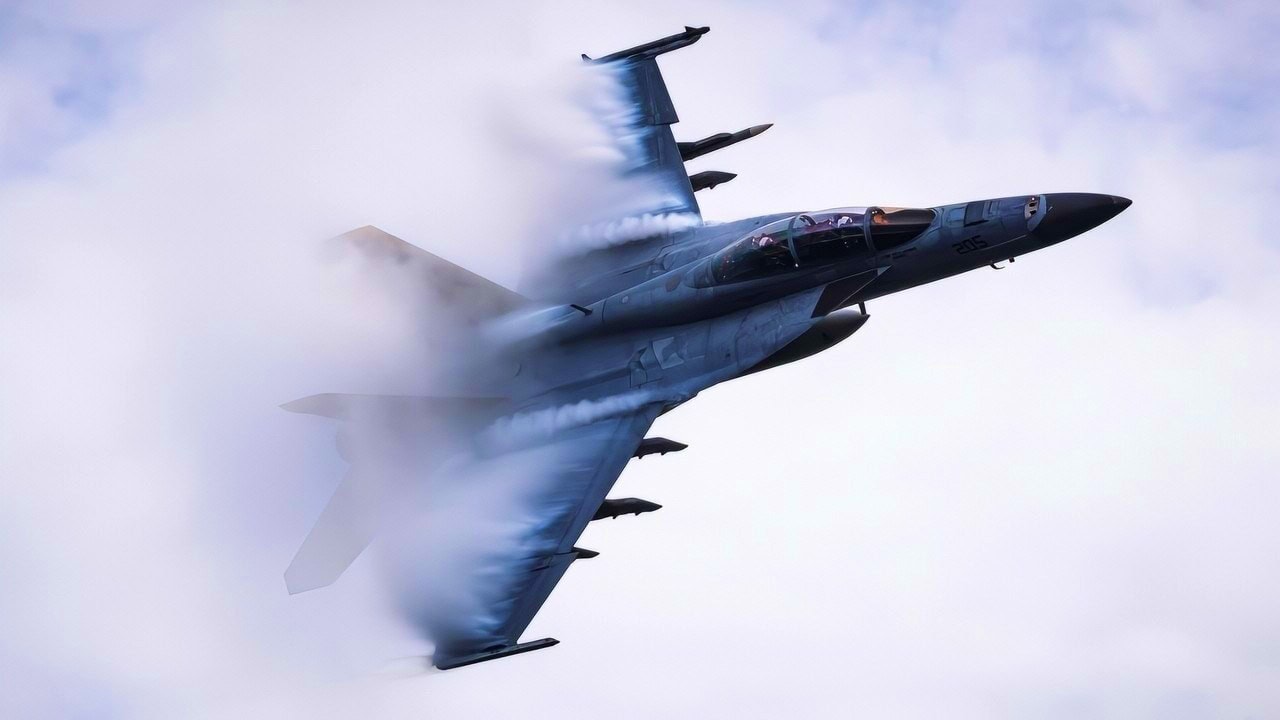
USS George Washington Aircraft Carrier Super Hornet. Image Credit: Creative Commons.
Without a single vote, authorization, or meaningful consultation from Capitol Hill, the White House has launched kinetic operations to remove the leadership in Venezuela, conducted more than 70 lethal strikes on suspected drug-running boats in the Caribbean and Pacific, and plunged the United States into a prolonged conflict in the Persian Gulf.
An Imperial Presidency
Trump’s imperial presidency is operating with few Congressional checks, and Democrats now are running against it.
The US opposition electorate is mobilized not just by domestic grievances, but by a profound rejection of these unauthorized military adventures and the administration’s broader, often alienating geopolitical posture.
If the midterms deliver a Democratic victory, as current polling strongly suggests, next year will likely see a major clash over the president’s war powers.
A newly empowered Democrat-dominated legislature will face intense grassroots pressure to leverage its power of the purse to rein Trump in.
Compounding this looming collision is the administration’s commitment to Israel and the rise of Gaza as a defining issue in progressive politics.
The Democratic base no longer views the Israeli-Palestinian conflict through Washington’s traditional bipartisan consensus.
Instead, progressive voters view the administration’s blank-check diplomatic and military support for Israel as morally unacceptable.
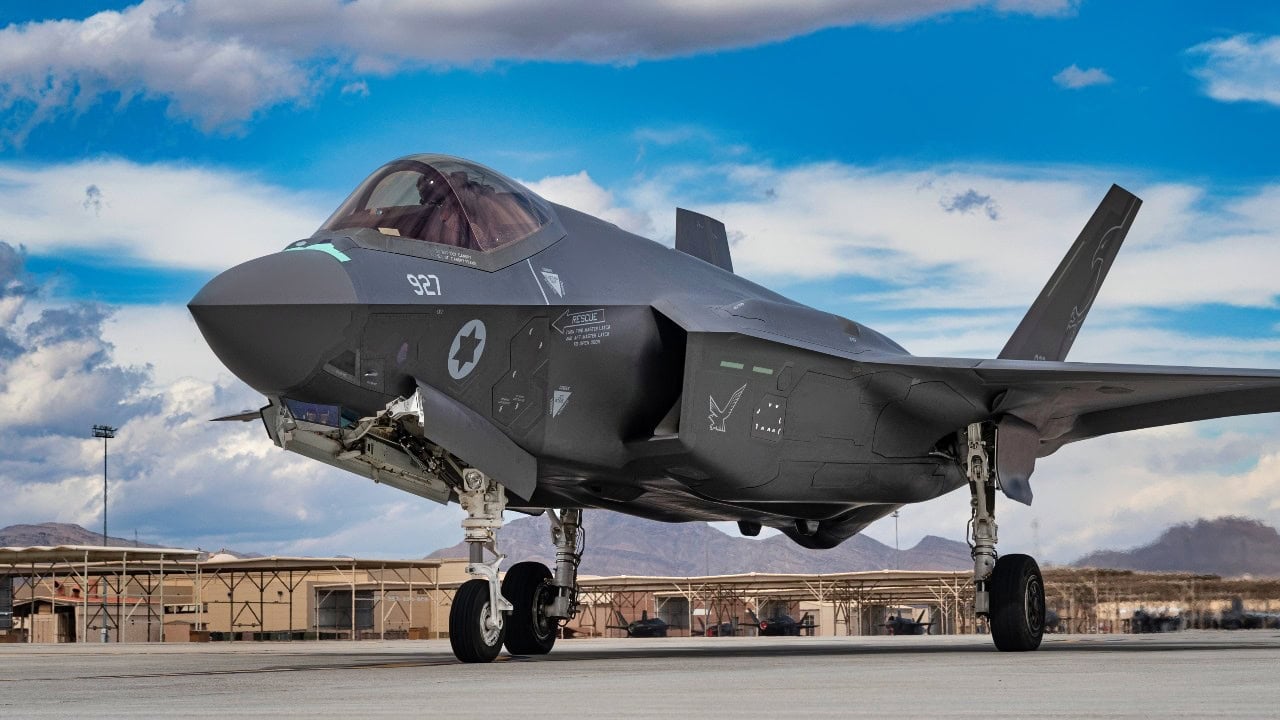
F-35I Adir Fighter from Israel
A Democratic Congress
If the Democratic Party captures Congress this week, this shifting grassroots reality will align with the White House.
Next year, a Democratic legislature responding to an energized, anti-war, and human-rights-focused base will not accept an executive branch that insists on unilateral power.
They will aggressively challenge an administration which has alienated critical partners—from Canada to NATO—and left the United States more isolated on the global stage than at any point since 1945.
The current generously pro-Trump Congress is coming to an end. The economic pain of the Iran war has reminded Americans that foreign policy is not an abstraction; it dictates the price of gas and the stability of the global economy. As the progressive wing of the Democratic Party flexes its electoral muscle over issues like Gaza and executive overreach, the White House will find its foreign policy unilateralism opposed by a hostile, mobilized legislative branch.
The conventional wisdom that foreign policy doesn’t matter in domestic elections doesn’t apply here, and the resulting political fallout will define Washington for the remainder of Trump’s term.
Author: Dr. Robert Kelly, Pusan National University
Dr. Robert E. Kelly is a professor of international relations in the Department of Political Science and Diplomacy at Pusan National University in South Korea. His research interests include security in Northeast Asia, U.S. foreign policy, and international financial institutions. He has written for outlets including Foreign Affairs, the European Journal of International Relations, and The Economist, and has appeared on television news services such as the BBC and CCTV. His personal website/blog is here; his Twitter page is here.