
The 41st Joint Patrol in the Beibu Gulf Between China and Vietnam Launched, PLA Navy Strengthens Low-Risk Cooperation in the Southern Direction
 Li Minghui
41st Joint Patrol in the Gulf of Tonkin Between China and Vietnam Launched, PLA Navy Strengthens Low-Risk Cooperation in the Southern Direction
From November 19 to 20, Chinese and Vietnamese naval vessels will conduct the 41st joint patrol in the Gulf of Tonkin, which includes joint search and rescue, communication, and fleet maneuvering. While this may not seem like a high-intensity exercise, it occurs against the backdrop of escalating South China Sea issues, more frequent maritime law enforcement, and naval activities, thus it is worth observing from the perspective of "controllable cooperation" rather than "military alliance."
Three Technical Signals of a Routine Patrol
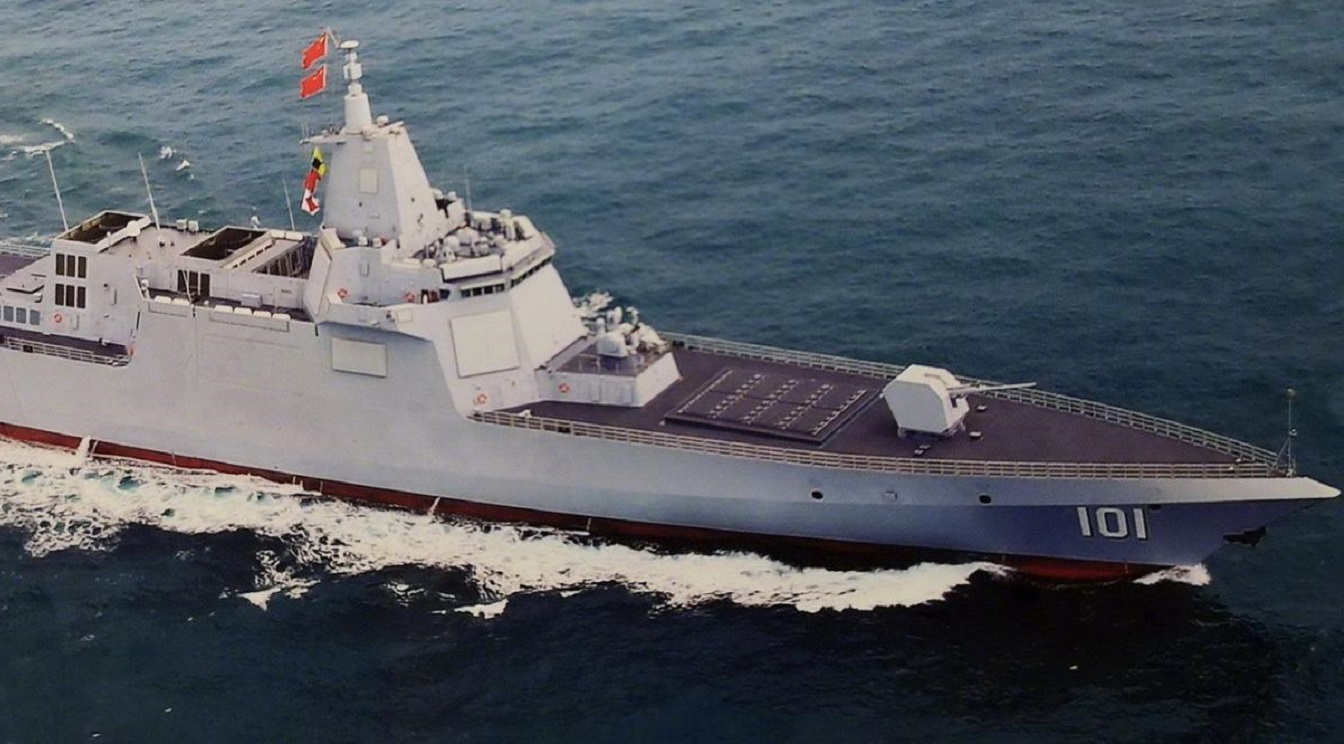
First is the search and rescue subject. Although search and rescue appears humanitarian, it actually requires both sides to establish unified communication procedures, maritime situation reports, and on-site command rules. Second is communication training. The ability of the two naval vessels to maintain stable contact in close maritime areas indicates that both sides at least have a mechanism to reduce misjudgments at the tactical level. Finally, fleet maneuvering imposes more direct requirements for navigation coordination, formation maintenance, and temporary collision avoidance.
The information publicly released by the Chinese Ministry of Defense, related reports from Xinhua News Agency, and statements from the Vietnamese Ministry of Defense regarding bilateral defense cooperation have long defined the joint patrol in the Gulf of Tonkin as an annual or periodic arrangement. The 41st patrol itself does not demonstrate high-end subjects such as long-range strikes, air defense and missile defense, or amphibious operations, and therefore cannot be interpreted as a joint military action targeting a third party.
What the PLA Navy Needs in the Southern Direction
For the PLA Navy, the Gulf of Tonkin is not the best stage to showcase long-range combat capabilities, but it is a low-risk scenario for training daily maritime cooperation. The Southern Theater Navy needs to simultaneously handle maritime traffic, fishing activities, coast guard coordination, and interactions with naval vessels from neighboring countries. What truly consumes the command system is often not a large-scale exercise, but a multitude of low-intensity, long-duration, error-free daily tasks.
This type of patrol has another easily overlooked value: it allows vessels to test communication links, watch teams, and fleet command processes without disclosing sensitive tactical parameters. For the Chinese Navy, the scale of long-range formations is no longer the only issue; how to stably connect new vessels, new communication equipment, and command agencies at different levels is the foundation for sustained deployment. In simple terms, building warships is an industrial issue, while ensuring that warships can operate safely together in a complex political environment is an organizational issue.
The Boundaries of Cooperation Are Also Clear
Vietnam's willingness to maintain joint patrols does not mean it accepts all of China's claims in the South China Sea. Vietnam will still differentiate its maritime rights, fisheries management, and island and reef issues from bilateral military exchanges. Joint search and rescue and communication training can reduce the risk of accidental clashes, but they cannot automatically resolve maritime boundary disputes.
I believe that the most important outcome of the 41st patrol may not be how far the vessels traveled, but whether both sides continue to regard "predictability" as the baseline for maritime relations. The Chinese Navy is expanding its range of long-range activities, but maintaining stable communication in surrounding waters is also part of combat effectiveness. What needs to be observed next is whether the joint patrol can evolve from an annual arrangement into more detailed crisis hotlines, maritime encounter rules, and emergency response mechanisms.
Sources
- Public information from the Chinese Ministry of Defense and related reports from Xinhua News Agency
- Public information from the Vietnamese Ministry of Defense
- Compilation of the 41st patrol from November 19 to 20, 2026, by the HiWars open intelligence database
The Chinese Navy and Vietnamese Navy commenced their 41st joint patrol in the Gulf of Tonkin from November 19-20, focusing on joint search and rescue, communication training, and fleet maneuvering. This exercise is viewed as a low-risk cooperative effort amidst rising tensions in the South China Sea, emphasizing the importance of predictable maritime relations.
- The 41st joint patrol between China and Vietnam will take place in the Gulf of Tonkin on November 19-20.
- Activities include joint search and rescue, communication training, and fleet maneuvering.
- The patrol is characterized as low-risk cooperation rather than a military alliance.
- The joint patrol aims to enhance communication and coordination between the two navies.
- Vietnam distinguishes its maritime rights and issues from military exchanges with China.