
The Cooperation Council Announces a Forward Military Command in Kuwait in 2026 and Tests the Unified Gulf Force
 Ahmed Al-Rashid
The Gulf Cooperation Council Announces an Advanced Military Command Headquarters in Kuwait by 2026 and Tests of the Unified Gulf Force
[Kuwait, November 10, 2026] The defense ministers of the six Gulf Cooperation Council (GCC) countries agreed to establish an advanced headquarters for the unified military command in Kuwait and allocate "appropriate" forces for it. We do not yet know the number of soldiers or the location of the facility or the units that will be deployed there, but the decision itself says something important: after months of missiles and drones targeting the capitals of the Gulf and its facilities, Riyadh, Abu Dhabi, and Doha are no longer satisfied with managing defense individually.
What Was Announced and What Was Not Announced
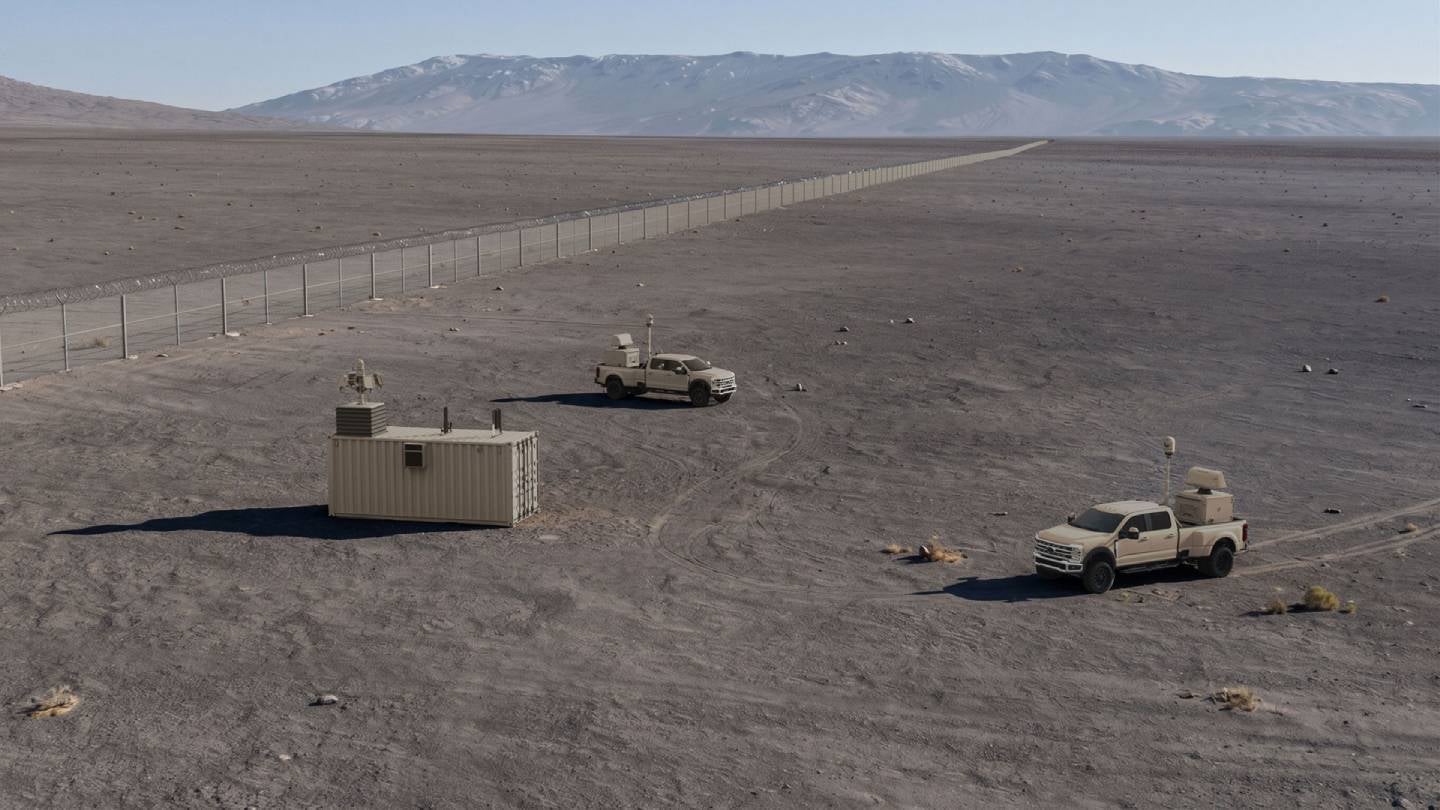
The decision was issued following the twenty-third meeting of the Joint Defense Council, adding a forward node to the unified military command established in 2013, which opened its headquarters in Riyadh in 2021. The difference between the two headquarters is not merely formal. Riyadh is a natural political and military center for the Kingdom, while Kuwait is located at the northern edge of the Gulf, a short distance from Iraq and near energy corridors and facilities that may be targeted by attacks from the north or east.
So far, there are no announced specifications for the command building or its capabilities. Therefore, it is incorrect to speak of a new "Gulf Army." What has been announced is a command and control center, which may evolve into a coordination point for air forces, air defense, naval reconnaissance, and ground forces, but it will not become an effective force simply by raising the GCC flag over the gate.
Specifications That Will Determine Military Value
Practically, the advanced headquarters needs four capabilities before it deserves the name command. First, a secure communications network capable of exchanging data in real-time between national operations centers. Second, a unified aerial picture that integrates national radars, early warning aircraft, and allied information. Third, common rules of engagement that define who has the authority to launch an intercept missile when a target crosses the airspace of more than one country. Fourth, a planning team that operates around the clock and does not merely issue statements after a projectile has fallen.
These requirements may seem technical, but in the Gulf, they are as political as they are military. Patriot and THAAD batteries and other air defense systems do not operate as separate islands if countries do not share tracking paths and identification data. Moreover, powerful radar does not compensate for the absence of a unified decision. A ballistic missile covers the distance in minutes, while ministries often take hours to determine responsibility and an appropriate response.
The picture that emerges in the region is not one of a lack of equipment. Gulf countries have purchased advanced fighters, intercept missiles, drones, long-range radars, and spent tens of billions on protection. The shortfall lies in the training and institutional aspects of the military capability triangle. The Kuwaiti headquarters could address this shortfall if it becomes a center for joint exercises and standardizing procedures, rather than turning into a new administrative layer over existing operations rooms.
Why Kuwait Specifically
The choice of Kuwait carries a message to both Iran and Iraq. Kuwait typically maintains a less confrontational rhetoric towards Tehran, but it learned during the recent war that its location does not grant it immunity. Additionally, its proximity to Iraq makes monitoring drones and missiles or armed groups crossing borders a daily issue. The presence of a permanent Gulf command there reassures member states that defending the north is not solely Kuwait's responsibility.
However, geography imposes a cost. The forward headquarters will be close to threat vectors, thus requiring layered protection, alternative communications, and backup command centers. A single center in an exposed location can become a high-value target. If the command is to manage air operations, it must be capable of functioning after jamming or damage to the communications network; otherwise, it will merely be a fortified meeting room.
The Decision Came After the Failure of the Single Protection Concept
The Houthi attacks on Saudi Arabia since the summer, including the strike on a facility in the financial district of Riyadh on November 8, demonstrated that intercepting a projectile does not mean preventing the political and economic impact of the attack. The strike on King Khalid Airport in October killed 14 people and injured over 300, according to Al Jazeera. On November 4, Saudi Arabia and Syria signed a defense cooperation agreement, followed by reports of Syrian assistance in advising and training, before Damascus denied any plans to send troops to Yemen. These developments reflect Riyadh's search for broader support networks, rather than a single arms deal.
The unified Gulf command could provide these networks with a point of contact. However, it will not stop attacks on its own. Intercepting a missile in Riyadh requires a warning from a radar that may be in another country, possibly needing a fighter or battery in a third country, and then a political decision that does not lag behind military calculations. This is the real test for the headquarters, not the number of offices or ranks present within it.
Is This a Shift Away from the United States?
I do not see the announcement as a break with Washington. The United States still provides a significant portion of reconnaissance, warning, and deterrence, and many Gulf systems were originally designed to operate within an American framework. The more accurate statement is that the member states are trying to reduce their reliance on unilateral American responses. Even Washington benefits from Gulf states exchanging information directly, as it alleviates the burden on American command centers and improves the effectiveness of allied forces.
However, there is a paradox that cannot be hidden. Gulf states want self-deterrence, while spare parts, software, training, and some warning data remain tied to the United States. Therefore, the Kuwaiti headquarters will be an additional layer alongside the American alliance, not a replacement for it. True independence does not begin with purchasing a new platform, but with the ability to operate, maintain, and make decisions about it when the distant ally is preoccupied with another crisis.
The Test in the First Crisis
The success of the command will be measured by three indicators. Can the six countries create a unified aerial picture within minutes? Do they agree in advance on rules of engagement and distribution of munitions and interceptions? Can they continue to operate if communications with an American center are cut off? If the answer is yes, the headquarters will be a practical step towards a more cohesive Gulf defense. If the answer is no, the decision will remain a good political signal but limited in combat value.
A military officer who has served in the region knows that buying weapons is easier than building trust between operations rooms. As the Arabs say, "One hand does not clap," but clapping is not air defense. The structural contradiction here is clear: the Gulf wants to take control of its security, but it has not yet resolved who holds the decision when missiles reach its skies.
Sources
- Al Jazeera, November 10, 2026, Decision to Establish the Advanced Gulf Military Command Headquarters in Kuwait
- Reuters, November 4, 2026, Saudi-Syrian Defense Cooperation Agreement
- Reuters, November 6, 2026, Syrian Assistance in Military Advice and Training
- Reuters, November 8, 2026, Attack that Damaged an Aramco Building in Riyadh
Gulf Cooperation Council ministers announced the establishment of a forward military command center in Kuwait by 2026 to enhance coordination among member states' military forces. This decision follows recent missile and drone attacks on Gulf capitals, indicating a shift towards a unified defense strategy. The command center aims to improve operational capabilities and response times to threats from Iraq and Iran.
- GCC ministers agreed to establish a forward military command center in Kuwait by 2026.
- The command center aims to enhance coordination among Gulf states' military forces.
- The decision follows recent missile and drone attacks on Gulf capitals.
- Kuwait's location is strategic for monitoring threats from Iraq and Iran.
- The command center will require secure communication networks and joint operational protocols.