
The European Aspides Operation Targets More Than 10 Ships in the Red Sea and Protecting Bab el-Mandeb Tests Western Deterrence Strength
 Ahmed Al-Rashid
The European Aspides Operation Targets More Than 10 Ships in the Red Sea, and the Protection of Bab al-Mandeb Tests Western Deterrence
On September 28, 2026, EU foreign policy chief Kaia Kalas urged European countries to increase naval and air support for the Aspides operation in the Red Sea, with discussions about raising the force from the usual three or six ships to more than ten. The request came after a rise in Houthi attacks and their advance towards areas near Bab al-Mandeb, following the need for an Italian frigate to escort a commercial vessel off Yemen. The number is significant, but its military implication is more important than its size: Europe is trying to protect a vital trade artery with a force that is still too small to monitor all routes, escort ships, and deal with missiles and drones simultaneously.
The Maritime Corridor That Has Returned to the Heart of Calculations
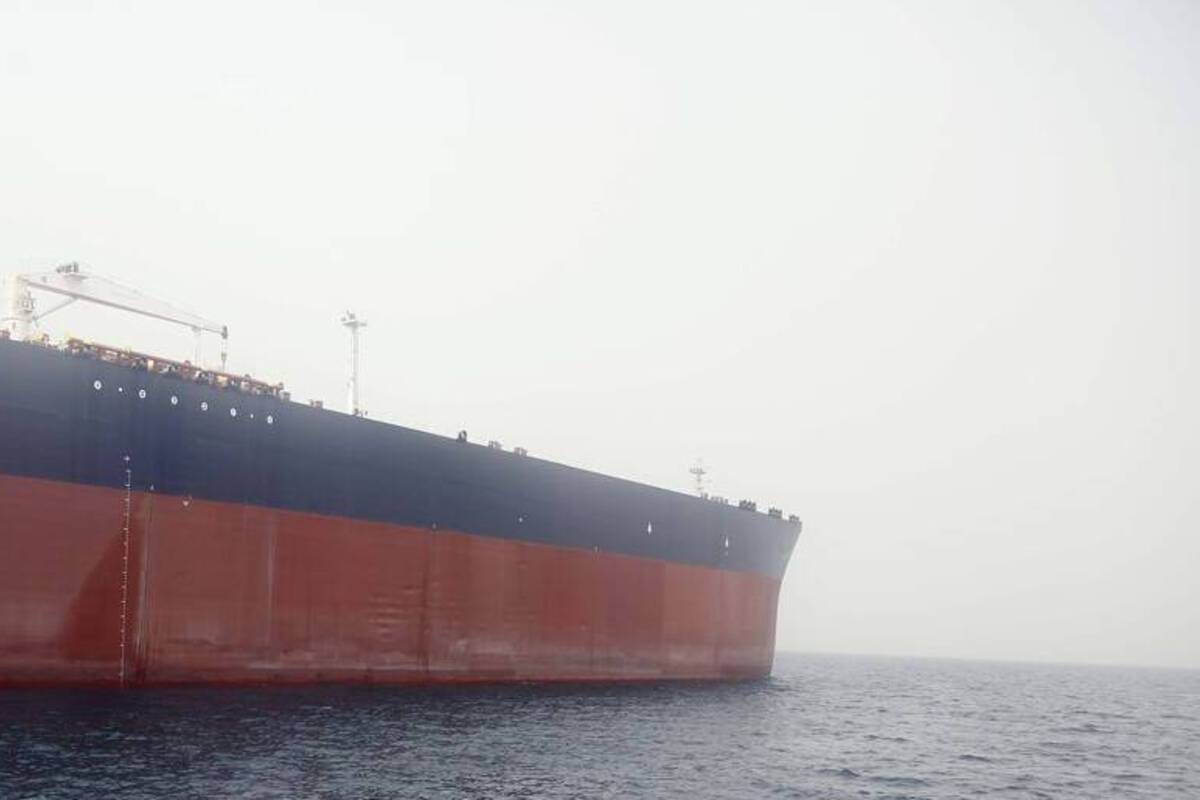
The Aspides operation, which began in 2024, was primarily designed to protect freedom of navigation in the corridor linking the Indian Ocean to the Suez Canal. However, the operational environment has changed. The Houthis do not need to completely close the strait to achieve a military and political effect; it is enough for them to make the passage of a tanker or container ship a high-risk decision, forcing companies to reroute around the Cape of Good Hope. More than fifty large vessels appeared in the area on September 28 according to tracking data reported by news outlets, while the European mission has only a limited number of units capable of continuous operations.
European coverage reported by the Jerusalem Post indicates that Italy requested reinforcements for the mission after its frigate intervened to escort a commercial vessel, at a time when only two European ships were available for escort missions, compared to six ships that are supposed to form the operational minimum for the mission. Therefore, talking about more than ten ships does not necessarily mean ten ready combat groups. Some units will be in maintenance, some will perform air defense, some will protect national vessels, and some will need reconnaissance aircraft, tankers, and support bases.
The Problem Is Not Just the Number of Ships
From a military perspective, Aspides has three rings that must work together. The first ring is sensing, which includes drones, patrol aircraft, coastal radars, and maritime intelligence. The second ring is protection, meaning air defense systems and the ability to intercept a missile or drone before it reaches a civilian ship. The third ring is continuity, which includes munitions, spare parts, fuel, and crew rotations. If one of these rings is absent, the warship turns into a platform for political presence rather than a protective tool.
Here lies the gap between announcement and capability. The modern European ship can intercept aerial threats, but it cannot be everywhere, and it cannot launch an expensive missile at every low-cost drone without considering munitions stock. Additionally, escorting a convoy does not eliminate the risk of attack from the coast or the danger of mines or a combined attack involving a missile, drone, and fast boat. The Houthis do not need to possess a conventional fleet; it is enough for them to disrupt the shipping schedule and raise the cost of insurance.
Who Protects the Sea When Agendas Multiply
Greece is taking the operational lead, while Italy and Greece are involved in managing maritime activity, and French and Dutch units are present in the area to protect their commercial vessels. However, this arrangement reveals an old political problem in Europe: everyone agrees that Bab al-Mandeb is a common interest, while each party wants to make the other pay for the protection. Rome has previously demanded military or financial contributions from countries that benefit from the security of the corridor but do not send ships to it.
For Gulf countries, Aspides should not be seen as a substitute for building regional capability. Saudi Arabia, the UAE, and Egypt have a direct interest in the continuation of navigation, but maritime security does not succeed merely by purchasing an air defense missile or signing a protection agreement. True capability requires a joint command and control network, a unified maritime picture, training on port protection, and plans for the continuity of trade in case one of the straits comes under pressure. This is the triad of capability that many purchases in the region ignore: weaponry, training, and institution. Europe itself is now discovering that possessing advanced ships does not equate to having a permanent presence.
The Message to the Houthis and to Washington
Reinforcing Aspides may deter some attacks and give shipping companies temporary confidence, but it will not address the roots of the Yemeni conflict. The Houthis will interpret the European deployment as an acknowledgment that maritime pressure hurts Europe, and they may test the rules of engagement with small operations that are difficult to respond to politically. In turn, Washington will read the move as a signal that European allies are willing to bear part of the burden, not as a substitute for American long-range power.
The paradox is that Europe wants to protect trade without engaging in a wide war, while the Houthis want to keep the threat below the threshold of total war while maintaining its economic impact. Therefore, increasing the number of ships from six to more than ten may improve the tactical calculation, but it does not change the equation alone. As military personnel say, guarding does not succeed merely because the guard is present, but because the adversary believes that the cost of testing them is higher than the benefit.
In my estimation, Bab al-Mandeb will remain a test of Europe’s ability to translate political solidarity into a sustainable military structure. If the ships are not accompanied by aircraft, reconnaissance, munitions, funding, and a clear division of responsibility, Aspides will remain a shield with a big name and limited size. The undeniable contradiction is that Europe wants security independence in the Red Sea, but still relies on the American umbrella to make this independence credible.
Sources
- Jerusalem Post, report on September 28, 2026, regarding Kaia Kalas's call to reinforce the Aspides operation.
- The National coverage of the rise in Houthi attacks and the threat posed by missiles supplied by Iran to aviation and civil navigation.
- Reuters report on September 24, 2026, regarding Saudi Arabia intercepting six Houthi ballistic missiles.
European Union naval forces are increasing their presence in the Red Sea to over 10 ships as part of Operation Aspidis, responding to escalating Houthi attacks. This decision, made on September 28, 2026, follows Italy's request for reinforcements after its frigate escorted a commercial vessel. The operation aims to secure vital trade routes, but logistical challenges remain in maintaining effective naval operations against Houthi threats.
- European Operation Aspidis is increasing naval presence in the Red Sea to over 10 ships.
- The operation aims to protect vital trade routes amid rising Houthi attacks.
- Italy requested reinforcement after an Italian frigate escorted a commercial vessel.
- Over 50 large ships were reported in the area on September 28, 2026.
- The operation faces challenges in maintaining continuous operational capability.