
The Limits of Deterrence Revealed by North Korea's Unchanged Hostile Policy Statement on Freedom Edge 26
 Tanaka Takashi
The Limits of Deterrence Revealed by North Korea's Unchanged Hostile Policy Statement on Freedom Edge 26
"There is no change in the hostile policy." This statement from a North Korean Foreign Ministry spokesperson reported by KCNA on August 31 clearly indicates that Pyongyang's perception did not shift even with the U.S.-South Korea shortening of the Ulchi Freedom Shield. Rather, North Korea views the very connection between Japan, the U.S., and South Korea as a threat, not the scale of the exercises themselves.
Threat Perception That Persists Despite Shortened Exercises
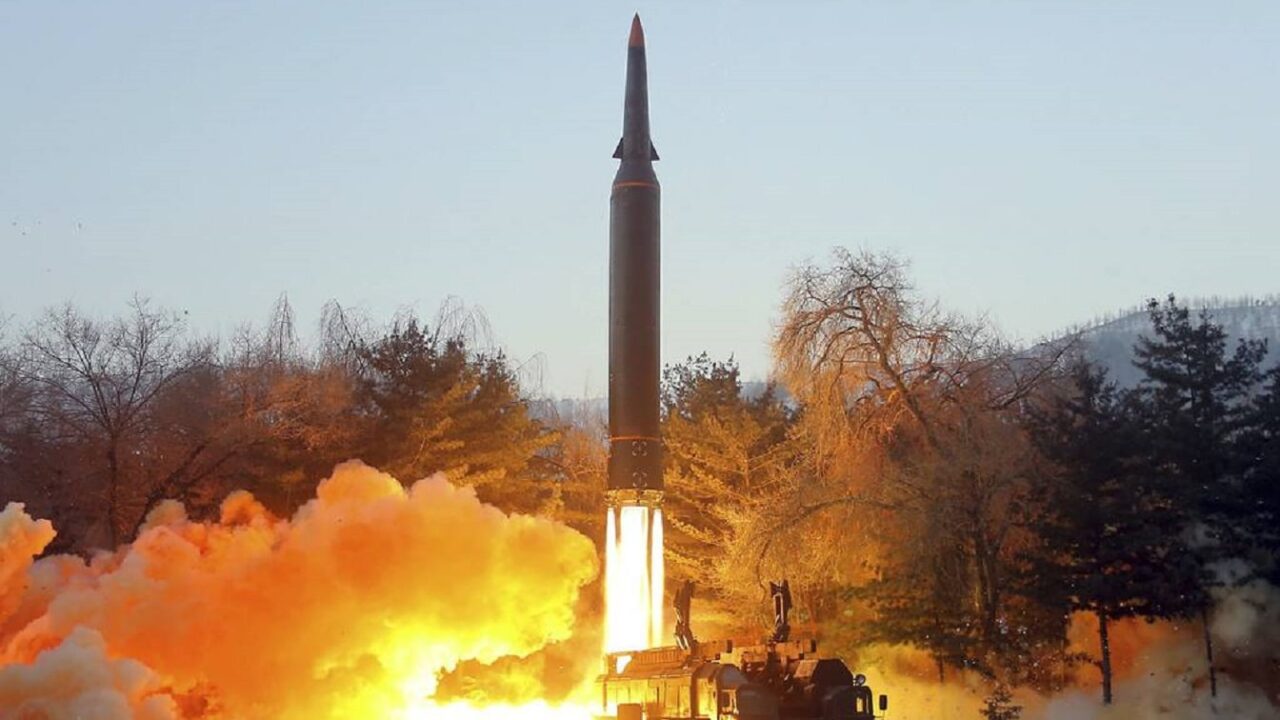
The Trump administration significantly reduced U.S.-South Korea joint exercises, projecting "goodwill" in both cost and signaling to North Korea. However, according to Reuters, North Korea has categorized demands for denuclearization, human rights criticisms, and the joint exercise plans of Japan, South Korea, and the U.S. as evidence of its "hostile policy." What is important here is that Pyongyang is looking at the continuity of U.S. alliance operations rather than individual exercise schedules. The reduction is merely a tactical adjustment, and as long as the framework of deterrence remains, it does not appear to North Korea as a policy shift.
The True Meaning of Freedom Edge 26
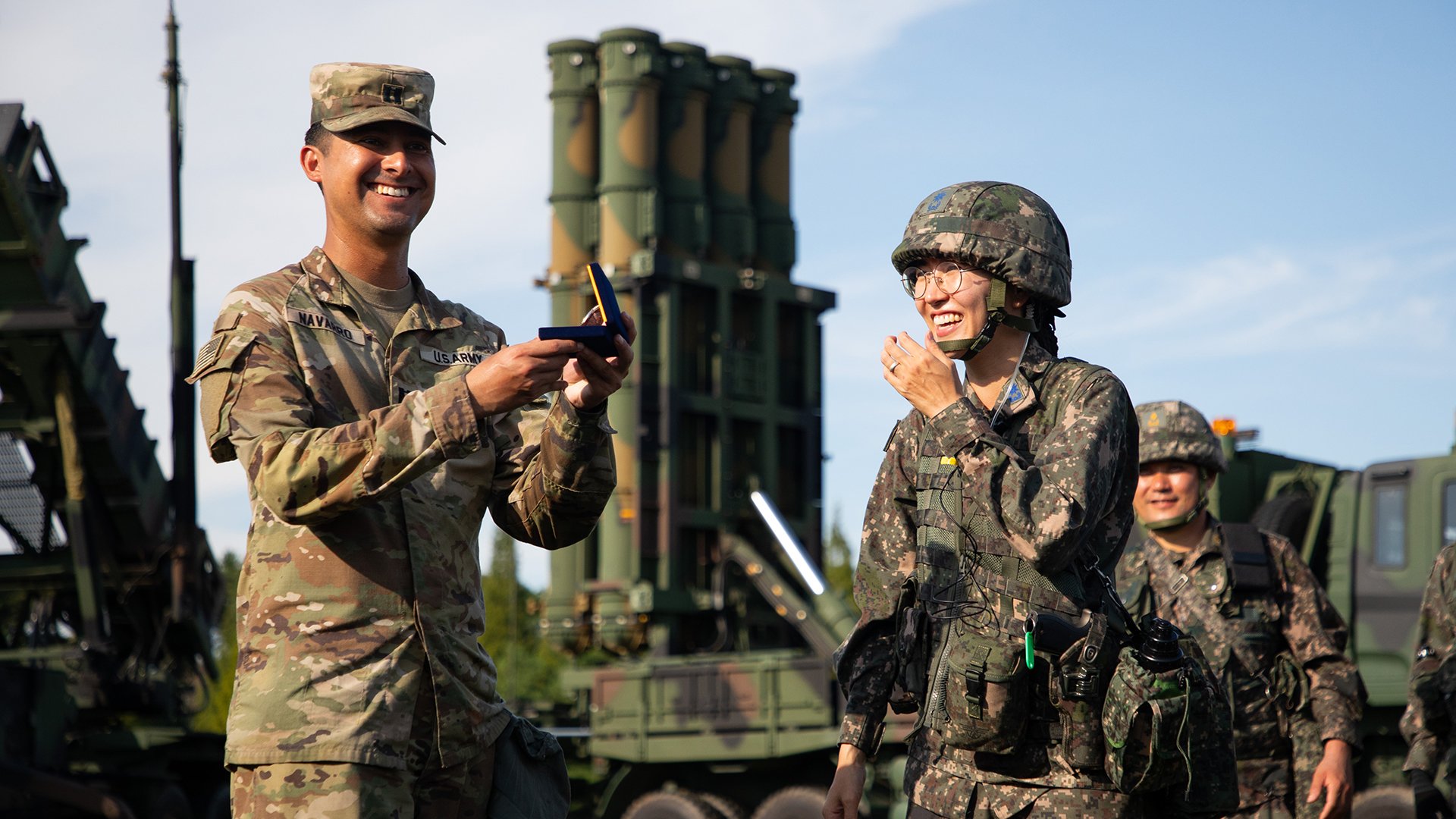
- The exercise period is from September 7 to 11.
- The maritime area is said to be the high seas east and south of Jeju Island.
- The focus is on ballistic missile defense, anti-submarine warfare, surveillance, real-time information sharing, air defense, maritime interdiction, and medical evacuation.
According to reports from the AP and the U.S. military in Japan, this exercise is the fourth since the start in 2024 and is positioned as the most advanced trilateral cooperation to date. From the perspective of the Japan Maritime Self-Defense Force, this is not merely a show of force. It is training to align the common situational picture, which is often lacking in the initial response in Japan's nearby waters, among the three countries from peacetime. Considering North Korea's submarine-launched ballistic missiles and cruise missiles, sharing signs before launch is more valuable than after.
Implications for Japan
However, there is a paradox here. The current structure of advancing trilateral training while shortening exercises may seem like a compromise that leaves room for dialogue while strengthening practical connections, but it is likely to provoke the most distrust in Pyongyang. North Korea may interpret this as "pressure continues, but U.S. political will is wavering." What Japan needs is not to compete over the number of exercises but to ensure that the information connections among the Japan Maritime Self-Defense Force, Air Self-Defense Force, U.S. forces in Japan, and South Korean military are not severed for political convenience. The true risk lies not in a lack of deterrence but in the adversary perceiving that the operation of deterrence is selective.
North Korea's foreign ministry declared no change in its hostile policy towards the U.S. and South Korea, perceiving the upcoming Freedom Edge 26 military exercise from September 7 to 11, 2024, as a threat. The exercise will focus on ballistic missile defense and anti-submarine warfare in the waters off Jeju Island. North Korea interprets the continuity of U.S.-South Korea military operations as evidence of ongoing pressure, despite the reduction in exercise scale.
- North Korea's foreign ministry stated there is no change in its hostile policy.
- The Freedom Edge 26 exercise is scheduled from September 7 to 11, 2024.
- The exercise focuses on ballistic missile defense and anti-submarine warfare.
- North Korea views the continuity of U.S.-South Korea military operations as a threat.
- The current military training is seen as a compromise that increases operational connectivity.