
The PLA's 11 Ships Patrol Taiwan with Only 2 Military Aircraft Deployed: A New Normal in the Taiwan Strait Gray Zone of the J-20 Era
 Li Minghui
11 PLA Ships Patrol Taiwan, Only 2 Military Aircraft Deployed: The New Normal of the Taiwan Strait in the J-20 Era
In the publicly available data from September 25, a contrast that is easily overlooked is that the Taiwan defense department detected only 2 PLA military aircraft from 6:00 on the 24th to 6:00 on the 25th, but recorded 6 PLA Navy vessels and 5 civilian ships active. The Taiwan side stated that one aircraft entered the eastern Taiwan air defense identification zone, prompting the deployment of fighter jets, warships, and shore-based missile systems for monitoring. The numbers are not large, but they illustrate more about the nature of the pressure in the Taiwan Strait than a peak formation of military aircraft.
What Do 11 Ships and 2 Military Aircraft Mean?
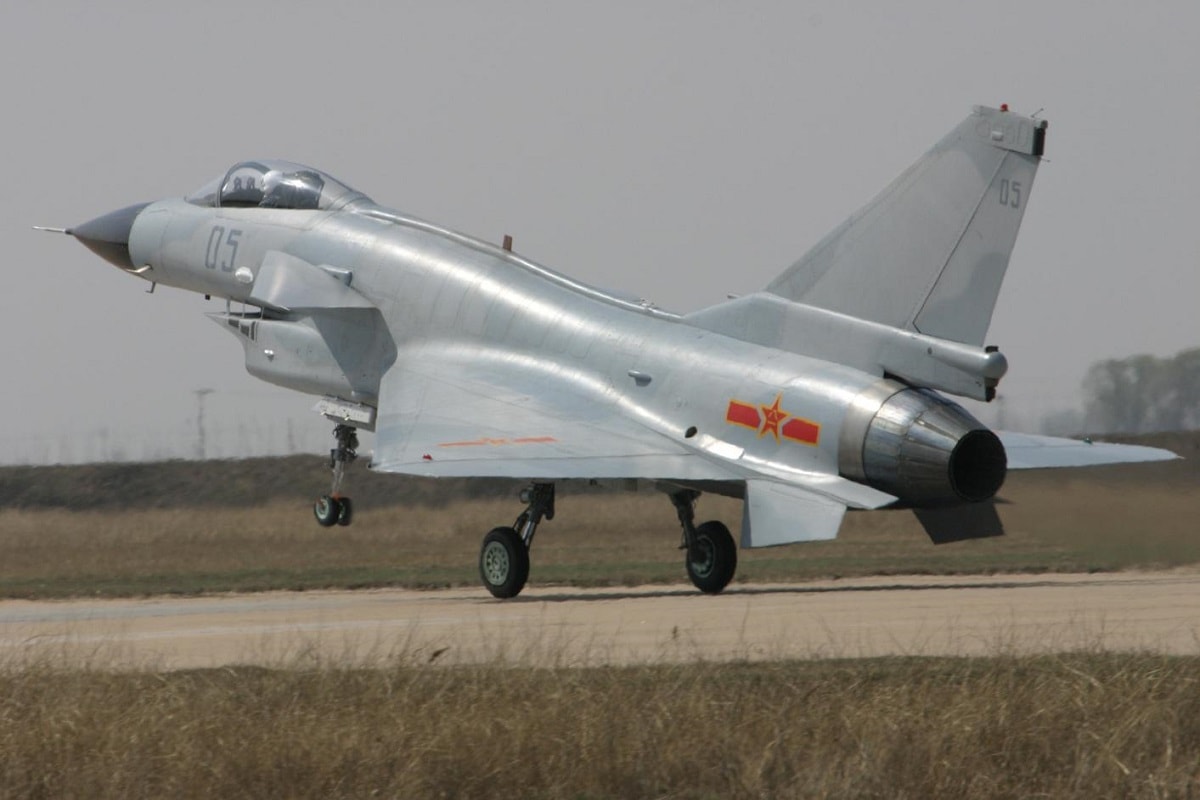
First, we need to break down the statistical criteria. 11 ships do not equal 11 combat vessels; the public report clearly states 6 naval vessels and 5 civilian ships, with the types, formations, and missions not disclosed; “2 sorties” does not mean only two aircraft, but rather refers to the identified flight activities within a 24-hour window. PLA Tracker, based on the continuous data released by the Taiwan defense department, assigned a low activity index of 24 points for September 25: 2 military aircraft sorties, 0 crossings of the Taiwan Strait median line, and 11 ships, which is below the 7-day average.
From the perspective of equipment utilization, the continuous presence of naval vessels and civilian ships has two advantages. Vessels can maintain their routes, radar, and communication activities for extended periods, while civilian ships can overlay law enforcement or rights protection narratives with military presence. They do not rely on high-value flight sorties like the J-20, nor do they need to create visual impact with large-scale formations every time. In simple terms, it is about maintaining surveillance and response pressure on Taiwan at a lower daily cost.
This Is Not a Relaxation of PLA Activities in the Taiwan Strait
The monthly cumulative figures released by Taiwan show that as of September 25, there have been 210 recorded activities of Chinese military aircraft and 258 activities of ships. The single-day low point and the monthly high do not contradict each other; rather, they indicate that the PLA may be dividing its activities into different levels: increasing military aircraft and cross-median line actions when political signals are needed, while relying on maritime platforms and civilian ships to maintain presence during normal times.
This model challenges Taiwan not in terms of the parameters of a single ship, but in the consumption of the duty system. Taiwan must simultaneously prepare for air interception, maritime monitoring, and shore-based missile readiness, making the defensive response chain more expensive than the vessels entering and exiting the maritime area. The deterrence of advanced aircraft like the J-20 remains important, but the pressure in the Taiwan Strait cannot be simplified to “how many stealth fighters are there today.” The truly useful capability is to connect reconnaissance, command, maritime patrol, and rapid reinforcement when necessary into a low-cost chain.
Key Information Still Lacking
What needs to be restrained is that the public data does not specify the exact types of the 6 warships, nor does it provide information on their formation positions, speeds, or whether they are conducting training. Therefore, one cannot infer from the 11 ships that this is a blockade exercise, nor can the 2 military aircraft be directly interpreted as a decline in air power. My judgment is that the current situation resembles a “low air, high sea” gray zone normalization test: observing how Taiwan allocates sensor, aircraft, and vessel duty resources each day.
What is truly worth tracking is not the numbers of a single day, but whether this combination is sustained, and whether the 055-class destroyers, 054A-class frigates, or large supply ships repeatedly appear among the naval vessels. If future public reports continue to show low military aircraft activity and stable maritime platform presence, the focus of competition in the Taiwan Strait will shift from showcasing peak performance to comparing who can maintain normalized deployments longer.
Sources
- Taiwan News, September 25, 2026, Taiwan tracks 11 Chinese ships, 2 military aircraft.
- Report from Taiwan defense department, reprinted by GlobalSecurity.org, September 25, 2026.
- PLA Tracker, September 25, 2026 Taiwan Strait activity statistics and monthly data.
The People's Liberation Army (PLA) maintained a presence near Taiwan with 11 ships and 2 military aircraft from September 24 to 25, 2026. Taiwan's defense department recorded 210 military aircraft activities and 258 naval activities for the month. The PLA's strategy appears to focus on low-cost, persistent monitoring rather than high-profile military displays.
- 11 Chinese ships were tracked near Taiwan, including 6 naval vessels and 5 civilian ships.
- Only 2 military aircraft were identified during the same period.
- Taiwan's defense department reported a total of 210 military aircraft activities and 258 naval activities in September.
- The PLA is maintaining a low-cost presence in the Taiwan Strait without large-scale military displays.
- The report suggests a shift in PLA strategy to a more persistent, low-profile military presence.