
The PLA's 2026 Multi-Service Training Video Releases New Signals: Shifting from Single-Service Display to Systematic Coordination
 Li Minghui
The PLA's 2026 Multi-Service Training Video Sends New Signals: From Single-Service Display to Systematic Coordination
On October 12, the Global Times released a mixed-cut video of the PLA's multi-service training exercises. The video did not disclose the exercise code, participating forces, or a complete timeline, so it cannot be inferred that a fixed combat formation has been established in any particular direction. However, placing the land, sea, air, and unmanned systems within the same narrative framework is itself a signal worth analyzing: the focus of the PLA's external display is shifting from "what equipment is available" to "can the equipment be integrated into the same combat network."
More Important than the Visuals is the Coordination Chain
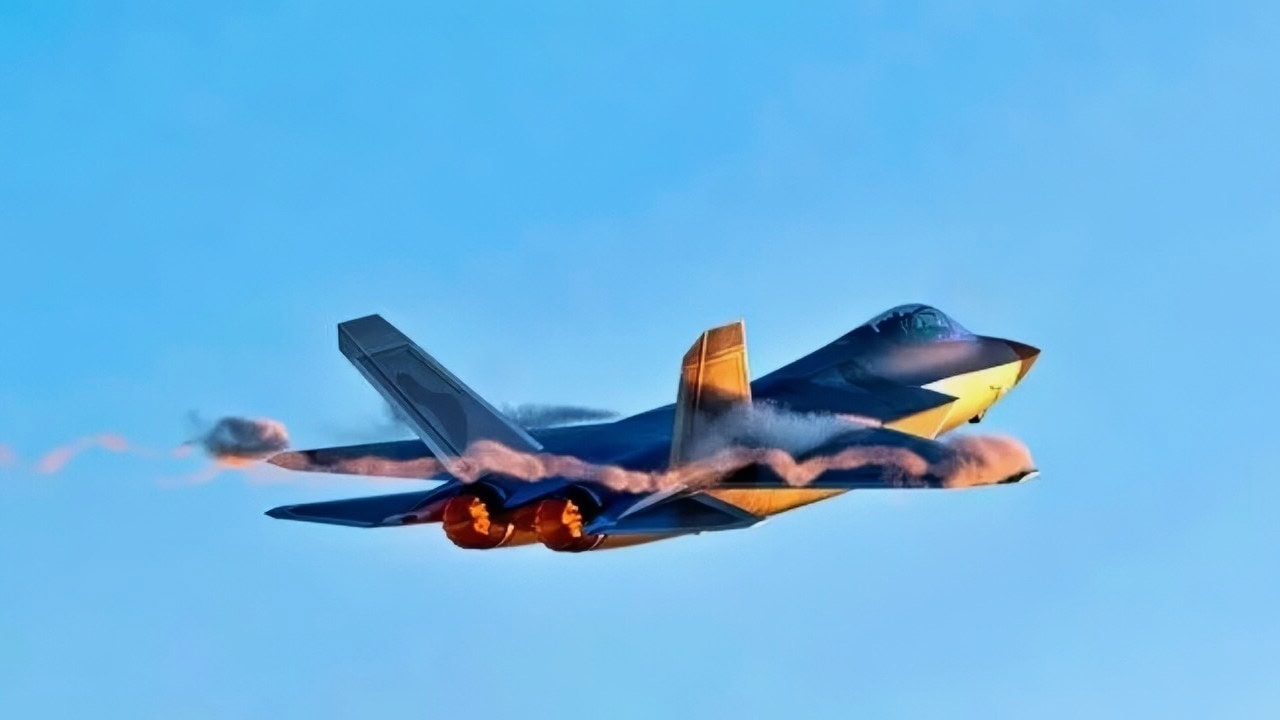
Past reports on joint training released by the Chinese military network have repeatedly emphasized command links, target allocation, and cross-service support. When viewed alongside this video, the training objectives include at least three layers. The first layer is sensor sharing, providing target information from early warning aircraft, drones, and ground nodes; the second layer is firepower coordination, allowing weapons of different ranges and speeds to attack in succession; the third layer is support coordination, including the continuous operation of airports, vessels, munitions, and data links. The real challenge is not capturing several types of equipment in the same shot, but ensuring they maintain a common situational picture in a highly contested environment.
The J-35A is Just One Node in the System
If the J-35A or similar stealth aircraft appears in the footage, its value should not be simply understood as the addition of another advanced aircraft. The most important task of stealth platforms may be forward reconnaissance, suppressing key nodes, and providing target indications for subsequent forces. It requires support from early warning aircraft, electronic warfare planes, tankers, and ground logistics. The U.S. Department of Defense has consistently highlighted the PLA's joint firepower and information capabilities as key observation points in its annual "China Military Power Report"; reports from U.S. Defense News on Chinese aircraft carriers and carrier-based aviation also indicate that external attention has shifted from individual ship performance to sustained operational rates.
Shortcomings Still Lie in the Invisible Areas
The author believes that this video is more of a capability narrative rather than a complete proof of combat capability. The publicly available footage cannot answer three critical questions: Can the cross-service data link operate stably in high-intensity electronic warfare? Can command nodes be quickly replaced after combat losses? Are the engine, spare parts, and munitions stocks sufficient for high-frequency operations? The PLA has rapidly updated its equipment in recent years, but the bottlenecks in systematic operations often lie not in the main battle equipment captured on camera, but in maintenance, communication, and personnel rotation.
Therefore, the next step should not be to observe how many "mixed-cut videos" the PLA will release, but whether similar coordination appears in publicly conducted exercise subjects, nighttime training, and long-range cross-regional deployments. Only when these capabilities can be repeatedly validated can the systematic coordination in the video be considered a true transformation from promotional imagery to battlefield capability.
The People's Liberation Army (PLA) released a video on October 12, 2026, highlighting joint training exercises among its land, sea, air, and unmanned systems. The emphasis is on system integration and operational coordination rather than just showcasing individual equipment. Key training objectives include sensor sharing, firepower coordination, and logistical support, indicating a shift in military capabilities.
- The PLA released a video showcasing joint training exercises among different military branches.
- The focus has shifted from individual equipment to system integration and joint operations.
- Key training objectives include sensor sharing, firepower coordination, and logistical support.