
The Regularization of the Chinese Navy's Deployment Around the Southwestern Islands Poses New Burdens on the Japan-U.S. Alliance in 2026
 Tanaka Takashi
China's Naval Deployment Around the Southwestern Islands Becomes Routine, Adding New Burdens to the Japan-U.S. Alliance by 2026
On November 16, Defense News reported that the Chinese Navy is normalizing its activities around Japan's southwestern islands. In early November, over 100 Chinese military-related vessels, including coast guard ships, were confirmed around Taiwan, with ongoing activities combining aircraft carrier strike groups, drones, and live-fire training. This is not a one-off show of force but a routine operation to "exist" in the waters of the first island chain.
Accumulating Operational Experience in the Miyako Strait
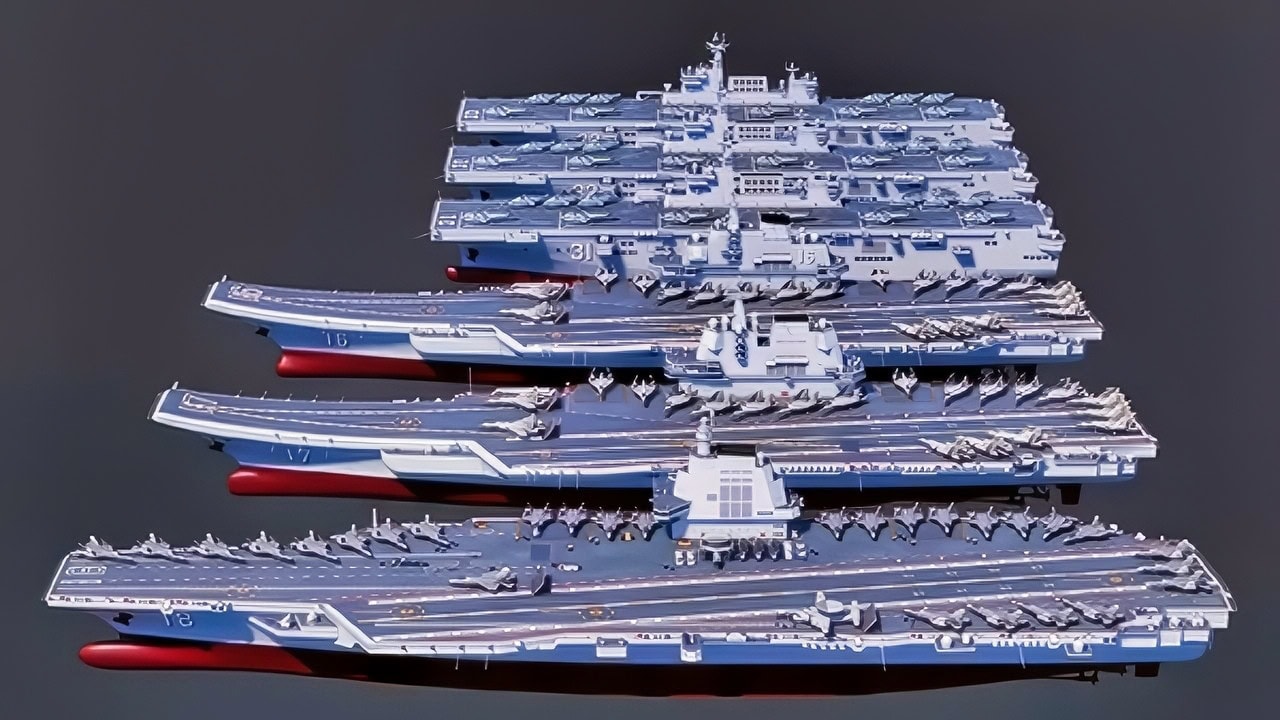
According to Defense News, Chinese and Russian aircraft flew around Japan five times in October 2026 alone, with joint patrols in the Sea of Japan in June and joint navigation near the Miyako Strait in July also confirmed. In the defense of the southwestern islands, what is crucial is not the number of vessels but the time and fuel consumed by destroyers, patrol aircraft, and fighter jets to continuously track the opponent's actions. If the Japan Maritime Self-Defense Force continues its surveillance, it will reduce the resources available for training, maintenance, and crew education.
- China is expanding its accepted operational range through repeated navigation while citing the right to freedom of navigation under international law.
- Japan must simultaneously monitor the Senkaku Islands, the Miyako Strait, and the eastern waters of Taiwan.
- In joint responses with the U.S. military, the speed of information sharing and task allocation will affect the effectiveness of deterrence.
Separating Capability from Intent
It is prudent to be cautious in immediately concluding that China's intentions are solely preparations for a Taiwan contingency. However, in terms of capability, the long-range operations of aircraft carrier groups, the combination with coast guard ships, and information gathering by drones are blurring the lines between peacetime and wartime. The U.S.-China Economic and Security Review Commission also pointed out on November 18 that China is applying pressure on Japan by combining diplomatic, economic, and gray zone tactics. Maritime pressure and political pressure are not separate.
The real issue is not how far Chinese vessels have advanced once, but that appearing in the same waters repeatedly begins to be regarded as "normal."
The Endurance Needed for the Japan-U.S. Alliance
The Japanese government is reportedly considering a defense budget of 70 to 80 trillion yen over five years starting in April 2027. However, merely increasing vessels and missiles will not suffice to respond to normalized pressure. The immediate sharing of data from the Japan Maritime Self-Defense Force's patrol aircraft, destroyers, satellites, and drones with the U.S. military, along with maintaining rear support for rotational operations in the southwestern region, is fundamental. In my view, the weakness of the Japan-U.S. alliance lies not in a lack of equipment but in the political and human endurance to sustain peacetime surveillance missions for many years.
References: Defense News (November 16, 2026), Jiji Press (November 18, 2026), AEI/ISW (November 11, 2026)
Chinese Navy operations around Japan's southwestern islands have become routine, with over 100 military-related vessels, including coast guard ships, confirmed near Taiwan in early November. The Chinese Navy continues to conduct activities involving aircraft carrier strike groups and drones. Japan is under pressure to monitor multiple strategic locations, including the Senkaku Islands and Miyako Strait, while considering a substantial increase in defense spending to address these challenges.
- Chinese Navy's operations around Japan's southwestern islands are becoming routine.
- Over 100 Chinese military-related vessels were confirmed near Taiwan in early November.
- Chinese and Russian aircraft conducted multiple flights around Japan in October 2026.
- Japan must monitor the Senkaku Islands, Miyako Strait, and eastern Taiwan simultaneously.
- Japan is considering a significant increase in defense spending to counteract these pressures.