
The Russian Army Attracts 283 Indonesians — The Personnel Crisis of the War in Ukraine in 2026
 Dmitri Volkov
The Russian Army Recruits 283 Indonesians — The Personnel Crisis of the War in Ukraine in 2026
A figure that speaks louder than official reports
Two hundred eighty-three citizens of Indonesia were recruited to participate in the war on the side of Russia in the first nine months of 2026, whereas in the previous three years, the number was at most ten people. This statement from the Ukrainian project "I Want to Live," cited by The Guardian on November 11, cannot yet be considered fully independent statistics. But even with this caveat, the dynamics are too sharp to dismiss as isolated cases of fraud. This is yet another sign that the Russian recruitment system has shifted from an expensive voluntary enlistment to a transnational search for vulnerable labor.
The publication was prompted by the first confirmed Indonesian prisoner of war by Ukraine. According to the Ukrainian side, a 49-year-old man from Java came to Russia for work, ended up in an assault group in the Zaporizhzhia region, and after a drone attack, approached Ukrainian positions. His story is important not as an exceptional episode but as a description of the mechanism. Recruiters only need to promise work in logistics, border security, or the construction of defensive structures; the military contract appears only after the candidate's arrival.
How the New Recruitment Model Works
The Indonesian police stated that they uncovered a network that used social media and messengers to find citizens. The Indonesian Ministry of Foreign Affairs demanded from Moscow in early November to take measures to prevent Indonesians from being recruited into the Russian army or for positions related to military structures. Jakarta specifically pointed out signs of human trafficking. This wording has legal implications: it shifts the issue from the realm of voluntary participation of foreigners to that of organized deception, where Russian intermediaries gain access to people who have neither military training nor a clear understanding of the contract terms.
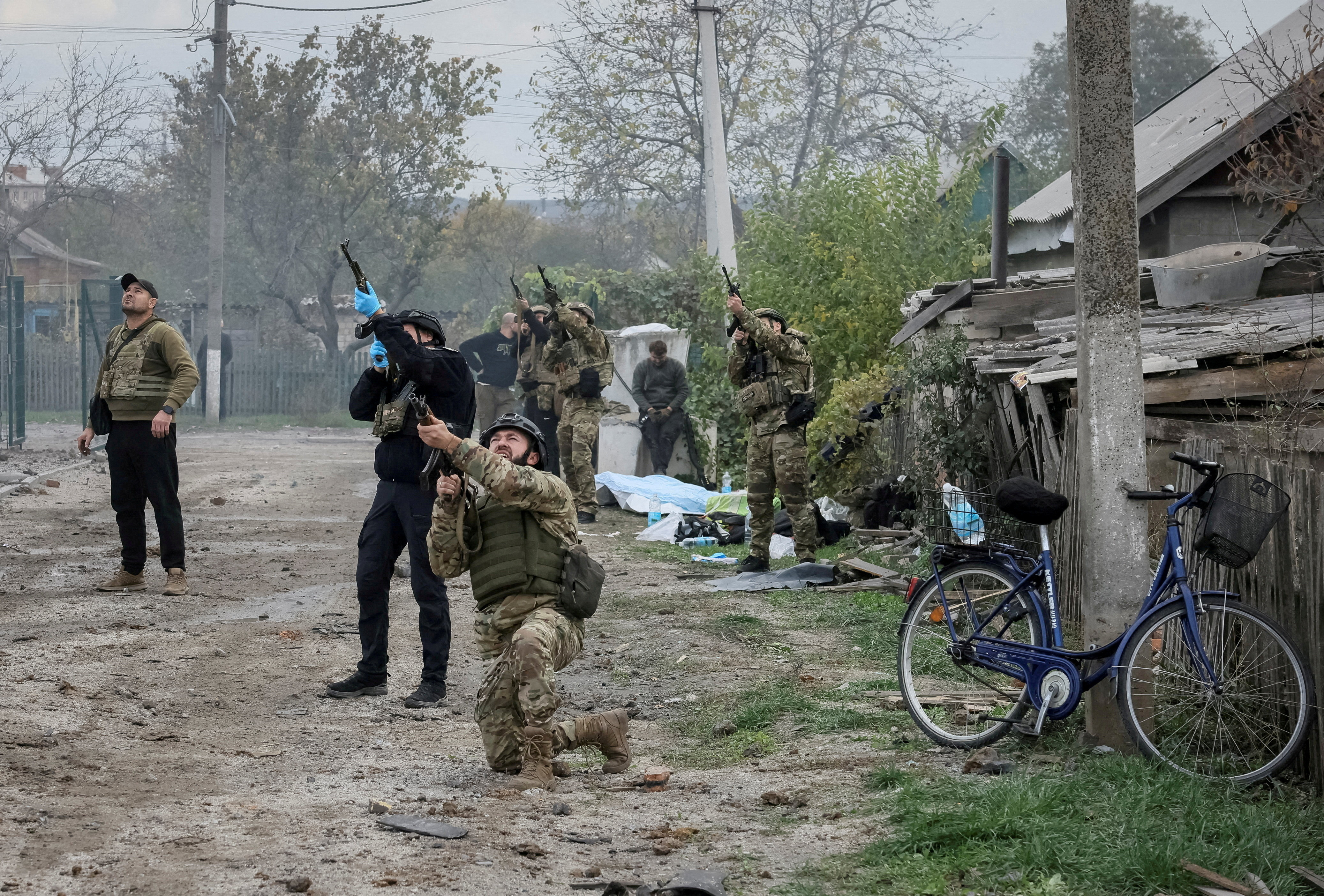
From a military standpoint, foreigners do not replace the Russian mobilization system but allow its costs to be temporarily concealed. Such fighters can be sent to infantry and assault units after brief training. At the front, their lives are determined not so much by their level of proficiency in the Russian language but by the density of fire and reconnaissance means. The Russian-Ukrainian front has become an environment where small FPV drones constantly adjust artillery and hit individual soldiers; an untrained recruit becomes expendable even before they manage to master general military tactics. The story of the prisoner from the Zaporizhzhia region is operationally significant for this reason: it shows how personnel shortages are combined with the practice of assaults by small groups.
The key question is why Moscow is taking such a risk at all. After 2022, Russia increased payments for contracts, raising the cost of attracting each new fighter. However, regional budgets are limited, and public mobilization remains politically dangerous. Foreign recruits allow the Kremlin to maintain the appearance of internal stability while continuing offensive actions. For the military department, this is financially convenient: expenses for intermediaries and promised payments can be hidden within the contract system, and losses do not immediately become part of the Russian public discourse.
Historical Parallel and Limits of the Scheme
In the late USSR, Moscow used military advisors, allied armies, and international contingents primarily as tools of foreign policy. The current scheme looks different. Foreigners are not equal partners in a military-political coalition; they are recruited as individual mercenaries, often from countries with lower income levels. This resembles not the Soviet system of allied assistance but the practices of late colonial wars, where the center shifts the human cost of conflict onto the periphery.
The Russian side will likely insist that all who signed contracts did so voluntarily. Formally, this may be true for some cases. But the voluntariness obtained after announcing a construction vacancy and subsequent pressure to sign a military document is a legally and morally different category. This is why Indonesia's reaction matters: a state that traditionally maintains labor and economic ties with Russia is publicly describing the problem for the first time as a threat of human trafficking. If investigations confirm the involvement of recruitment networks, Moscow will face not just diplomatic irritation but a loss of trust in Southeast Asia.
What This Means for the War
In the short term, the influx of Indonesians and other foreigners will not change the balance of power. A few hundred people do not create a new division and do not compensate for the losses of trained specialists. But this flow shows that the Russian command continues to rely on quantitative pressure. Instead of revising assault tactics or limiting political goals, the system seeks new sources of personnel. In conditions of constant drone surveillance, this is particularly dangerous: infantry becomes the most scarce and rapidly expendable resource.
The geopolitical effect may be stronger than the military one. Indonesia is not a state that Moscow can recklessly categorize as an opponent. Jakarta has its own relations with Russia but simultaneously protects its citizens and controls migration channels. If Moscow ignores the demands of the investigation, other countries in Asia and Africa will scrutinize Russian job offers more closely. If it acknowledges the problem, it will indirectly confirm that its military machine is experiencing a shortage of personnel.
It cannot yet be claimed that all 283 Indonesians were deceived or that each of them ended up on the front lines. These are data from the Ukrainian side, supplemented by statements from Indonesian authorities; the Russian embassy had not responded to inquiries at the time of publication. But it is the combination of independent elements — reports of a deceased Indonesian citizen, police investigations, diplomatic warnings, and the first prisoner — that makes the story noteworthy.
The Russian army will likely continue to recruit foreigners as long as payments and promises of citizenship are cheaper than new mobilization within the country. This will give the Kremlin several months of operational reserve but will not solve the problem of troop quality and management. If international pressure closes off deception channels, Moscow will face the same choice — to pay even more to its citizens or to acknowledge that the war requires resources that Russian society is no longer willing to provide.
The Russian Army recruited 283 Indonesian citizens for military service in the first nine months of 2026, marking a significant increase from previous years. This recruitment is linked to a confirmed Indonesian prisoner of war and raises concerns about human trafficking. The Indonesian government has demanded that Russia take measures to prevent such recruitment, highlighting the potential legal implications and the risks associated with foreign recruits in military operations.
- 283 Indonesian citizens recruited by the Russian Army in 2026.
- First confirmed Indonesian POW reported.
- Indonesian authorities raised concerns about human trafficking.
- Recruitment involves promises of civilian jobs leading to military contracts.
- Indonesian government demands action from Russia regarding recruitment.