
The Suspension of the 2026 Double Dragon Exercise Reflects the Void of U.S. Marines in South Korea: Japan's Southwest Defense is Not Someone Else's Problem Either
 Tanaka Takashi
The Cancellation of the 2026 Double Dragon Exercise Reflects a Gap in the U.S. Marine Corps in Korea; Japan's Southwest Defense is Not an Outsider's Concern
The line stating that the U.S.-South Korea Marine Corps Double Dragon exercise planned around Pohang has been canceled should not be taken lightly. As reported by Reuters on August 24, the U.S. military has canceled the joint Marine Corps exercise with South Korea due to force constraints related to the Iran war response. Just a few days prior, under the direction of the Trump administration, the Ulchi Freedom Shield (UFS26) itself was compressed from 11 days to 5 days. It is significant that this time, not only was the command post exercise cut, but also the actual landing and reinforcement training has been postponed.
What Stopped Was Not a Symbolic Event but the Confirmation of Landing Readiness
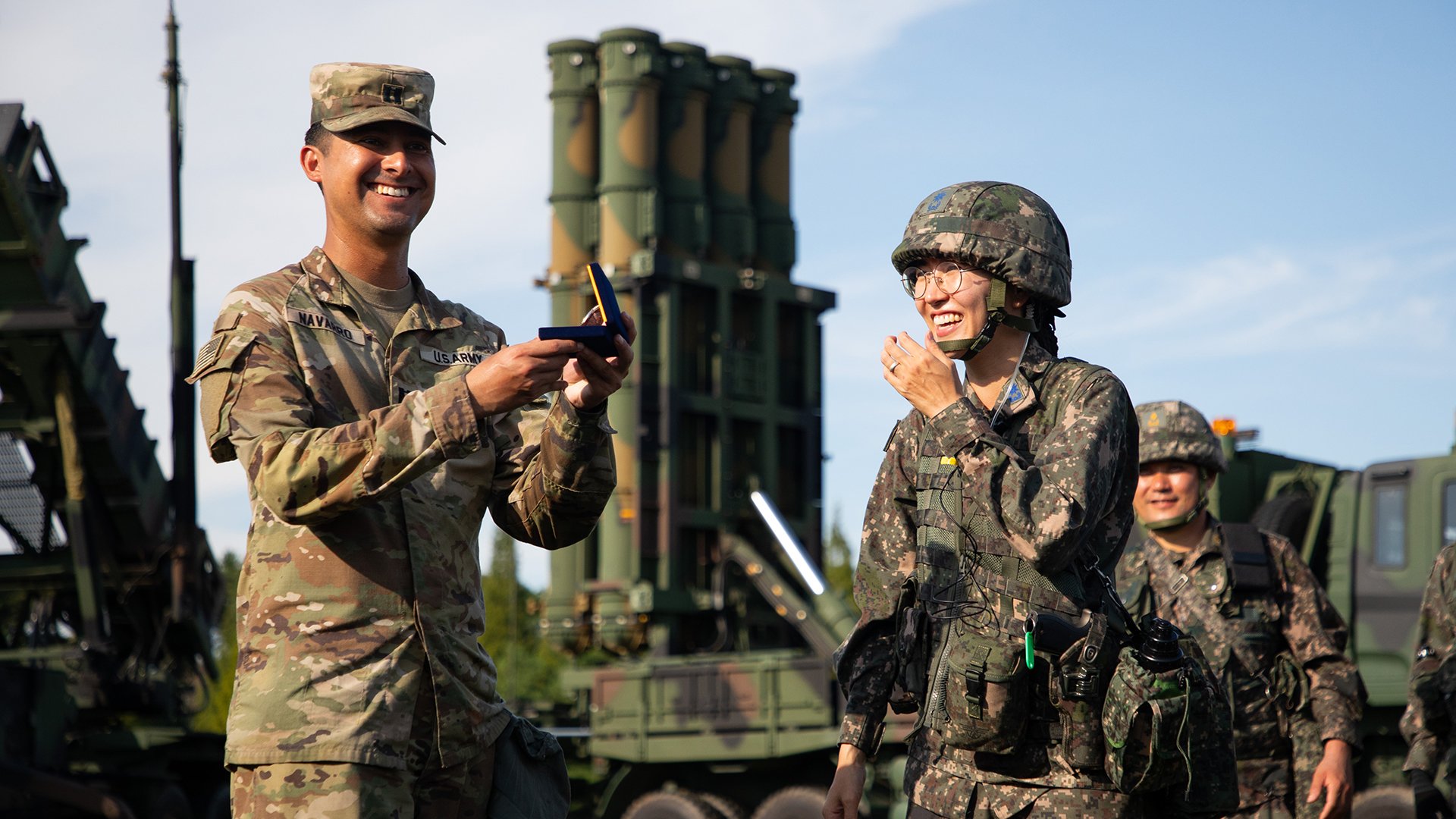
The Double Dragon exercise is one of the few opportunities for the U.S. Marine Corps and the South Korean Marine Corps to verify landing, beach securing, and the reception of follow-on forces. The English version of the Chosun Ilbo on August 21 also cited the movement of troops to the Middle East as a background for the cancellation. In other words, what is lacking is not merely a political mood but a high likelihood that there has been an actual withdrawal somewhere in air, landing, or support capabilities. From Tanaka's perspective, such training is not the type where the units remain even if they are temporarily absent. The readiness of the Marine Corps is maintained only through annual repetition.
The Implications for Japan Extend Beyond the Korean Peninsula
It is dangerous for Japan to treat this issue as limited to the Korean Peninsula. What Japan has been counting on for the defense of the Southwest Islands is that the U.S. forces stationed in Japan, particularly the Marine expeditionary forces based in Okinawa and Sasebo, would fill the gap in island defense during the initial response. However, if the Marine exercises in Korea are cut as soon as the burden on the Iran front increases, the same problem could arise anywhere along the First Island Chain. The question is not whether the Marine Corps is nearby when needed, but whether they have been withdrawn to other theaters.
What Becomes Clear with the UFS26 Reduction is the Shifting Priorities Rather than a Shortage of Allied Forces
Reuters reported on August 16 and 20 that President Trump ordered a reduction in U.S.-South Korea exercises due to dissatisfaction with costs and cooperation against Iran, catching the South Korean side off guard. The troublesome aspect here is not the lack of forces itself, but the fact that the priorities for alliance operations can change at the last minute. If the planned training schedule, allocation of transport ships, air support, and ammunition consumption estimates can collapse due to a single political decision, it can also damage deterrence in peacetime. What China and North Korea are reading is not just the presence or absence of exercises, but the political durability of the U.S. military in keeping its promises across two fronts.
What Truly Matters is the Speed of Deciding Force Allocation, Not Information Sharing
The Japanese government must not view this issue merely as friction between the U.S. and South Korea. What is needed is a realistic assessment of how far the Japan Self-Defense Forces' Amphibious Rapid Deployment Brigade, transport, and base protection can operate independently if U.S. Marine and landing assets in Japan are redistributed to the Middle East or other theaters. The cancellation of the Double Dragon exercise indicates not only a cooling of the U.S.-South Korea alliance. It also reveals the fact that there are thin seams in the readiness design that has been built on the assumption of U.S. military presence across the entire First Island Chain. The true challenge lies not in quickly understanding enemy situations, but in how quickly the U.S. and Japan can decide where to direct the limited U.S. forces.
The U.S. and South Korean Marine Corps canceled the 2026 Double Dragon exercise in Pohang due to military resource constraints linked to the Iran conflict. This decision reflects a broader shift in military priorities, impacting readiness and potentially affecting Japan's defense strategy regarding the Southwest Islands. The reduction in joint exercises raises concerns about the U.S. military's ability to maintain commitments in multiple theaters.
- The 2026 Double Dragon exercise was canceled due to military resource constraints related to the Iran conflict.
- The U.S. military has reduced its joint exercises with South Korea, impacting readiness.
- The cancellation reflects a shift in military priorities and resource allocation.
- Japan's defense strategy may be affected by the U.S. Marine Corps' availability in the region.