

Why the M10 Booker Failed: The 42-Ton “Light” Tank
The M10 Booker is one of the most recent additions in a long line of U.S. Army procurement failures.
Originally designed as an airdroppable assault gun for infantry Brigade Combat Teams (IBCTs), the Booker program soon spiraled out of control as the vehicle’s requirements changed again and again, leading its weight to grow ever larger.
In the end, the M10 weighed about as much as a Japanese Type 10 MBT despite having a smaller gun caliber and significantly less armor.
But how did this happen?
How did a relatively simple concept end in such a disaster? The answer lies in the broken procurement and requirements process, which created excessive inertia and veered the Booker away from its original design concept.
Development and Design: What the M10 Booker was Supposed to be
The M10 Booker emerged from the U.S. Army’s Mobile Protected Firepower (MPF) program, a long-running effort to give infantry brigade combat teams a protected, mobile direct-fire capability that had been missing since the Sheridan’s retirement and the cancellation of the M8 Armored Gun System in the 1990s.
From its earliest conception in the 2013–2014 period, the Army’s requirement centered on a vehicle that could be brought rapidly to austere theaters, with the ability (at least on paper) to be transported by the C-130 Hercules.
This is a really important point to get across; the Booker was meant to be airdroppable. The AFV was supposed to be dropped beside airborne expeditionary troops rather than having infantry wait for their armored support.
General Dynamics Land Systems (GDLS) won the MPF competition with a design derived from its ASCOD 2 concept, pairing a 105 mm M35 gun with a relatively compact tracked chassis and modern optics, fire control, and survivability features. The vehicle promised to give IBCTs the ability to reduce bunkers, gun positions, and lightly armored threats while maintaining a smaller logistical footprint than a full-blown main battle tank.
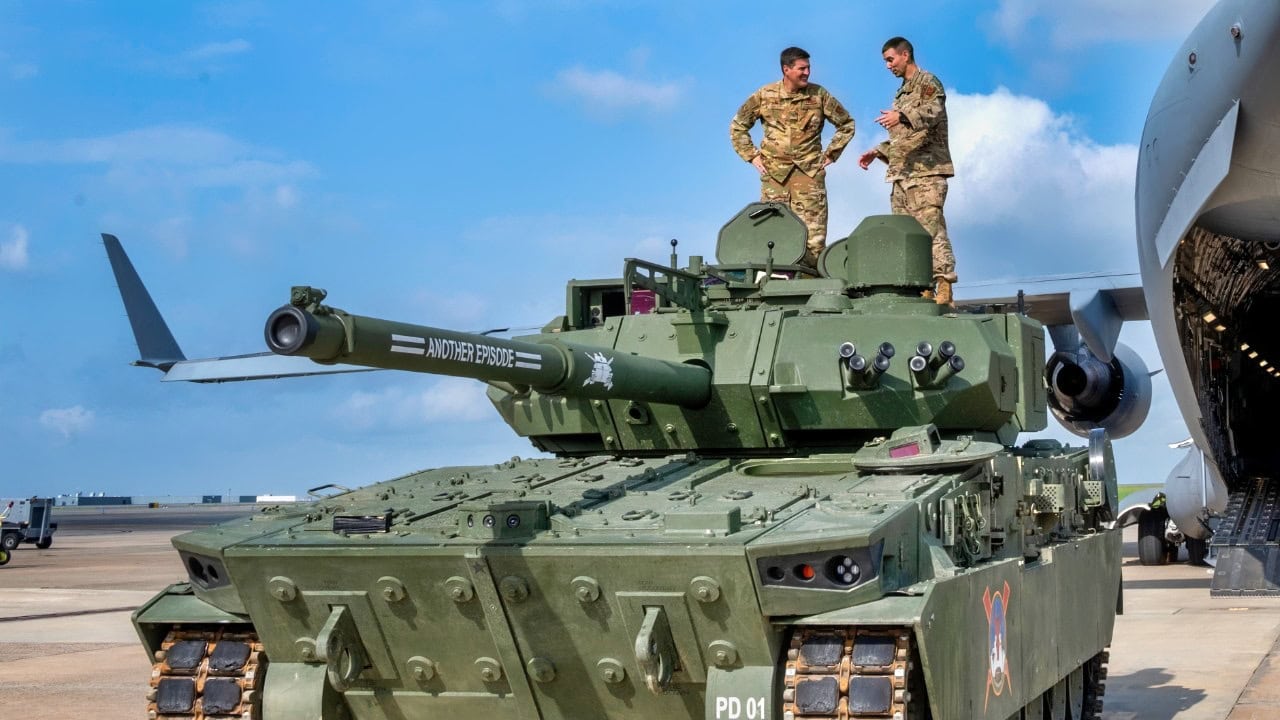
Members of the North Carolina Air National Guard assess an Army M10 Booker Combat Vehicle before it is loaded onto a C-17 Globemaster III aircraft, at the North Carolina Air National Guard base, Charlotte-International Airport, August 3, 2024. Portions of this photo were masked for security reasons. (U.S. Air National Guard photo by Staff Sgt. Reanna Hartgrove)
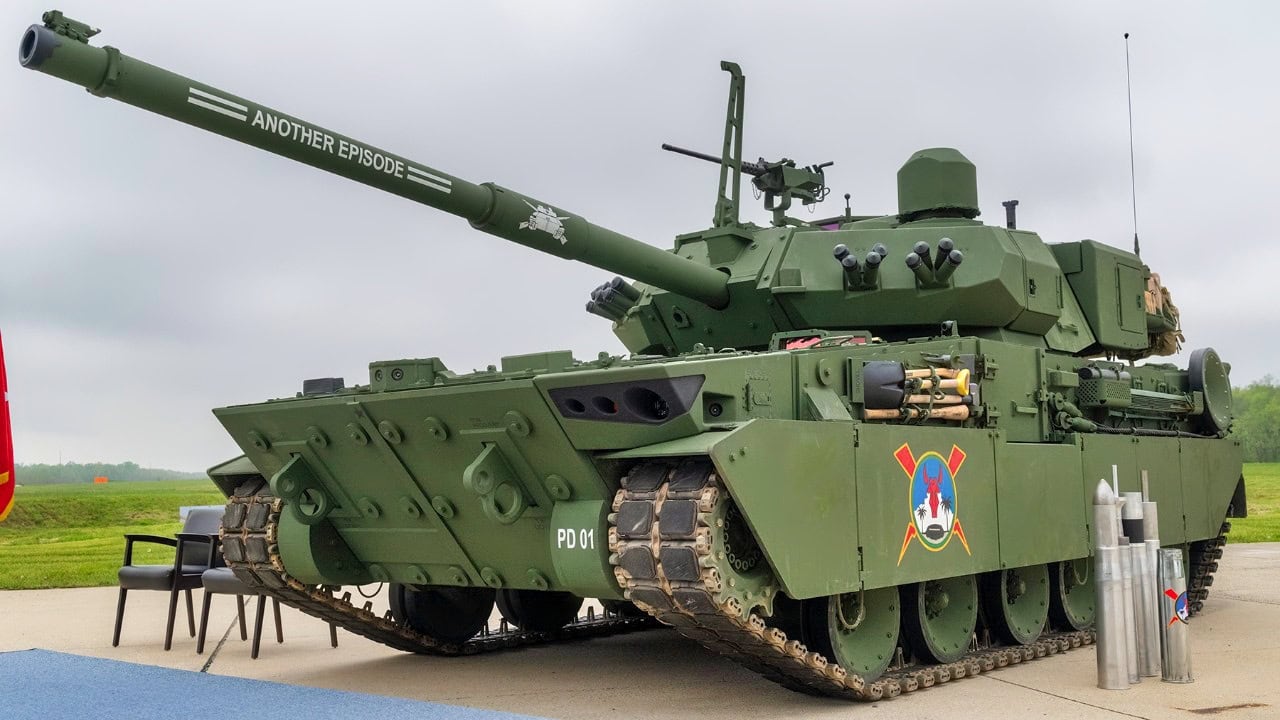
The M10 Booker displayed at it’s dedication ceremony at Aberdeen Proving Ground in Aberdeen, Md., April 18, 2024. As part of the dedication of the M10 Booker Combat Vehicle in their name, Pvt. Booker, a Medal of Honor recipient, and infantryman, assigned to the 133rd Infantry Regiment, 34th Infantry Division, during World War II, and Staff Sgt. Stevon A. Booker, a Distinguished Service Cross recipient, and tank crewman, assigned to Alpha Company, 1st Battalion, 64th Armor Regiment, 3rd Infantry Division, in support of Operation Iraqi Freedom, will be recognized and honored for their ultimate sacrifice, heroism and commitment to service and the country, represented by family members during the ceremony. (U.S. Army photo by Christopher Kaufmann).
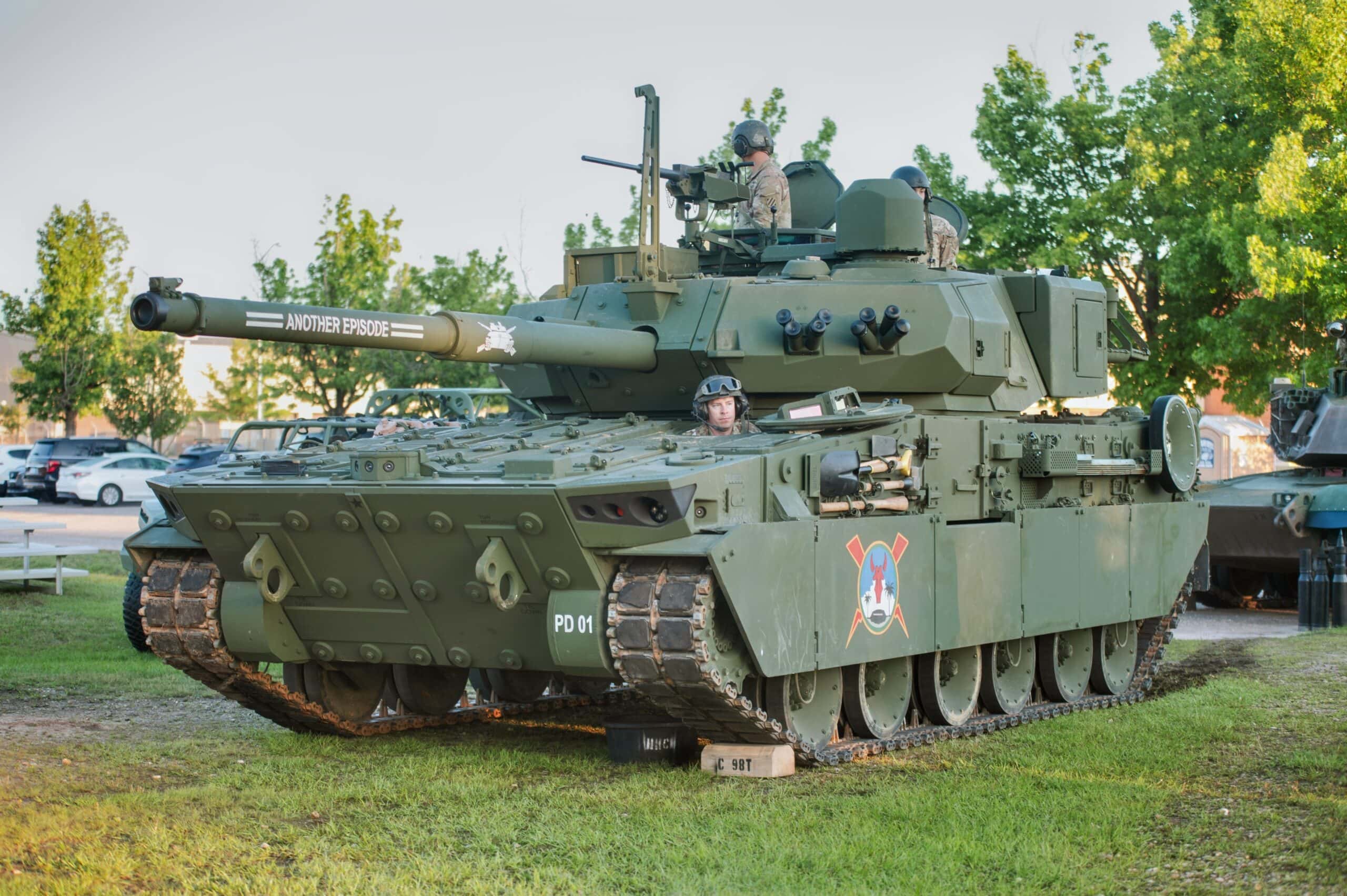
M10 Booker is part of a static display while a live segment for FOX and Friends is being filmed at Fort Liberty, N.C., May, 21, 2024. The M10 Booker Combat Vehicle is named after two American service members: Pvt. Robert D. Booker, who posthumously received the Medal of Honor for actions in World War II, and Staff Sgt. Stevon A. Booker, who posthumously received the Distinguished Service Cross for actions during Operation Iraqi Freedom. Their stories and actions articulate the Army’s need for the M10 Booker Combat Vehicle, an infantry assault vehicle that will provide protection and lethality to destroy threats like the ones that took the lives of these two Soldiers. (U.S. Army Photo by Sgt. Jacob Bradford)
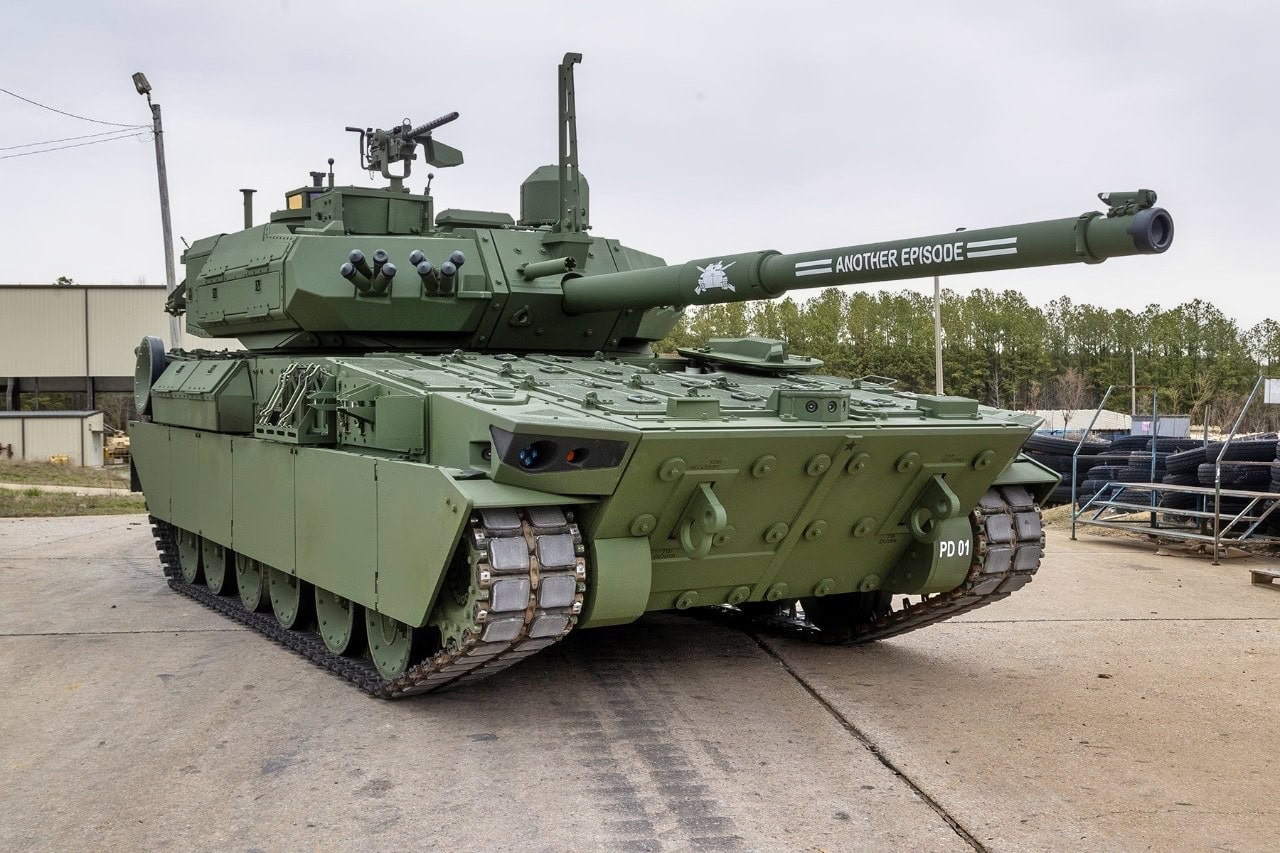
PD1 – Delivery of First Production Vehicle M10 Booker Combat Vehicle
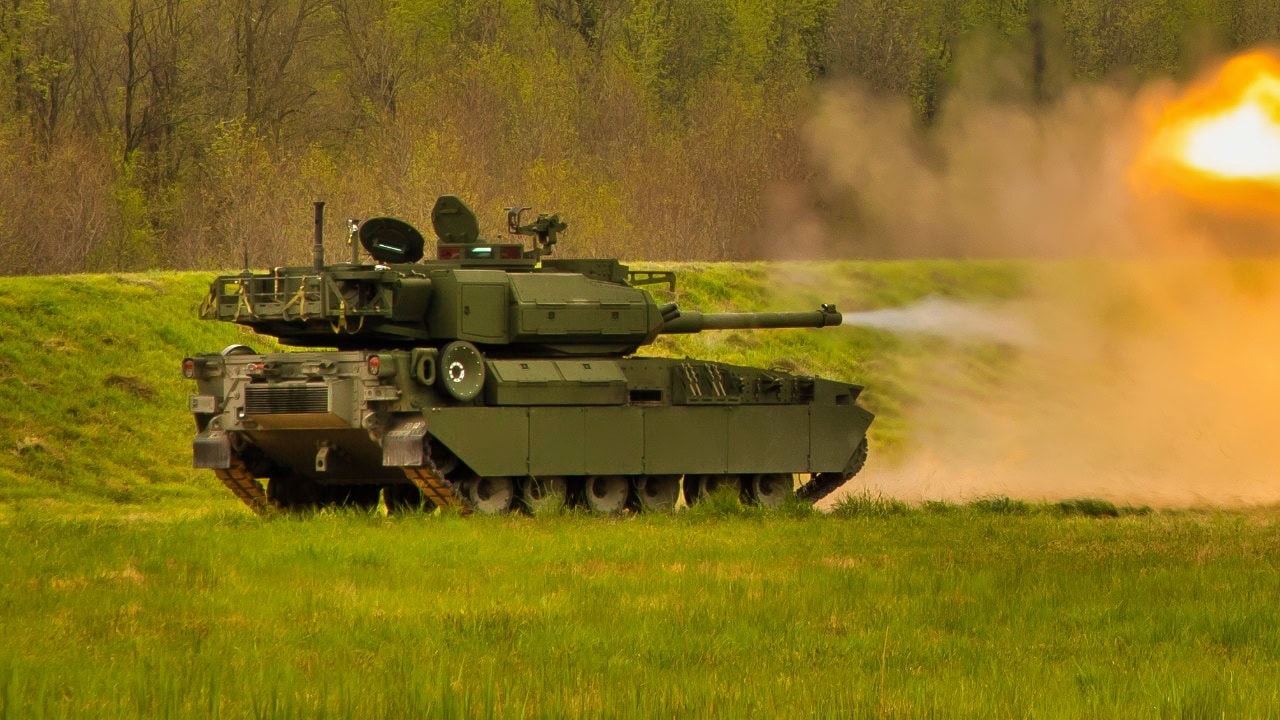
M10 Booker Light Tank. Image Credit: Creative Commons.
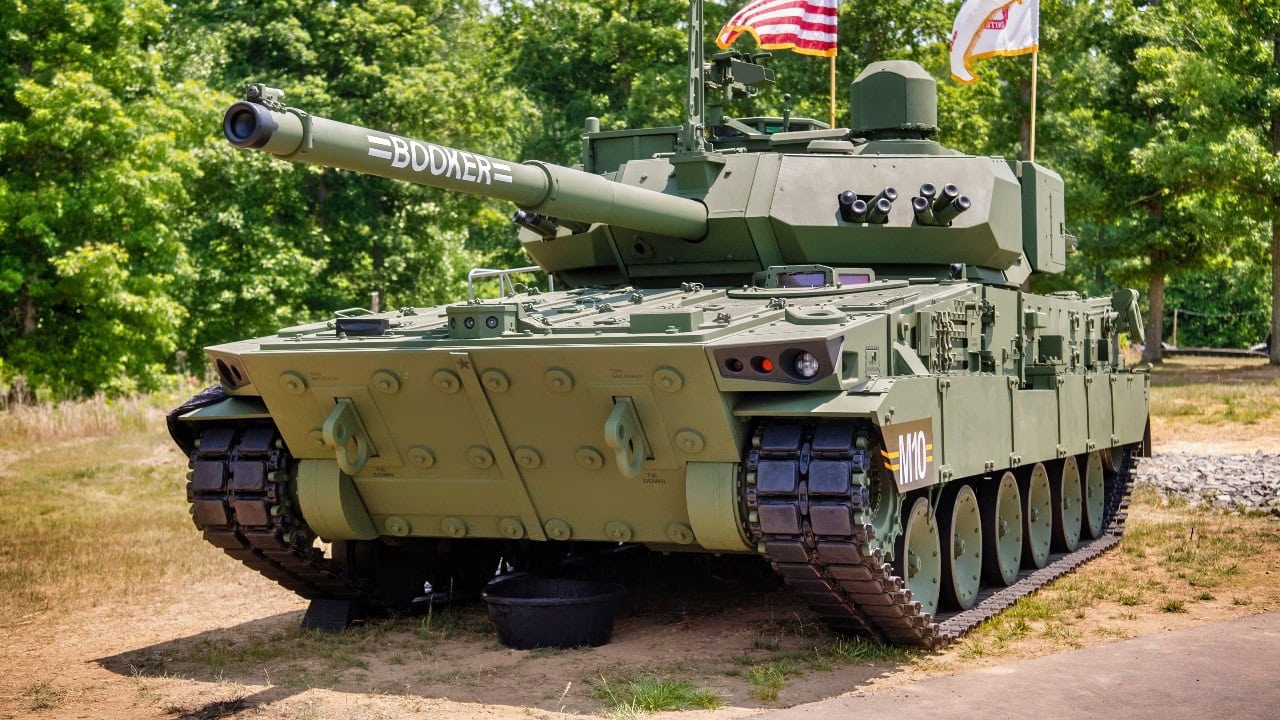
The M10 Booker Combat Vehicle proudly displays its namesake on the gun tube during the Army Birthday Festival at the National Museum of the U.S. Army, June 10, 2023. The M10 Booker Combat Vehicle is named after two American service members: Pvt. Robert D. Booker, who posthumously received the Medal of Honor for actions in World War II, and Staff Sgt. Stevon A. Booker, who posthumously received the Distinguished Service Cross for actions during Operation Iraqi Freedom. Their stories and actions articulate the Army’s need for the M10 Booker Combat Vehicle, an infantry assault vehicle that will provide protection and lethality to destroy threats like the ones that took the lives of these two Soldiers. (U.S. Army photo by Bernardo Fuller)
By 2023, the program had advanced to low-rate initial production, and by early 2024, Army photos and demonstrations highlighted around 80 vehicles in testing and limited fielding, signaling momentum toward broader unit issue.
The vision, as articulated by program leaders in 2023, was straightforward: suppress and destroy fortifications and entrenchments and, as a secondary role, counter enemy armor at the light force’s tempo.
The Program Gets Out of Hand
It is here that problems have already begun to make themselves evident. The ASCOD is a joint Austrian-Spanish design that was meant primarily to replace the M117 APC.
The vehicle was also used as the basis for other IFVs like British Ajax (another vehicle with a troubled development history). All of these vehicles were designed to carry troops; the M10, on the other hand, was not. T
his had the downside of giving the Booker much more room than it needed, thereby increasing the overall size profile and weight of the vehicle. At the time, many of these concerns were written off as trivial, but as the program went on, the weight issue grew worse and worse.
As the program carried on, Booker’s weight crept further and further higher. The final weight of the vehicle clocked in at around 38-42 tons.
For comparison, the T-72A weighed 41 tons despite having a larger caliber gun and significantly greater armor protection. Some advocates argued that this weight didn’t matter as the vehicle still weighed less than the 60-ton M1 Abrams, which is true.
The problem, however, was that the M10’s increased weight meant that the vehicle could no longer be airdropped, the very thing that it was designed to do from the beginning. The vehicle was so heavy, in fact, that bridges at training ranges began to crack under the vehicles weight.
Pulling the Plug on the Booker
In May of 2025, the Army made the decision to pull the plug on the program and terminate the Booker. The Army explained that the decision was based on the vehicle having suffered requirements creep, cost growth, and unresolved maintenance issues, and that its weight made it incompatible with the rapid-deployment role it was supposed to play.
The service chose to halt procurement rather than chase sunk costs, even with about twenty-six vehicles delivered and early tests and ceremonies suggesting a glide path to full fielding. When asked about the project, the Secretary of the Army Daniel Driscoll responded bluntly, “we got the Booker wrong.”
In total, the program had cost several billion dollars and ended in complete failure.
In the end, the M10 Booker did not fail because it lacked a big gun or because the industrial base could not build it—it is actually a pretty good vehicle, all things considered.
It failed because the program’s central promise was eroded by incremental changes that made the vehicle too heavy for the very missions it was meant to execute.
Once that thread snapped, every other issue, from maintenance to doctrinal, became disqualifying rather than fixable. There is a clear lesson here: requirements must be anchored in real deployment and operational needs, and they must be protected from incremental changes.
The M10 Booker’s rise and fall is thus both a cautionary tale and a prod to reform, reminding planners that a compelling concept is only as durable as the engineering and acquisition discipline that preserves it through to delivery.
About the Author: Isaac Seitz
Isaac Seitz, a Defense Columnist, graduated from Patrick Henry College’s Strategic Intelligence and National Security program. He has also studied Russian at Middlebury Language Schools and has worked as an intelligence Analyst in the private sector.