
The US-Iran Conflict Continues to Escalate: Analysis Suggests US Military Pressure May Struggle to Force Iran to Concede
The recent conflict between the U.S. and Iran over navigation issues in the Strait of Hormuz has escalated, with ongoing mutual attacks. There are indications that the U.S. may escalate its military strikes against Iran, and this round of mutual attacks between the U.S. and Iran may continue.
According to U.S. sources on the 17th, American and Israeli officials stated that the U.S. government has informed Israel that it will send dozens of aerial refueling aircraft to Israel, and may subsequently expand military operations against Iran.
Additionally, a retired U.S. Air Force brigadier general stated in a media interview on the 18th that the deaths of two U.S. soldiers in Jordan due to an Iranian attack could become a turning point in this conflict, and the U.S. may use this as a reason to launch more intensive military actions against Iran.

Retired U.S. Air Force Brigadier General John Teichert: We are continuously engaged in this tit-for-tat military action, and I believe (the U.S.) military actions will expand starting next week. I think the U.S. president wants to retaliate quickly for U.S. military casualties while delivering a severe blow to Iran, telling Iran that "the U.S. will accomplish what it intends to do."
Teichert also stated that the U.S. may target Iran's strategic objectives to pressure Iran and achieve U.S. goals.
U.S. military threat strategy may struggle to be effective against Iran
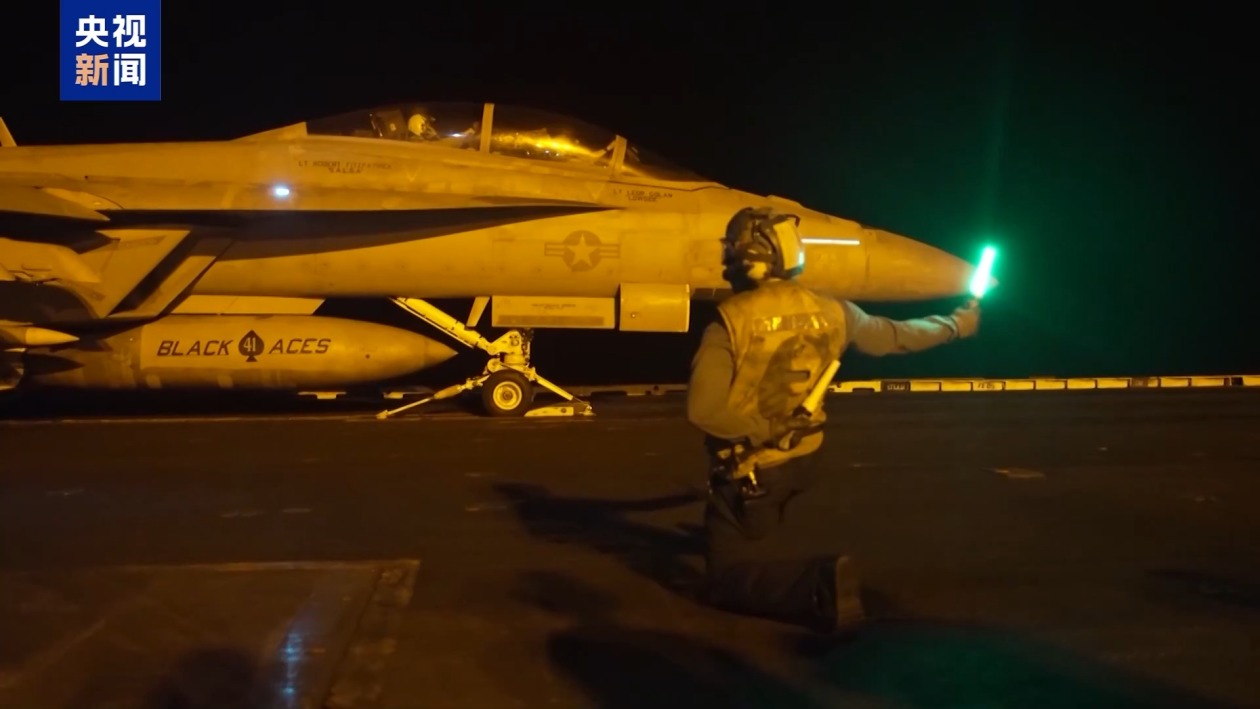
However, some analysts point out that the recent increase in U.S. strikes against Iran and the escalation of threats have shown almost no signs that this military strategy, which previously failed to force Iran to make concessions, will succeed this time. A recent report by Reuters analyzed that the negotiation process to transform the U.S.-Iran memorandum of understanding into a permanent peace agreement has stalled. The U.S. may hope to bring Iran back to the negotiating table through military actions, but the recent mutual attacks stem from differing interpretations of the control over the Strait of Hormuz in the memorandum. Analysts suggest that the U.S. may repeat the mistakes made at the outbreak of the U.S.-Israel-Iran conflict, and regardless of the pressure the U.S. exerts, the Iranian leadership is unlikely to yield to the U.S. If the U.S. continues to expand its strike range, Iran may choose to retaliate in kind.
The U.S. plans to escalate military actions against Iran following the deaths of two U.S. soldiers in Jordan due to Iranian attacks. The U.S. is sending dozens of air refueling aircraft to Israel, indicating a potential increase in military operations in the region. The ongoing conflict revolves around differing interpretations of control over the Strait of Hormuz.
- U.S. to send dozens of air refueling aircraft to Israel.
- Two U.S. soldiers were killed in Jordan by Iranian forces.
- U.S. military actions may escalate in response to casualties.
- The conflict centers around control of the Strait of Hormuz.