

Summary and Key Points: Drawing on his experience as a former Pentagon “Highly Qualified Expert,” Warrior Maven President Kris Osborn breaks down the high-stakes engineering behind the USS Harry S. Truman’s upcoming RCOH and America’s aircraft carrier challenges.
-This “mid-life” extension at Newport News Shipbuilding involves a surgical opening of the carrier’s hull to refuel dual nuclear reactors and integrate 6th-generation C2 systems and digital sensors.
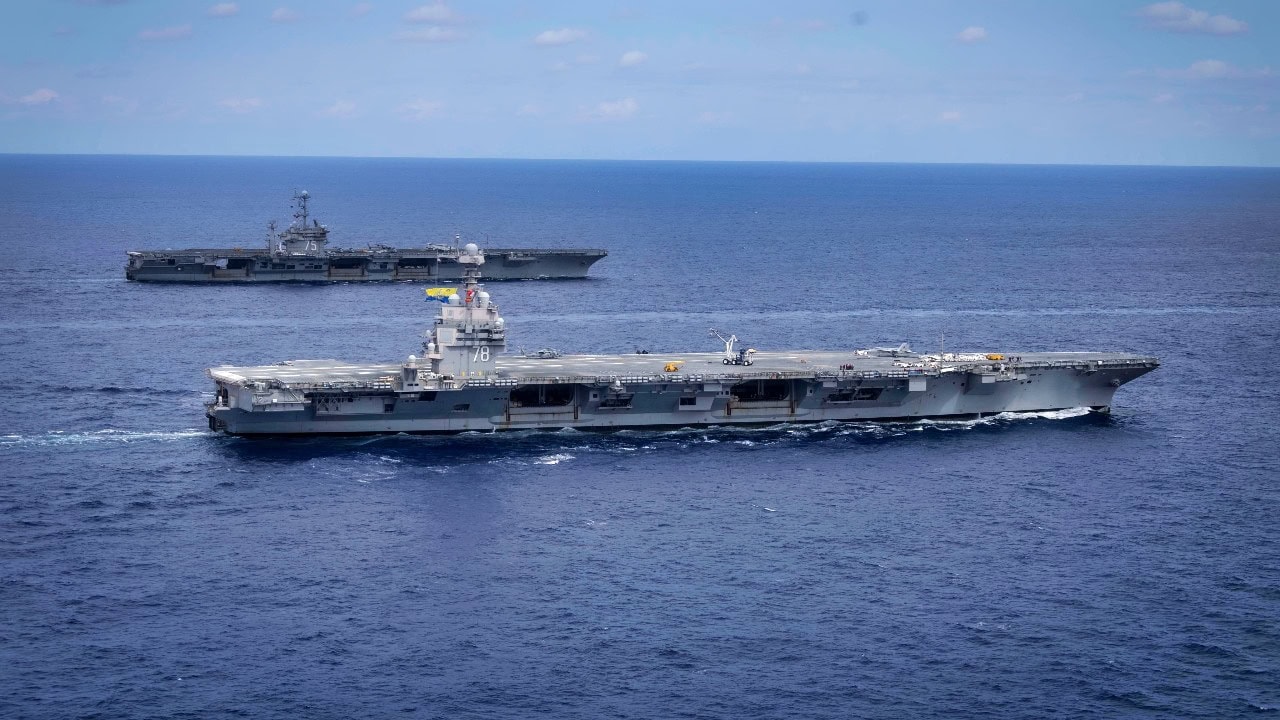
ATLANTIC OCEAN. (Aug. 24, 2024) The Nimitz-class aircraft carriers USS Harry S. Truman (CVN 75), back, and the world’s largest aircraft carrier, USS Gerald R. Ford (CVN 78), sail in formation in the Atlantic Ocean, Aug. 24, 2024. USS Gerald R. Ford is the flagship of the Gerald R. Ford Carrier Strike Group. The aircraft carrier is underway in the Atlantic Ocean to further develop core unit capabilities and skills such as fuels certification and ammunition on-load during its basic phase of the optimized fleet response plan. (U.S. Navy photo by Mass Communication Specialist 2nd Class Maxwell Orlosky).
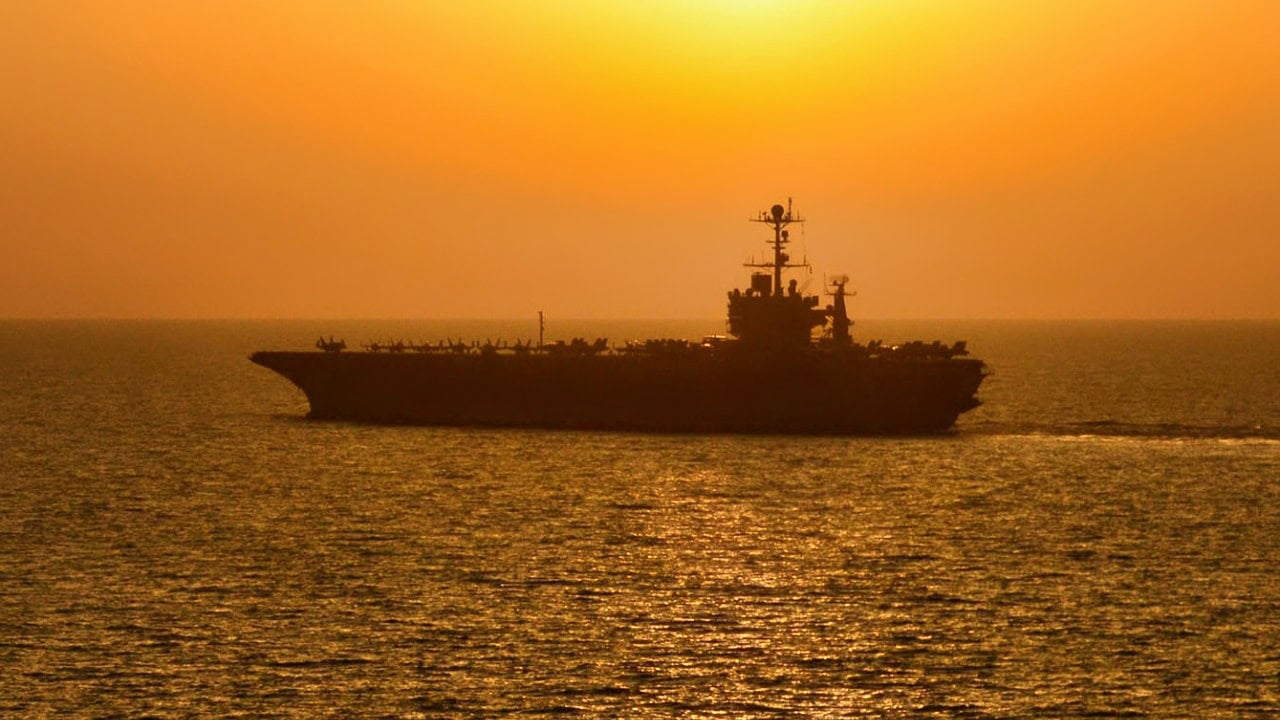
(Oct. 19, 2013) The aircraft carrier USS Harry S. Truman (CVN 75) is underway during sunset. Harry S. Truman, flagship for the Harry S. Truman Carrier Strike Group, is deployed to the U.S. 5th Fleet area of responsibility conducting maritime security operations, supporting theater security cooperation efforts and supporting Operation Enduring Freedom. (U.S. Navy photo by Mass Communication Specialist 2nd Class Mike DiMestico/Released)
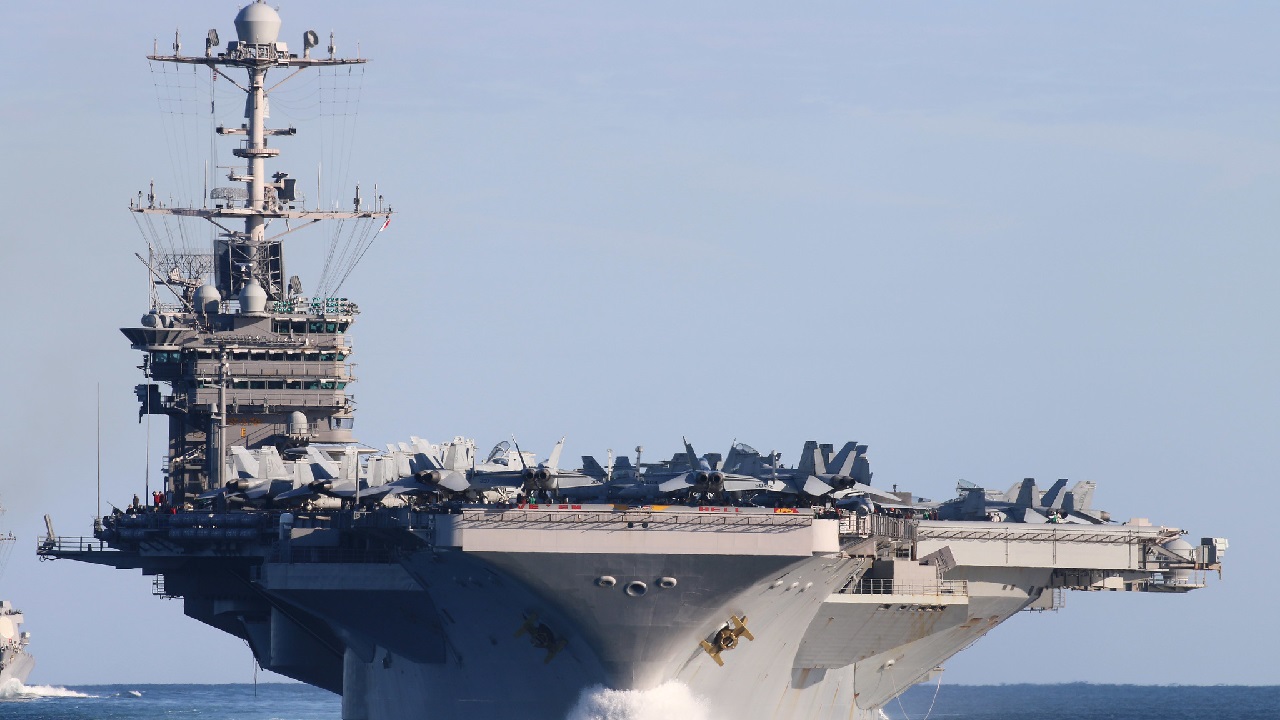
The aircraft carrier Harry S. Truman (CVN 75) participates in a composite unit training exercise (COMPTUEX). Truman is underway as a part of the Harry S. Truman Carrier Strike Group (HSTCSG) performing COMPTUEX, which evaluates the strike group’s ability as a whole to carry out sustained combat operations from the sea, ultimately certifying the HSTCSG for deployment. (U.S. Navy photo by Mass Communication Specialist 2nd Class Tommy Gooley/Released)
-Osborn explains that while the process takes 4 to 6 years, it is the fundamental reason the U.S. Navy maintains a statutory 11-carrier fleet to secure global “power-projection” in 2026.
Cracking the Hull: The Precise Engineering of Nuclear Aircraft Carrier Refueling
Refueling a nuclear-powered aircraft carrier is among the most complex industrial tasks in existence, as it involves lengthy, highly specialized procedures intended to ensure the carrier can continue to surge for several decades.
Many are likely considering these questions as the Navy’s USS Harry S. Truman carrier prepares to enter its Refueling and Complex Overhaul (RCOH).
Predicting how long the USS Truman will remain dry-docked for RCOH is difficult, as it depends on several critical factors, many of which are analyzed during the process itself.
RCOH is intended as a “mid-life” service extension and massive upgrade, involving the opening of a huge hole in the ship to enable access to the reactor and other critical ship systems. The process is quite involved, as the reactor must first be brought to a low-power state before being fully shut down and left to “cool off” for several days until procedures can begin.
Reactor Refueling
Then the top of the reactor needs to be cracked open through the removal of bolts and then literally lifted off with a large crane.
Once the top of the reactor is off, new fuel assemblies can be added in place of old ones in large increments.
Several hundred rods can be removed at one time, but all of the nuclear reactor’s rods need to be replaced to fully refuel the boat.
This entire process takes quite a bit of time because it must be done carefully and with great precision. Following this process, the large top of the reactor can be “bolted” back on after all the water is pumped out.
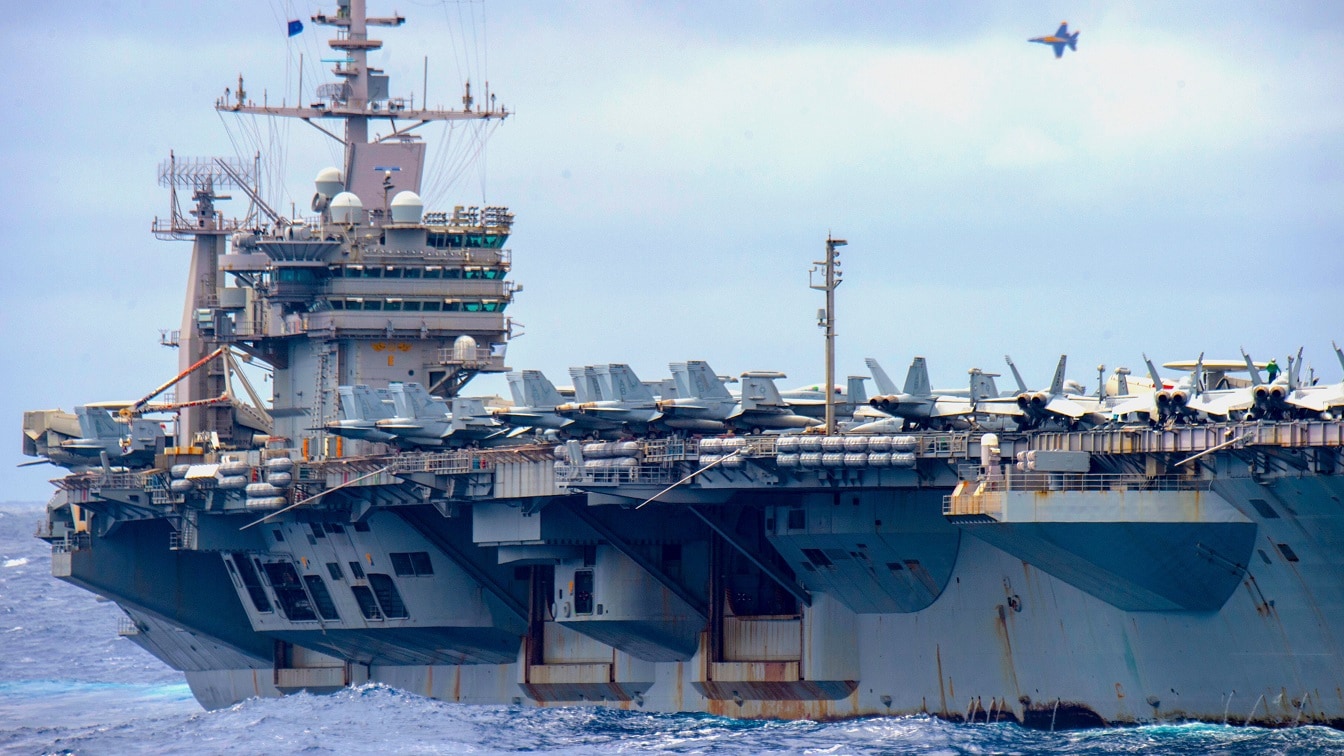
The Blue Angels, flies over the Nimitz-class aircraft carrier, USS Harry S. Truman (CVN-75) on May 20, 2020. US Navy Photo
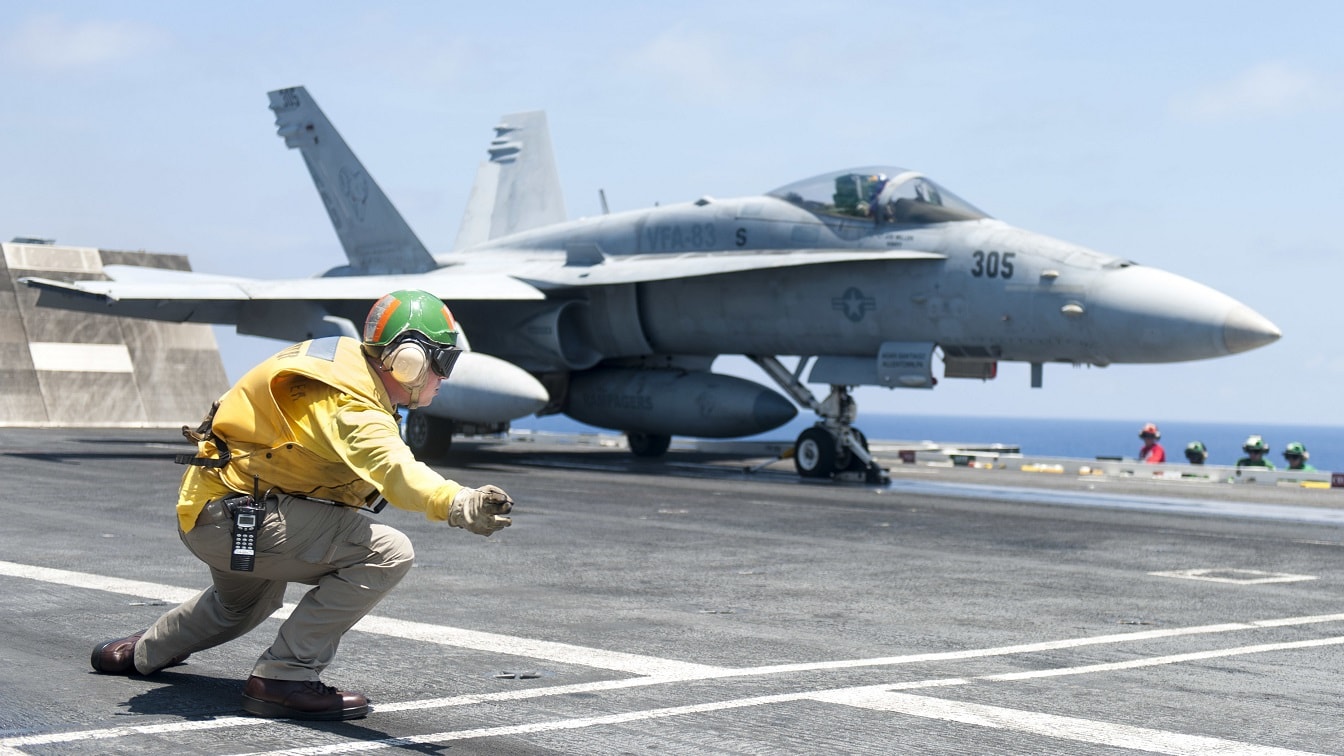
(June 15, 2015) Lt. B. J. Burnham signals to launch an F/A-18C Hornet, assigned to the “Rampagers” of Strike Fighter Squadron (VFA) 83, on the flight deck of aircraft carrier USS Harry S. Truman (CVN 75). Truman is underway conducting Tailored Ship’s Training Availability (TSTA) off the east coast of the United States. TSTA is the first combined training event of a ship’s inter-deployment training cycle that tests and evaluates shipboard drills, including general quarters, damage control, medical and firefighting. Upon successful completion of TSTA, Truman will be considered proficient in all mission areas. (U.S. Navy photo by Mass Communication Specialist 2nd Class K. H. Anderson/Released)
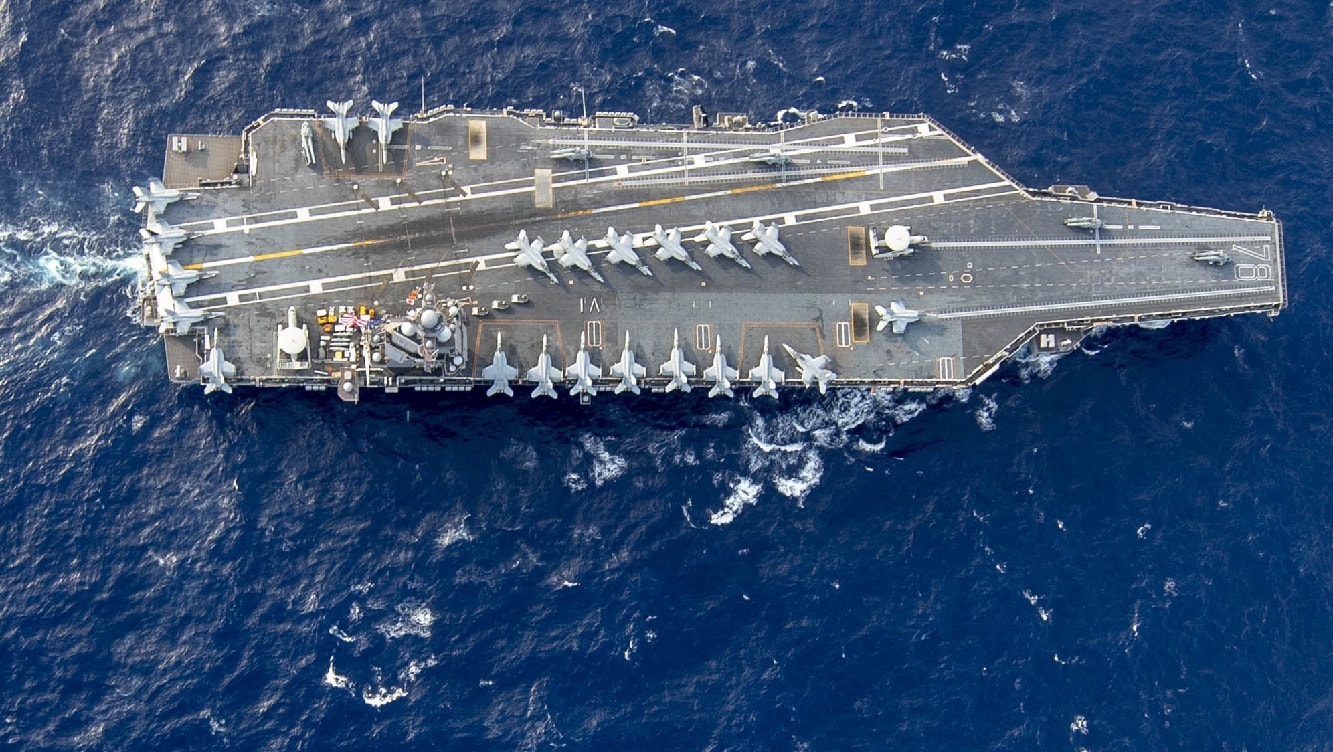
The Ford-class aircraft carrier USS Gerald R. Ford (CVN 78) and the Nimitz-class aircraft carrier USS Harry S. Truman (CVN 75) transit the Atlantic Ocean June 4, 2020, marking the first time a Ford-class and a Nimitz-class aircraft carrier operated together underway. Ford is underway conducting integrated air wing operations, and the Harry S. Truman Carrier Strike Group remains at sea in the Atlantic as a certified carrier strike group force ready for tasking in order to protect the crew from the risks posed by COVID-19, following their successful deployment to the U.S. 5th and 6th Fleet areas of operation. (U.S. Navy photo by Mass Communication Specialist Seaman Riley McDowell)
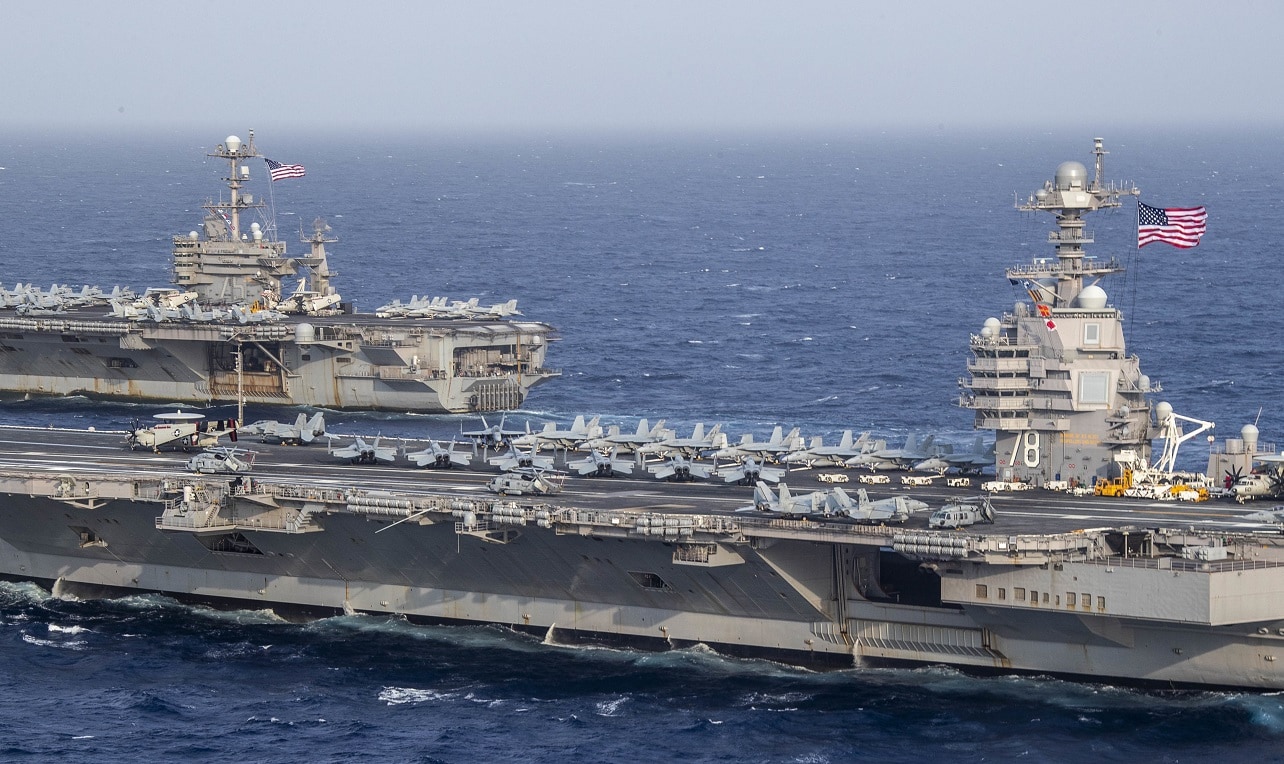
The Ford-class aircraft carrier USS Gerald R. Ford (CVN 78) and the Nimitz-class aircraft carrier USS Harry S. Truman (CVN 75) transit the Atlantic Ocean June 4, 2020, marking the first time a Ford-class and a Nimitz-class aircraft carrier operated together underway. Ford is underway conducting integrated air wing operations, and the Harry S. Truman Carrier Strike Group remains at sea in the Atlantic as a certified carrier strike group force ready for tasking in order to protect the crew from the risks posed by COVID-19, following their successful deployment to the U.S. 5th and 6th Fleet areas of operation. (U.S. Navy photo by Mass Communication Specialist Seaman Riley McDowell)
The RCOH process, however, involves much more than refueling the reactor, as many other systems on a carrier can only be upgraded while the reactor is offline.
When the reactor is taken apart, there is a massive amount of additional work, as new areas of access are opened and maintenance crews can reach them.
RCOH Upgrades
This relates to what is likely the largest unrecognized reality of an RCOH: the modernization elements.
With access to the ship’s critical systems enabled by the refueling process, engineers can upgrade the ship’s electronics, command and control systems, digital sensors, radar, and computing.
Essentially, an RCOH offers an opportunity for a massive modernization overhaul to the carrier’s weapons systems, fire control apparatus, and overall “wiring.” Much of the hardware likely needs to be replaced due to wear and tear through service, yet there are also many opportunities to upgrade much of the software woven through the ship’s computer systems.
Alongside modernization, RCOH opens vast, typically empty caverns in the body of the ship where key equipment, such as generators, pipelines, water supplies, and other ship necessities, is housed and shepherded through or utilized as needed.
There is likely extensive piping throughout the body of a carrier to carry water and cooling materials while also ensuring on-board generators sustain the power supply throughout the ship.
All of this takes time, and once upgraded, much of the ship needs to be reassembled, and parts of the hull and internal steel casings need to be cleaned and, in some cases, reinforced. The process can be lengthy and cumbersome, and while it is expected to take roughly 4 years to finish, many RCOH efforts can take up to 6 years.
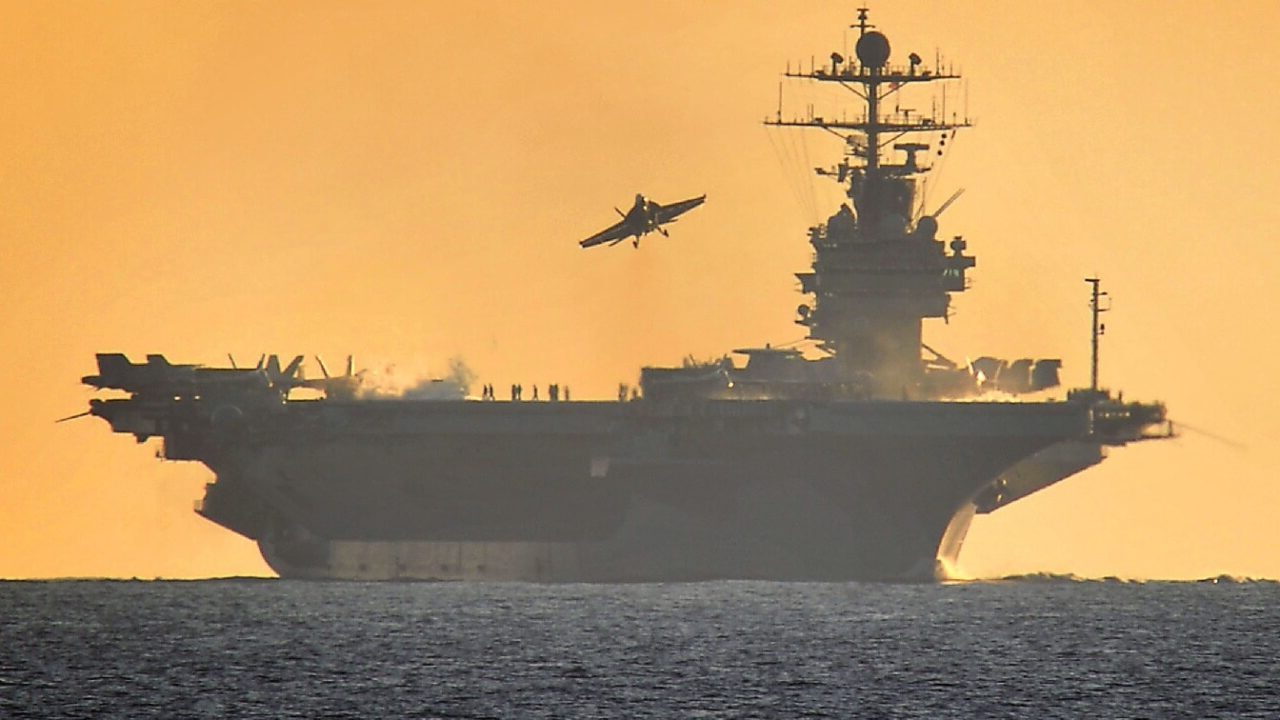
American Nimitz class aircraft carrier USS Harry S Truman is pictured during flying operations in the company of HMS Somerset in the Mediterranean. HMS Somerset was perforing anti-submarine duties for the immense vessel at the the time.
Not Enough Carriers
The complexity and duration of the RCOH dry-docking period are a major reason the US Navy maintains at least 11 carriers.
At any one time, typically four aircraft carriers are at sea patrolling or on key deterrence or global stability missions, three or four more are docked and standing by “ready” in case of an emergency or faster-erupting conflict, and three carriers can be “dry docked” for repairs, refurbishment, or RCOH.
This essential breakdown enables the US Navy to consistently maintain seven or eight “ready” carriers in position to support operations around the world, ensuring massive power-projection potential for the US Navy.
There are many theaters of operation, and the regular availability of deployable carriers is extremely relevant in light of the Pacific, as the vast region can accommodate as many as three Carrier Strike Groups at one time. One carrier is permanently based in Yokosuka, Japan, and five others are spread along the Western coast of the United States, including San Diego and Bremerton, Washington.
About the Author: Kris Osborn
Kris Osborn is the President of Warrior Maven – Center for Military Modernization. Osborn previously served at the Pentagon as a highly qualified expert in the Office of the Assistant Secretary of the Army—Acquisition, Logistics & Technology. Osborn has also worked as an anchor and on-air military specialist at national TV networks. He has appeared as a guest military expert on Fox News, MSNBC, The Military Channel, and The History Channel. He also has a Master’s Degree in Comparative Literature from Columbia University.