

Summary and Key Points: The U.S. Navy is expected to release the initial design schedule for the new BBG(X) “Trump-class” guided-missile battleship within the next 30 to 60 days, according to Huntington Ingalls Industries CEO Chris Kastner.
-This marks the first major milestone for the “Golden Fleet” concept announced in December 2025. With a lead ship designated USS Defiant (BBG-1) and an estimated cost of up to $15 billion, the massive 35,000-ton vessel will be larger than any surface combatant since WWII.
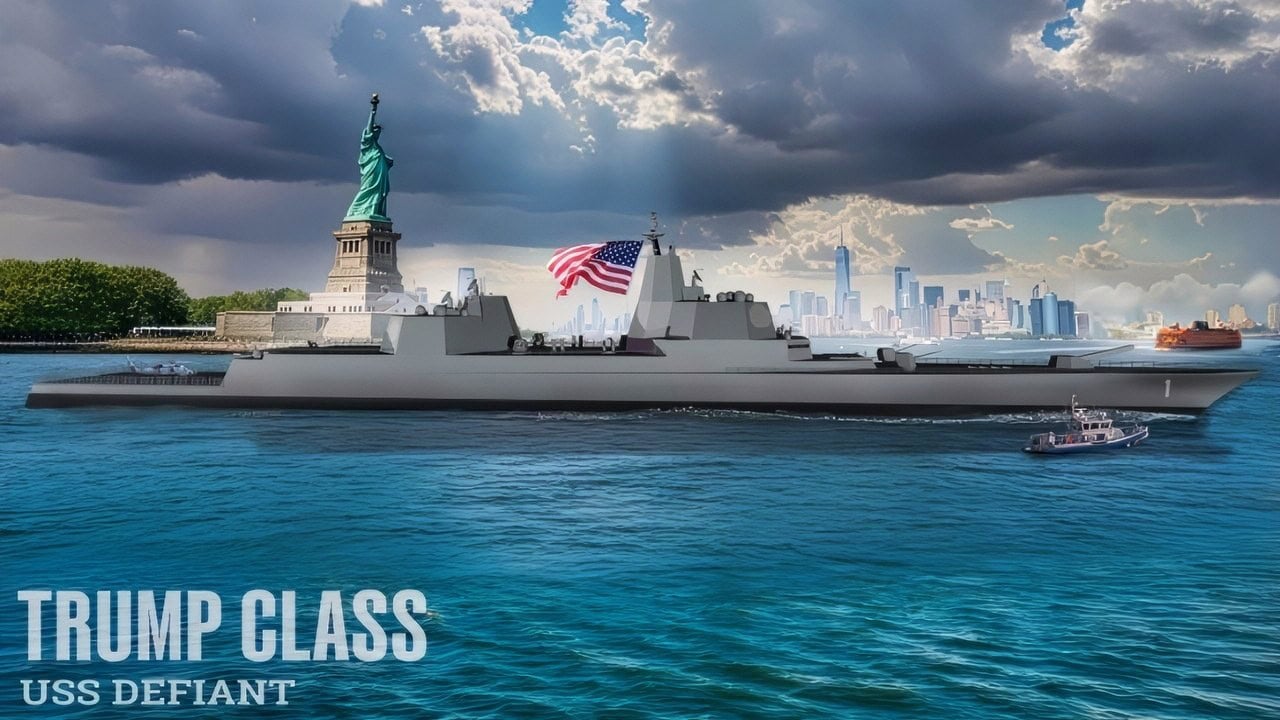
Trump-Class Battleship. Image Credit: Creative Commons/White House.
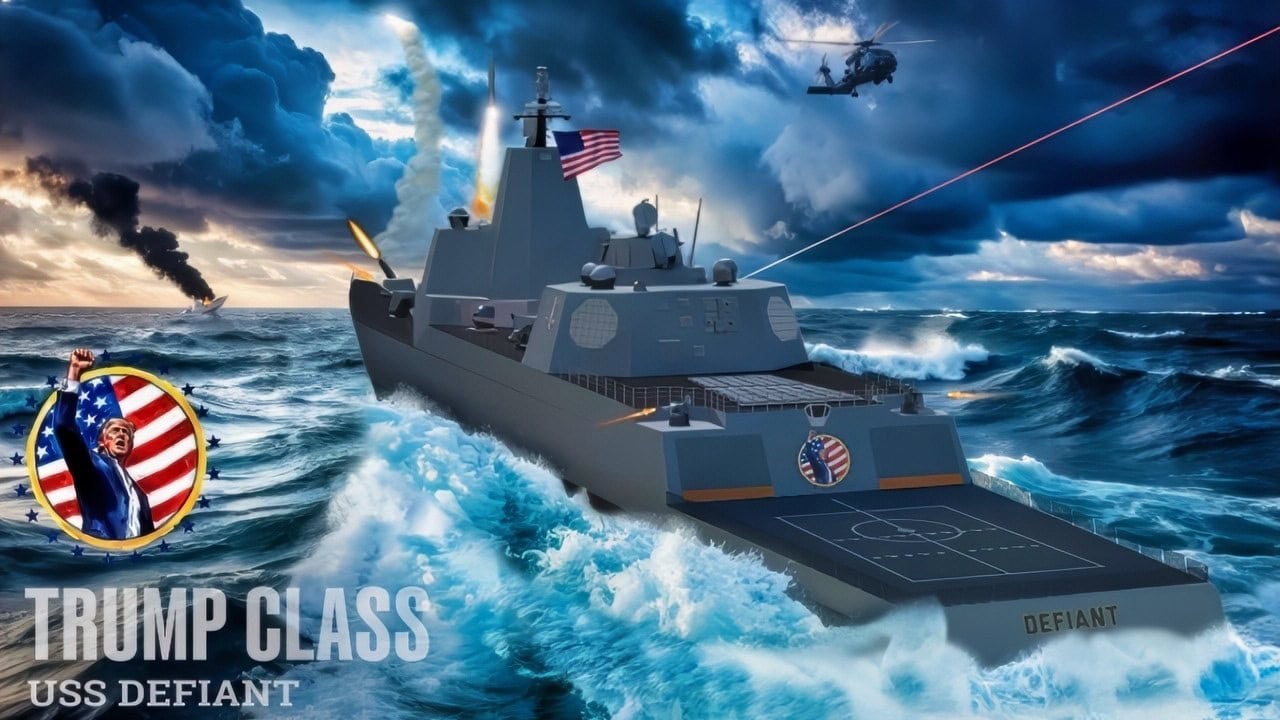
Trump-Class Battleship. Image Credit: Creative Commons/White House Photo.
-The timeline will reveal whether the Navy will adapt existing destroyer designs or pursue a “clean sheet” approach, with procurement aimed for the early 2030s.
U.S. Navy Will Lock In Trump-Class Battleship Design Timeline Within 60 Days
The U.S. Navy expects to provide its first concrete timing guidance for the initial design schedule of the planned BBG(X) guided-missile battleship – known as the “Trump class,” with the lead ship expected to be designated USS Defiant (BBG-1) – within the next 30 to 60 days, according to Huntington Ingalls Industries CEO Chris Kastner.
The milestone matters because it would be the first schedule indication since the program was unveiled in late December, and it will indicate whether the Navy intends to move quickly by adapting existing destroyer-era design work or pursue a slower, clean sheet approach that will see the design and production of entirely new vessels.
The Trump administration announced the BBG (X) concept on December 22, 2025, promising a new flagship surface combatant and so-called “Golden Fleet” that is intended to replace the Navy’s existing plan built around a roughly 381-ship fleet.
The Navy’s own announcement described BBG (X) as the first battleship-type procurement since World War II and said that the ship will be a high-end, heavily armed surface combatant.
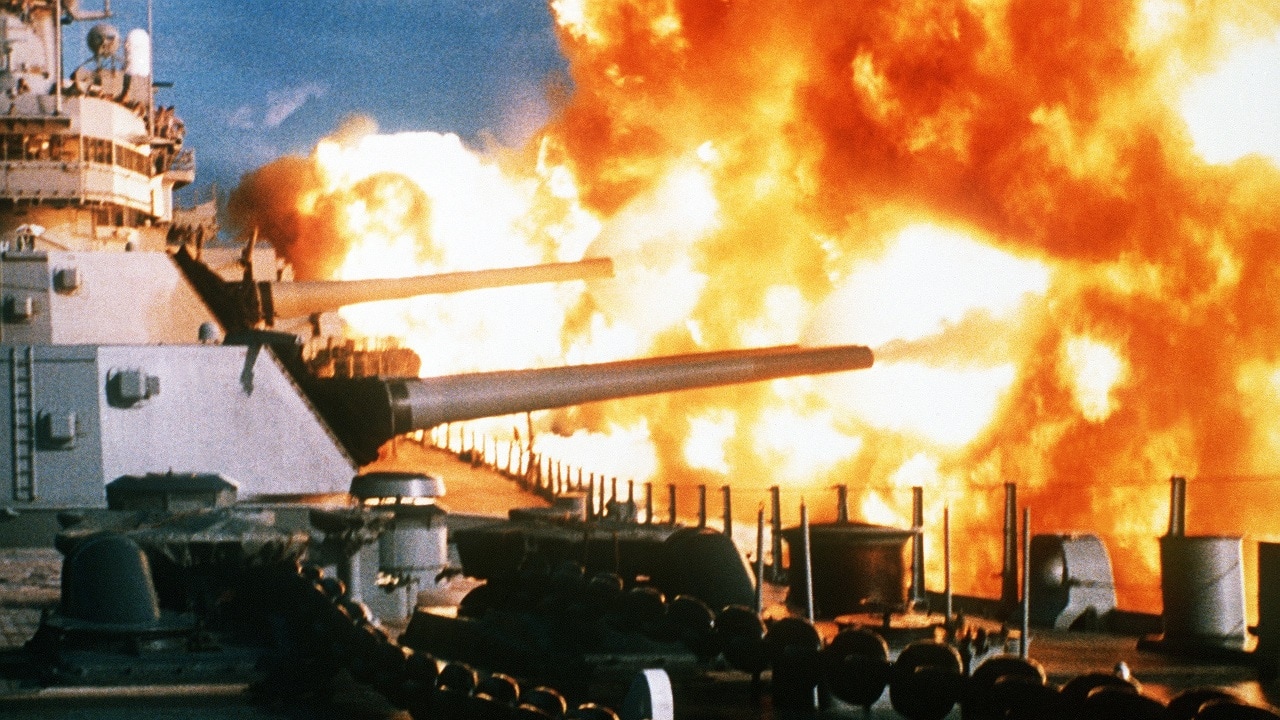
The Iowa-class battleship USS New Jersey fires at positions near Beirut on 9 January 1984 during the Lebanese Civil War.
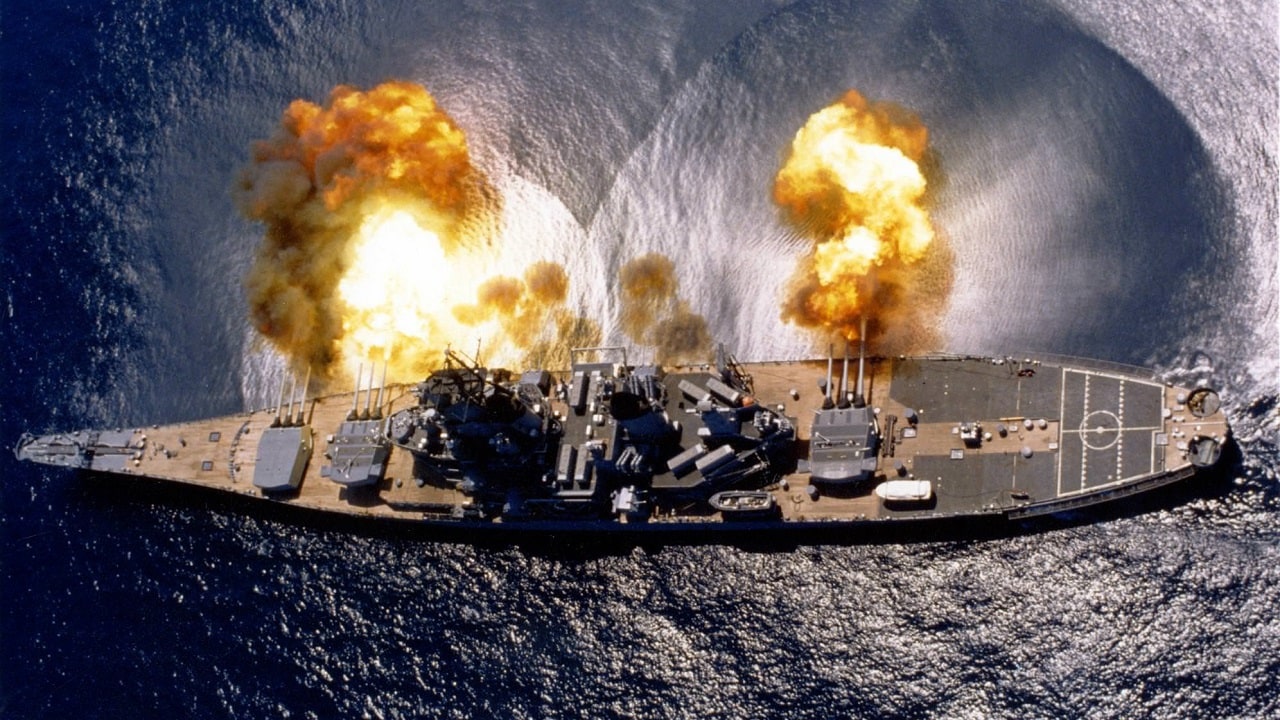
Iowa-class battleship firing a broadside. Image Credit: Creative Commons.
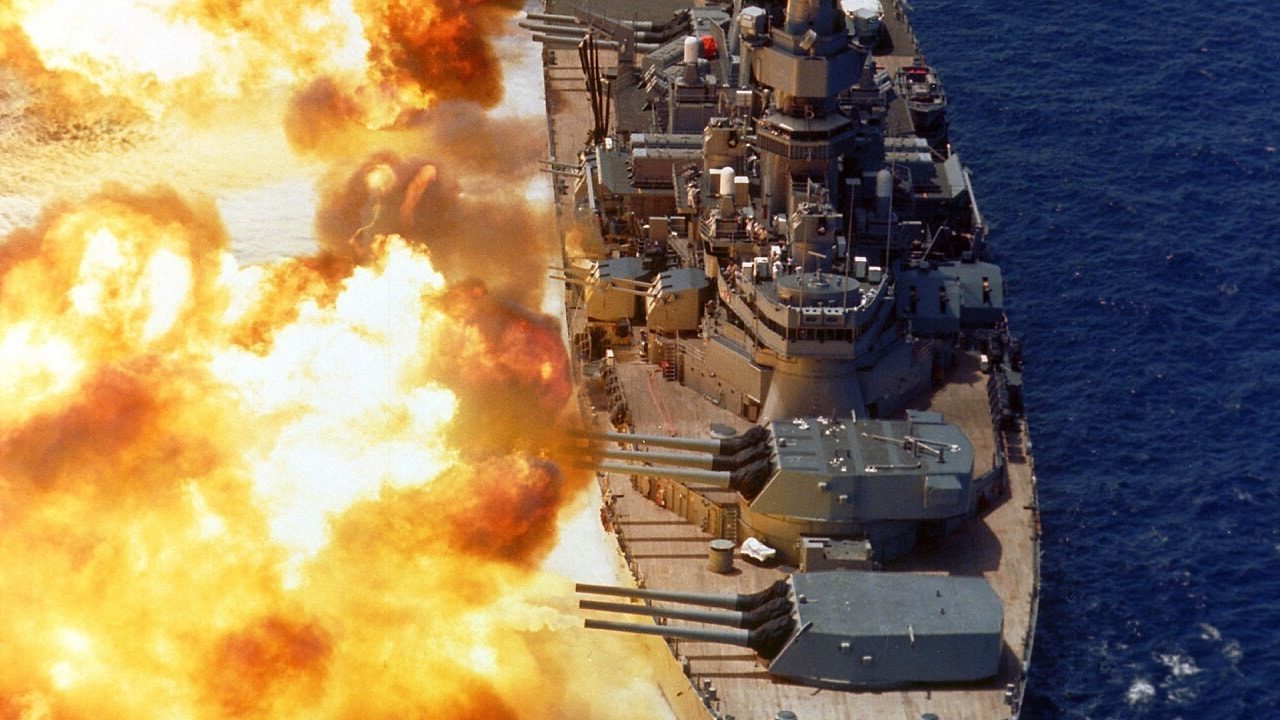
Iowa-class battleship firing off a broadside.
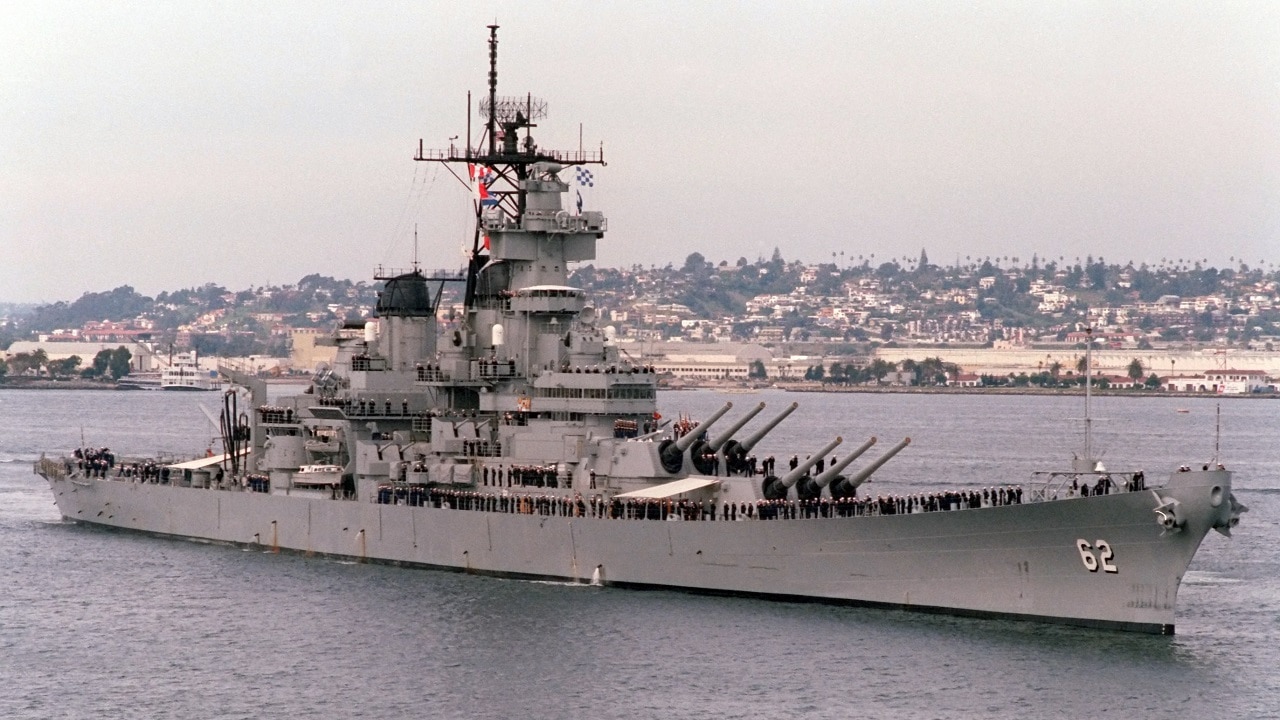
Iowa-class battleship.
While the public reveal focused on the symbolism and deterrence messaging opportunity that comes with the new fleet, there is now an important engineering and acquisition conundrum to resolve: turning the concept into a list of requirements, designs, design tradeoffs and priorities, and a schedule the shipbuilding industrial base can realistically execute.
And that’s the reason why the 30-60 day timeline announced by Kastner is so interesting: it suggests that the Navy is preparing to define near-term design milestones early, clarify how the design effort will be run, and signal to industry what is expected to be delivered first – and when.
Trump-Class Battleship: What the Navy Has Put On the Record So Far
Here’s what the Navy has put on the record so far: the Navy posted two intended contract awards on December 22 with estimated periods of performance of 72 months (six years) – a duration that matches plans to procure the first BBG (X) in the early 2030s and potentially see the vessel enter service in the late 2030s or around 2040, given typical construction timelines for large warships like these.
“The contracts have estimated periods of performance of 72 months (i.e., six years), which appears consistent with procuring the first BBG(X) in the early 2030s. Since each BBG(X) would each require several years to build, the first BBG(X), if procured in the early 2030s, would likely enter service in the late 2030s or around 2040.
The Trump Administration intends for the first BBG(X) to be named Defiant, and for the class to be called the Defiant class (following the Navy’s class-naming convention) or the Trump class,” the Congressional Research Service reported.
The Navy’s notional parameters for the ship are also this: it will be 840 to 880 feet long with a full-load displacement of more than 35,000 tons, placing it in a size bracket well beyond today’s cruisers and destroyers, and making it larger and more heavily armed than any cruiser or destroyer procured since World War II.
Estimates have so far indicated that each ship may have a recurring unit cost of around $10 billion and that the first ship could be closer to $15 billion because budgeting for the lead ship usually absorbs much of the design costs that can run into the billions.
“The first BBG(X) might cost closer to $15 billion, because its procurement cost (following Navy budgeting practices) would incorporate detailed design costs for the class that could amount to a few billion additional dollars,” the Congressional Research Service also notes.
Why the Next 60 Days Matter
The Navy’s announcement that a schedule will be revealed within 30-60 days is significant, and what we learn in the coming months will reveal a lot about the future of the Trump-class program.
Now, we wait to see whether the Navy can quickly define what kind of ship it actually wants and needs, and how it plans to design it. If the service sets tight requirements and builds on earlier work from programs such as the DDG (X), the schedule could move relatively quickly.
If it instead tries to incorporate too many new technologies at once, the design phase could easily stretch out and create delays and cost growth – a problem the Navy has faced many times before.
The timeline also matters because Congress has not yet decided whether BBG (X) will replace the planned DDG (X) destroyer or operate alongside it. That decision will ultimately affect funding priorities as well as long-term fleet structure.
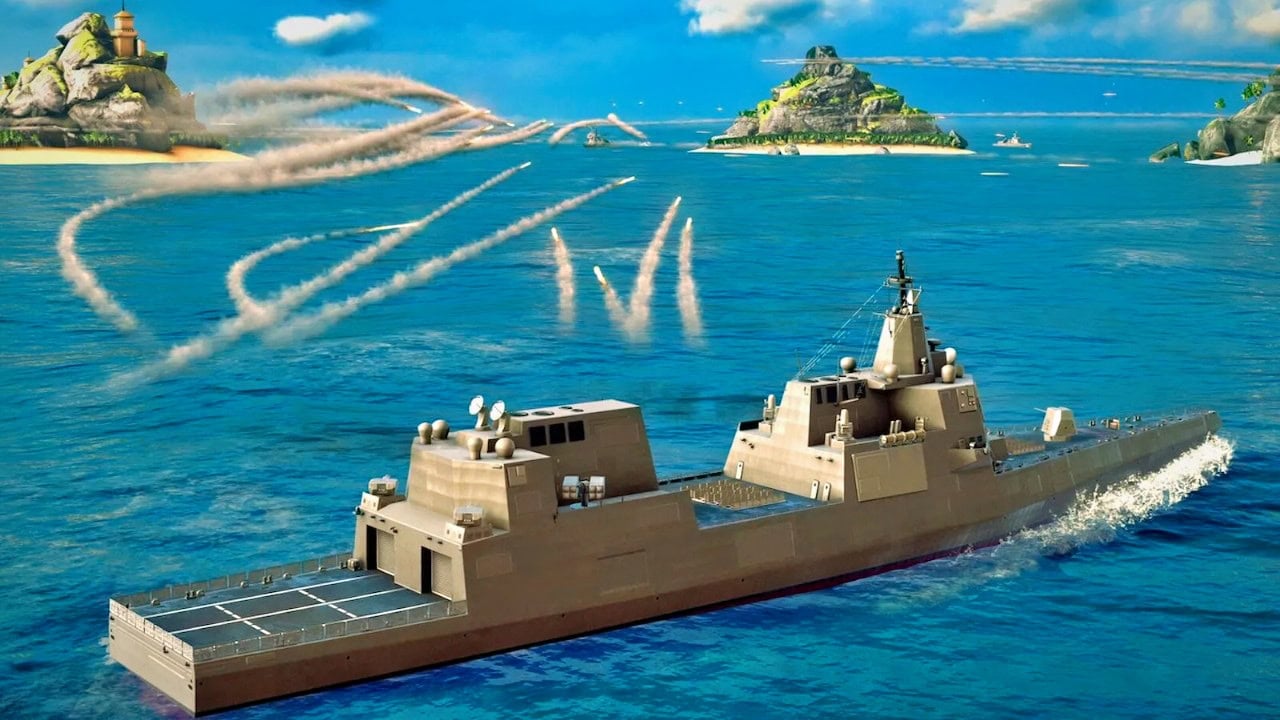
DDG(X) image created by artist. Image Credit: Creative Commons.
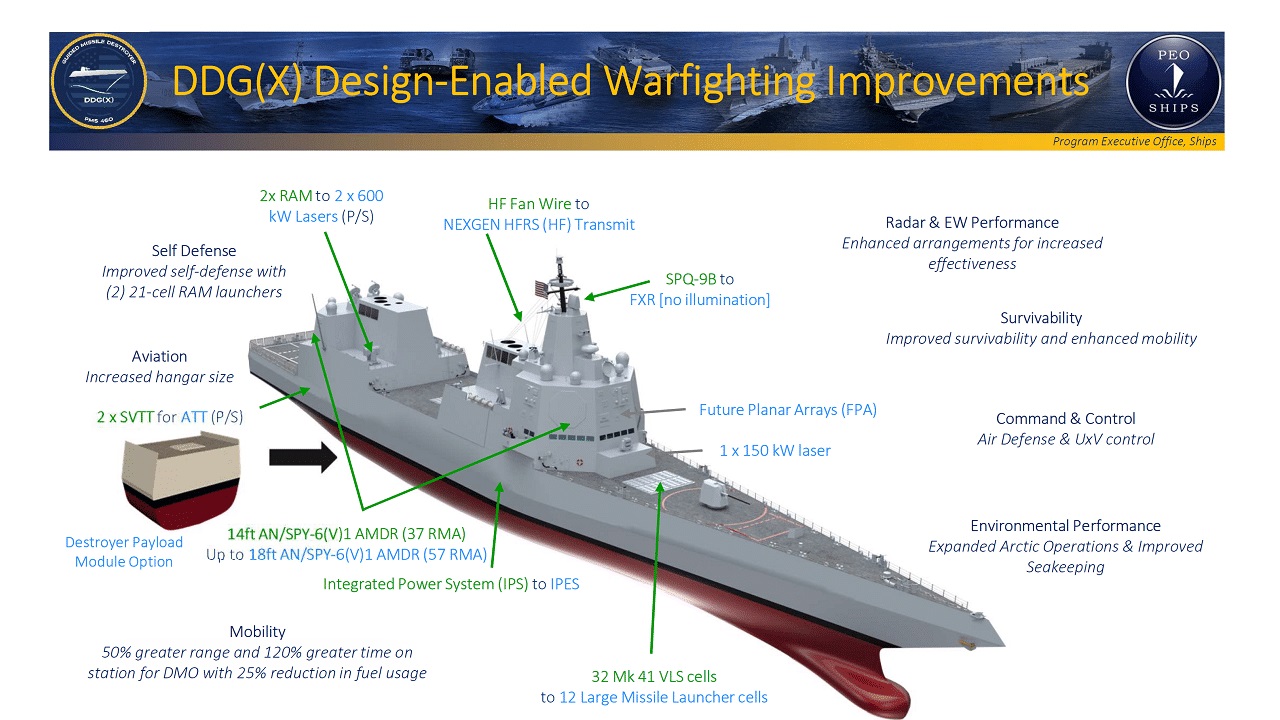
DDG(X). Image Credit: U.S. Navy.
And then there’s the matter of industry readiness. The Navy has endured delay after delay on a string of other problems, ranging from construction to maintenance, and it’s unclear how easily U.S. shipyards will absorb the new contracts and schedules.
Only a small number of U.S. shipyards – primarily Huntington Ingalls Industries and General Dynamics – can realistically design and build a ship of this size, and the Navy is already signaling a desire to complete the process in six years.
About the Author: Jack Buckby
Jack Buckby is a British researcher and analyst specialising in defence and national security, based in New York. His work focuses on military capability, procurement, and strategic competition, producing and editing analysis for policy and defence audiences. He brings extensive editorial experience, with a career output spanning over 1,000 articles at 19FortyFive and National Security Journal, and has previously authored books and papers on extremism and deradicalisation.