
Three Russian Navy Varangian and Steregushchy-class ships pass through the Soya Strait consecutively, raising concerns about the Japan Maritime Self-Defense Force's northern surveillance burden.
 Tanaka Takashi
Three Russian Navy Varyag and Steregushchiy Class Ships Pass Through the Soya Strait in Succession, Renewing the Burden of Maritime Self-Defense Force's Northern Surveillance
On August 21, around midnight, the Japan Maritime Self-Defense Force confirmed three Russian Navy vessels heading west in waters approximately 30 kilometers north of Cape Soya. The previous day, around 11 a.m., the Slava-class missile cruiser "Varyag" was also heading west in the same strait. At first glance, this appears to be merely a repetition of passage through the strait. However, the fact that vessels of different types were sent through on two consecutive days seems to indicate that the Russian Pacific Fleet is consciously continuing "demonstrative actions" in the northern front.
Confirmed Ships and Surveillance Operations
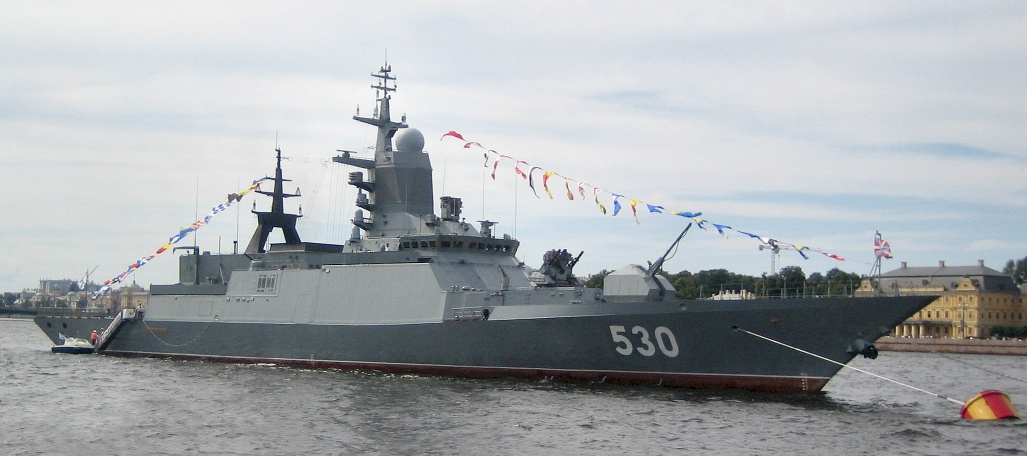
According to maritime reports based on announcements from the Joint Staff Office, on August 20, the Varyag was heading west about 40 kilometers north of Cape Soya, and subsequently passed through the Soya Strait. Following this, on the 21st, three vessels believed to be of the Steregushchiy class—"Sovershennyy," "Gromkiy," and "Alder Tsidenzhapov"—were confirmed heading west about 30 kilometers north of Cape Soya, also passing through the strait. The surveillance was conducted by the missile boats "Umitaka" and "Kumataka" from the 4th and 5th Patrol Defense Units, along with P-3C patrol aircraft from the 2nd Air Group at Hachinohe Air Base.
- August 20: Slava-class missile cruiser "Varyag" heads west through the Soya Strait
- August 21: Three Steregushchiy-class ships head west through the Soya Strait
- Surveillance forces: Two missile boats and P-3C patrol aircraft respond in succession
The Significance of Formation Over Ship Performance
The Varyag is a Slava-class ship with a full-load displacement of around 10,000 tons, equipped with long-range anti-ship missiles and considered a fleet command ship. In contrast, the Steregushchiy class consists of multi-role surface combatants with a displacement of around 3,000 tons, responsible for air defense, anti-submarine, and anti-ship missions in coastal waters. The key point is not the performance of individual ships. From August 4 to 5, these five vessels advanced east through the same Soya Strait to the Pacific side. On the outbound journey, they moved together, while on the return, the cruiser and escort group were separated. This is both a return from training and a maneuver to finely tune the Japanese side's surveillance resources.
The Reality of the Northern Front as Indicated by the Soya Strait
In Japan's security discourse, the southwestern islands are often discussed as the main battlefield. However, there is no guarantee that the northern exit connecting SLOC (Sea Lines of Communication) with the Sea of Japan and the Sea of Okhotsk will remain quiet. The passage through the Soya Strait itself is a matter of international law, and there is no need to exaggerate the crisis based solely on this occurrence. Nevertheless, as the frequency and combinations increase, the alert posture of the Japan Maritime Self-Defense Force and Air Self-Defense Force will undoubtedly be strained. With the aging of the P-3C, northern surveillance is no longer a task that can be managed with "surplus forces."
What is Overlooked is Depletion Rather than Intimidation
In the author's view, what this series of passages indicates is not the immediate offensive intent of the Russian fleet, but rather a sustained burden imposed on the Japanese side. During a time when vigilance in the southwestern front, ballistic missile defense, and disaster response are proceeding simultaneously, there can be no slackening of surveillance in the north. This structure is what weighs heavily. The true challenge lies not in the number of Russian ships themselves, but in the speed of political and operational decision-making regarding how to redistribute limited patrol aircraft and small surface combatants across different fronts and at what pace.
Three Russian Navy vessels, including the Slava-class cruiser 'Varyag' and three Steregushchiy-class corvettes, passed through the Soya Strait on August 20 and 21, 2023. The Japanese Maritime Self-Defense Force monitored these movements, highlighting ongoing military operations in the region. This activity suggests a deliberate show of force by the Russian Pacific Fleet, increasing the surveillance burden on Japan's defense forces.
- Three Russian Navy ships were confirmed passing through the Soya Strait on August 21, 2023.
- The Slava-class cruiser 'Varyag' passed through the strait on August 20, 2023.
- The vessels included Slava-class and Steregushchiy-class ships.
- The Japanese Maritime Self-Defense Force monitored the passage with missile boats and P-3C aircraft.
- The movements indicate a sustained operational presence by the Russian Pacific Fleet.