
Three US Aircraft Carriers Arrive Near Iran and Raise the Stakes
 Alexandra Reeves
Three US Aircraft Carriers Arrive Near Iran and Raise the Stakes
The message is deterrence, but the audience is not just Tehran
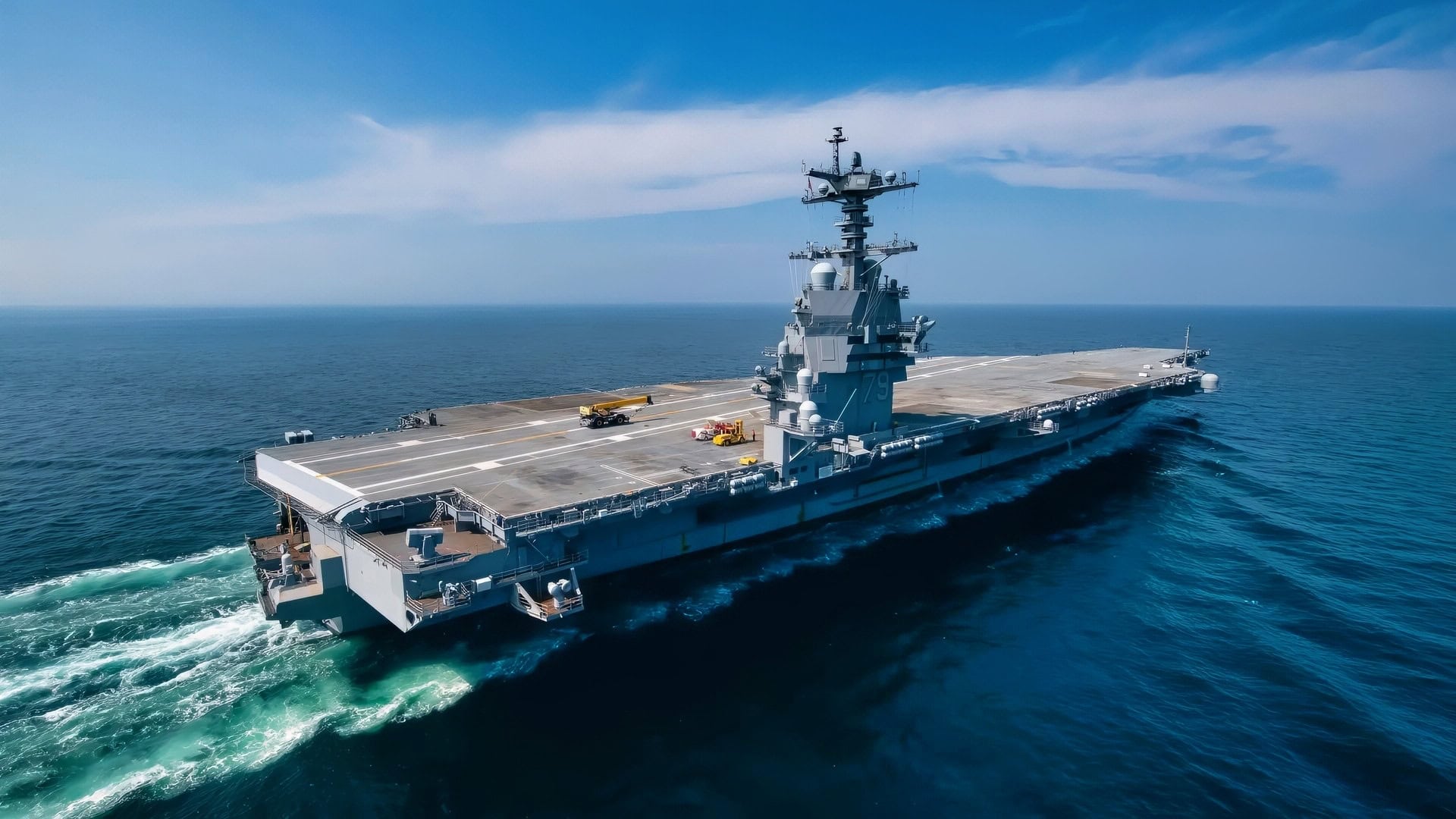
Three American aircraft carriers in the Middle East is the kind of headline Washington likes to call reassurance. In reality, it is a warning with a fuse attached. Al Jazeera reported on November 16 that a third US carrier had arrived amid escalating tensions with Iran. That deployment gives the United States more aviation, air-defence and strike capacity. It also gives Tehran more targets to threaten, probe or use as bargaining chips.
The immediate signal is obvious: the United States does not want Iran to believe that distance, fatigue or a crowded regional crisis has reduced American options. The less obvious signal is aimed at Gulf partners and commercial shipping. Washington is trying to demonstrate that it can keep military pressure on Iran while protecting the arteries that connect the Gulf to the global economy.
Why three carriers matter
A carrier is not simply a floating airfield. A modern US carrier strike group brings a nuclear-powered carrier, a large air wing, guided-missile escorts, radar and electronic-warfare systems, logistics ships and a command network. The Ford-class carrier, for example, is designed to generate sorties with electromagnetic catapults and advanced arresting gear, while the older Nimitz-class ships remain formidable combat platforms. The point is not that every aircraft will immediately attack Iran. The point is that Tehran must plan against several possible axes at once.
One carrier can support a sustained air operation. A second can provide relief, cover another maritime task or remain available if the first is damaged or forced to withdraw. A third changes the political calculation because it suggests Washington is preparing for duration rather than a single punitive strike. That is an important distinction. A short deployment can be theatre. A rotation of multiple carrier groups begins to look like a campaign architecture.
Still, a larger force does not eliminate the basic problem. Iranian missiles, drones, mines, small boats and proxy networks can attack the whole regional system without trying to sink a carrier. A fuel terminal, radar site, air base, tanker or merchant vessel may be easier to hit and politically more useful. The United States can win the opening exchange and still lose control of escalation.
Hormuz is the pressure point
The Strait of Hormuz is where the naval story becomes an economic one. Al Jazeera's November 15 live coverage reported Iranian warnings of escalating retaliation over US actions in and around the strait. The same coverage noted an IRGC claim that a tanker caught fire after hitting naval mines. Separately, the UN has said that 25 seafarers have been killed in or around Hormuz since the US-Israel war with Iran began, according to Al Jazeera's reporting.
Those reports need careful handling. Claims from the IRGC are not independent proof of responsibility, and casualty figures in an active war can change. But the operational lesson is already clear: shipping disruption does not require Iran to defeat the US Navy. It only needs to make insurers, crews and commercial operators decide that a voyage is no longer worth the risk.
That is why a carrier surge can be both shield and provocation. More combat air patrols and surveillance may reduce the chance of a successful attack. More American ships also create more opportunities for miscalculation, especially when mines, drones and proxy units operate in a congested maritime environment. The carrier's greatest asset is its reach. Its greatest liability is that its presence is impossible to ignore.
The Gulf states have more leverage than Washington admits
American planners often frame the crisis as a contest between US military power and Iranian coercion. That is too narrow. Gulf governments control access, basing, airspace, energy infrastructure and the diplomatic channels that can turn a military pause into something durable. CSIS's Allison Minor and Nate Swanson argued in Foreign Affairs on October 29 that a cease-fire brokered and managed by Gulf Arab states could end the Iran war. Their argument matters more as the US force grows, not less.
Gulf capitals may welcome protection while fearing the consequences of becoming launch pads for American operations. They want Iran deterred, but they do not want their ports and air bases to become automatic targets. The third carrier therefore creates a demand for political clarity: who controls the escalation ladder, and what happens after the next missile or mine attack?
Washington's answer cannot be “the carrier is nearby.” Naval power can punish, defend and signal. It cannot by itself persuade Tehran that the political price of continued confrontation is higher than the price of compromise. Nor can it reassure shipping companies if the rules of engagement remain unclear.
What to watch next
- Carrier-group movements: whether the third group remains in theatre or is used as a short-term signal.
- Hormuz insurance and traffic: commercial rerouting may reveal more about real risk than official statements.
- Iranian proxy activity: attacks on bases, tankers and regional infrastructure would test whether deterrence is working.
- Gulf diplomacy: Qatar, Saudi Arabia, Oman and the UAE may become the real crisis managers.
The third carrier is not proof that war is inevitable. It is proof that Washington is buying options while the diplomatic space narrows. The uncomfortable part is that every extra option also creates another way for the crisis to widen. The next test will not be whether the US Navy can dominate the Gulf. It will be whether American power can create room for Gulf diplomacy before a mine, drone or missile closes it.
Sources
Three US aircraft carriers were deployed near Iran on November 16, 2026, as a deterrent amid escalating tensions. This deployment enhances US military capabilities in the region and signals to Iran and Gulf partners that the US maintains options for military engagement. The presence of these carriers raises concerns about potential miscalculations and the impact on commercial shipping in the Strait of Hormuz.
- Three US aircraft carriers have been deployed near Iran as a deterrent measure.
- The deployment aims to maintain military pressure on Iran while protecting commercial shipping routes.
- Iran has issued warnings regarding potential retaliation over US actions in the Strait of Hormuz.