
Through Military Restructuring, Hezbollah Frequently Inflicts Casualties on the Israeli Army
After the United States and Israel launched a large-scale military strike against Iran, the conflict in the direction of Lebanon has intensified. Israel has initiated ground operations with the intention of expanding the so-called "buffer zone" in southern Lebanon. The Lebanese Hezbollah, which had previously suffered heavy losses, has demonstrated "beyond expectations" combat capabilities, and the scale and intensity of the conflict between the two sides have exceeded the levels seen in 2024.
Some analysts believe that Hezbollah has restored a certain level of combat capability through the reorganization of its military structure. As the Israeli military aggressively pushes forward, insisting on expanding the so-called "buffer zone," the possibility of a prolonged conflict between the two sides has increased. Hezbollah's sustained combat capability, Iran's support for Hezbollah, and Israel's tolerance for casualties may collectively influence the course of the conflict.
In recent years, especially during the high-intensity conflict from September to November 2024, Hezbollah suffered heavy losses at the hands of Israel: the then-leader Hassan Nasrallah and his perceived successor Hashim Safieddine both died; nearly all of the military leaders from Hezbollah's founding period were lost; external estimates suggest that around 4,000 combat personnel were killed; the Israel Defense Forces also claimed to have destroyed nearly 90% of Hezbollah's rocket stockpiles.
After the outbreak of the U.S.-Israel-Iran conflict, Hezbollah, which was considered to be "severely injured," quickly "entered the fray." According to statistics released by Hezbollah, from March 2 to April 1, the organization launched over 1,300 strikes against targets within Israel and the invading Israeli military in southern Lebanon, claiming to have hit or destroyed dozens of Israeli Merkava main battle tanks and other military vehicles.
Hezbollah's military security has been taken over by a third-generation commander
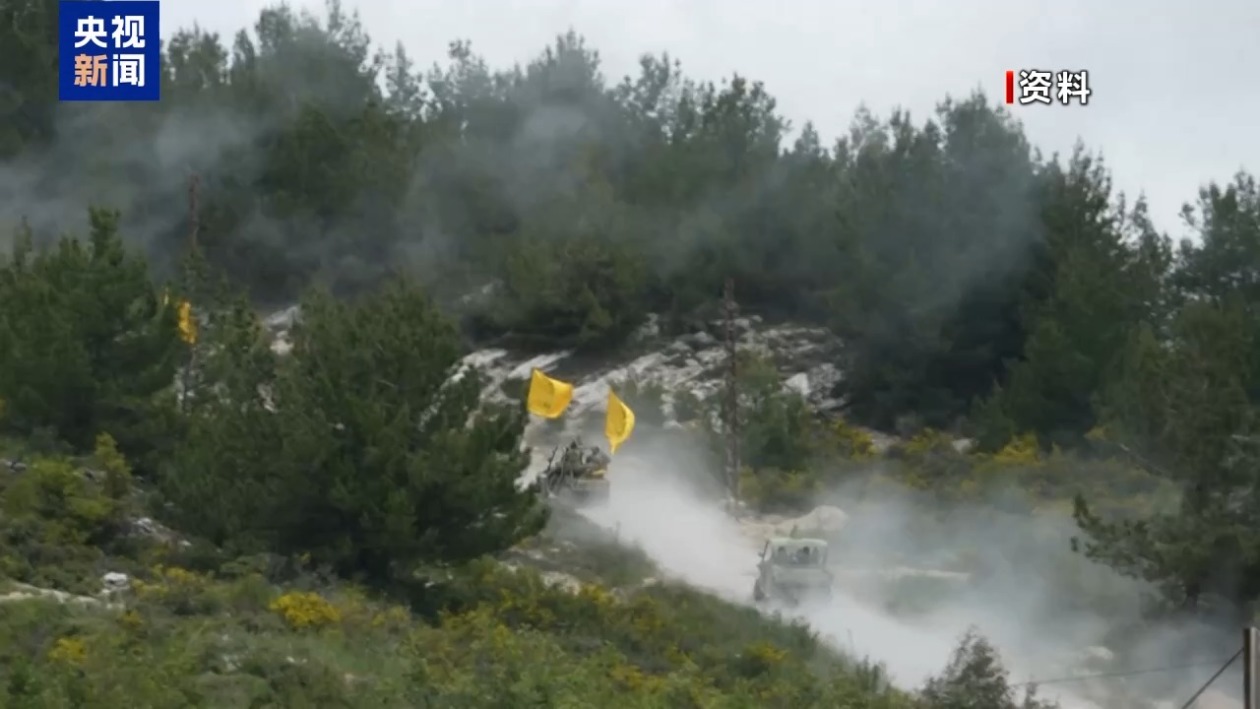
Multiple analyses point out that one important reason for Hezbollah's restoration of combat capability over the past year is the rapid reorganization of its military structure.
French analyses indicate that Hezbollah's military and security institutions are currently under the control of third-generation commanders. They are in their prime, well-educated, and possess rich knowledge in technology and other professional fields. The new generation of leadership has decentralized and reorganized Hezbollah's structure. Other analyses suggest that after the reorganization, Hezbollah has shifted to a "decentralized command structure" composed of many small units, resulting in a flatter command system where units know little about each other's actions, which helps address infiltration issues faced by Israeli intelligence.
Hezbollah has returned to a more decentralized guerrilla organization form
An article from the Royal United Services Institute for Defence and Security Studies comments that the reorganized Hezbollah has returned to a more decentralized guerrilla organization form, which is more suitable for asymmetric warfare and long-term military resistance.
Hezbollah's reorganization is believed to have received strong support from Iran
It is worth mentioning that Hezbollah's current round of reorganization is believed to have received strong support from Iran. It is reported that shortly after the ceasefire agreement was reached between Lebanon and Israel in November 2024, the Iranian Islamic Revolutionary Guard Corps sent about 100 officers to assist in Hezbollah's military training and was deeply involved in the reorganization process of Hezbollah's command structure.
Hezbollah launched over 1300 strikes against Israeli targets between March 2 and April 1, claiming to have destroyed numerous Israeli Merkava tanks and military vehicles. This surge in activity follows a reorganization of its military structure, now led by a new generation of commanders. The ongoing conflict has seen significant casualties, with approximately 4000 Hezbollah personnel reported killed in recent years, and Iran's support has been crucial in this restructuring effort.
- Hezbollah has reorganized its military structure under new leadership.
- Hezbollah conducted over 1300 strikes against Israeli targets from March 2 to April 1.
- Approximately 4000 Hezbollah combat personnel have been reported killed in previous conflicts.
- Hezbollah claims to have destroyed dozens of Israeli Merkava tanks and military vehicles.
- Iran has provided significant support to Hezbollah's military restructuring.